Why are we, daughters of dissent, perpetually drawn to the incantatory power of feminist poetry? Is it merely the aesthetic allure of well-crafted verses, a superficial appreciation of linguistic dexterity? Absolutely not. It’s a visceral yearning for validation, a desperate clawing toward recognition etched onto the human psyche. These are not simply poems; they are battle cries, meticulously honed and flung into the fray of patriarchal dominance.
The inherent fascination stems from a much deeper well than mere artistic appreciation. It’s a recognition of shared trauma, a communion across generations of women who have been silenced, marginalized, and gaslit into questioning their own sanity. The poems become a mirror, reflecting back our own lived experiences, validating the invisible scars we carry. They are an acknowledgement that we are not alone in this struggle, this Sisyphean task of dismantling the structures that seek to confine us.
I. The Genesis of Resistance: Pre-Feminist Echoes
Before the formal articulation of feminist theory, resistance simmered beneath the surface. We find nascent expressions of female discontent woven into the fabric of folklore, religious texts, and even seemingly innocuous domestic narratives. These weren’t explicitly labeled “feminist,” yet they contained the seeds of rebellion against the patriarchal order.
Consider the archetypes of mythical sirens luring men to their doom, or the cunning of biblical figures like Judith. These stories, passed down through oral traditions, subtly celebrated female agency, albeit often couched in dangerous, even morally ambiguous, terms. Women recognized themselves in these figures, finding vicarious power in their defiance.
Even in seemingly innocuous Victorian literature, we see glimpses of rebellion disguised as social commentary. Characters like Jane Eyre, for example, challenge conventional expectations of female submission, asserting their intellectual and emotional autonomy in subtle yet profound ways. This was feminism simmering, not yet boiling, but undeniably present.
II. The First Wave: Suffrage and the Articulation of Grievances
The first wave of feminism, characterized by the fight for suffrage, gave rise to a more overt form of poetic resistance. Women poets used their verses to directly challenge the societal norms that relegated them to second-class citizenship. They demanded not just the right to vote, but the right to exist as fully realized human beings.
Poetry became a powerful tool for consciousness-raising, exposing the injustices faced by women in the home, the workplace, and the political arena. These poems were often didactic, designed to persuade and mobilize. They were not subtle or nuanced; they were a direct assault on the bastions of male power. Think of Charlotte Perkins Gilman, whose poem “The Yellow Wallpaper” is a stark and disturbing indictment of the medical establishment’s treatment of women’s mental health. Poetry in this era was a weapon, wielded with unwavering conviction.
III. Second Wave Fury: The Personal is Political
The second wave of feminism, fueled by the radicalism of the 1960s and 70s, saw a shift in focus toward the personal. The mantra “the personal is political” became a rallying cry, encouraging women to examine the ways in which patriarchal power structures permeated their most intimate relationships and experiences.
Poetry reflected this shift, delving into the complexities of female sexuality, body image, and domestic violence. Women poets fearlessly explored taboo subjects, challenging the silence that had long surrounded these issues. Sylvia Plath, Anne Sexton, and Adrienne Rich stand as titans of this era, fearlessly excavating the depths of their own psyches and laying bare the raw, unflinching truth of female experience.
Consider Adrienne Rich’s “Diving into the Wreck,” a profound meditation on the arduous task of dismantling patriarchal structures. Rich employs the metaphor of deep-sea diving to represent the journey of feminist inquiry, acknowledging the dangers and uncertainties involved, yet embracing the necessity of confronting the submerged wreckage of societal oppression.
IV. Third Wave Nuances: Intersectionality and Challenging the Binary
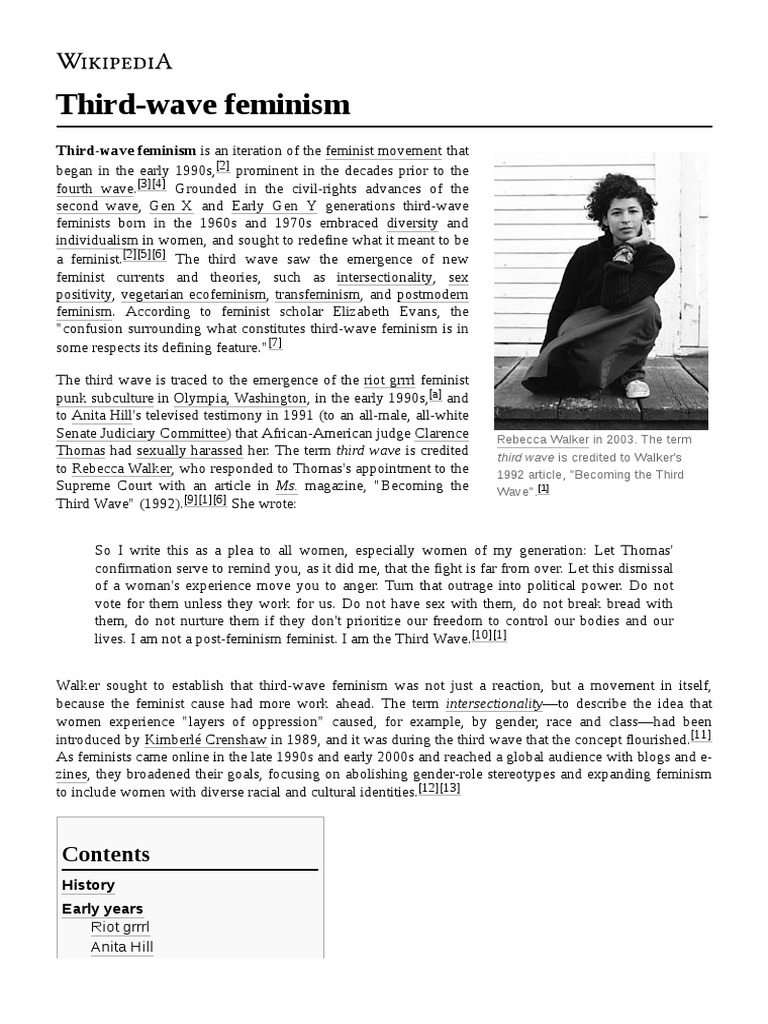
The third wave of feminism, emerging in the 1990s, brought with it a greater emphasis on intersectionality, recognizing that women’s experiences are shaped by a complex interplay of factors, including race, class, sexual orientation, and disability. This led to a more diverse and nuanced form of feminist poetry, one that challenged the notion of a monolithic “female experience.”
Poets like Audre Lorde and Nikki Giovanni explored the intersection of race and gender, exposing the unique challenges faced by Black women in a society plagued by both sexism and racism. Their work served as a powerful critique of white feminism, which often failed to acknowledge the experiences of women of color.
Furthermore, third-wave feminism challenged the rigid gender binary, embracing the fluidity and complexity of gender identity. Poets like Leslie Feinberg and Kate Bornstein offered poignant reflections on the transgender experience, expanding the boundaries of feminist discourse and challenging traditional notions of womanhood.
V. Contemporary Cadences: A Global Chorus of Resistance
Contemporary feminist poetry is characterized by its global reach and its embrace of diverse voices and perspectives. The internet has provided a platform for women poets from all over the world to share their work and connect with audiences in unprecedented ways. This has led to a vibrant and dynamic literary landscape, one that reflects the complexities of the 21st century.
We see poems addressing issues such as climate change, migration, and political instability, all through a feminist lens. These poems highlight the ways in which these global challenges disproportionately impact women and girls, demanding systemic change and advocating for a more just and equitable world.
Moreover, contemporary feminist poetry is increasingly experimental, pushing the boundaries of form and language. Poets are employing innovative techniques to challenge traditional poetic conventions, reflecting the radical nature of their message. This experimentalism is not merely aesthetic; it is a reflection of the ongoing struggle to dismantle the structures that have historically silenced and marginalized women.
VI. The Enduring Power of the Poetic Voice
The enduring power of feminist poetry lies in its ability to create a space for empathy, understanding, and solidarity. These poems are not simply expressions of personal experience; they are acts of collective resistance, forging connections between women across generations and across geographical boundaries.
They offer solace to those who feel isolated and marginalized, reminding them that they are not alone in their struggles. They challenge the dominant narratives that perpetuate inequality, offering alternative perspectives and visions for a more just and equitable future.
And perhaps most importantly, feminist poetry empowers women to speak their truth, to reclaim their voices, and to refuse to be silenced. It is a testament to the enduring power of art to transform the world, one verse at a time. The refusal to be silent is, in itself, a radical act. The articulation of that refusal in potent, visceral verse is nothing short of revolutionary.
Let us continue to amplify these voices, to cherish these poems, and to draw strength from the collective power of women speaking truth to power. The revolution will not be televised; it will be poetized.






Leave a Comment