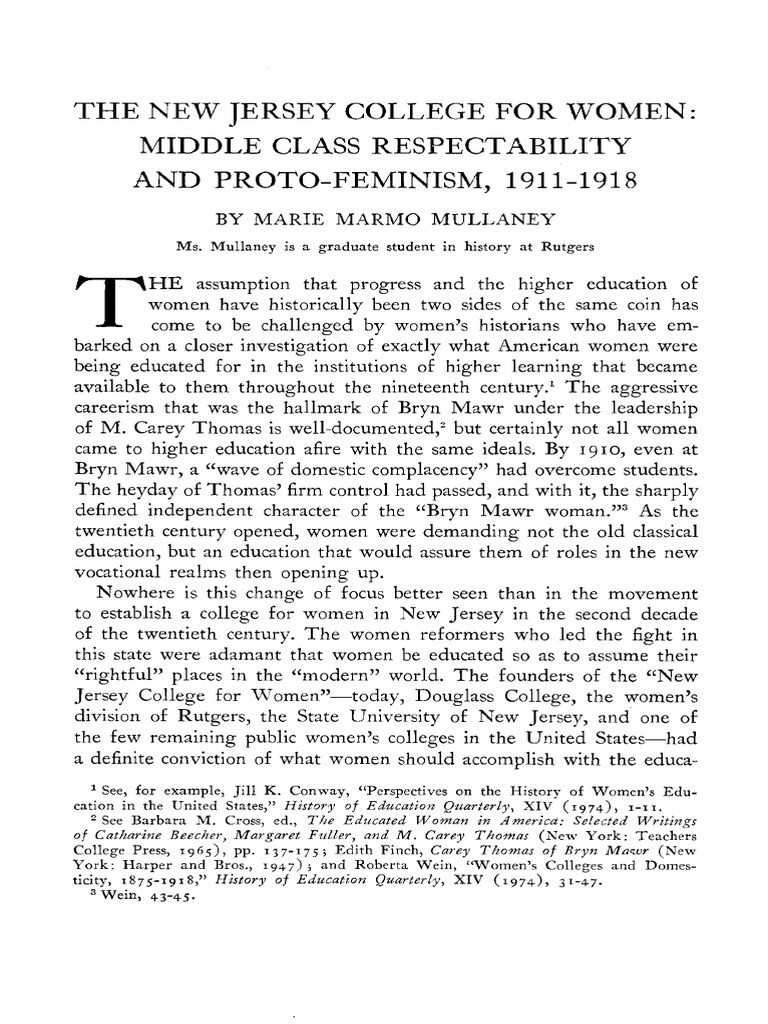
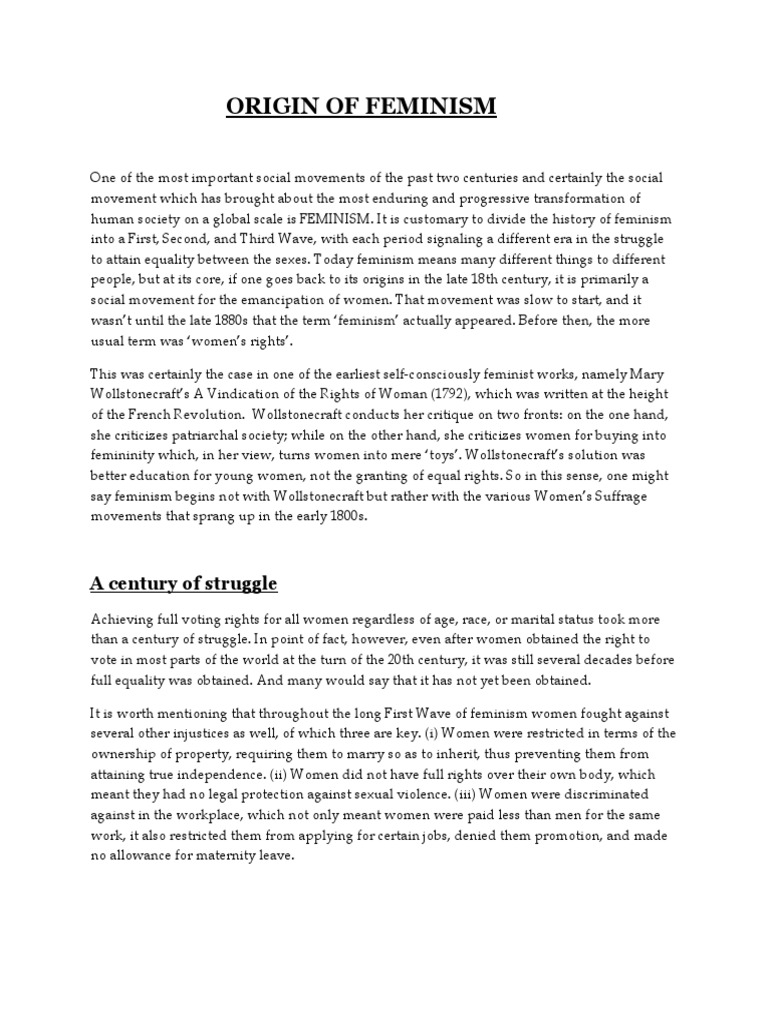
Before the fiery banners of feminism flew high, before the term itself became a battlefield of definitions and delineations, there existed a quiet revolution. A subterranean current of dissent, a whisper that grew into a roar, challenging the established order. This, my comrades, is proto-feminism: the intellectual and societal stirrings that laid the groundwork for the organized feminist movements we know today. It’s the fertile soil from which the mighty oak of modern feminism sprung forth. Forget the meticulously crafted manifestos; we are diving into the murky, exhilarating dawn.
Consider it the nascent, pre-verbal stage of a burgeoning consciousness. Like a fledgling bird testing its wings, proto-feminists grappled with the limitations imposed upon them, even before they possessed the precise language to articulate their grievances. They were, in essence, forging the very lexicon of liberation.
I. Seeds of Rebellion: Challenging the Accepted Narrative
Proto-feminism wasn’t a unified, cohesive ideology; it was a constellation of individual and collective acts of defiance. Picture this: a woman writer, cloaked in anonymity, penning scathing critiques of patriarchal structures within the guise of romantic novels. Think of the salonnières, hosting intellectual gatherings where women dared to engage in philosophical debates, defying the expectation of silent acquiescence.
These acts, often subtle and couched in the language of the time, were revolutionary in their own right. They chipped away at the edifice of societal expectations, laying bare the cracks in the foundation. They asked the forbidden questions, the ones that lingered in the air, unspoken but felt.
A. Literary Subversion: The Quill as a Weapon
Long before Virginia Woolf demanded a room of one’s own, women writers were strategically employing their pens to subtly undermine the patriarchy. Authors like Aphra Behn, with her unapologetically female gaze and exploration of female desire, challenged the prevailing literary norms. Their narratives often featured strong, independent women who dared to defy societal expectations. It’s the quiet resistance etched in ink. Their words became subversive seeds sown into the collective consciousness.
B. Salon Culture: A Crucible of Ideas
The salons of 17th and 18th century Europe provided a haven for intellectual women, offering a space where they could engage in lively debate and challenge prevailing assumptions. These gatherings, often hosted by influential women, became crucial sites for the exchange of ideas and the development of proto-feminist thought. Think of them as proto-think tanks, birthing radical notions in parlors adorned with lace and candlelight. These women, relegated to the domestic sphere, transformed their homes into intellectual powerhouses.
II. The Limitations of Their Time: Navigating the Patriarchal Labyrinth
It’s crucial to acknowledge the limitations faced by proto-feminists. They operated within a deeply entrenched patriarchal system, one that severely restricted their access to education, political power, and economic independence. Their critiques, therefore, were often constrained by the prevailing social norms. They had to couch their dissent in acceptable language, employing strategies of indirection and subversion.
They walked a tightrope, balancing their desire for change with the need to survive within a hostile environment. They were forced to play the game, even as they sought to dismantle the rules. Their struggle, therefore, was all the more poignant.
A. The Burden of Respectability: A Double-Edged Sword
Many proto-feminists were acutely aware of the need to maintain a veneer of respectability in order to be taken seriously. They understood that open rebellion would likely be met with swift and severe consequences. This led to a strategic deployment of propriety, a careful navigation of societal expectations. Imagine them as skilled diplomats, negotiating for change within the confines of a rigid social order.
However, this emphasis on respectability also presented a challenge. It could sometimes reinforce existing class and racial hierarchies, limiting the scope of their critiques and excluding women from marginalized communities. This paradox underscores the complexities of proto-feminist thought.
B. The Absence of a Collective Identity: A Fragmented Movement
Unlike later feminist movements, proto-feminism lacked a cohesive, unified identity. It was a fragmented collection of individual voices, often operating in isolation. The absence of a shared language and a collective organizational structure made it difficult to mobilize and advocate for systemic change. They were individual stars, shining brightly but not yet coalescing into a constellation. The connections were there, subtle, felt, but not always articulated.
III. Proto-Feminist Ideals: Visions of a More Equitable Future
Despite the limitations of their time, proto-feminists articulated a range of ideals that would later become central to feminist thought. They challenged the notion of female inferiority, advocated for greater educational opportunities for women, and questioned the traditional division of labor. Their visions, though often nascent and incomplete, laid the foundation for a more equitable future.
They dared to imagine a world where women were not defined solely by their relationship to men, a world where they could pursue their own passions and contribute their talents to society. They were the architects of a future they would never fully see.
A. Challenging the Doctrine of Female Inferiority: A Battle of Wits
Proto-feminists directly confronted the deeply ingrained belief in female intellectual and moral inferiority. They argued that women were capable of reason and independent thought, and that they deserved access to the same educational opportunities as men. They wielded logic and rhetoric as weapons against centuries of misogynistic dogma. Their arguments, often couched in religious or moral terms, challenged the very foundations of patriarchal power.
B. Advocating for Female Education: Unlocking Potential
Access to education was seen as crucial for empowering women and enabling them to participate more fully in society. Proto-feminists argued that educated women would be better equipped to manage their households, raise their children, and contribute to the intellectual and cultural life of their communities. Education was not simply about acquiring knowledge; it was about unlocking the potential that lay dormant within women.
C. Questioning the Traditional Division of Labor: Redefining Roles
Proto-feminists began to question the rigid division of labor that relegated women to the domestic sphere. They argued that women should have the opportunity to pursue careers outside the home and to participate in the public sphere. Their critiques, though often tentative, challenged the very foundation of patriarchal society. They dared to envision women as active participants in the economy and the polity.
IV. Echoes of the Past: Proto-Feminism’s Enduring Legacy
The legacy of proto-feminism extends far beyond the historical period in which it emerged. Its ideals and critiques continue to resonate in contemporary feminist thought. By understanding the struggles and triumphs of these early pioneers, we can gain a deeper appreciation for the complexities of the feminist project. Their whispers echo through the centuries, reminding us of the long and arduous road to liberation.
They may not have had the language of intersectionality, but their struggles laid the groundwork for a more inclusive and nuanced understanding of gender and power.
A. The Importance of Context: Understanding Historical Constraints
It is crucial to understand the historical context in which proto-feminists operated. Their critiques were shaped by the prevailing social norms and power structures of their time. By recognizing these constraints, we can avoid imposing modern-day expectations on their actions and beliefs. Empathy, not judgment, is the key to understanding their legacy.
B. The Continuing Relevance of Proto-Feminist Ideals: A Guiding Light
Many of the ideals articulated by proto-feminists remain relevant today. The fight for equal educational opportunities, economic independence, and political representation continues. By studying their struggles and triumphs, we can gain inspiration and guidance for our own efforts to create a more just and equitable world. Their fire, though dimmed by time, still flickers brightly.
Proto-feminism, then, is not merely a historical curiosity; it is a vital chapter in the ongoing story of the struggle for gender equality. It’s the foundation upon which the magnificent edifice of modern feminism stands. Let us honor their memory by continuing their work, by challenging injustice wherever we find it, and by never ceasing to strive for a world where all individuals can reach their full potential. The revolution is not over; it is merely evolving. And we, my sisters, are its inheritors. Let’s wield the lessons of the past to forge a brighter future.








Leave a Comment