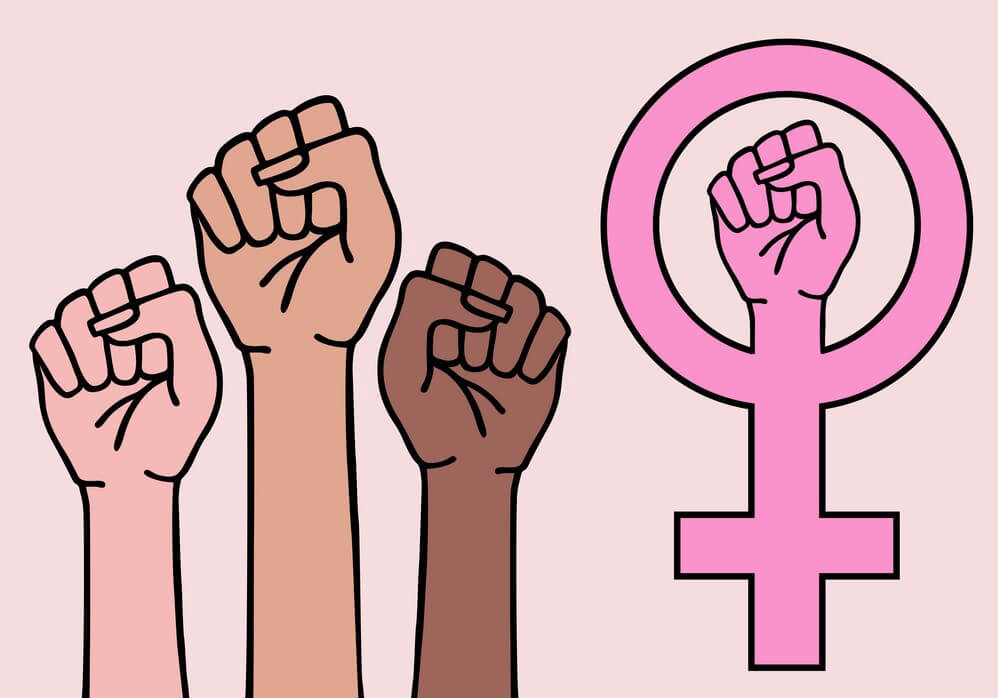
Power. A word that clings to the tongue, dripping with implications, vibrating with the potential for creation and destruction. It is a concept central to the feminist project, a shimmering mirage in the desert of patriarchal oppression. But what *is* power, really? And who, in this tangled web of societal stratifications, truly wields it? Furthermore, and perhaps most provocatively: who *should*?
This isn’t a simple question. It’s not a matter of just shuffling names on a corporate org chart or electing a few more women to political office. We are talking about a fundamental restructuring of how agency operates, a dismantling of the insidious frameworks that dictate who gets to speak, who gets to decide, and who gets to simply…survive. The current power dynamics are not accidental. They are the meticulously crafted architecture of a system designed to benefit a select few, and to maintain that benefit at the expense of everyone else, especially those relegated to the margins.
So, let’s dissect this beast. Forget the polite platitudes. Let’s delve into the muck and mire of how power operates in the lives of women, and more broadly, anyone existing outside the enforced normalcy that benefits from societal hegemony. We need to be asking: Where does existing power reside? How does it manifest? What are its insidious weapons? And how do we, as feminists dedicated to radical change, wrest it away and redistribute it in a way that fosters genuine liberation for all?
I. Deconstructing the Patriarchal Power Structure: A Labyrinth of Control
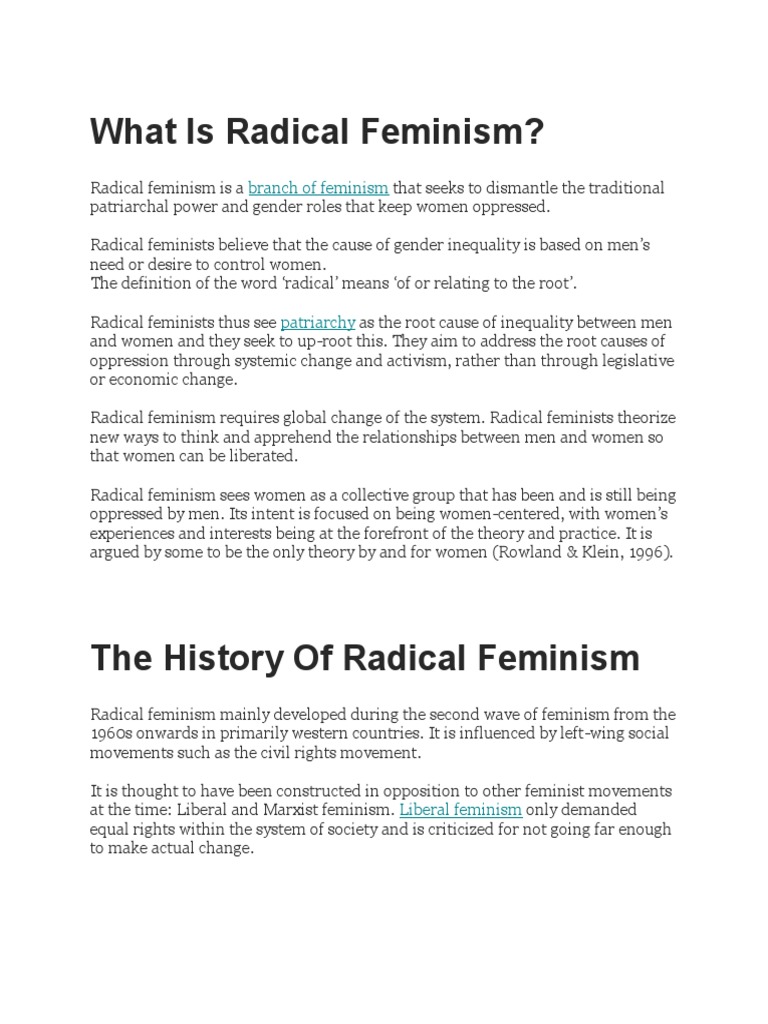
Let’s begin with the obvious, shall we? Patriarchy. It’s the invisible scaffolding upon which our society is built, a ubiquitous force so normalized that it often fades into the background. But ignoring it is at our peril. Patriarchy isn’t just about individual men being overtly misogynistic (though that’s certainly a symptom); it’s about a systemic arrangement where maleness is implicitly valorized and femaleness is, implicitly or explicitly, devalued, controlled, and subjugated.
A. *The Overt Power of Law and Politics:* Let’s be frank: legal systems, across history and in many corners of the world today, have actively denied women basic rights. The right to own property, the right to vote, the right to control their own bodies. These aren’t ancient history; the echoes of these power imbalances resonate deeply in contemporary political landscapes. Abortion rights are under constant siege. Equal pay remains a distant dream. Women are vastly underrepresented in positions of political leadership. The levers of power, quite simply, are still firmly grasped by male hands.
B. *The Covert Power of Cultural Narratives:* The insidious nature of power lies not only in overt control but also in the subtle manipulation of culture. Think about it: the media we consume, the stories we tell, the art we create – all contribute to shaping our perceptions of gender. How are women portrayed? Often as objects of desire, as passive recipients of male action, as either saints or sinners. This constant bombardment of skewed representations reinforces harmful stereotypes and subtly undermines women’s agency.
Consider the “male gaze,” a concept coined by Laura Mulvey, which describes how visual culture is often created from a male, heterosexual perspective, depicting women as objects to be looked at and consumed. This gaze permeates everything from film and television to advertising and pornography, perpetuating a culture of objectification and disempowerment.
C. *The Power of Economic Control:* Money talks, and in a capitalist society, economic power translates directly into political and social influence. Women continue to face significant barriers to economic advancement, including the gender pay gap, limited access to funding for female-owned businesses, and disproportionate responsibility for unpaid care work. This economic disempowerment further entrenches patriarchal control.
D. *The Intimate Power of Interpersonal Relationships:* Power dynamics aren’t limited to the public sphere; they also play out in the most intimate spaces. Domestic violence, sexual assault, and emotional abuse are all manifestations of patriarchal power exerted within personal relationships. These acts of violence are not isolated incidents; they are the brutal consequences of a system that normalizes male dominance and female subjugation.
II. Beyond the Binary: Intersectional Power Dynamics
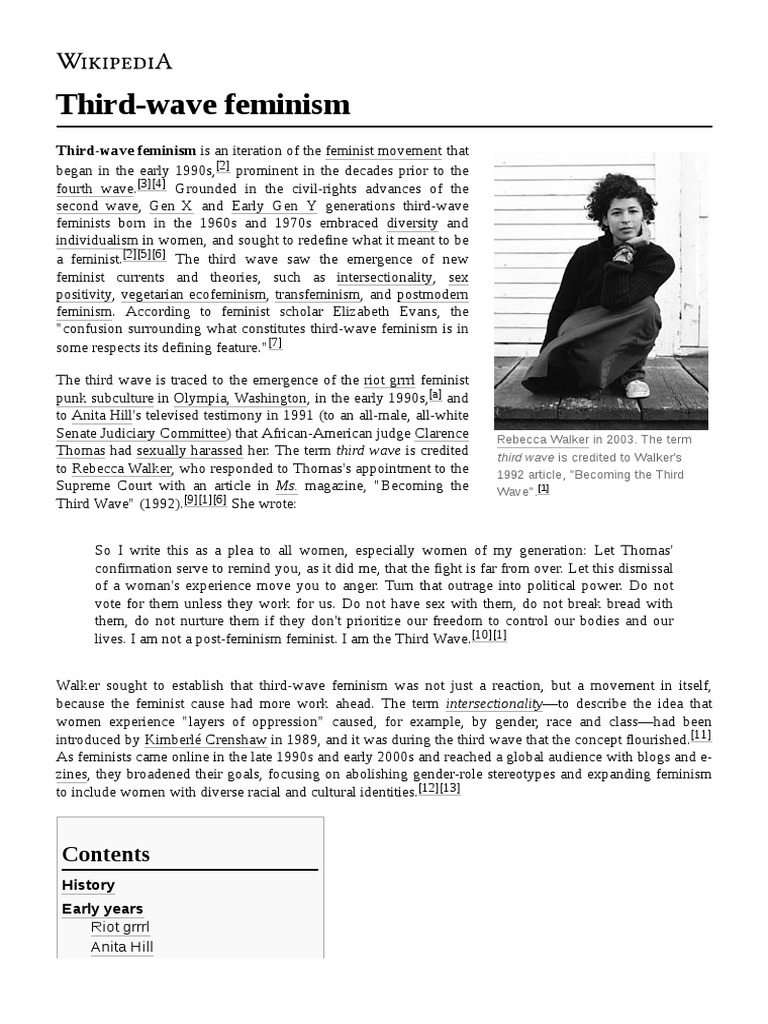
Understanding patriarchal power is crucial, but it’s not the whole story. Power operates in a far more complex and nuanced manner, intersecting with other forms of oppression based on race, class, sexuality, ability, and other social categories. This is where intersectionality, a concept popularized by Kimberlé Crenshaw, comes into play. It recognizes that individuals experience multiple forms of oppression simultaneously, and that these oppressions are interconnected and mutually reinforcing.
A. *Race and Gender:* Black women, Indigenous women, and women of color face unique challenges stemming from the intersection of racism and sexism. They are often marginalized within both feminist movements and broader societal structures, experiencing higher rates of poverty, violence, and discrimination.
B. *Class and Gender:* Economic inequality disproportionately impacts women, particularly those from marginalized communities. The feminization of poverty is a global phenomenon, driven by factors such as the gender pay gap, lack of access to education and healthcare, and the burden of unpaid care work. Wealth and economic power, too, can be used for liberation. It shouldnt be discounted.
C. *Sexuality and Gender:* LGBTQ+ women face discrimination and violence based on their sexual orientation and gender identity. They are often excluded from mainstream feminist discourse and experience unique challenges related to healthcare, employment, and legal rights.
D. *Ability and Gender:* Women with disabilities face ableism in addition to sexism. They are often excluded from conversations about body image, reproductive rights, and sexual health, and experience barriers to accessing education, employment, and healthcare.
III. Reclaiming Power: Strategies for Feminist Resistance
Acknowledging the pervasiveness of patriarchal power is not an act of resignation. It’s the first step towards resistance. The feminist project is, at its core, about reclaiming power – not simply replicating existing power structures but transforming them into something more equitable and just. How do we do that?
A. *Collective Action and Solidarity:* Individual acts of resistance are important, but true transformation requires collective action. Feminist movements have historically been powerful forces for social change, mobilizing women to fight for their rights and challenge oppressive systems. Solidarity across differences is crucial to building a truly inclusive and effective feminist movement.
B. *Challenging Cultural Narratives:* We must actively challenge the harmful representations of women that permeate our culture. This includes supporting feminist artists, writers, and filmmakers who are creating alternative narratives, and challenging sexist and misogynistic content in the media. It also involves cultivating our own language, speaking truth to power, and reclaiming our stories.
C. *Empowering Women Economically:* Addressing the gender pay gap, promoting female entrepreneurship, and advocating for policies that support working families are all crucial steps towards economic empowerment. We must also challenge the capitalist system that perpetuates economic inequality and advocate for a more just and equitable distribution of wealth.
D. *Reimagining Relationships:* Reclaiming power also means challenging the power dynamics within our own relationships. This requires open communication, mutual respect, and a willingness to dismantle the ingrained patterns of male dominance and female submission. It also means holding perpetrators of violence accountable and creating safe spaces for survivors to heal.
E. *Political Engagement and Advocacy:* We must actively engage in the political process, advocating for policies that promote gender equality and challenge patriarchal structures. This includes supporting feminist candidates, lobbying for legislation that protects women’s rights, and participating in grassroots activism. It means demanding a seat at the table and refusing to be silenced.
IV. Beyond Power-Over: Towards a Feminist Ethic of Power-With
Ultimately, the feminist project is not simply about women acquiring more power in the traditional sense. It’s about transforming the very *nature* of power itself. The dominant paradigm of power is often based on domination and control – “power-over.” But feminists have long argued for a different model: “power-with,” which emphasizes collaboration, empathy, and mutual empowerment.
Power-with is about building collective strength, fostering solidarity, and creating a world where everyone has the opportunity to thrive. It’s about recognizing that our liberation is intertwined and that we are all stronger when we work together. It’s about dismantling the hierarchies that divide us and creating a more just and equitable society for all.
This isn’t a utopian fantasy. It’s a practical, achievable goal. It requires a willingness to challenge our own assumptions, to listen to marginalized voices, and to actively work towards dismantling oppressive systems. It requires courage, resilience, and an unwavering commitment to justice.
The question of power in feminism is not just academic; it’s deeply personal. It’s about our lives, our bodies, our futures. It’s about creating a world where all women, and all people, can live with dignity, autonomy, and freedom. So, let’s continue to ask the difficult questions. Let’s continue to challenge the status quo. And let’s continue to work together to build a more just and equitable world, one brick, one voice, one act of resistance at a time.





Leave a Comment