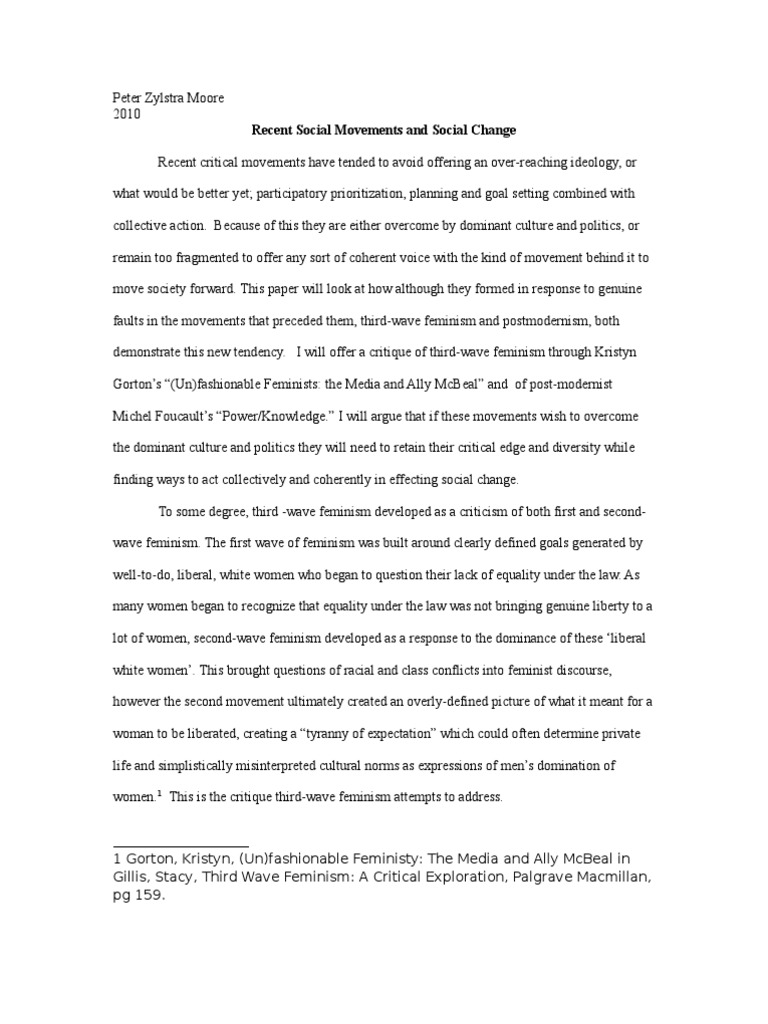
Can we truly dismantle the master’s house using the master’s tools, or are we merely rearranging the furniture, perpetuating the very structures we seek to obliterate? This, my sisters, is the crux of the contention between postmodernism and feminism – a potentially generative, yet often fraught, intellectual frisson. A tête-à-tête that demands meticulous scrutiny.
At first glance, postmodernism, with its deconstruction of grand narratives and its emphasis on subjectivity, appears to be a natural ally to feminist thought. After all, feminism itself is fundamentally concerned with deconstructing patriarchal narratives, challenging universalizing claims about human nature, and foregrounding the experiences of marginalized groups. But dig a little deeper, and the cracks begin to appear. The siren song of relativism, the eschewing of all metanarratives – these are treacherous waters for a movement that seeks to challenge real, material inequalities rooted in systemic oppression.
I. The Allure of Deconstruction: A Feminist Embrace
The initial allure of postmodernism for feminist thinkers stemmed from its potent critique of Enlightenment universalism. The Enlightenment, while advocating for reason and equality, often did so from a distinctly Western, male perspective, effectively marginalizing women and other non-dominant groups. Postmodernism challenged this hegemonic discourse, arguing that there is no single, objective truth, but rather a multiplicity of perspectives shaped by culture, history, and power. Postmodernism is not just about critique; it’s about reimagining possibilities, challenging rigid boundaries, and celebrating the fluidity of identity. This resonates deeply with feminist ideals of inclusivity and the dismantling of oppressive norms.
A. Dismantling the Patriarchy’s Blueprint
Postmodernism provided feminists with a powerful toolkit for deconstructing patriarchal narratives. Concepts like “logocentrism” (the privileging of reason and language over other forms of expression) and “phallogocentrism” (the centering of the phallus as the ultimate signifier of power and meaning) became instrumental in exposing the ways in which Western thought had historically marginalized women. By questioning the very foundations of patriarchal discourse, feminists could begin to imagine alternative ways of thinking about gender, sexuality, and power. The patriarchal blueprint, once seemingly immutable, began to crack under the weight of deconstructive analysis.
B. The End of “Woman”: Embracing Multiplicity
Postmodernism’s emphasis on subjectivity and difference also resonated with feminist critiques of essentialism. The idea that there is a single, universal “woman” with inherent qualities or experiences has long been challenged by feminists who recognize the diversity of women’s lives and the ways in which gender intersects with race, class, sexuality, and other forms of identity. Postmodernism offered a theoretical framework for embracing this multiplicity, acknowledging that “woman” is not a fixed category but rather a fluid and constantly evolving construct. No more cookie-cutter feminism. We are not a monolith, and the postmodern embrace of difference allows us to celebrate our variegated identities.
II. The Perils of Relativism: A Feminist Critique
However, the embrace of postmodernism was not without its caveats. Some feminist thinkers raised concerns about the potential pitfalls of relativism and the erosion of objective truth. If all knowledge is socially constructed and there are no universal values, how can we make claims about justice and equality? How can we condemn patriarchal practices like violence against women if there is no objective standard of right and wrong? This is the postmodern paradox: the very tools that empower us to deconstruct oppression can also be used to undermine our ability to fight it.
A. The Erosion of Solidarity: A Fragmented Front
The emphasis on difference, while empowering in many ways, can also lead to fragmentation and a weakening of feminist solidarity. If every woman’s experience is unique and incommensurable, how can we build a collective movement for social change? The pursuit of endless deconstruction can paralyze action, leaving us adrift in a sea of relativism, unable to articulate a common vision or strategy. We risk becoming atomized individuals, lost in the labyrinthine corridors of subjective experience.
B. The Denial of Material Reality: A Disembodied Theory
Critics also argued that postmodernism’s focus on discourse and representation can sometimes obscure the material realities of women’s lives. While language and culture certainly play a role in shaping our experiences, they do not exist in a vacuum. Women face real, tangible forms of oppression – economic exploitation, sexual violence, political disenfranchisement – that cannot be simply deconstructed away. A purely discursive analysis risks becoming a disembodied theory, divorced from the concrete struggles of women around the world. We cannot theorize our way out of poverty or rape. Action, not just analysis, is paramount.
III. Reconciling the Divide: Towards a Strategic Essentialism
So, how do we navigate this complex terrain? How do we harness the power of postmodernism without falling prey to its pitfalls? One potential solution lies in the concept of “strategic essentialism,” a term coined by Gayatri Chakravorty Spivak. Strategic essentialism acknowledges the problematic nature of essentialism while recognizing the necessity of using collective identities to mobilize for social change. It involves temporarily adopting a shared identity – “women,” for example – in order to achieve specific political goals, while remaining aware of the limitations and potential dangers of such generalizations. This is a tightrope walk, a delicate balancing act between recognizing difference and forging solidarity.
A. Embracing Situated Knowledges: A Polyvocal Chorus
Another approach involves embracing the concept of “situated knowledges,” developed by Donna Haraway. Situated knowledges recognize that all knowledge is partial and perspective-dependent, but that some perspectives are more privileged than others. By foregrounding the experiences of marginalized groups, we can gain a more comprehensive and nuanced understanding of the world. This is not about creating a hierarchy of victimhood, but rather about amplifying the voices of those who have historically been silenced. A polyvocal chorus, each voice adding its unique timbre to the symphony of feminist thought.
B. Grounding Theory in Praxis: A Call to Action
Ultimately, the key to reconciling postmodernism and feminism lies in grounding theory in praxis. We must use the insights of postmodernism to deconstruct oppressive power structures, while simultaneously working to create concrete change in the material world. This means challenging patriarchal norms in our personal lives, organizing for political reform, and supporting feminist movements around the globe. Theory without action is mere intellectual masturbation. We must translate our deconstructive insights into constructive interventions.
IV. Beyond the Binary: A Transfeminist Perspective
The dialogue between postmodernism and feminism has been further enriched by the emergence of transfeminist perspectives. Transfeminism challenges the very notion of a fixed binary between male and female, arguing that gender is a fluid and performative construct. This perspective aligns with postmodernism’s deconstruction of essentialist categories and its emphasis on the multiplicity of identities. Transfeminism expands the scope of feminist analysis to include the experiences of transgender and gender non-conforming individuals, highlighting the ways in which gender intersects with other forms of oppression. It’s a potent reminder that the fight for gender liberation must be inclusive and intersectional, dismantling the rigid boundaries that confine us all.
V. The Future of Feminist Thought: A Perpetual Dialogue
The relationship between postmodernism and feminism is not a static one, but rather a dynamic and evolving dialogue. It is a conversation that will continue to shape the future of feminist thought, challenging us to grapple with complex questions about identity, power, and social change. The tension between deconstruction and action, between relativism and universalism, will likely remain a central theme in this ongoing conversation. But it is precisely this tension that fuels our intellectual creativity and pushes us to develop new and more nuanced ways of understanding the world. The future of feminism lies in embracing this complexity, in refusing to settle for easy answers, and in continuing to engage in critical self-reflection. The journey is far from over, my sisters. The revolution is a perpetual work in progress. It’s an unceasing dialogue, a relentless pursuit of liberation, and a testament to the enduring power of the feminist spirit.










Leave a Comment