Prepare yourselves, sisters. We are not here for polite discourse, but for a reckoning. For too long, the hallowed halls of feminism have echoed with the voices of a privileged few, drowning out the dissonant cries of those whose oppression is manifold. We speak, of course, of the insidious entanglement of racism and sexism, a Gordian knot that demands to be severed, not merely untangled. Let’s plunge headfirst into the complex nexus of intersectionality. It’s not just a buzzword, it is a battle cry.
Are we truly liberating women if we ignore the shackles forged by racial prejudice? Are we dismantling the patriarchy when we turn a blind eye to the systemic disenfranchisement of women of color? These are not rhetorical questions; they are indictments. Consider this a call to arms. Forget your tea parties; we’re storming the barricades of complacency.
The Illusion of Universal Womanhood: A Crushing Deception
The very notion of a monolithic “womanhood” is a treacherous fallacy. It presumes a shared experience, a common ground, that simply does not exist. It is a utopian dream built on the backs of marginalized women, their struggles erased, their voices silenced. It assumes all women face identical oppressions. How fundamentally flawed! It neglects the crucial role race plays in shaping a woman’s lived reality.
Think of the Black woman navigating a world that simultaneously hypersexualizes her body and devalues her humanity. Think of the Indigenous woman fighting to reclaim her ancestral lands while battling the insidious forces of cultural erasure. Or the Asian woman contending with the double bind of exoticism and the model minority myth. These are not mere anecdotes; they are the everyday realities of women whose experiences are rendered invisible by the suffocating blanket of a supposedly universal feminist agenda.
This myopic perspective creates a hierarchy of oppression, where the concerns of privileged women—typically white, cisgender, and middle-class—take center stage, relegating the struggles of others to the periphery. It is a system that reinforces the very power structures we claim to dismantle. We cannot afford such parochialism.
Intersectionality: A Prism of Understanding, A Tool for Liberation
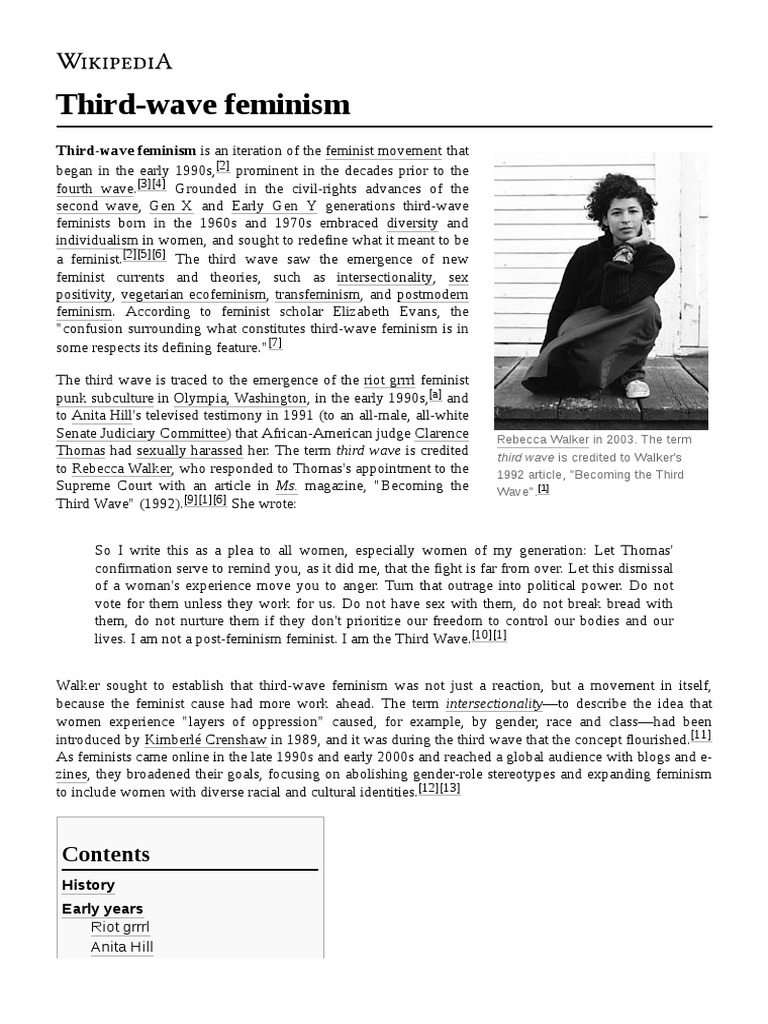
Enter intersectionality. Coined by Kimberlé Crenshaw, it posits that various forms of discrimination, such as racism, sexism, and classism, do not operate in isolation but are inextricably linked, creating unique and overlapping experiences of oppression. It is not merely about adding up different forms of discrimination; it’s about understanding how they interact and reinforce each other to create a distinct, compounded reality.
Intersectionality provides a crucial framework for understanding the complex interplay of power dynamics. It allows us to see how the intersection of race and gender, for example, can lead to a form of oppression that is qualitatively different from either racism or sexism alone. A Black woman does not experience racism and sexism as separate entities; she experiences them as a single, intertwined force that shapes every aspect of her life.
This perspective demands a radical shift in our thinking. No longer can we afford to treat feminism as a singular, unified movement. We must acknowledge the diversity of women’s experiences and tailor our strategies to address the specific challenges they face. It requires empathy and a willingness to listen to those whose voices have been historically marginalized. This is about more than just acknowledgment; it’s about dismantling the very systems that perpetuate these inequalities.
The Erasure of Black Women’s Contributions: A Historical Injustice
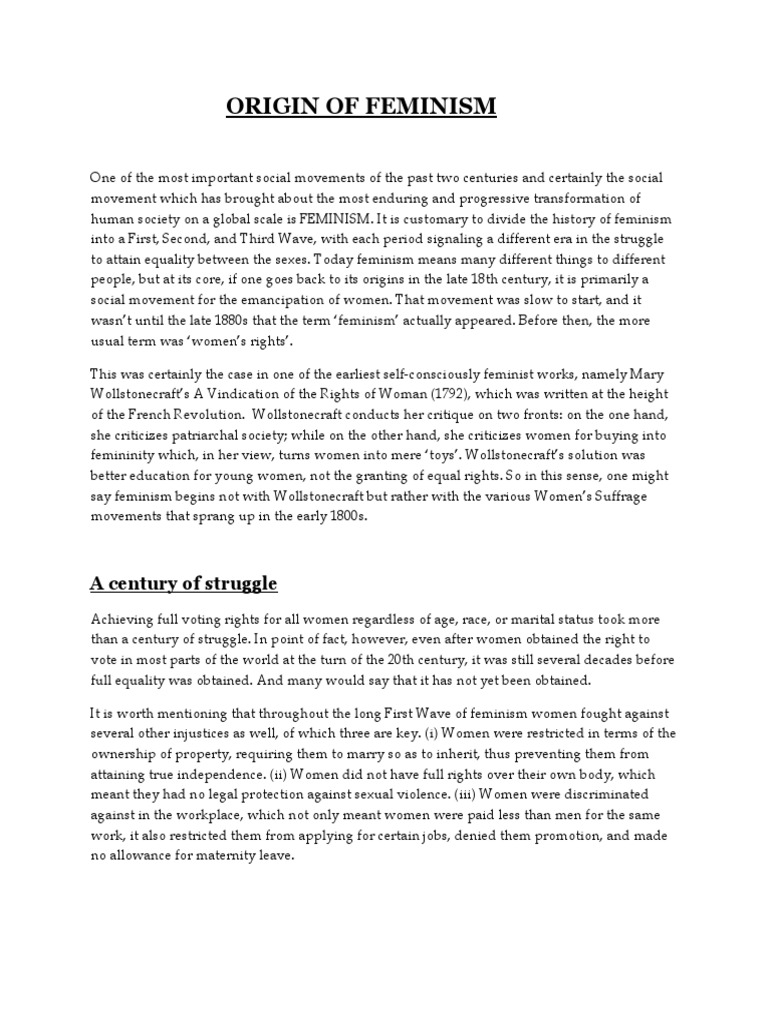
The history of feminism is rife with instances of Black women’s contributions being overlooked or outright erased. From the suffrage movement to the second-wave feminist movement, Black women have consistently fought for equality, often facing both sexism from within their own communities and racism from within the predominantly white feminist movement. This erasure is not accidental; it is a deliberate act of power, designed to maintain the dominance of white voices and perspectives. This is not a history to celebrate. It is a history to confront.
Think of Sojourner Truth, whose powerful speech, “Ain’t I a Woman?” challenged the prevailing notions of both womanhood and Black humanity. Or Ida B. Wells, a fearless journalist who documented the horrors of lynching and fought for racial justice. These women, and countless others, paved the way for future generations, yet their contributions are often relegated to footnotes in the larger narrative of feminism. This is unacceptable. It is a betrayal of our shared ideals.
We must actively work to reclaim and celebrate the contributions of Black women and other women of color who have been historically marginalized. We must rewrite the history of feminism to reflect the diversity of voices and experiences that have shaped the movement. It’s time for a re-evaluation. A re-centering. And a radical embrace of the truth.
White Feminism: A Perpetuation of Privilege, A Betrayal of Solidarity
The term “white feminism” is not meant to be a blanket condemnation of all white feminists. Rather, it is used to critique a particular strain of feminism that prioritizes the concerns of white, middle-class women while ignoring or downplaying the experiences of women of color and other marginalized groups. White feminism often operates under the assumption that what is good for white women is good for all women, a dangerous and ultimately harmful assumption. It reinforces existing power structures, rather than dismantling them. It’s time we name it for what it is: a hindrance to true liberation.
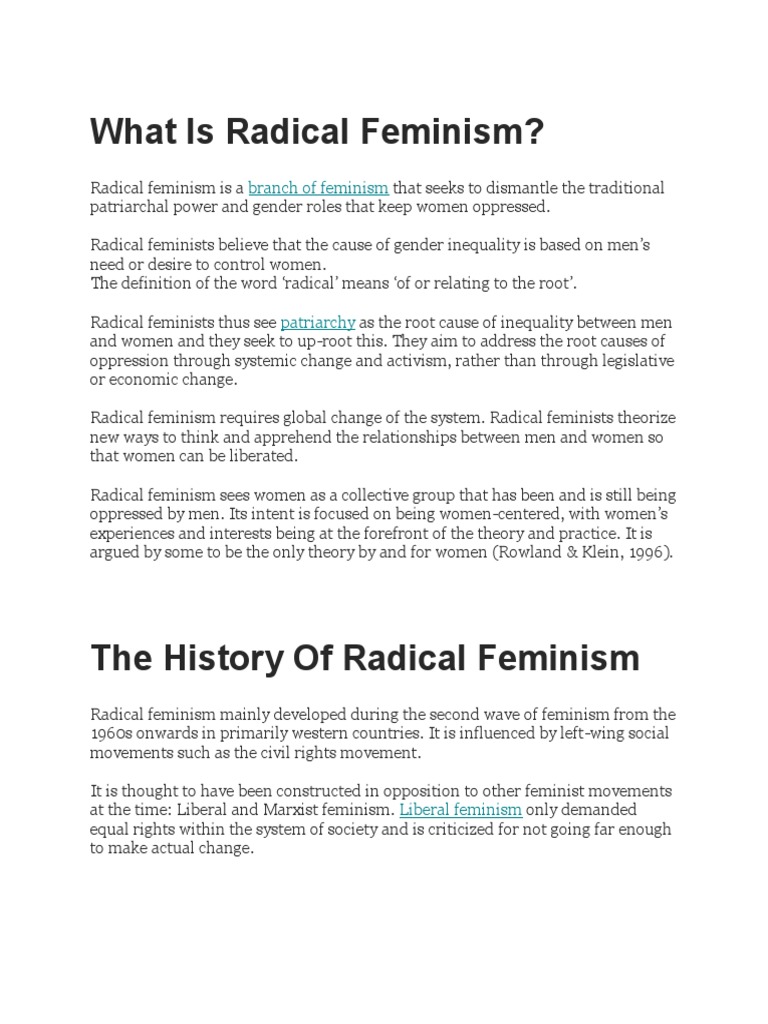
White feminism often focuses on issues such as equal pay and access to leadership positions in corporate America, while neglecting the more pressing concerns of women of color, such as police brutality, mass incarceration, and environmental racism. It is a feminism that is comfortable working within the existing system, rather than challenging its fundamental flaws. It seeks reform, not revolution. And that is simply not enough.
Furthermore, white feminism often appropriates the struggles of women of color for its own purposes, without acknowledging the unique context and history of their oppression. It uses the language of intersectionality without truly understanding its implications. It pays lip service to diversity while maintaining a homogenous power structure. We need an intersectional approach. Anything less is complicity.
Moving Forward: A Call to Action, A Path to Liberation
What, then, is the path forward? How do we build a truly intersectional feminist movement that centers the voices and experiences of all women? It requires a multi-pronged approach, one that addresses both individual biases and systemic inequalities.
First, we must listen to the voices of women of color. We must create spaces where they can share their experiences without being silenced or dismissed. We must amplify their voices and elevate their leadership. We need to create a platform for them. We must actively seek to understand their perspectives.
Second, we must challenge our own biases and assumptions. We must be willing to confront our own privilege and acknowledge the ways in which we may be perpetuating systems of oppression, even unintentionally. Self-reflection is a crucial tool in the fight against injustice. Do the inner work. Examine your prejudices. Be honest with yourselves.
Third, we must advocate for policies and practices that address the specific challenges faced by women of color. This includes policies that address racial disparities in education, healthcare, and the criminal justice system. It also includes policies that promote economic justice and environmental sustainability. Policy changes are the bedrock of lasting progress. Let’s demand them.
Finally, we must build solidarity across different groups of women. We must recognize that our struggles are interconnected and that we are stronger when we work together. We must forge alliances and support each other in the fight for justice. We are stronger together. We must act like it.
The fight for intersectional feminism is not easy. It requires courage, empathy, and a willingness to challenge the status quo. But it is a fight worth fighting. For it is only through intersectionality that we can truly achieve liberation for all women. Only through the unwavering pursuit of true equity can we hope to realize the promise of a just and equitable society.
So let us rise, sisters, and join hands. Let us tear down the walls of division and build a bridge to a more just and equitable future. The time for polite discourse is over. The time for action is now. Let the revolution begin.






Leave a Comment