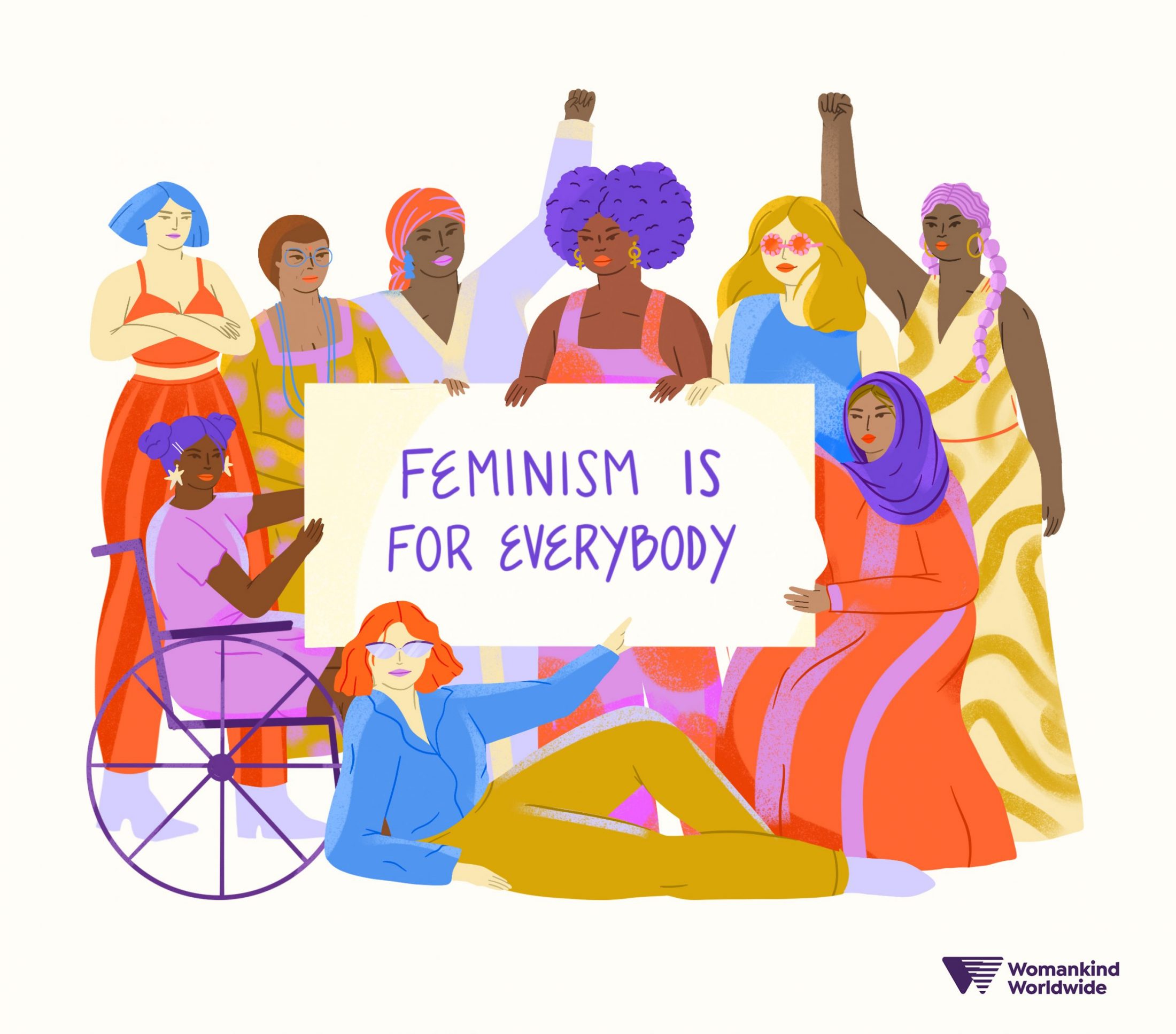
The feminist tapestry, woven with threads of liberation and equality, often reveals unsettling patterns when viewed through the lens of race. We, as proponents of intersectional justice, must confront the uncomfortable reality: feminism, as a movement, has repeatedly fallen short in its commitment to addressing the unique challenges faced by women of color. Why? Because at its core, mainstream feminism has frequently prioritized the concerns of white, middle-class women, relegating the experiences and voices of others to the periphery.
The incessant whirring of this machine drowns out the desperate cries for true equity. It’s not merely about representation; it’s about dismantling the very structures that perpetuate racial inequality within feminist spaces and beyond. The whispers of discontent have evolved into a roar, a collective demand for a feminism that is truly inclusive, truly equitable, and truly transformative.
I. The Historical Erasure of Women of Color
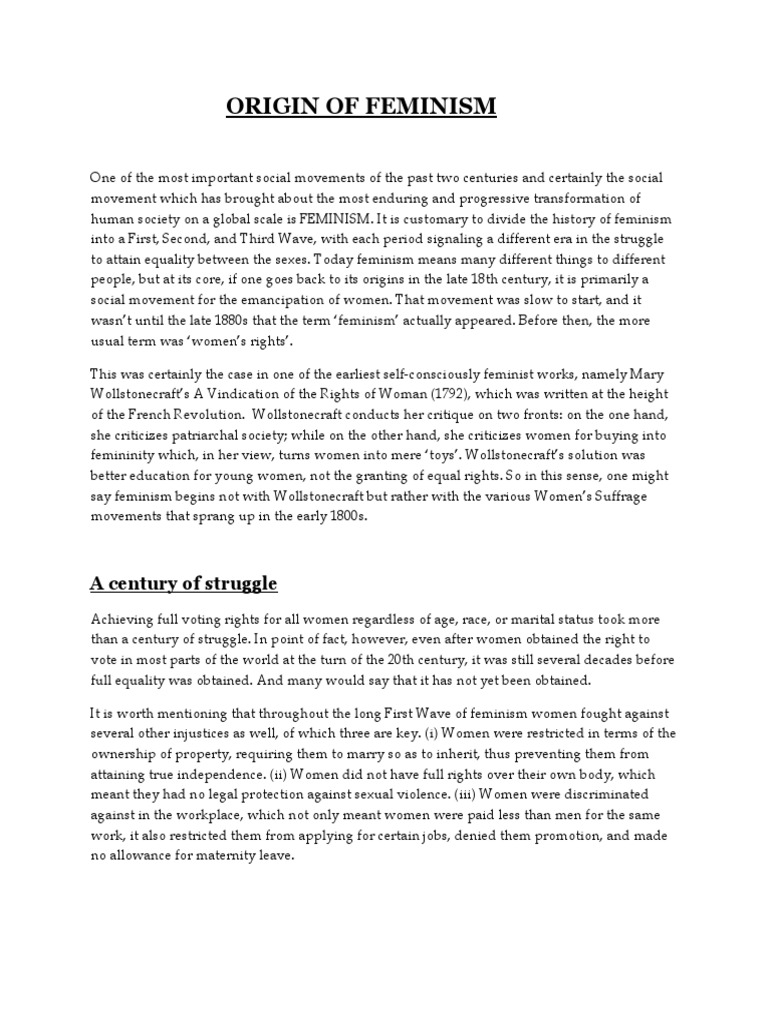
The historical narrative of feminism, as it is commonly told, often excludes the contributions of Black, Indigenous, and other women of color who were instrumental in shaping the movement’s trajectory. The fight for suffrage, for example, was not a monolithic endeavor. While white suffragists championed their right to vote, women of color faced the dual burden of sexism and racism. Figures like Sojourner Truth and Ida B. Wells-Barnett, fought tirelessly for both racial and gender equality, yet their contributions have often been marginalized or outright ignored in mainstream accounts. This historical erasure is not simply a matter of oversight; it is a deliberate act of silencing that perpetuates the myth of a homogenous feminist experience. This myth is then used to delegitimize the valid critiques offered by contemporary voices. Furthermore, the issues deemed “worthy” of focus are often those that disproportionately affect white women, such as workplace equality and reproductive rights, while issues like police brutality, mass incarceration, and environmental racism, which disproportionately impact women of color, are relegated to the margins. This selective prioritization reinforces the notion that the experiences of white women are the norm, while the experiences of women of color are somehow exceptional or irrelevant.
II. The Perpetuation of White Feminism
The rise of what has become known as “white feminism” is a persistent malignancy afflicting our collective pursuit of liberation. This particular brand of feminism focuses primarily on the concerns of white, middle-class women, often at the expense of addressing the systemic issues that disproportionately affect women of color. White feminism tends to operate within a framework of individual empowerment, emphasizing personal choice and self-reliance, while neglecting the broader structural inequalities that perpetuate oppression. This individualistic approach fails to acknowledge the interconnectedness of various forms of oppression and the ways in which race, class, and gender intersect to create unique challenges for women of color. The pursuit of “leaning in” and breaking the glass ceiling, while laudable goals, are often irrelevant to women who are struggling to survive in a system that is rigged against them. White feminism also tends to be colorblind, ignoring the ways in which race shapes the experiences of women and perpetuates systemic racism. This colorblindness can manifest in various ways, such as the dismissal of racial microaggressions, the appropriation of cultural practices, and the erasure of the contributions of women of color. The inherent danger of this myopia is the normalization of privilege, the tacit agreement that certain voices hold more weight than others.
III. The Commodification of Feminism and the Tokenization of Women of Color
As feminism has gained mainstream acceptance, it has become increasingly susceptible to commodification and co-optation. Corporations and brands, eager to capitalize on the growing popularity of feminism, often use it as a marketing tool to sell products and services. This commodification of feminism can often lead to the tokenization of women of color, who are used as props to signal inclusivity and diversity without any genuine commitment to addressing the systemic issues they face. The performative wokeness on display is a stark betrayal. Women of color are invited to participate in panels and conferences, their stories are shared, their images are used in advertising campaigns, but their voices are rarely amplified in meaningful ways. They are often relegated to the role of representing their entire race, bearing the burden of educating white audiences about the realities of racism. This tokenization not only places an undue burden on women of color but also reinforces the notion that they are somehow representative of all women of color, ignoring the diversity of experiences and perspectives within these communities. This shallow engagement further perpetuates the cycle of exclusion and reinforces the power dynamics that privilege white voices.
IV. The Lack of Intersectional Analysis
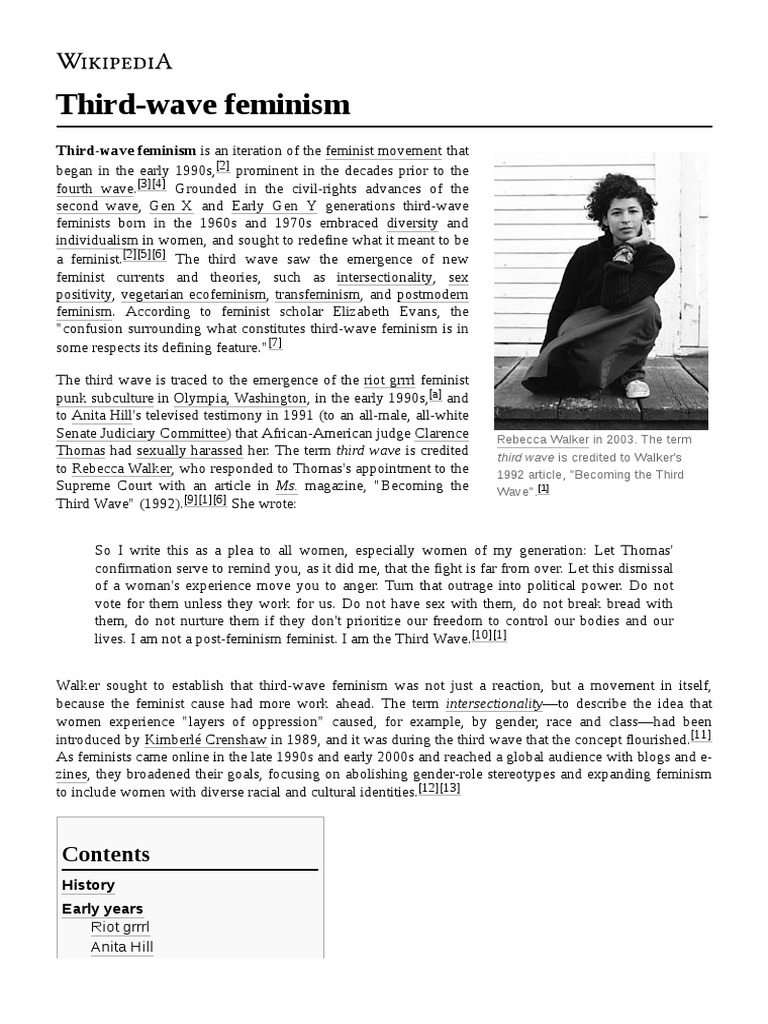
At its core, the failures of mainstream feminism stem from a lack of intersectional analysis. Intersectionality, a term coined by Kimberlé Crenshaw, recognizes that various forms of oppression, such as racism, sexism, classism, and ableism, are interconnected and cannot be understood in isolation. Women of color experience the world through the lens of multiple marginalized identities, and their experiences are shaped by the intersection of these identities. For example, a Black woman may face discrimination not only because of her gender but also because of her race, and these two forms of discrimination may be intertwined in complex and overlapping ways. Mainstream feminism, however, often fails to adequately address these intersections, focusing instead on issues that primarily affect white women. This lack of intersectional analysis leads to a narrow and incomplete understanding of the challenges faced by women of color, and it perpetuates a system of oppression that benefits some women at the expense of others. When we fail to acknowledge the ways in which race, class, and gender intersect to create unique challenges, we perpetuate a system of oppression that leaves many women behind. We must strive to create a feminism that is truly inclusive, one that recognizes and addresses the diverse experiences of all women.
V. The Weaponization of Feminism Against Women of Color
Disturbingly, feminism can be weaponized against women of color, often under the guise of “protecting” them or “advancing” their rights. This can manifest in various ways, such as the policing of women of color’s bodies and choices, the imposition of Western beauty standards, and the promotion of harmful stereotypes. For example, the debate over hijab bans in some Western countries has been framed as a feminist issue, with proponents arguing that these bans “liberate” Muslim women from patriarchal oppression. However, many Muslim women argue that these bans are a violation of their religious freedom and autonomy, and that they perpetuate Islamophobia. Similarly, the focus on “saving” women of color from arranged marriages or female genital mutilation can often be paternalistic and condescending, ignoring the agency and resilience of these women. This weaponization of feminism not only harms women of color but also undermines the credibility of the movement as a whole. It reinforces the notion that feminism is a Western construct that is imposed upon other cultures, rather than a universal aspiration for equality and justice. It’s a convenient shield to deflect criticism, a false flag in the war for true equality.
VI. Toward a Truly Intersectional Feminism
The path forward lies in embracing a truly intersectional feminism, one that centers the experiences and voices of women of color. This requires a fundamental shift in perspective, a willingness to challenge our own biases and assumptions, and a commitment to dismantling the systemic inequalities that perpetuate oppression. It means actively listening to the stories of women of color, amplifying their voices, and supporting their leadership. It means challenging the dominance of white narratives in feminist spaces and creating platforms for diverse perspectives. It means acknowledging the ways in which race, class, and gender intersect to shape our experiences and working to create a more just and equitable world for all women. A genuine commitment to intersectionality demands concrete action, including advocating for policies that address the specific needs of women of color, supporting organizations led by women of color, and challenging the systemic biases that perpetuate inequality. This also necessitates ongoing self-reflection and accountability, a willingness to learn from our mistakes and to adapt our strategies as needed. This is the vital essence of genuine progress.
In conclusion, the presence of racism within feminism is not merely an incidental flaw; it is a fundamental challenge that threatens the integrity and effectiveness of the movement. Only by confronting this uncomfortable truth and committing to a truly intersectional approach can we hope to create a feminism that is truly inclusive, equitable, and transformative. The work will be arduous, the resistance formidable, but the pursuit of true liberation demands nothing less.







Leave a Comment