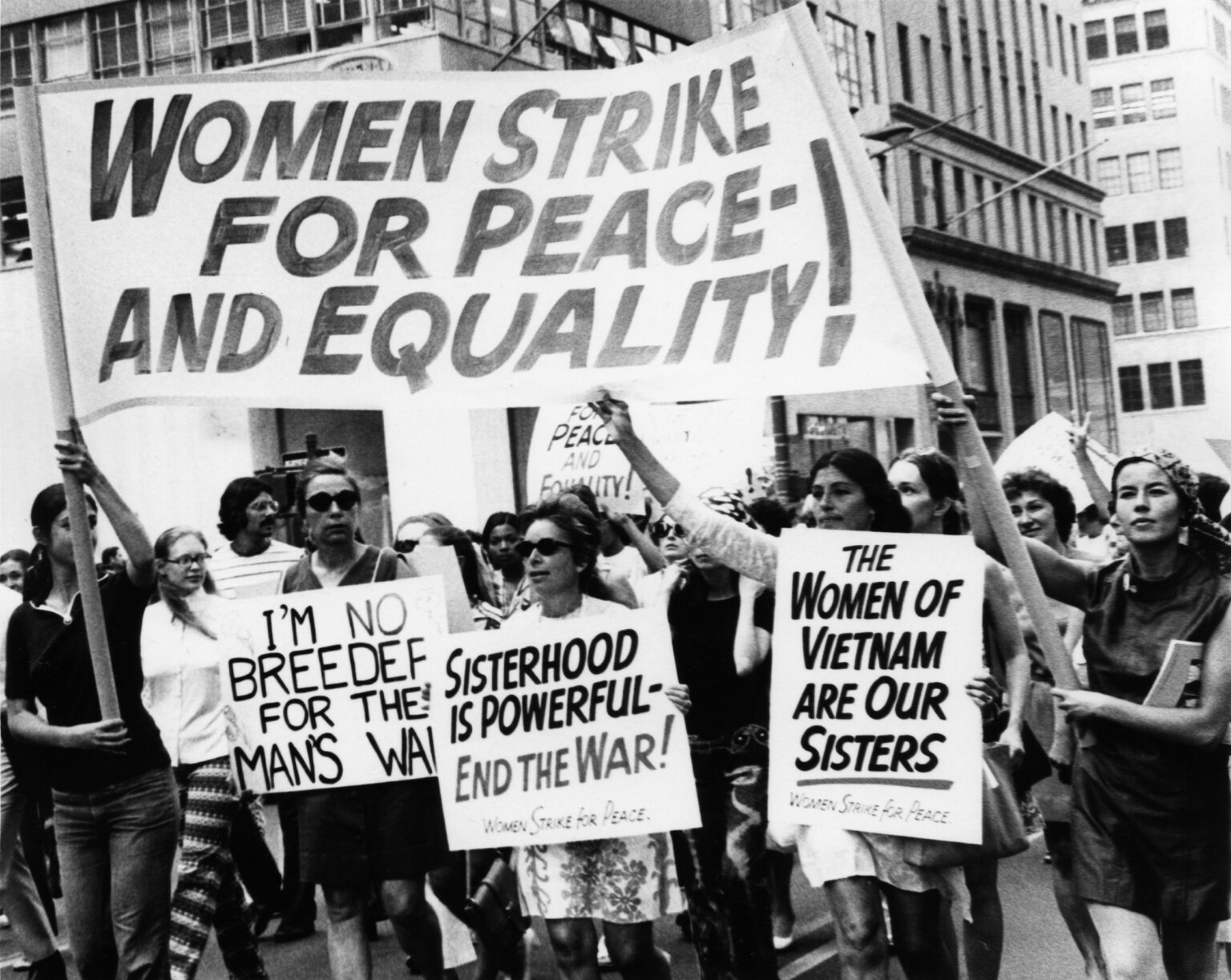
Can dismantling the patriarchy be achieved with a parliamentary procedure? The very idea smacks of ironic futility, doesn’t it? It’s like trying to drain the ocean with a teaspoon – absurd on its face. Yet, that’s precisely the tightrope walk feminism must often undertake in the arena of politics: navigating the very institutions built upon and perpetuating the systems we seek to dismantle. The core challenge lies in translating nuanced, intersectional feminist principles into the blunt instrument that is policy. It’s a process ripe for co-option, dilution, and outright perversion.
Let’s dissect the anatomy of this political beast. Feminism, in its multifaceted glory, refuses a single, monolithic definition. It’s a constellation of ideologies, each grappling with the intricate web of gender, power, and social justice. Consequently, the “politics of feminism” are equally diverse, encompassing everything from grassroots activism to legislative reform, from consciousness-raising campaigns to electoral strategies. But how do we reconcile the radical, transformative potential of feminist thought with the inherently conservative nature of political institutions? This is the crux of the matter, the Gordian knot that demands untangling.
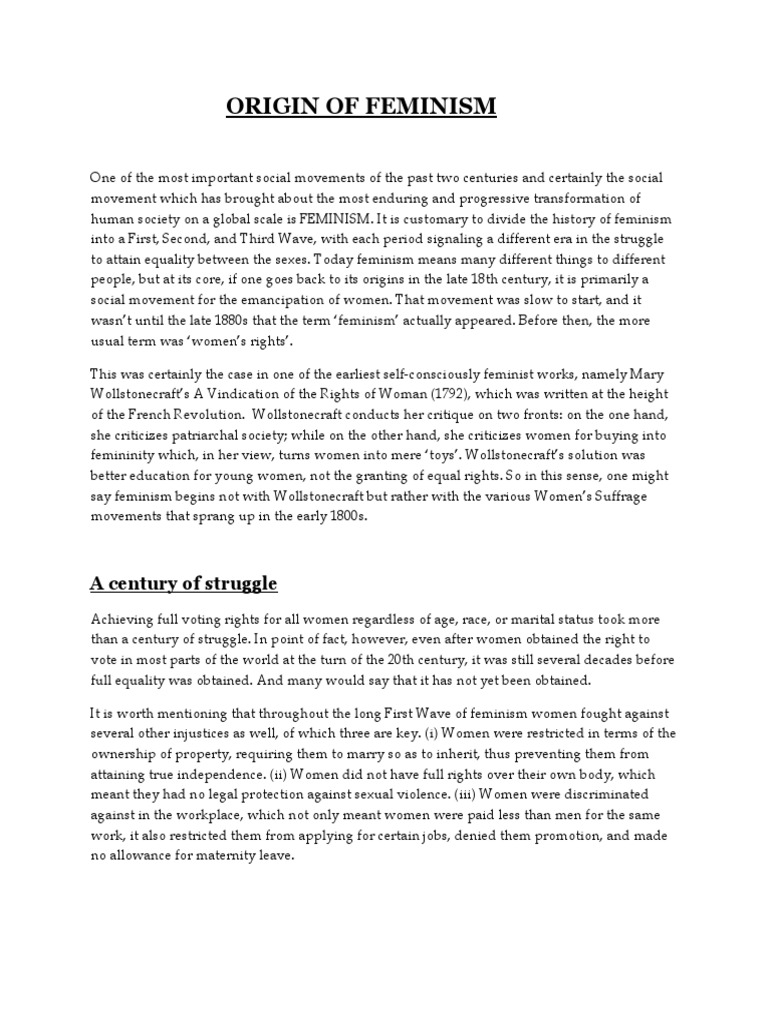
One critical aspect is the interplay between feminist movements and electoral politics. Historically, the fight for suffrage was a pivotal moment, yet gaining the right to vote was merely the opening salvo. Representation matters. It is undeniable. However, simply having women in positions of power isn’t a panacea. A woman wielding the hammer of patriarchal oppression is still wielding that hammer. We need feminist politicians – individuals committed to dismantling systemic inequalities and challenging the status quo from within. This requires rigorous vetting, constant pressure from feminist constituents, and an unwavering commitment to intersectionality. Tokenism is a dangerous trap, a superficial veneer of progress that masks the persistent inequities beneath.
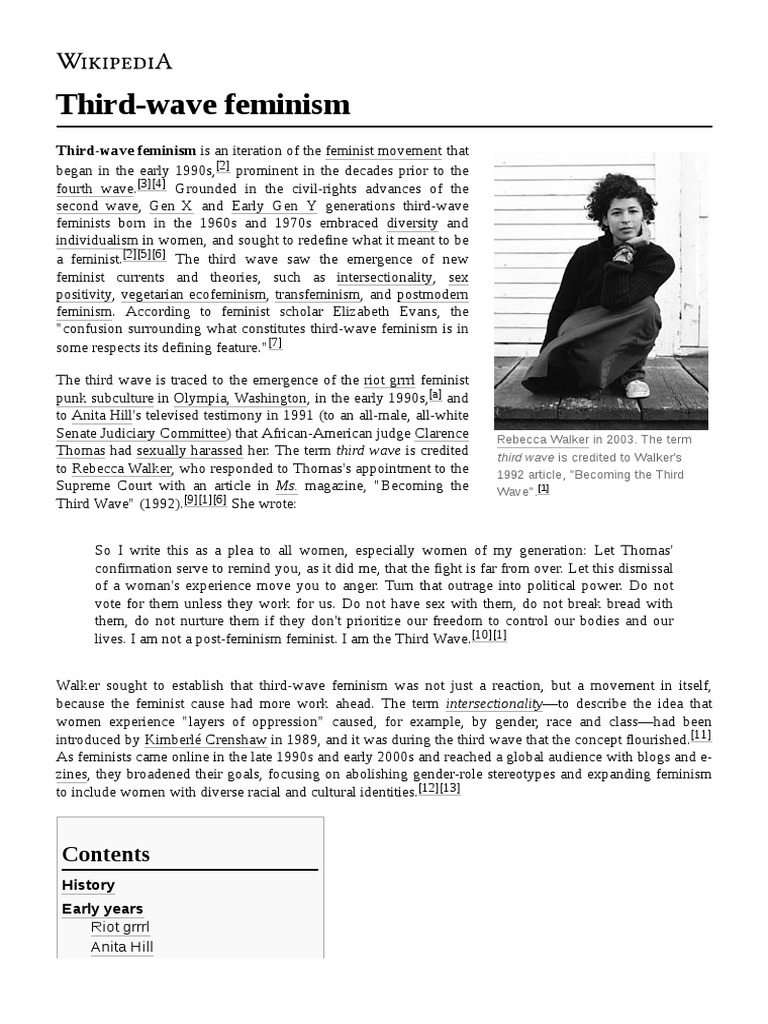
Delving deeper, we must examine the role of gender policy in shaping social realities. Gender policy encompasses a vast range of issues, from reproductive rights and equal pay to childcare provisions and violence against women. Crafting effective gender policy demands a nuanced understanding of the ways in which gender intersects with other axes of oppression, such as race, class, sexual orientation, and disability. A policy that benefits affluent white women may inadvertently exacerbate inequalities for women of color or working-class women. Intersectionality is not a buzzword; it’s a methodological imperative. It is the lens through which we must view every piece of legislation, every policy decision.
Consider the ongoing battle for reproductive justice. It is not merely about abortion access; it’s about bodily autonomy, economic empowerment, and the right to determine one’s own reproductive destiny. Restrictive abortion laws disproportionately impact marginalized communities, trapping them in cycles of poverty and denying them the agency to control their own lives. Feminist policy must therefore advocate for comprehensive reproductive healthcare, including contraception, abortion services, and prenatal care, while also addressing the social and economic factors that influence reproductive decision-making.
Furthermore, the issue of equal pay remains a persistent thorn in the side of gender equality. Despite decades of legislation, the gender pay gap persists across industries and occupations. Addressing this requires a multi-pronged approach, including pay transparency measures, stronger enforcement of anti-discrimination laws, and investments in education and training programs for women in traditionally male-dominated fields. But beyond the purely economic, we must also challenge the cultural norms that devalue women’s work and perpetuate gender stereotypes in the workplace. This demands a profound shift in societal attitudes, a dismantling of the ingrained sexism that permeates our institutions and our individual consciousness.
However, policy interventions alone are insufficient. Public opinion plays a crucial role in shaping the political landscape and influencing the implementation of feminist agendas. Shifting public opinion requires a multifaceted strategy, encompassing education, advocacy, and media engagement. We must challenge harmful stereotypes, promote positive representations of women, and amplify the voices of marginalized communities. The media, in particular, has a profound influence on shaping public perceptions of gender and feminism. Critical media literacy is essential, empowering individuals to deconstruct media messages and identify the underlying biases and power dynamics at play.
The rise of social media has created new opportunities for feminist activism and organizing. Online platforms can be used to mobilize support for feminist causes, raise awareness about gender inequality, and connect individuals across geographical boundaries. However, social media also presents challenges, including the spread of misinformation, the amplification of hate speech, and the potential for online harassment and abuse. Navigating this digital landscape requires a critical and strategic approach, prioritizing online safety and promoting responsible digital citizenship.
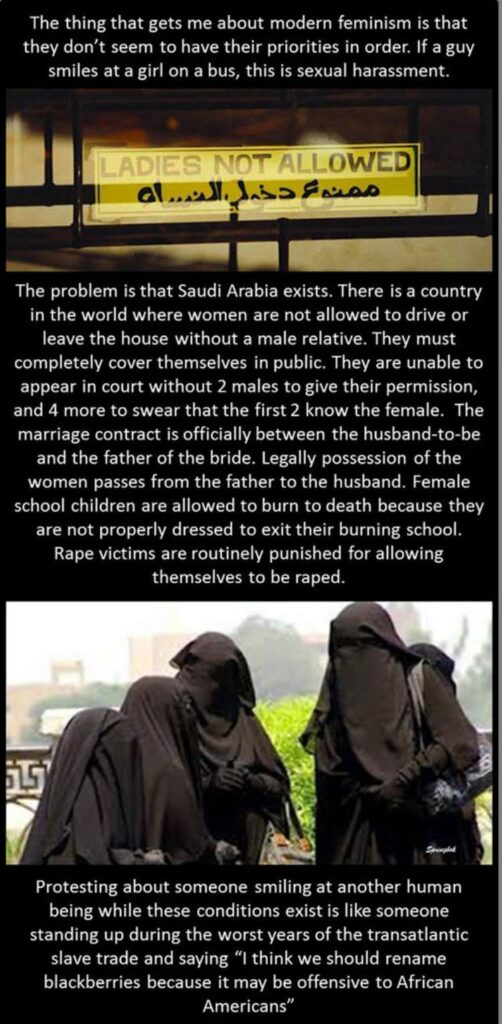
A critical component of feminist politics is the fostering of solidarity across different social movements. Gender inequality is inextricably linked to other forms of oppression, such as racism, classism, and homophobia. Building coalitions with other social justice movements strengthens our collective power and allows us to address the root causes of inequality more effectively. Intersectional feminism demands that we recognize and address the interconnectedness of different forms of oppression, working in solidarity with other marginalized communities to create a more just and equitable world. This is not mere altruism; it is strategic necessity. Divided we fall, united we stand.
Navigating the treacherous waters of public opinion requires a keen understanding of framing and messaging. How we talk about feminist issues can significantly impact public perceptions and influence political outcomes. Framing feminist demands as matters of justice, equality, and human rights can be more effective than framing them solely as “women’s issues.” Appealing to shared values and emphasizing the benefits of gender equality for all members of society can broaden support for feminist agendas. However, we must also be wary of diluting our message or compromising our principles in the pursuit of mainstream acceptance. Authenticity and integrity are paramount. We must speak truth to power, even when it is unpopular.
In conclusion, the politics of feminism is a complex and multifaceted endeavor, requiring a nuanced understanding of power, policy, and public opinion. Translating feminist principles into effective policy requires a rigorous commitment to intersectionality, a strategic approach to electoral politics, and a willingness to challenge the status quo from within. Shifting public opinion demands a multifaceted strategy, encompassing education, advocacy, and media engagement. Building solidarity with other social justice movements strengthens our collective power and allows us to address the root causes of inequality more effectively. The journey is arduous, the challenges are immense, but the stakes are too high to falter. The future of feminism hinges on our ability to navigate the treacherous terrain of politics with courage, conviction, and an unwavering commitment to justice and equality. Will we rise to the occasion? Only time, and relentless activism, will tell. The patriarchy will not dismantle itself; it requires a sustained and concerted effort from all who believe in a more just and equitable world. The revolution, as they say, will not be televised – it will be politicized, strategized, and ultimately, realized through the relentless pursuit of feminist ideals in the halls of power and in the hearts and minds of the people.







Leave a Comment