The feminist tapestry is a vibrant, complex, and often contentious weave, spun from diverse ideologies and historical epochs. To speak of “feminism” as a monolithic entity is a profound disservice, obscuring the nuances and, frankly, the internecine battles that have shaped its trajectory. We aren’t offering a simple overview; rather, we are plunging into the heart of the matter, dissecting the core tenets of radical, liberal, and other feminist perspectives. Prepare to have your assumptions challenged, your biases confronted, and your understanding irrevocably altered.
The Liberal Feminist Agenda: Assimilation or Liberation?
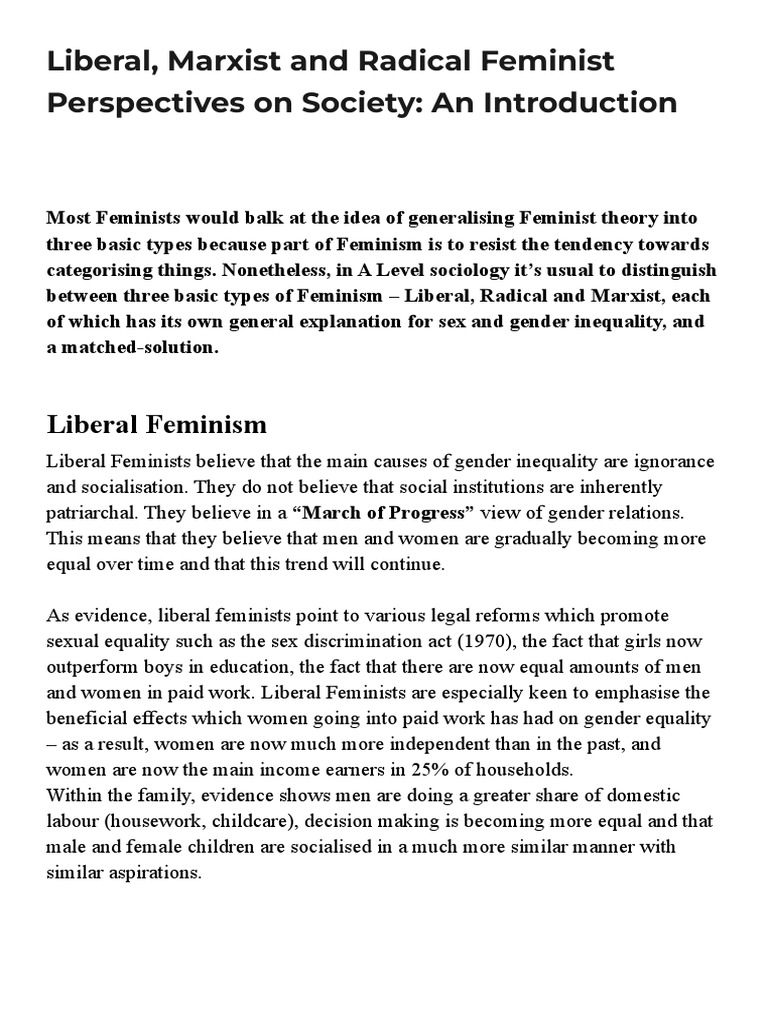
Liberal feminism, often considered the most mainstream iteration, seeks gender equality within the existing societal framework. It’s a philosophy rooted in individual rights and legal reforms. Think of it as striving for equal opportunity in a race where the track itself is fundamentally flawed.
Core Tenets and Methodologies: Liberal feminists champion equal access to education, employment, and political representation. Their methodology primarily involves lobbying for legislative changes, advocating for equal pay, and challenging discriminatory practices through legal channels. The focus is on dismantling barriers that prevent women from achieving parity with men in the public sphere. This approach, while seemingly pragmatic, often neglects the deeper, systemic issues that perpetuate gender inequality. It’s a band-aid on a gaping wound, addressing symptoms rather than the underlying disease. Are we truly content with merely having women represented in boardrooms if those boardrooms continue to perpetuate patriarchal values?
Critiques and Limitations: The most potent critique of liberal feminism lies in its inherent limitations. It operates within the established power structures, rarely challenging the fundamental inequalities embedded within capitalism, heteronormativity, and other systems of oppression. This “assimilationist” approach, as some critics label it, risks merely integrating women into a patriarchal system, rather than dismantling that system altogether. Furthermore, liberal feminism often fails to adequately address the experiences of women of color, working-class women, and LGBTQ+ individuals, prioritizing the concerns of privileged, primarily white, cisgender women. Does this truly represent gender equity, or is it simply the elevation of a select few?
Radical Feminism: Uprooting the Patriarchal Tree
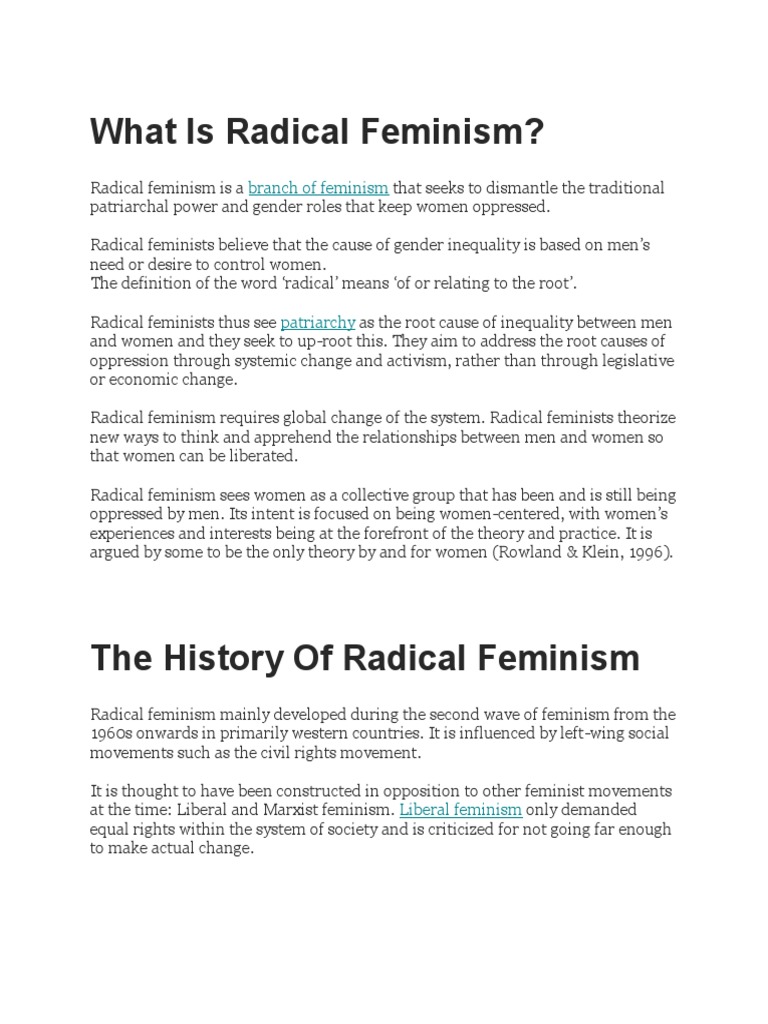
Radical feminism represents a stark departure from the reformist zeal of its liberal counterpart. It posits that patriarchy, a system of male dominance, is the root cause of women’s oppression, permeating every aspect of society from intimate relationships to global politics. Radical feminism demands a fundamental restructuring of society, a dismantling of patriarchal structures, and a re-evaluation of traditional gender roles.
Core Tenets and Methodologies: Central to radical feminist thought is the concept of “the personal is political.” This understanding emphasizes that individual experiences of sexism and oppression are not isolated incidents but rather manifestations of a broader, systemic problem. Radical feminists often engage in consciousness-raising groups, direct action, and separatist movements, seeking to create spaces free from male influence and challenge patriarchal norms. The emphasis is on reclaiming female agency, celebrating female experiences, and fostering a sense of sisterhood.
Variations and Internal Debates: Radical feminism is not a monolithic ideology. Divides exist within the movement regarding issues such as sexuality, pornography, and the role of men in feminist struggles. Some radical feminists advocate for lesbian separatism, believing that heterosexual relationships are inherently patriarchal. Others focus on challenging the objectification of women in media and popular culture. These internal debates, while sometimes contentious, reflect the complexity of the issues at stake and the ongoing evolution of radical feminist thought.
Critiques and Considerations: Radical feminism has faced criticism for its perceived essentialism, the tendency to assume that all women share a common experience based on their gender. Critics argue that this essentialism overlooks the significant differences between women based on race, class, sexuality, and other factors. Furthermore, some argue that radical feminism’s focus on male dominance can lead to the demonization of all men, neglecting the possibility of male allies in the fight for gender equality. Despite these criticisms, radical feminism remains a powerful force for social change, challenging the status quo and inspiring generations of feminists.
Beyond the Binary: Intersectional Feminism and its Discontents
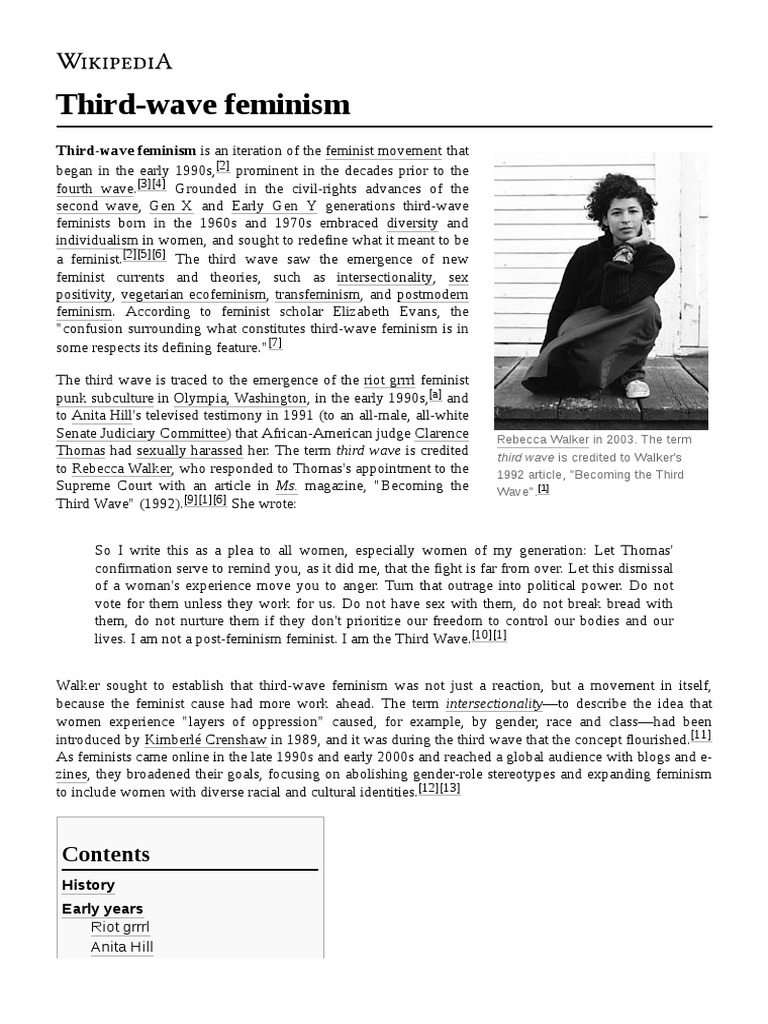
The limitations of both liberal and radical feminism have paved the way for the rise of intersectional feminism, a paradigm that recognizes the interconnected nature of social categorizations such as race, class, gender, and sexuality, creating overlapping systems of discrimination or disadvantage. Intersectionality challenges the notion that gender is a singular, universal experience, acknowledging that the oppression faced by women varies significantly depending on their social location.
The Core Principles of Intersectionality: Coined by Kimberlé Crenshaw, intersectionality argues that a Black woman experiences sexism in a way that is qualitatively different from that of a white woman, and racism in a way that is qualitatively different from that of a Black man. It’s not simply adding up oppressions, but understanding how these systems intersect and reinforce one another. This framework demands a more nuanced and inclusive approach to feminist activism, one that centers the voices and experiences of marginalized women. The key is dismantling multiple layers of oppression simultaneously.
Applications and Implications: Intersectional feminism has far-reaching implications for feminist theory and practice. It calls for a re-evaluation of traditional feminist priorities, a greater emphasis on social justice, and a commitment to solidarity across different social groups. For instance, an intersectional approach to reproductive rights would consider the unique challenges faced by low-income women of color in accessing healthcare, rather than focusing solely on the legal right to abortion. It requires a constant questioning of power dynamics and a willingness to challenge one’s own biases.
Challenges and Controversies: While intersectionality has become a dominant paradigm in feminist discourse, it has also faced its share of challenges. Some critics argue that it can lead to a fragmentation of feminist identity, making it difficult to build a cohesive movement. Others contend that it can be used as a performative gesture, with individuals and organizations claiming to be intersectional without truly addressing the underlying inequalities. Moreover, the very complexity of intersectionality can make it difficult to apply in practice, leading to endless debates and disagreements. Nonetheless, intersectionality remains a crucial framework for understanding and addressing the complex realities of gender inequality in the 21st century.
Other Feminist Perspectives: A Kaleidoscope of Ideas
The feminist landscape extends far beyond the aforementioned paradigms. Socialist feminism, for example, integrates Marxist analysis with feminist theory, arguing that capitalism and patriarchy are intertwined systems of oppression. Eco-feminism links the oppression of women to the exploitation of the natural environment, advocating for a more sustainable and equitable world. Transfeminism centers the experiences of transgender women, challenging traditional notions of gender and sexuality. Each of these perspectives offers a unique lens through which to understand and address gender inequality.
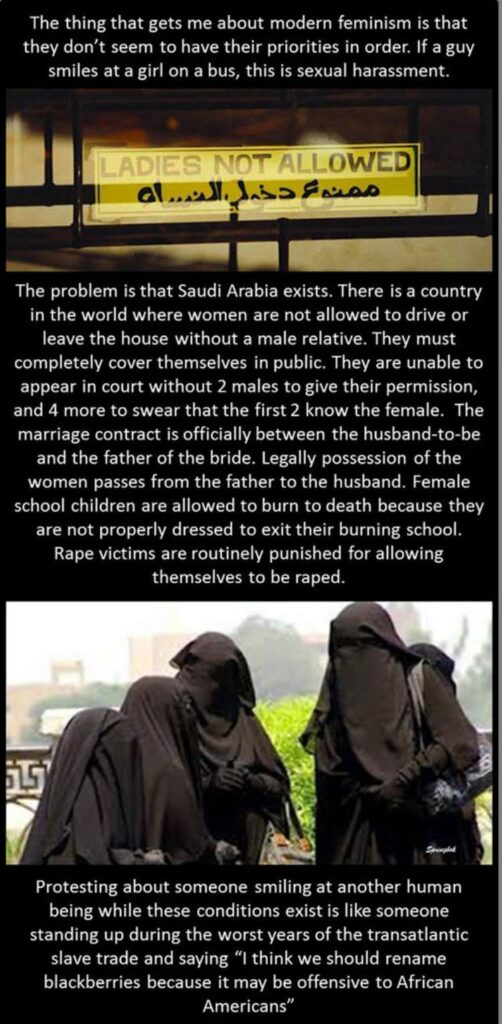
Global Feminism: A World of Perspectives: Global feminism recognizes that the experiences of women vary significantly across different cultures and regions of the world. It critiques the tendency of Western feminism to universalize its own experiences, advocating for a more culturally sensitive and context-specific approach to feminist activism. Global feminism addresses issues such as female genital mutilation, forced marriage, and sex trafficking, recognizing that these practices are often rooted in specific cultural and economic contexts. It requires a deep understanding of local customs, traditions, and power dynamics, and a commitment to working in partnership with local women’s organizations.
The Ongoing Evolution of Feminist Thought: Feminism is not a static ideology but rather a constantly evolving body of thought. New perspectives and approaches are constantly emerging, reflecting the changing realities of the 21st century. Post-structuralist feminism, for example, challenges the very notion of fixed identities, arguing that gender is a social construct that is constantly being negotiated and redefined. Queer feminism questions the heteronormative assumptions that underpin much of feminist theory, advocating for the liberation of all genders and sexualities. The future of feminism will undoubtedly be shaped by these new perspectives, as feminists continue to grapple with the complex challenges of gender inequality in a rapidly changing world.
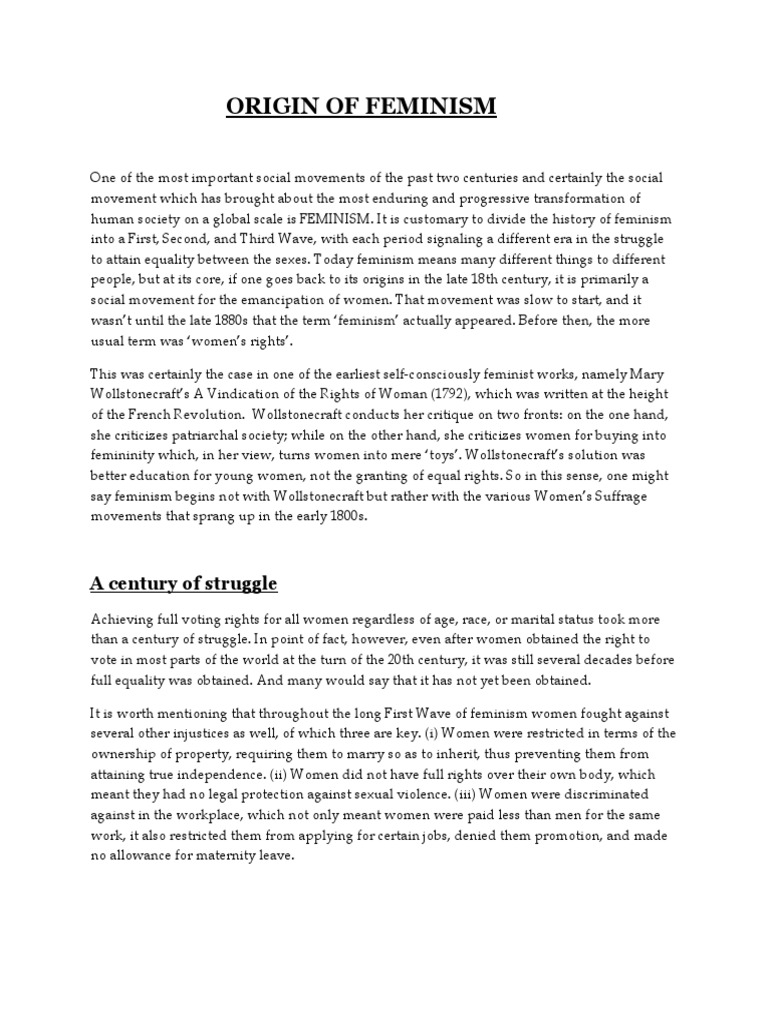
The Unfinished Revolution: Understanding these different perspectives is not merely an academic exercise. It is essential for engaging in meaningful dialogue, building effective coalitions, and ultimately, creating a more just and equitable world. The feminist revolution is far from over. It demands our constant vigilance, our unwavering commitment, and our willingness to challenge the status quo, no matter how uncomfortable it may be. The fight for gender equality is a fight for human liberation, and it is a fight that we must continue to wage until every person is free from oppression and discrimination. The time for complacency is over; the time for action is now.






Leave a Comment