
Has feminism, that firebrand movement for equality, dared to overstep its bounds? Has it morphed from a noble quest for justice into something…else? This, my friends, is the question whispered in hushed tones, debated in furious online forums, and ultimately, the existential query that haunts the modern feminist landscape. Prepare yourselves, because we’re about to dive headfirst into the maelstrom.
The Allegations: A Litany of Grievances
Let’s begin by airing the dirty laundry, shall we? The criticisms levied against contemporary feminism are myriad, a cacophony of voices rising in dissent. First and foremost, we have the accusation of misandry, the alleged hatred of men. Critics argue that some feminist factions, particularly within online spaces, promote a narrative that demonizes masculinity and paints men as inherently oppressive. Is this a fair assessment, or a gross exaggeration? The answer, predictably, is nuanced.
Then there’s the concept of toxic femininity, a term born in the wake of its more established counterpart. It suggests that women, too, can perpetuate harmful social norms and exhibit behaviors that undermine other women or uphold patriarchal structures. Internalized misogyny, cattiness, and the relentless pursuit of perfection are often cited as examples. Is feminism adequately addressing these issues within its own ranks?
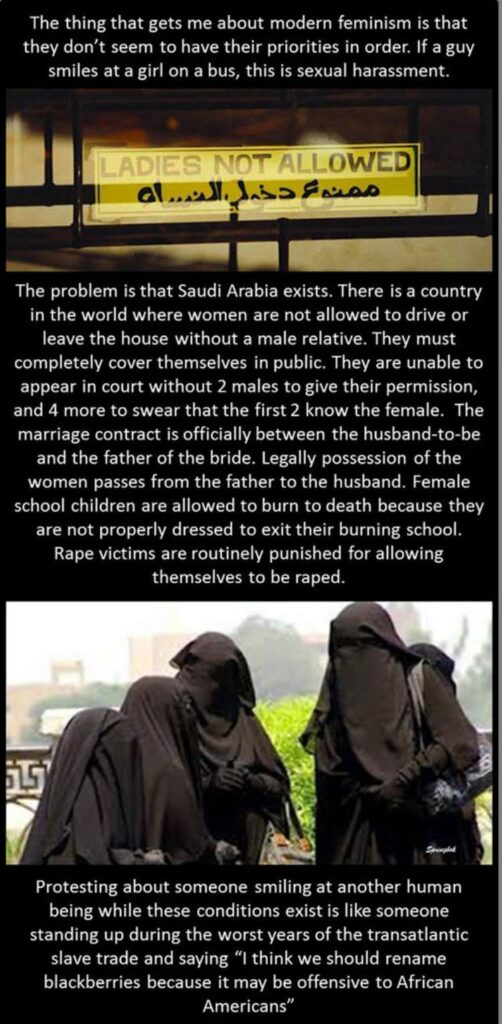
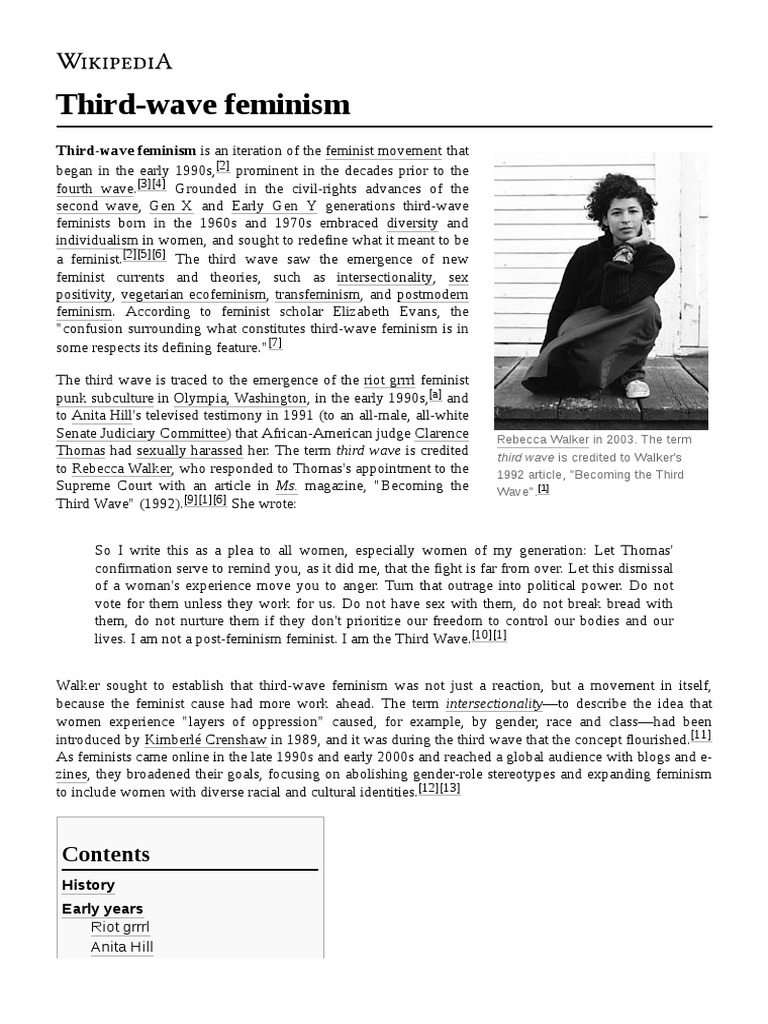
Another point of contention revolves around the alleged prioritization of certain feminist causes over others. Some argue that mainstream feminism tends to focus on the concerns of privileged, Western women, while neglecting the struggles of women of color, working-class women, and women in the Global South. This critique of intersectionality’s shortcomings strikes at the heart of feminism’s commitment to inclusivity.
Furthermore, the perceived overreach of trigger warnings, safe spaces, and call-out culture has drawn ire from those who believe these practices stifle free speech and critical debate. Is the pursuit of inclusivity sometimes inadvertently creating an echo chamber?
Finally, the increasing polarization of the gender wars is a constant cause of concern. Are we becoming so entrenched in our respective ideological bunkers that meaningful dialogue becomes impossible?
The Defense: Reclaiming the Narrative
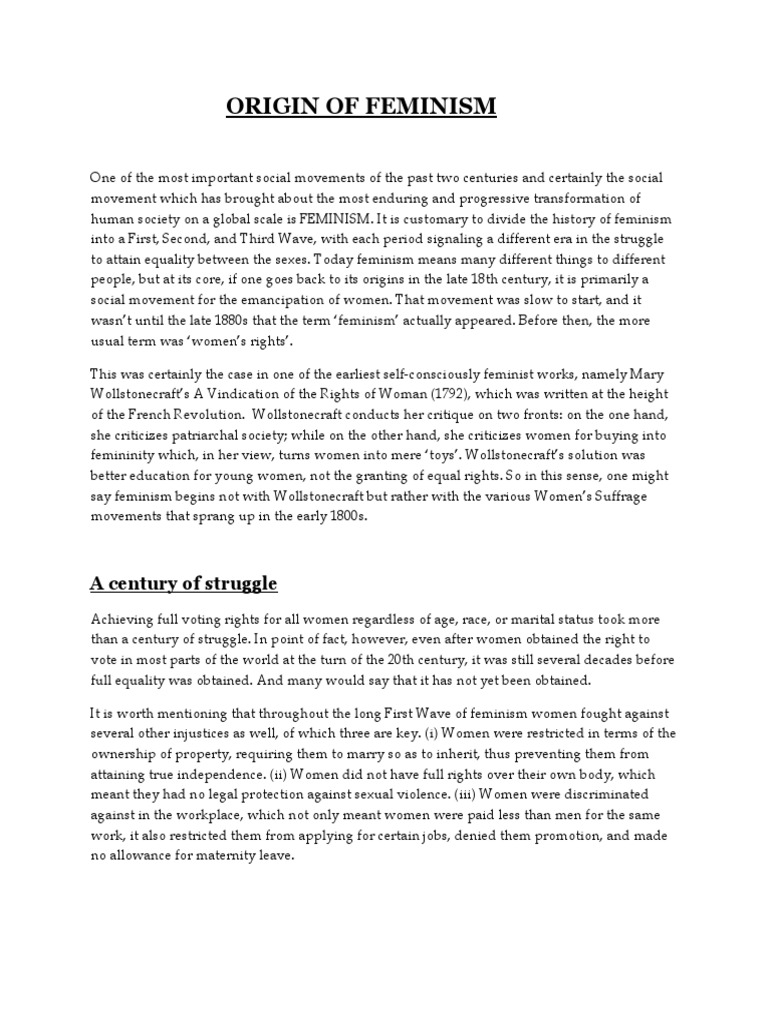
Now, let’s flip the script. To dismiss feminism as having “gone too far” is to fundamentally misunderstand its ever-evolving nature and its enduring purpose. Feminism, at its core, is about achieving gender equality, a concept that remains stubbornly elusive in many spheres of life. The persistent gender pay gap, the underrepresentation of women in leadership positions, the pervasive problem of sexual harassment and assault – these are not relics of the past; they are present-day realities that demand our unwavering attention.
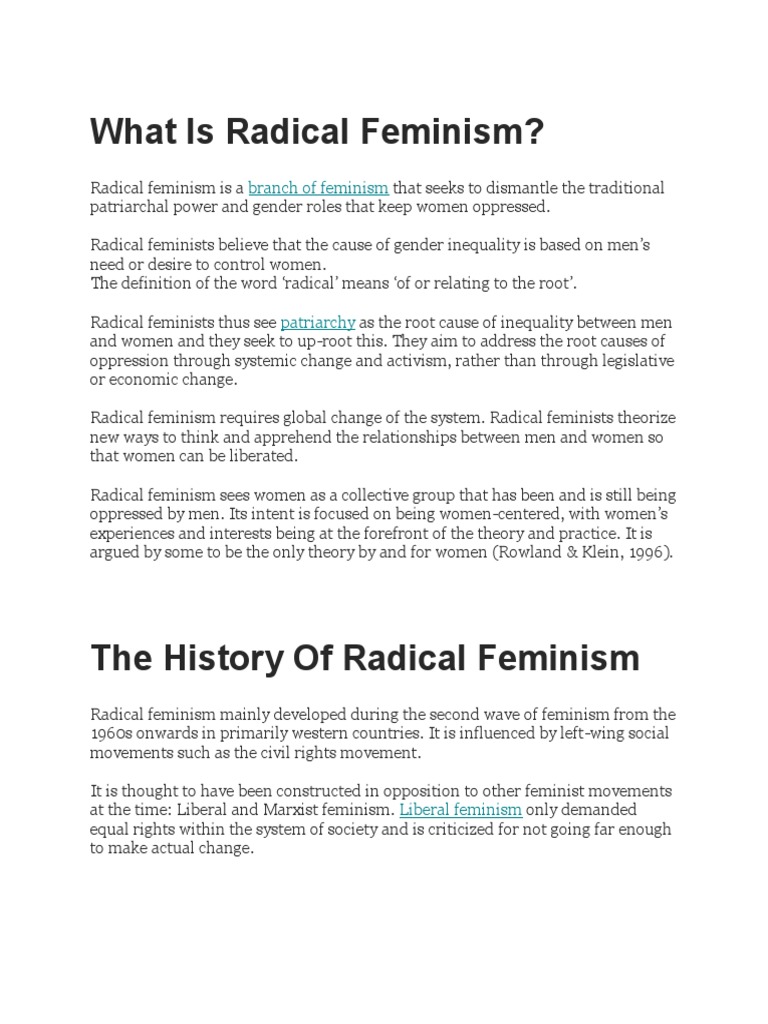
The accusations of misandry, while not entirely unfounded in isolated instances, are often wielded as a rhetorical bludgeon to silence legitimate critiques of patriarchal structures. Criticizing the system is not equivalent to hating the individuals who benefit from it. It is about dismantling harmful power dynamics that affect everyone, regardless of gender. To conflate these two is a deliberate obfuscation of the issues at hand.
Addressing toxic femininity is not an abandonment of feminist principles, but rather a necessary step in our collective journey toward liberation. Recognizing the ways in which women can perpetuate harmful norms is essential for dismantling the internalized oppression that holds us back. It’s about holding each other accountable, not tearing each other down.
The critique of mainstream feminism’s shortcomings in terms of intersectionality is valid and demands ongoing self-reflection. However, it is important to acknowledge the progress that has been made in recent years. The rise of intersectional feminism has brought greater awareness to the diverse experiences of women and has challenged the dominance of a singular, homogenous narrative. There is still much work to be done, but the conversation is shifting.
The use of trigger warnings and safe spaces, while sometimes criticized for being overly sensitive, are intended to create environments where marginalized individuals can feel safe and supported. These practices are not about stifling free speech; they are about fostering inclusivity and ensuring that everyone has the opportunity to participate in the conversation. Furthermore, the oft-maligned “call-out culture” serves a function. It holds individuals and institutions accountable for harmful behavior, forcing them to confront their biases and make amends.
Finally, the polarization of the gender wars is a symptom of a deeper societal malaise. We live in a world where nuance is often sacrificed at the altar of ideological purity. Building bridges across the divide requires empathy, active listening, and a willingness to engage in uncomfortable conversations. It requires recognizing that our shared humanity transcends our political differences.
The Nuance: Navigating the Gray Areas
The truth, as always, lies somewhere in the vast and murky gray area between these two extremes. Feminism is not a monolithic entity; it is a complex and multifaceted movement with a wide range of perspectives and approaches. To paint it with a broad brush, either as an unassailable force for good or as a dangerous ideology run amok, is a gross oversimplification.
It is crucial to acknowledge that feminism, like any social movement, is susceptible to its own internal contradictions and blind spots. There are instances where individual feminists engage in behaviors that are counterproductive, harmful, or even hypocritical. These instances should be called out and addressed, not used as ammunition to discredit the entire movement. Constructive criticism is essential for growth and progress.
Furthermore, it is important to recognize that the concept of “going too far” is subjective and context-dependent. What might be considered radical or extreme in one society or time period may be seen as perfectly reasonable in another. The boundaries of what is acceptable and what is not are constantly shifting, and feminism plays a crucial role in pushing those boundaries forward.
The key, then, is to engage in critical and nuanced thinking. To question assumptions, challenge orthodoxies, and listen to diverse perspectives. To avoid the trap of binary thinking and embrace the complexities of the human experience. To recognize that feminism is not a destination, but a journey – a continuous process of learning, evolving, and striving for a more just and equitable world.
The Path Forward: A Call to Action
So, has feminism gone too far? The answer, I hope, is a resounding no. Not because feminism is perfect or infallible, but because the work is far from over. The fight for gender equality is a marathon, not a sprint, and we have a long way to go before we reach the finish line.
We must continue to challenge the structures and systems that perpetuate gender inequality, both overt and subtle. We must amplify the voices of marginalized women and ensure that their experiences are heard and valued. We must hold ourselves and each other accountable for our actions and strive to create a more inclusive and equitable feminist movement.
But most importantly, we must engage in dialogue with those who disagree with us. We must seek to understand their perspectives, even when they are difficult or uncomfortable. We must build bridges across the ideological divide and work together to find common ground. Because ultimately, the pursuit of gender equality is not a zero-sum game. It is a win-win situation for everyone.
The question, then, is not whether feminism has gone too far, but whether we are willing to go far enough. Are we willing to challenge the status quo, to disrupt the power dynamics, to risk the discomfort of change? Are we willing to embrace the complexities and contradictions of feminism and work together to create a better world for all?
The answer, my friends, lies within each and every one of us.







Leave a Comment