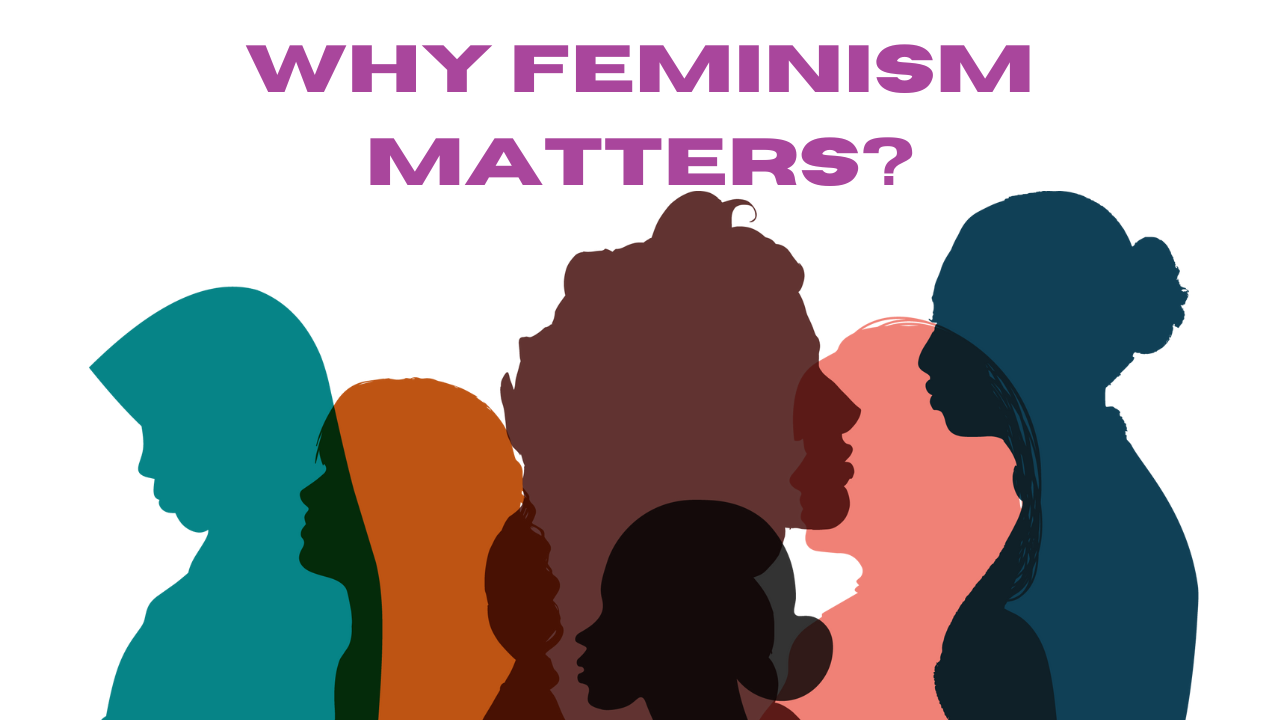
The query, “What is the opposite of feminism?” feels akin to asking, “What is the antithesis of breathing?” It is a question that burrows deep into the bedrock of societal structures, prompting a re-evaluation of fundamental human rights and the very essence of equality. The answer, however evasive or multi-faceted, holds a mirror to our biases, our ingrained prejudices, and the often-unacknowledged power dynamics that still dictate the trajectory of countless lives. Let us delve into this labyrinthine inquiry, not to definitively label an “opposite,” but to illuminate the shadows that feminism seeks to dispel.
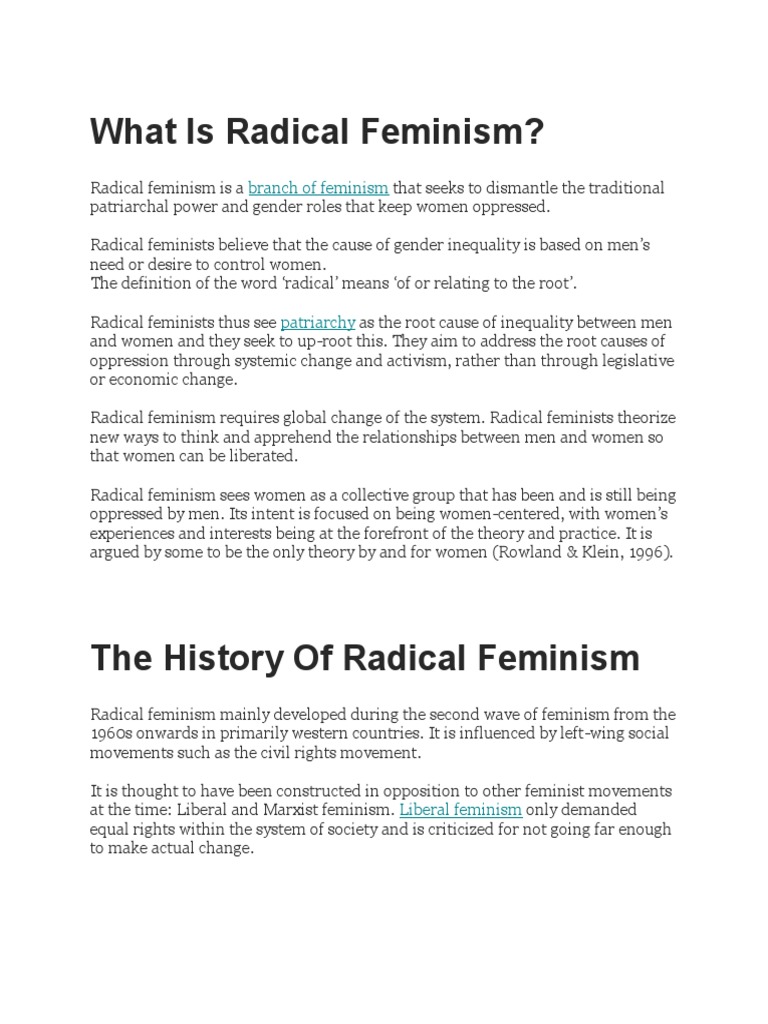
To begin, let us dissect the core tenets of feminism itself. It is not a monolithic entity; rather, it is a spectrum of philosophies united by a central aspiration: the eradication of systemic inequalities based on gender. Feminism, in its diverse iterations, champions the social, economic, and political parity of all genders. It advocates for dismantling patriarchal structures, challenging traditional gender roles, and ensuring equal opportunities in every sphere of human endeavor. It is a clarion call for agency, autonomy, and the right to self-determination, regardless of one’s sex or gender identity.
Given this multifaceted definition, identifying a singular “opposite” proves to be an exercise in nuanced interpretation. Is it misogyny, the ingrained hatred of women? Is it patriarchy, the systemic dominance of men? Or is it perhaps a more subtle, insidious force: the complacent acceptance of the status quo, the apathetic shrug that dismisses the ongoing struggles for gender equality as “already solved”? Each of these contenders warrants careful examination.
Misogyny, arguably, represents the most visceral and overt antithesis to feminist ideals. It is the venomous root from which much gender-based discrimination springs. From casual sexism to violent acts of femicide, misogyny manifests in a spectrum of destructive behaviors, all fueled by a deep-seated devaluation of women. It is a toxic ideology that seeks to silence, control, and ultimately erase female agency. To combat misogyny is to confront the very heart of gender inequality, to challenge the ingrained biases that perpetuate harmful stereotypes and limit the potential of half the world’s population.
Yet, while misogyny is a potent force, it is not the sole architect of gender inequality. Patriarchy, the systemic dominance of men in social, political, and economic spheres, plays an equally significant role. Patriarchy is not simply about individual men consciously oppressing women; it is a complex web of institutions, norms, and beliefs that collectively perpetuate male privilege. It is the subtle bias in hiring practices, the underrepresentation of women in leadership positions, the pervasive gender pay gap, and the societal expectation that women should bear the brunt of domestic labor. Patriarchy operates on a structural level, shaping the very fabric of our societies and limiting the opportunities available to women and other marginalized genders.
Some argue that the true opposite of feminism is not an active force like misogyny or patriarchy, but rather a passive state: the complacent acceptance of the status quo. This complacency allows inequalities to persist, unchallenged and unaddressed. It is the belief that “things are good enough,” that the fight for gender equality is largely over, and that any remaining disparities are minor or inconsequential. This perspective ignores the very real and ongoing challenges faced by women around the world, from the persistent gender pay gap to the prevalence of sexual harassment and violence.
Furthermore, this complacency often masks a deeper resistance to change. It is a reluctance to relinquish privilege, a fear of disrupting the established order, and a desire to maintain the status quo, even if it means perpetuating inequality. This resistance can manifest in subtle ways, such as dismissing feminist concerns as “whining” or “political correctness,” or in more overt forms, such as actively opposing policies aimed at promoting gender equality. This insidious apathy is a formidable obstacle to progress, as it allows inequalities to fester and impede the realization of a truly equitable society.
Consider the implications of labeling one of these constructs as the definitive opposite. If we declare misogyny the sole antagonist, we risk overlooking the systemic nature of patriarchy and the insidious power of complacency. If we focus exclusively on patriarchy, we may fail to address the individual prejudices and biases that fuel discrimination. And if we fixate on complacency, we might underestimate the active resistance to feminist ideals. The truth, as always, lies in the complex interplay of these forces.
Another contender for the title of “opposite of feminism” is a concept often misconstrued and weaponized: Egalitarianism. In its purest form, egalitarianism advocates for equality among all people, regardless of gender, race, religion, or any other characteristic. However, in practice, it is often invoked to dismiss the specific concerns of feminists, arguing that focusing solely on gender inequality is divisive and unnecessary. This perspective often ignores the historical and ongoing power imbalances that have disproportionately disadvantaged women, and it can serve to silence feminist voices and undermine efforts to address gender-specific issues.
The appeal of this “colorblind” or “gender-blind” approach lies in its seeming fairness and inclusivity. However, it often fails to recognize that true equality requires acknowledging and addressing existing inequalities. Simply treating everyone the same, without accounting for the historical and systemic disadvantages faced by certain groups, can actually perpetuate inequality. It is akin to giving everyone the same starting line in a race, but ignoring the fact that some runners have been shackled and held back for centuries.
Ultimately, the quest for a singular “opposite of feminism” is a futile exercise. The forces that oppose gender equality are multifaceted, interconnected, and constantly evolving. Misogyny, patriarchy, complacency, and the misappropriation of egalitarianism all contribute to the ongoing struggle for gender justice. Recognizing the complex interplay of these forces is crucial to developing effective strategies for dismantling systemic inequalities and creating a more just and equitable world for all.
Instead of fixating on a single “opposite,” we should focus on cultivating the values and principles that underpin feminism: empathy, compassion, critical thinking, and a commitment to social justice. We must challenge ingrained biases, dismantle patriarchal structures, and actively resist complacency. We must amplify the voices of marginalized genders, support feminist activism, and advocate for policies that promote equality. The fight for gender equality is not a zero-sum game; it is a collective endeavor that benefits all of humanity. By embracing feminist ideals and working towards a more equitable future, we can create a world where everyone has the opportunity to reach their full potential, regardless of their gender.
The true antagonist is not a person or ideology, but the inertia of injustice. The comfortable slumber of the status quo, where imbalances persist because they are deemed “normal” or “inevitable.” Feminism, in its myriad forms, is the insistent alarm clock, shattering the illusion of contentment and demanding a reckoning. It’s not about supplanting one power structure with another, but about dismantling the very concept of power as a tool for oppression. It’s about recognizing the inherent worth and dignity of every human being, and creating a world where everyone has the freedom to thrive. The pursuit of equality is a marathon, not a sprint. And the finish line, a truly equitable society, is worth every ounce of effort.
So, let us abandon the search for a convenient antonym. Instead, let us embrace the complexity of the challenge and dedicate ourselves to the ongoing pursuit of gender justice. Let us be the architects of a future where feminism is no longer necessary, because equality is not just an aspiration, but a lived reality.






Leave a Comment