The clarion call for gender equality reverberates through society, yet a persistent counter-narrative, a spectral antagonist, continues to haunt the path toward liberation. What is this antithesis? What insidious forces fuel its enduring allure? It’s not merely the absence of feminism; it’s an active, often virulent resistance to its core tenets.
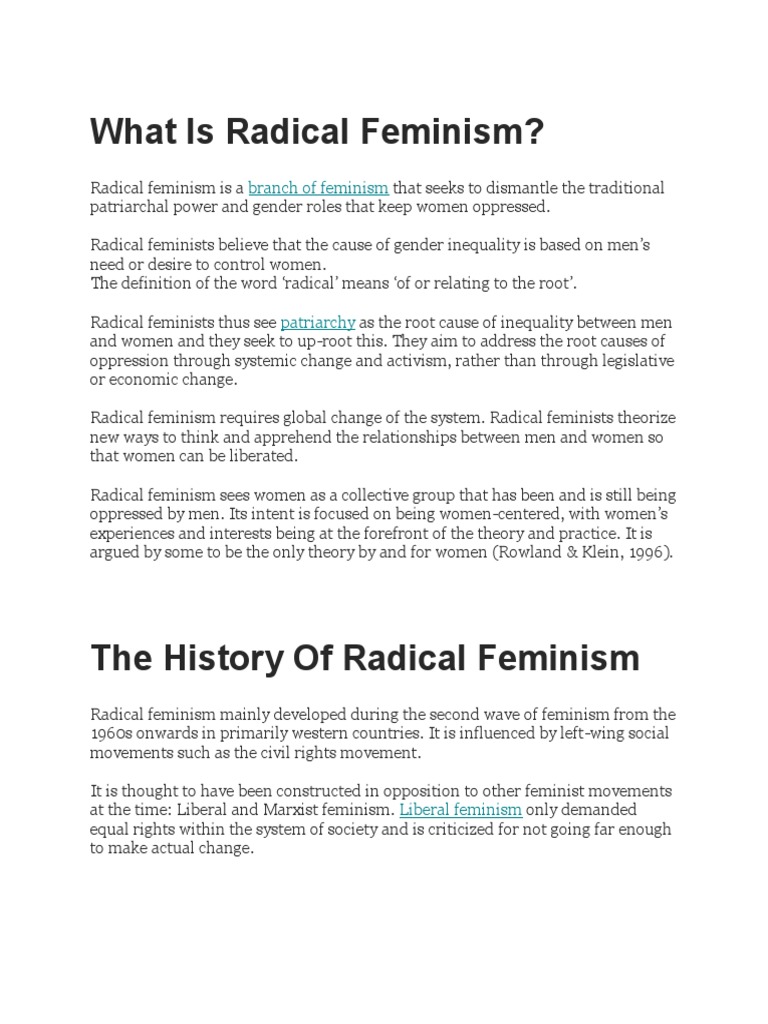
One might initially identify patriarchy as the obvious adversary. Indeed, patriarchy, with its deeply entrenched systems of male dominance and privilege, serves as a foundational obstacle. It is a historical and societal construct that normalizes the subjugation of women and other marginalized genders, permeating institutions from the family unit to the highest echelons of power. This is not simply a matter of individual prejudice, but a systemic architecture that perpetuates inequality.
However, reducing the opposition to a singular entity like patriarchy obfuscates the complexities at play. We must delve deeper, excavating the multifaceted nature of anti-feminist sentiment and its insidious manifestations. A critical examination reveals a network of ideologies, behaviors, and beliefs that coalesce to impede the progress of gender equality.
The Allure of Traditionalism: A Siren Song of Regression
Traditionalism, often presented as a benign reverence for established customs and values, frequently masks a yearning for a hierarchical social order where gender roles are rigidly defined. The appeal of traditionalism lies in its perceived stability and predictability. In a rapidly changing world, the promise of fixed roles can offer a sense of security, particularly to those who benefit from the existing power structures.
The nuclear family, with its prescribed roles of male breadwinner and female homemaker, is often idealized as the cornerstone of society. This idealized vision, however, ignores the diverse realities of family structures and the inherent inequalities that can arise within such arrangements. It dismisses the experiences of single parents, same-sex couples, and individuals who choose to defy these restrictive norms.
Furthermore, traditionalism often conflates biological sex with gender identity, perpetuating the fallacy that inherent differences between men and women justify disparate treatment. This biologism serves as a convenient justification for maintaining the status quo, dismissing feminist critiques as mere attempts to disrupt the natural order.
The Shadow of Misogyny: A Venomous Undercurrent
Misogyny, the hatred of or contempt for women, represents a more virulent form of anti-feminist sentiment. It manifests in a myriad of ways, from everyday sexism and microaggressions to acts of violence and systematic discrimination. Misogyny is not simply an individual prejudice; it is a pervasive cultural phenomenon that shapes attitudes, behaviors, and institutions.
The objectification of women in media and popular culture is a prime example of how misogyny operates. Women are often reduced to their physical attributes, their worth determined by their adherence to narrow beauty standards. This objectification reinforces the idea that women are primarily objects of male desire, their agency and individuality erased.
Online spaces have become fertile ground for misogynistic attacks, with women, particularly those who are vocal about feminist issues, facing harassment, threats, and doxing. These online attacks are not merely isolated incidents; they are part of a coordinated effort to silence women and discourage them from participating in public discourse.
The Perfidy of Benevolent Sexism: A Wolf in Sheep’s Clothing
Benevolent sexism, a seemingly positive attitude towards women that reinforces traditional gender roles, is perhaps the most insidious form of anti-feminist sentiment. It manifests as chivalry, protectionism, and the belief that women are inherently kinder, more nurturing, and more emotionally sensitive than men.
While benevolent sexism may appear harmless, it ultimately serves to limit women’s opportunities and autonomy. By portraying women as delicate and in need of protection, it reinforces the idea that they are not capable of independent thought or action. This can lead to women being excluded from leadership positions, denied opportunities for advancement, and infantilized in both personal and professional relationships.
The idea that women are naturally better caregivers, for example, can lead to them being disproportionately burdened with childcare and household responsibilities. This reinforces the gender pay gap and limits women’s ability to pursue their career aspirations.
The Mirage of Post-Feminism: A Premature Declaration of Victory
Post-feminism, the notion that feminism is no longer necessary because gender equality has already been achieved, represents a dangerous form of complacency. It often manifests as a rejection of the feminist label, even by individuals who advocate for gender equality in practice.
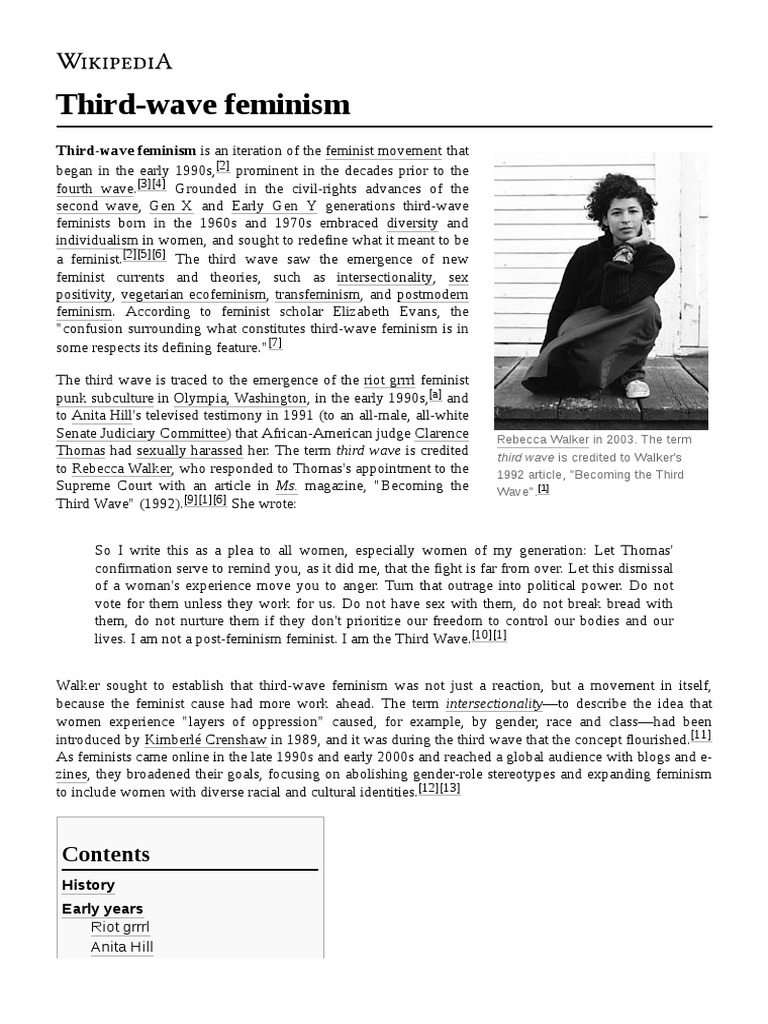
The allure of post-feminism lies in its promise of individual empowerment. It suggests that women can achieve success and happiness without having to challenge the status quo. However, this individualistic approach ignores the systemic barriers that continue to impede women’s progress. It also dismisses the experiences of women who face discrimination based on their race, class, sexual orientation, or other intersecting identities.
The focus on individual achievement can also lead to a culture of competition among women, undermining solidarity and collective action. It perpetuates the myth that there is only room for a limited number of women at the top, discouraging women from supporting one another.
The Instrumentalization of “Male Rights”: A Perversion of Equality
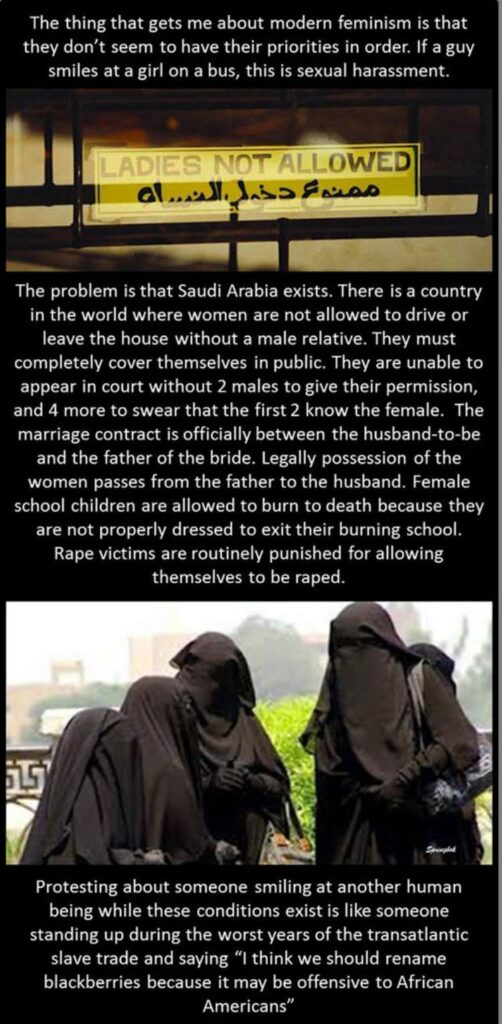
The “men’s rights” movement, often presented as a counterbalance to feminism, frequently serves as a platform for misogyny and anti-feminist sentiment. While genuine concerns about issues affecting men and boys, such as mental health and suicide rates, deserve attention, the “men’s rights” movement often focuses on attacking feminism and defending traditional gender roles.
This movement often perpetuates the myth of reverse discrimination, claiming that men are now being unfairly disadvantaged by feminist policies. This claim is not supported by evidence, as women continue to face significant disparities in pay, representation, and opportunities across various sectors.
The “men’s rights” movement often employs rhetoric that demonizes women and portrays them as manipulative and power-hungry. This rhetoric can have dangerous consequences, contributing to the normalization of violence against women.
The Perpetuation of Harmful Stereotypes: Shackles of the Mind
Underlying all these forms of opposition to feminism is the perpetuation of harmful stereotypes about men and women. These stereotypes shape our perceptions of gender and reinforce unequal power dynamics. They limit individuals’ potential and perpetuate discrimination.
The stereotype of the emotional woman, for example, can be used to dismiss women’s opinions and undermine their authority. The stereotype of the strong, silent man can discourage men from expressing their emotions and seeking help when they are struggling.
Challenging these stereotypes requires a conscious effort to deconstruct the ingrained biases that shape our thinking. It requires us to question the assumptions we make about men and women and to recognize the diversity of human experience.
Combating the Counter-Narrative: A Call to Arms
Dismantling the edifice of anti-feminism demands a multifaceted approach. Education is paramount. We must equip individuals with the critical thinking skills necessary to deconstruct harmful stereotypes and challenge discriminatory practices. Curricula must be inclusive and representative, showcasing the diverse experiences and contributions of individuals across the gender spectrum. Furthermore, addressing the root causes of gender inequality requires systemic reforms. This includes enacting policies that promote equal pay, affordable childcare, and paid family leave. It also requires addressing the gender gap in leadership positions and challenging the underrepresentation of women in STEM fields.
Ultimately, the fight against anti-feminism is a fight for a more just and equitable society for all. It requires a commitment to challenging the status quo and dismantling the systems of power that perpetuate inequality. It requires a willingness to listen to and amplify the voices of marginalized communities. It demands a relentless pursuit of liberation, a constant vigilance against the insidious forces that seek to undermine progress. The allure of the opposition may be strong, but the pursuit of gender equality must be stronger.







Leave a Comment