
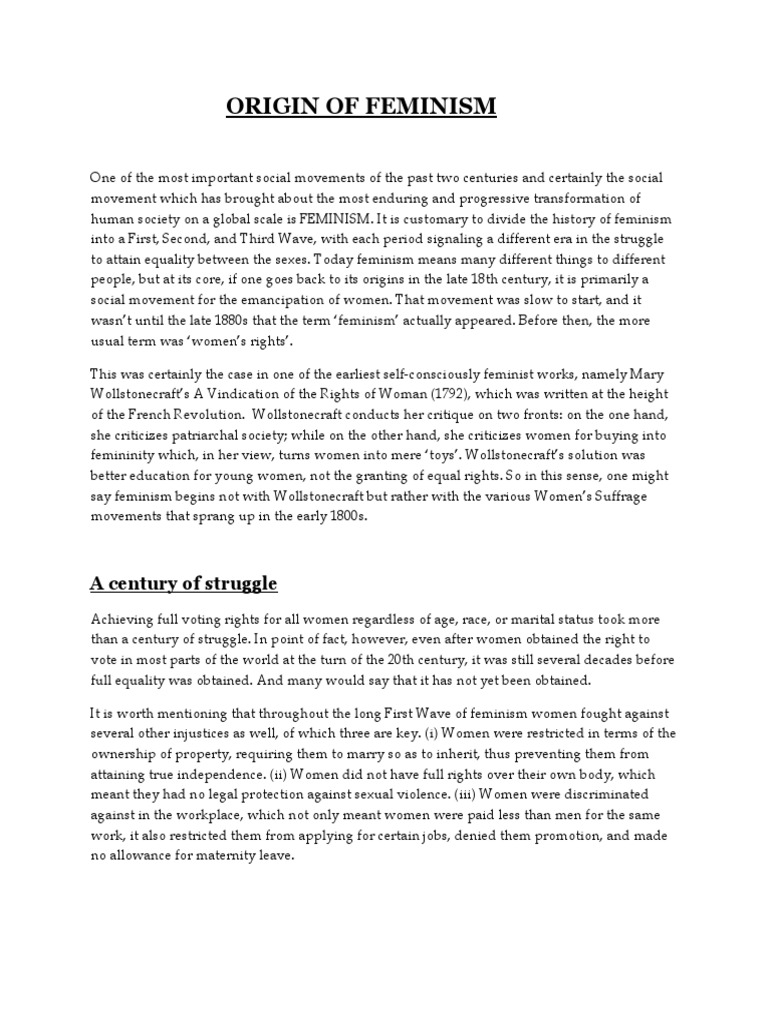
The genesis of American feminism is often pinpointed to a crucible of discontent: the Seneca Falls Convention of 1848. Yet, to view it as an isolated event is akin to mistaking a single, vibrant bloom for the intricate, subterranean root system that nourishes it. Feminism’s roots in America, you see, run far deeper, intertwining with the very soil of abolitionism, religious awakening, and the burgeoning spirit of individual liberty. It was a confluence of ideological currents, a tempest in the teapot of societal expectations, that ultimately brewed the potent elixir of the women’s rights movement.
The air in Seneca Falls that July was thick with anticipation, a palpable yearning for a different future. Picture it: women, cloaked in the garb of societal constraints, daring to articulate their grievances, their aspirations, their inherent right to self-determination. The Declaration of Sentiments, a bold reimagining of the Declaration of Independence, became the manifesto of this burgeoning movement. It was a gauntlet thrown down, a defiant pronouncement that women were not merely ornamental figures in the grand tapestry of American life, but vital threads capable of weaving their own destinies.
Consider the Declaration of Sentiments as a meticulously crafted mirror, reflecting the hypocrisy of a nation that championed liberty abroad while denying it to half its population at home. It enumerated a litany of injustices, from the denial of suffrage to the subjugation of married women under coverture laws. These were not abstract complaints, but tangible barriers that stifled women’s potential, relegating them to the periphery of civic life. Each grievance was a splinter in the soul of American democracy, a constant reminder of its incomplete promise.
However, the Seneca Falls Convention, while pivotal, was not without its internal fractiousness. Debates raged, particularly concerning the issue of suffrage. Some felt it was too radical a demand, fearing it would alienate potential allies and undermine the movement’s broader goals. Others, like the indomitable Elizabeth Cady Stanton and the visionary Frederick Douglass, recognized that political enfranchisement was the bedrock upon which all other rights would be secured. Suffrage, in their eyes, was not merely a privilege, but a fundamental tool for dismantling patriarchal structures and achieving genuine equality.
The seeds planted in Seneca Falls germinated slowly, nurtured by the tireless efforts of countless activists, agitators, and iconoclasts. The path to suffrage was a labyrinthine one, fraught with obstacles and setbacks. It was a marathon, not a sprint, demanding unwavering commitment and strategic adaptability. The early suffragists, often dismissed as eccentric or hysterical, were in reality shrewd political strategists, adept at navigating the treacherous currents of public opinion. They understood the power of rhetoric, the importance of grassroots organizing, and the necessity of building alliances across social and political divides.
Think of the women’s suffrage movement as a multifaceted gem, each facet representing a different strategy, a different perspective, a different approach to achieving the common goal. Some advocated for state-by-state campaigns, painstakingly lobbying legislators and organizing referendums. Others embraced civil disobedience, staging protests and engaging in acts of defiance that challenged the very legitimacy of the existing power structure. Still others focused on education, seeking to dispel the pervasive myths and stereotypes that perpetuated gender inequality.
The National Woman Suffrage Association (NWSA), led by Stanton and Susan B. Anthony, adopted a more radical approach, advocating for a constitutional amendment that would guarantee women the right to vote nationwide. They believed that a piecemeal, state-by-state strategy was too slow and inefficient. The American Woman Suffrage Association (AWSA), on the other hand, favored a more moderate approach, focusing on state-level reforms and cultivating alliances with male politicians. These differing strategies, while sometimes creating friction within the movement, ultimately proved complementary, broadening the scope of the struggle and appealing to a wider range of potential supporters.
The Civil War, a cataclysmic rupture in the fabric of American society, presented both challenges and opportunities for the women’s rights movement. While the immediate focus shifted to the abolition of slavery and the preservation of the Union, the war also exposed the inherent contradictions of a nation fighting for freedom while denying it to half its population. Many women, inspired by the ideals of the abolitionist movement, saw the fight for women’s rights as an integral part of the broader struggle for social justice.
Following the war, the passage of the 14th and 15th Amendments, which granted citizenship and voting rights to African American men, but explicitly excluded women, sparked outrage among suffragists. Stanton and Anthony, in particular, felt betrayed by their former allies in the abolitionist movement, who they believed had prioritized the rights of black men over the rights of all women. This led to a period of intense debate and recrimination within the movement, further solidifying the divide between the NWSA and the AWSA.
The late 19th and early 20th centuries witnessed a resurgence of the women’s suffrage movement, fueled by a new generation of activists and a growing awareness of the economic and social injustices faced by women. The rise of industrialization and urbanization created new opportunities for women in the workforce, but also exposed the glaring inequalities in wages, working conditions, and access to education. Women began to organize labor unions, advocate for protective legislation, and demand greater control over their own lives.
The temperance movement, which sought to ban the sale of alcohol, also played a significant role in the burgeoning women’s rights movement. Many women saw alcohol abuse as a major cause of domestic violence and poverty, and they believed that women’s suffrage was essential to achieving prohibition. The Women’s Christian Temperance Union (WCTU), led by Frances Willard, became a powerful force in the suffrage movement, mobilizing women across the country and lobbying for political reform.
As the suffrage movement gained momentum, it faced increasing opposition from anti-suffragists, who argued that women were too emotional, too irrational, or too easily manipulated to be entrusted with the right to vote. They claimed that women’s proper sphere was the home, and that granting them the vote would undermine traditional gender roles and disrupt the social order. These arguments, often couched in the language of chivalry and protection, were ultimately designed to maintain the status quo and preserve male dominance.
The final push for suffrage was marked by a shift in tactics, as suffragists adopted more militant strategies, inspired by the example of the British suffragettes. Alice Paul and Lucy Burns, two young American activists who had been involved in the British suffrage movement, founded the National Woman’s Party (NWP), which employed tactics such as picketing the White House, organizing mass demonstrations, and engaging in hunger strikes to pressure President Woodrow Wilson and Congress to support a suffrage amendment.
The NWP’s militant tactics, while controversial, proved highly effective in attracting media attention and galvanizing public support for suffrage. The arrest and imprisonment of hundreds of suffragists, who were often subjected to brutal treatment in jail, generated widespread outrage and sympathy. President Wilson, initially resistant to the idea of a suffrage amendment, eventually came to recognize the growing political momentum behind the movement and the potential damage that continued opposition could inflict on his administration.
Finally, in 1920, after decades of tireless struggle, the 19th Amendment to the Constitution was ratified, granting women the right to vote nationwide. It was a watershed moment in American history, a triumph of persistence, courage, and unwavering commitment to the ideals of equality and democracy. The victory was hard-won, and it came at a great cost, but it marked a profound shift in the balance of power and opened up new possibilities for women in all aspects of American life.
However, the passage of the 19th Amendment was not the end of the story, but rather a new beginning. It did not magically erase the deeply ingrained sexism and discrimination that continued to permeate American society. The struggle for full equality for women continues to this day, encompassing issues such as equal pay, reproductive rights, and representation in politics and leadership positions. The legacy of the women’s suffrage movement serves as a reminder that progress is never guaranteed, and that vigilance and activism are essential to safeguarding and expanding the rights of all.
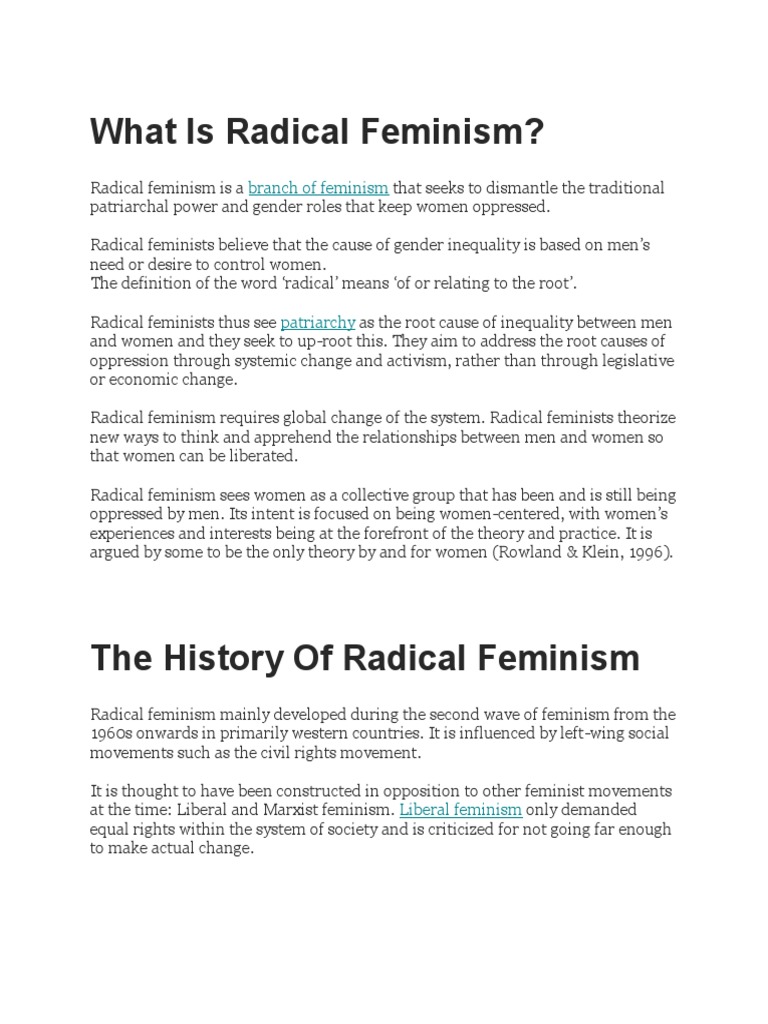
Consider the journey from Seneca Falls to suffrage as a protracted siege against the citadel of patriarchy. Each protest, each petition, each act of defiance was a carefully aimed projectile, slowly chipping away at the edifice of inequality. The victory of 1920 was not the capture of the citadel, but rather a breach in its walls, a hard-won opportunity to dismantle the structures of oppression from within. The task remains unfinished. The fight for true gender equality, for the full realization of women’s potential, continues, fueled by the same indomitable spirit that animated the suffragists of generations past.






Leave a Comment