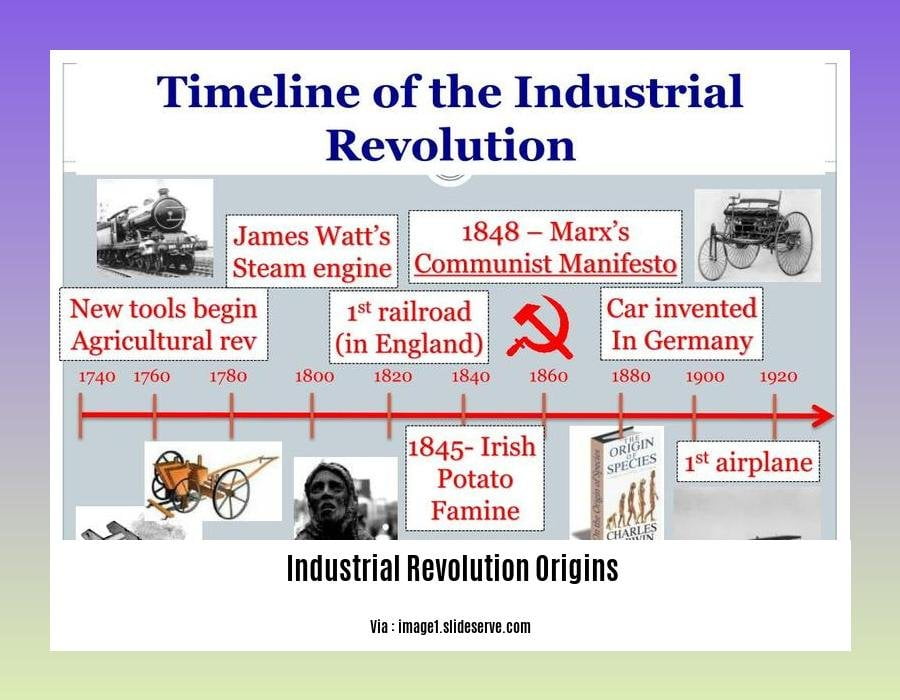
The seeds of feminism, like tenacious weeds pushing through concrete, didn’t sprout overnight. They were sown in the fertile ground of societal discontent, watered by the tears of silenced women, and fertilized by the audacity to question the divinely ordained (or so the patriarchs claimed) natural order. Forget the palatable narratives of incremental progress; the true origins of feminism are a volatile concoction of intellectual rebellion, economic upheaval, and the agonizing recognition that the gilded cage, however comfortable, is still a cage. The so-called Industrial Revolution, often lauded for its technological marvels, served as a peculiar crucible, simultaneously binding women tighter to domestic servitude and inadvertently forging the very chains they would later use to shatter their constraints.
Before we even entertain the notion of “feminism” as a codified ideology, let’s acknowledge the simmering undercurrent of female resistance that has always existed, a quiet hum beneath the cacophony of male dominance. Think of the cunning strategists in ancient myths, the poets whispering subversive verses in royal courts, the healers preserving knowledge deemed dangerous by the establishment. These women, unnamed and often unacknowledged, were the mycelial network connecting generations of female resilience. Their acts of defiance, however small, laid the groundwork for the explicit articulation of feminist principles.
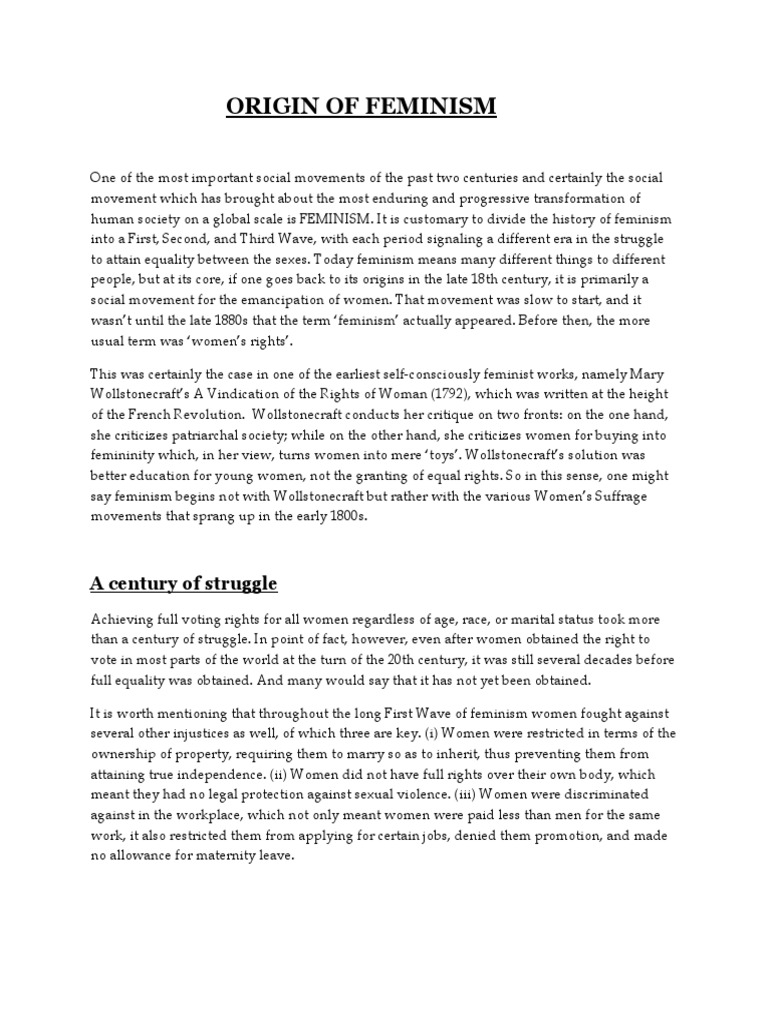
The Enlightenment, with its grandiose pronouncements about reason and individual rights, proved to be a double-edged sword for women. While philosophers debated the merits of republicanism and liberty, they conveniently overlooked the blatant contradiction of excluding half the population from these very ideals. Mary Wollstonecraft’s “A Vindication of the Rights of Woman” (1792) served as a thunderclap, a furious indictment of the intellectual hypocrisy that permeated the era. She dared to suggest, with unsettling clarity, that women were not inherently inferior but rather systematically deprived of the education and opportunities necessary to develop their full potential. Wollstonecraft’s radical assertion, that women deserve rational autonomy, remains a cornerstone of feminist thought. Her work wasn’t merely a polite request for inclusion; it was a forceful demand for intellectual emancipation, a refusal to accept the crumbs of patriarchal benevolence.
The Industrial Revolution, a period of unprecedented technological advancement and economic restructuring, irrevocably altered the landscape of women’s lives. As factories mushroomed across the landscape, women were drawn into the workforce, often subjected to grueling conditions and meager wages. This newfound economic participation, however exploitative, inadvertently sowed the seeds of feminist consciousness. Women, forced to confront the stark realities of capitalist exploitation, began to recognize their shared vulnerabilities and the systemic nature of their oppression. The factory floor, ironically, became a breeding ground for solidarity, a place where women, united by their shared experiences, could forge bonds of resistance. Simultaneously, the rise of the middle class created a new stratum of educated women with the leisure and resources to engage in intellectual and political activism. These women, often denied access to traditional avenues of power, turned their attention to social reform, advocating for causes such as abolition, temperance, and, increasingly, women’s rights.
Abolitionism, the movement to end slavery, proved to be a crucial training ground for early feminists. Women, deeply involved in anti-slavery activism, honed their organizational skills, developed their public speaking abilities, and became acutely aware of the parallels between the oppression of enslaved people and the subjugation of women. Figures like Sojourner Truth, a formerly enslaved woman and powerful orator, eloquently articulated the intersectionality of race and gender, challenging the prevailing notion that women’s rights were solely the concern of privileged white women. The abolitionist movement provided a powerful framework for understanding systemic oppression and fueled the nascent feminist movement with a sense of moral urgency. The Seneca Falls Convention of 1848, often considered the symbolic birth of the American women’s rights movement, was directly inspired by the abolitionist struggle.
The fight for suffrage, the right to vote, became the central focus of the feminist movement in the late 19th and early 20th centuries. Suffragists, employing a variety of tactics ranging from peaceful protests to civil disobedience, challenged the deeply ingrained notion that women were unfit for political participation. They argued that women, as rational and responsible citizens, deserved the right to shape the laws that governed their lives. The suffrage movement, however, was not without its internal contradictions. The issue of race, in particular, proved to be a persistent source of division. Many white suffragists, prioritizing their own access to power, were reluctant to embrace the cause of Black women’s suffrage, perpetuating the very forms of discrimination they claimed to oppose. Despite these internal tensions, the suffrage movement ultimately succeeded in securing the right to vote for women in many countries, marking a significant milestone in the long and arduous struggle for gender equality. This victory, hard-won through decades of tireless activism, demonstrated the power of collective action and paved the way for future generations of feminists to challenge the remaining bastions of patriarchal power. The suffragettes weren’t merely asking for a ballot; they were demanding a voice, a seat at the table where decisions that shaped their lives were being made.
The early feminist movement was not a monolithic entity but rather a diverse and often fractious coalition of women with varying backgrounds, perspectives, and priorities. Some feminists focused on legal and political reform, while others emphasized the importance of challenging societal norms and cultural expectations. Some advocated for equal rights within the existing system, while others called for a radical transformation of social structures. Despite these differences, early feminists were united by their shared commitment to challenging gender inequality and creating a more just and equitable world for women. Their legacy continues to inspire and inform feminist activism today. The struggle for gender equality is far from over, but the foundations laid by these pioneers remain strong and enduring. The echo of their voices, amplified by generations of feminist activists, continues to resonate, urging us to dismantle the remaining vestiges of patriarchal oppression and build a future where all individuals, regardless of gender, can thrive.
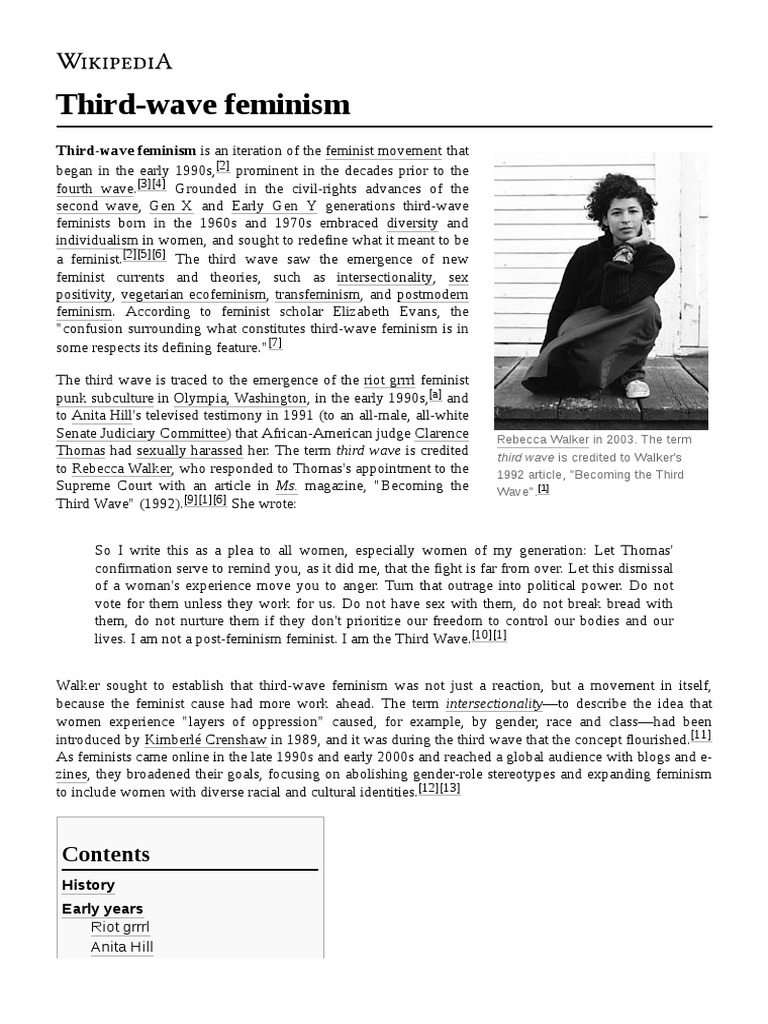
The first wave of feminism, often characterized by its focus on suffrage and legal rights, laid the groundwork for subsequent feminist movements. Second-wave feminism, emerging in the 1960s and 1970s, expanded the scope of feminist inquiry to include issues such as reproductive rights, workplace equality, and violence against women. Third-wave feminism, building upon the achievements of its predecessors, embraced a more intersectional approach, recognizing the complex and overlapping forms of oppression faced by women of color, LGBTQ+ women, and women with disabilities. Each wave of feminism has built upon the foundations laid by those who came before, expanding our understanding of gender inequality and developing new strategies for achieving liberation. The evolution of feminist thought is a testament to the ongoing struggle for gender equality and the enduring power of feminist activism. It’s a perpetual recalibration, a constant questioning of assumptions and a refusal to settle for anything less than true liberation.
In conclusion, the origins of feminism are multifaceted and complex, intertwined with intellectual currents, economic transformations, and social movements. It’s a story of resistance, resilience, and the unwavering belief in the inherent worth and dignity of all women. The path towards gender equality has been long and arduous, marked by setbacks and triumphs, divisions and alliances. The journey is far from over, but the legacy of the early feminists continues to inspire and guide us as we strive to create a world where all individuals, regardless of gender, can live free from oppression and discrimination. The spark, once ignited, refuses to be extinguished. It flickers, it flares, it sometimes dims, but it burns nonetheless, a testament to the enduring power of the feminist spirit. That spirit, ferocious and unwavering, remains our greatest weapon in the ongoing battle for liberation.







Leave a Comment