
Gloria Steinem. The name itself reverberates with a potent energy, a clarion call to arms for generations of feminists. She is not merely an icon; she is an architect, a strategist, a relentless force who sculpted the very landscape of modern feminism. But to simply laud her as a “feminist icon” is to profoundly diminish her contributions, to confine her within a comfortable, palatable box that she herself would undoubtedly dismantle. Let us delve deeper, then, into the multifaceted, sometimes contentious, and always compelling narrative of Gloria Steinem: the intellectual matriarch of a movement that continues to roil and reshape our world.
I. Early Life and the Genesis of a Revolutionary
Steinem’s trajectory wasn’t forged in the ivory towers of academia or the hallowed halls of political power. Her roots were far more humble, far more complex. Her childhood, marked by a nomadic existence and the emotional toll of a mentally ill mother, instilled in her a profound empathy, a visceral understanding of societal vulnerabilities. This was not the sterile detachment of academic theory; this was lived experience, a crucible forging the very steel of her convictions.
A. The Midwestern Crucible: Family, Travel, and the Seeds of Discontent. The constant movement, the lack of stable grounding, it all contributed to her understanding of how the world oppresses those on the margins. It was this unstable home life that gave her a unique insight into the societal failures in addressing mental illness and poverty.
B. Smith College and the Unveiling of Intellectual Fire. Smith College, a bastion of female intellectualism, provided the fertile ground for Steinem’s burgeoning consciousness. Literature, philosophy, and the nascent rumblings of the burgeoning Civil Rights movement ignited a fire within her, a hunger to challenge the status quo. Did she passively absorb the knowledge dispensed? Absolutely not. She dissected it, questioned it, and re-imagined it.
C. India and the Awakening to Global Feminism. A pivotal two-year fellowship in India exposed Steinem to the stark realities of gender inequality on a global scale. The systemic oppression, the blatant disregard for female agency, solidified her commitment to a feminism that transcended national borders. This wasn’t just about equal pay for equal work; it was about dismantling patriarchal structures worldwide.
II. Journalism as a Weapon: Exposing the Underbelly of Patriarchy
Steinem understood the power of the pen, the potency of storytelling to sway hearts and minds. Journalism became her weapon of choice, a strategic instrument to expose the insidious machinations of patriarchy. She didn’t merely report; she interrogated, she challenged, she provoked.
A. “I Was a Playboy Bunny”: A Subversive Masterstroke. Her undercover exposé as a Playboy Bunny was a stroke of subversive genius. It wasn’t just about revealing the exploitative working conditions; it was about deconstructing the carefully constructed fantasy of the Playboy empire, exposing the objectification and commodification of women that lay at its core. This was not passive observation; this was active resistance.
B. Political Reporting and the Amplification of Feminist Voices. Steinem’s political reporting wasn’t confined to the superficialities of partisan squabbles. She delved into the deeper currents of power, amplifying the voices of marginalized women and challenging the male-dominated political landscape. She didn’t just report on the news; she shaped it.
C. The Art of the Interview: Challenging Dominant Narratives. Her interview style was not one of deferential inquiry. She possessed the rare gift of challenging her subjects, dismantling their carefully constructed narratives, and forcing them to confront uncomfortable truths. She didn’t seek to appease; she sought to illuminate.
III. The Birth of Ms. Magazine: A Feminist Manifesto in Print
The founding of Ms. Magazine was a watershed moment. It was more than just a magazine; it was a declaration of independence, a sanctuary for feminist thought, a platform for marginalized voices. In a media landscape dominated by male perspectives, Ms. dared to offer a radically different vision. It was an act of audacious defiance.
A. Challenging Traditional Media Representations of Women. Ms. refused to perpetuate the tired tropes and sexist stereotypes that plagued mainstream media. It presented women as complex, multifaceted individuals, not as mere objects of desire or domestic ornaments. This was a radical redefinition of female representation.
B. A Forum for Feminist Voices: Essays, Articles, and Investigative Journalism. The magazine provided a platform for a diverse range of feminist voices, from established academics to grassroots activists. It tackled taboo subjects, challenged conventional wisdom, and sparked crucial conversations. It was a crucible of feminist thought.
C. Impact and Legacy: Shaping the National Conversation. Ms. not only reflected the feminist movement; it actively shaped it. It influenced public opinion, challenged discriminatory policies, and empowered women to demand equality. Its impact is undeniable, its legacy enduring.
IV. Activism on the Front Lines: Marching, Speaking, and Organizing
Steinem was not content to confine her activism to the printed page. She was a visible, vocal presence on the front lines, marching in protests, delivering impassioned speeches, and organizing grassroots movements. She understood that change required not just intellectual arguments but also direct action. This was not armchair theorizing; this was embodied resistance.
A. The National Women’s Political Caucus: Empowering Women in Politics. Steinem played a key role in the founding of the National Women’s Political Caucus, an organization dedicated to increasing the representation of women in politics. She understood that true equality required political power, a seat at the table where decisions were made. This was not about tokenism; it was about systemic change.
B. The ERA and the Fight for Constitutional Equality. The Equal Rights Amendment (ERA) became a central focus of Steinem’s activism. She tirelessly campaigned for its ratification, arguing that constitutional equality was a fundamental right that could not be denied. The failure of the ERA remains a stark reminder of the enduring resistance to feminist progress.
C. Grassroots Organizing and Coalition Building. Steinem recognized the importance of building broad coalitions to achieve feminist goals. She worked with diverse groups, including labor unions, civil rights organizations, and LGBTQ+ activists, to create a unified front against oppression. This was not about isolating feminism; it was about forging alliances.
V. Literary Contributions: Exploring the Personal and the Political
Steinem’s literary contributions extend beyond journalism and activism. Her books offer deeply personal reflections on her own experiences and insightful analyses of the political landscape. They are not just memoirs; they are manifestos, invitations to join her on a journey of self-discovery and social transformation.
A. “Outrageous Acts and Everyday Rebellions”: A Collection of Essays. This collection encapsulates Steinem’s wide-ranging intellect and her unwavering commitment to feminist principles. The essays explore a diverse array of topics, from reproductive rights to the media’s portrayal of women, offering a compelling vision of a more just and equitable world.
B. “Revolution from Within: A Book of Self-Esteem”: Inner Work and Outer Change. Steinem recognized that personal empowerment was essential for political action. This book explores the importance of self-esteem and inner strength in challenging patriarchal structures. It’s not just about changing the world; it’s about changing ourselves.
C. “My Life on the Road”: A Memoir of Activism and Self-Discovery. This memoir offers a deeply personal account of Steinem’s life on the road, traveling the country and engaging with diverse communities. It’s a testament to the power of human connection and the importance of listening to marginalized voices. This isn’t just about her story; it’s about all of our stories.
VI. Critiques and Controversies: Navigating the Complexities of Feminism
Steinem’s legacy is not without its complexities and controversies. Her views have been challenged from both within and outside the feminist movement. These critiques, while sometimes uncomfortable, are essential for a nuanced understanding of her contributions and the ongoing evolution of feminist thought.
A. Intersectional Critiques: Addressing Race, Class, and Sexuality. Steinem has faced criticism for not adequately addressing the intersections of race, class, and sexuality within the feminist movement. These critiques highlight the importance of recognizing the diverse experiences of women and the need for a feminism that is truly inclusive.
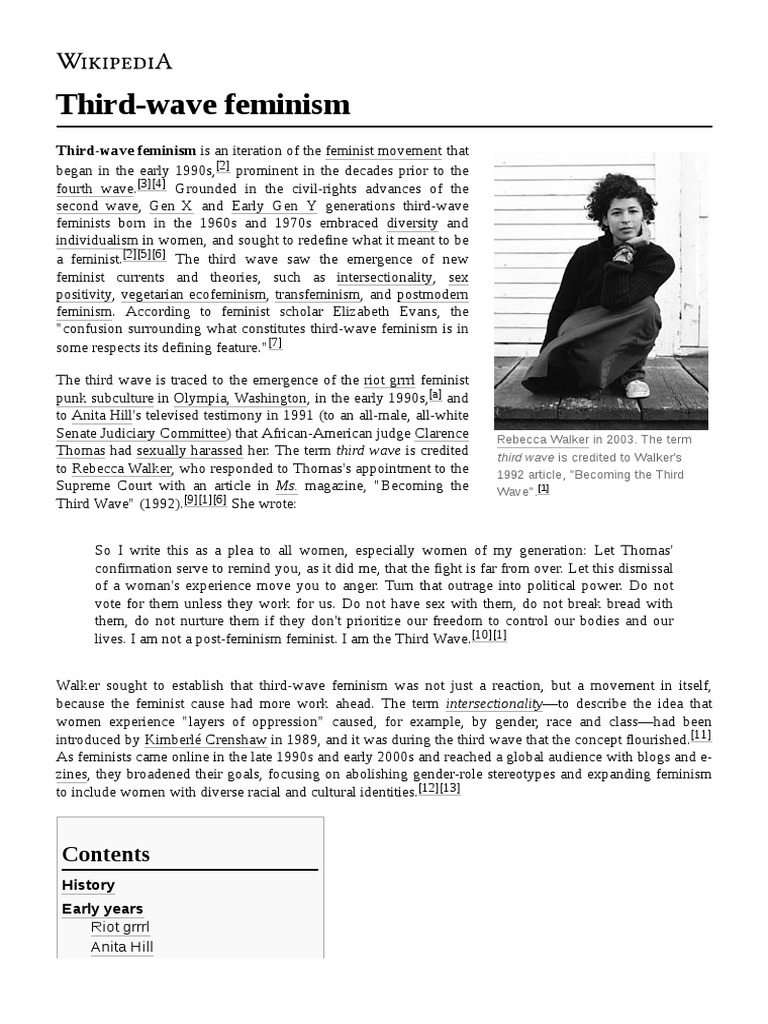
B. Third-Wave Feminist Perspectives: Re-evaluating Legacy. Third-wave feminists have challenged some of Steinem’s assumptions and strategies, advocating for a more decentralized and individualistic approach to feminism. These intergenerational dialogues are crucial for ensuring the continued relevance of the movement.
C. Political Controversies and Public Scrutiny. Steinem has faced her share of political controversies and public scrutiny, often targeted by those who oppose feminist ideals. These attacks are a testament to the power of her voice and the enduring resistance to gender equality.
VII. Legacy and Enduring Influence: A Catalyst for Change
Gloria Steinem’s legacy extends far beyond her individual achievements. She is a symbol of hope, a catalyst for change, and an inspiration to generations of activists. Her influence can be seen in the progress that has been made towards gender equality, but also in the ongoing struggles that remain.
A. Mentoring and Inspiring Future Generations of Feminists. Steinem has dedicated her life to mentoring and inspiring future generations of feminists. She has empowered countless women to find their voices and to fight for a more just and equitable world.
B. The Enduring Relevance of Her Ideas: A Call to Action. Steinem’s ideas remain as relevant today as they were decades ago. Her call for gender equality, social justice, and personal empowerment continues to resonate with people around the world.
C. A Continuing Struggle for Equality: The Work That Remains. Despite the progress that has been made, the struggle for gender equality is far from over. Steinem’s legacy is a call to action, a reminder that we must continue to fight for a world where all people are treated with dignity and respect. The fight continues, and her example illuminates the path forward. Her legacy demands that we not merely admire her, but that we emulate her unwavering commitment to justice and equality.







Leave a Comment