
Militant feminism. The very phrase conjures images, doesn’t it? Provocative, perhaps unsettling, and certainly not designed to lull you into a comfortable slumber of complacency. It’s a term that sparks debate, often misunderstood and deliberately misrepresented. But behind the manufactured outrage and pearl-clutching disapproval lies a potent force for change, a philosophy rooted in the urgent need for radical societal transformation. So, let’s dismantle the deliberate obfuscation and explore what militant feminism *actually* is, and why the prevailing narrative surrounding it is a grotesque caricature designed to maintain the status quo.
First, let’s dissect the terminology. “Militant” doesn’t inherently equate to violence. It signifies a vigorous, uncompromising, and actively resistant stance against injustice. It’s a commitment to fighting for equality with unwavering determination, refusing to compromise with oppressive systems. Think of a doctor fighting a virulent disease. They employ aggressive treatments, relentlessly pursuing a cure. Is that violence? No. It is a determined response to a life-threatening situation. Militant feminism is, similarly, a determined response to the life-threatening disease of patriarchal oppression.
What constitutes patriarchal oppression? This is the foundational element. Patriarchy isn’t just about individual instances of sexism; it’s a systemic structure woven into the fabric of our societies. It dictates power dynamics, reinforces gender roles, and perpetuates the subordination of women in virtually every sphere of life – from economics and politics to culture and personal relationships. Think about the insidious normalization of the male gaze in art and media, the wage gap that stubbornly persists, the disproportionate burden of domestic labor placed on women, the underrepresentation of women in positions of power, and the pervasive threat of gender-based violence. These aren’t isolated incidents; they are symptoms of a deep-seated societal malignancy.
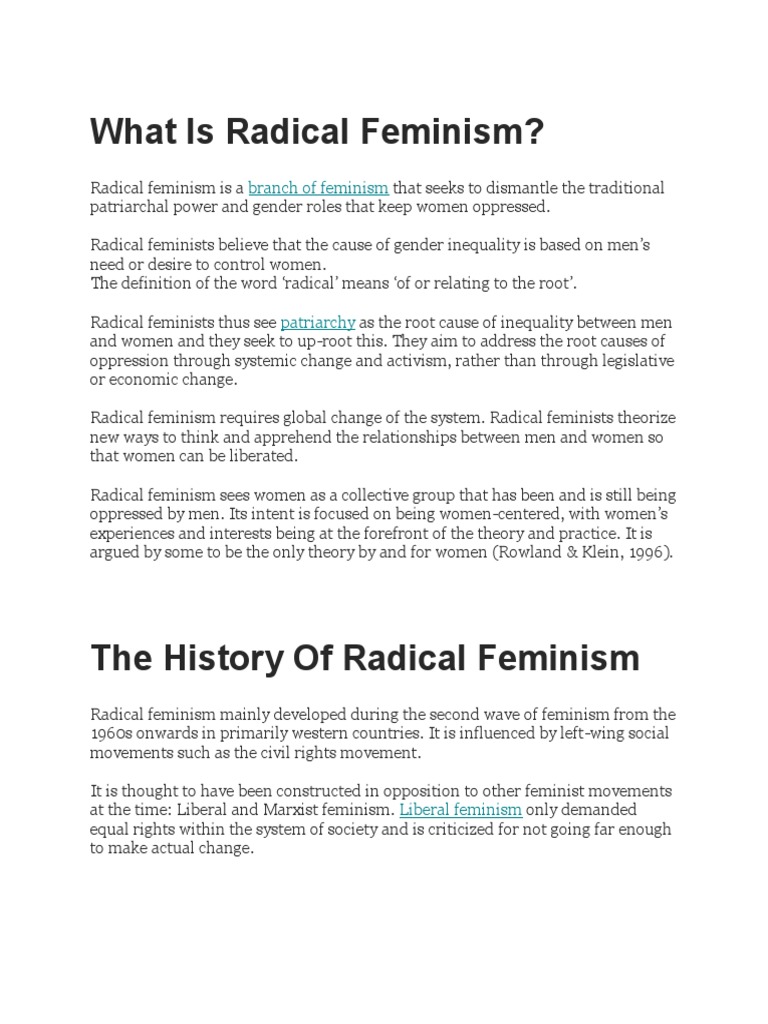
Militant feminism, therefore, isn’t just about asking politely for change. It’s about demanding it, about disrupting the systems that perpetuate inequality, about dismantling the very foundations of patriarchal power. This is where the misrepresentation begins. The establishment, deeply invested in maintaining the existing power structure, understands that a passive, polite feminism is a harmless one. It can be co-opted, sanitized, and ultimately rendered ineffective. But a feminism that challenges the core tenets of patriarchy is a threat. Hence, the deliberate conflation of militancy with violence, the demonization of those who dare to speak out, and the constant attempts to discredit the movement.
To truly understand militant feminism, one must recognize its multifaceted nature. It’s not a monolithic entity with a singular, universally agreed-upon strategy. Instead, it encompasses a diverse range of approaches and perspectives, all united by the common goal of achieving genuine gender equality. Here are some key aspects to consider:
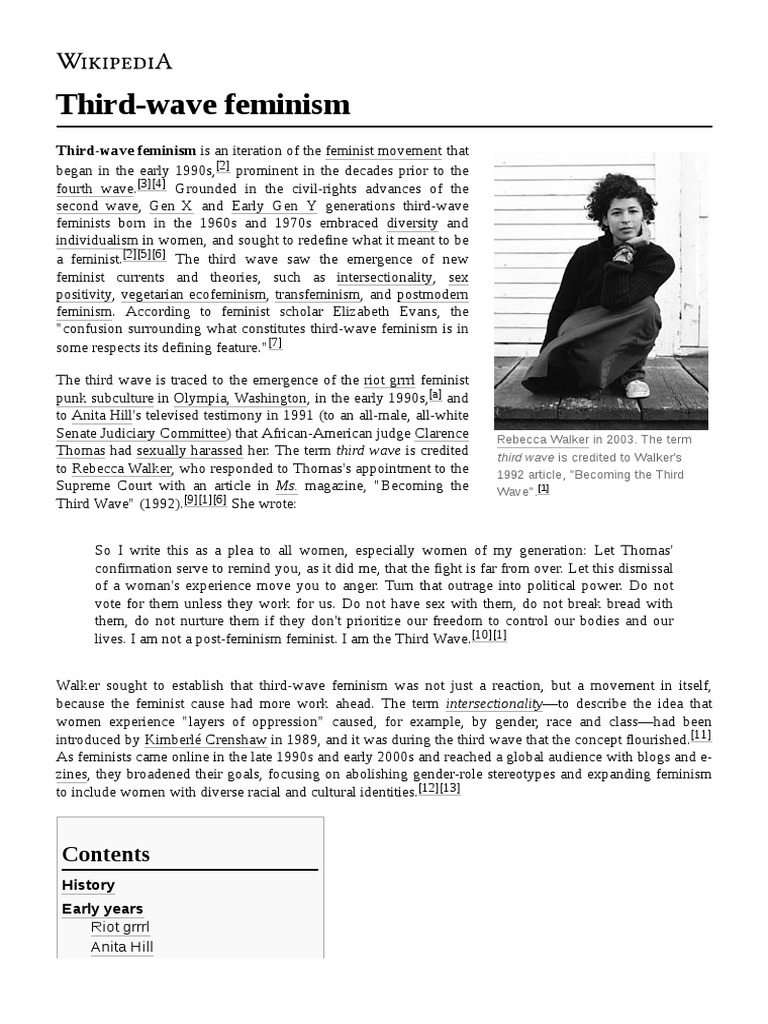
1. Intersectionality: This is not optional; it’s fundamental. Militant feminism recognizes that gender inequality is inextricably linked to other forms of oppression, including racism, classism, homophobia, transphobia, ableism, and colonialism. A truly militant feminist understands that liberation cannot be achieved if it only benefits a privileged subset of women. The struggles of women of color, queer women, disabled women, and working-class women must be at the forefront of the movement. To ignore these intersecting oppressions is to perpetuate the very systems that militant feminism seeks to dismantle.
2. Direct Action and Civil Disobedience: Militant feminists often employ direct action tactics to disrupt the status quo and raise awareness about injustice. This can include protests, boycotts, strikes, sit-ins, and other forms of civil disobedience. The goal is not simply to express dissent but to actively interfere with the functioning of oppressive systems. Think of the suffragettes chaining themselves to railings, the abortion rights activists disrupting anti-choice rallies, or the environmental activists blockading pipelines. These actions are not intended to be polite or comfortable; they are designed to be disruptive and attention-grabbing, forcing society to confront uncomfortable truths.
3. Challenging Gender Norms and Roles: Militant feminism challenges the rigid gender norms and roles that are imposed on individuals from birth. It rejects the idea that women should be confined to traditional roles as caregivers and homemakers and that men should be expected to be stoic and unemotional providers. It advocates for a society where individuals are free to express their gender identity and pursue their passions without fear of judgment or discrimination. This includes challenging the very concept of a gender binary and embracing the fluidity and diversity of human experience. This also means confronting the societal expectations placed on women’s bodies, challenging the objectification and sexualization of women in media, and demanding autonomy over their own reproductive health.
4. Dismantling Capitalist Patriarchy: Militant feminism recognizes the inherent link between capitalism and patriarchy. It understands that capitalist systems often exploit women’s labor, perpetuate wage inequality, and reinforce gendered power dynamics. It advocates for economic justice and challenges the capitalist structures that contribute to women’s oppression. This might involve advocating for policies such as universal basic income, affordable childcare, and equal pay, as well as supporting worker-owned cooperatives and other alternative economic models. It also means recognizing the disproportionate impact of environmental degradation on women and advocating for sustainable and equitable development.
5. Building Solidarity and Collective Power: Militant feminism recognizes that individual action alone is insufficient to achieve systemic change. It emphasizes the importance of building solidarity and collective power among women and other marginalized groups. This involves creating spaces for dialogue, organizing grassroots movements, and working together to challenge oppressive systems. It also means supporting and amplifying the voices of marginalized women and ensuring that their experiences are centered in the movement. This necessitates a commitment to intersectionality and a willingness to challenge one’s own biases and privileges.
6. Rejecting Respectability Politics: Militant feminism rejects the idea that women must be “respectable” in order to be taken seriously. It challenges the notion that women must conform to societal expectations of politeness, decorum, and submission in order to be heard. It recognizes that respectability politics often serve to silence and marginalize women, particularly women of color and other marginalized groups. Instead, militant feminism embraces authenticity and encourages women to speak their minds, even if it means challenging the status quo. It understands that genuine change often requires challenging established norms and pushing boundaries.
7. Confronting Male Violence and Accountability: Militant feminism recognizes the pervasive threat of male violence against women and demands accountability for perpetrators. It challenges the societal norms that excuse or minimize male violence and advocates for a culture of consent and respect. This includes advocating for stricter laws and enforcement mechanisms to protect women from violence, as well as challenging the cultural attitudes that contribute to violence. It also means supporting survivors of violence and creating spaces for healing and empowerment. A critical component is calling out and challenging instances of everyday sexism and microaggressions that contribute to a culture of misogyny.
Now, let’s address some of the common misconceptions surrounding militant feminism. One of the most prevalent is the idea that it’s inherently anti-men. This is a deliberate distortion. Militant feminism is not about hating men; it’s about dismantling patriarchal systems that harm everyone, including men. While it certainly challenges male privilege and dominance, it ultimately seeks to create a more equitable society where everyone can thrive. Many men recognize the harm that patriarchy inflicts on them, limiting their emotional expression, forcing them into rigid roles as providers, and perpetuating cycles of violence. These men can be allies in the fight for gender equality, working alongside women to dismantle the systems that oppress us all.
Another misconception is that militant feminism is inherently violent. While some militant feminists may engage in acts of property destruction or other forms of direct action, these actions are not representative of the movement as a whole. The vast majority of militant feminists advocate for nonviolent resistance and focus on challenging patriarchal systems through activism, education, and organizing. The narrative of violent militant feminists is often used to discredit the movement and scare people away from supporting it. It’s a classic tactic of the establishment to demonize those who challenge the status quo.
Furthermore, some argue that militant feminism is outdated or irrelevant in today’s society. They claim that women have already achieved equality and that feminism is no longer necessary. This is a dangerous and misguided belief. While significant progress has been made in some areas, gender inequality persists in many forms. The wage gap, the underrepresentation of women in positions of power, the pervasive threat of gender-based violence, and the continued objectification and sexualization of women in media are all evidence that the fight for gender equality is far from over. In fact, in many areas, progress has stalled or even reversed, highlighting the continued need for militant feminism.
The path forward requires a collective commitment to dismantling patriarchal systems and building a more equitable society. It requires us to challenge our own biases and privileges, to listen to and amplify the voices of marginalized women, and to take action against injustice whenever and wherever we see it. This is not a comfortable or easy task, but it is a necessary one. The future of humanity depends on it. The cost of complacency is simply too high. We must embrace the spirit of militant feminism, refusing to compromise with oppression and fighting tirelessly for a world where all individuals can live with dignity, equality, and freedom.
Embrace the audacity. Question everything. Disrupt the status quo. The revolution will not be polite.





Leave a Comment