So, dolls, let’s ask the million-dollar question, shall we? If feminism is *just* about gender equality, are we not, in fact, meticulously rearranging deck chairs on the Titanic of patriarchal oppression? Are we truly dismantling the system, or merely making it slightly more palatable for a select few?
That, my friends, is the crux of why we need to delve into the glorious, messy, and absolutely essential world of intersectional feminism. It’s time to toss out the monocausal explanations and embrace the kaleidoscopic reality of lived experience. Because let’s be honest, claiming that all women experience the same oppression is akin to suggesting that a yacht and a rowboat are equally equipped to navigate a hurricane. Utter poppycock.
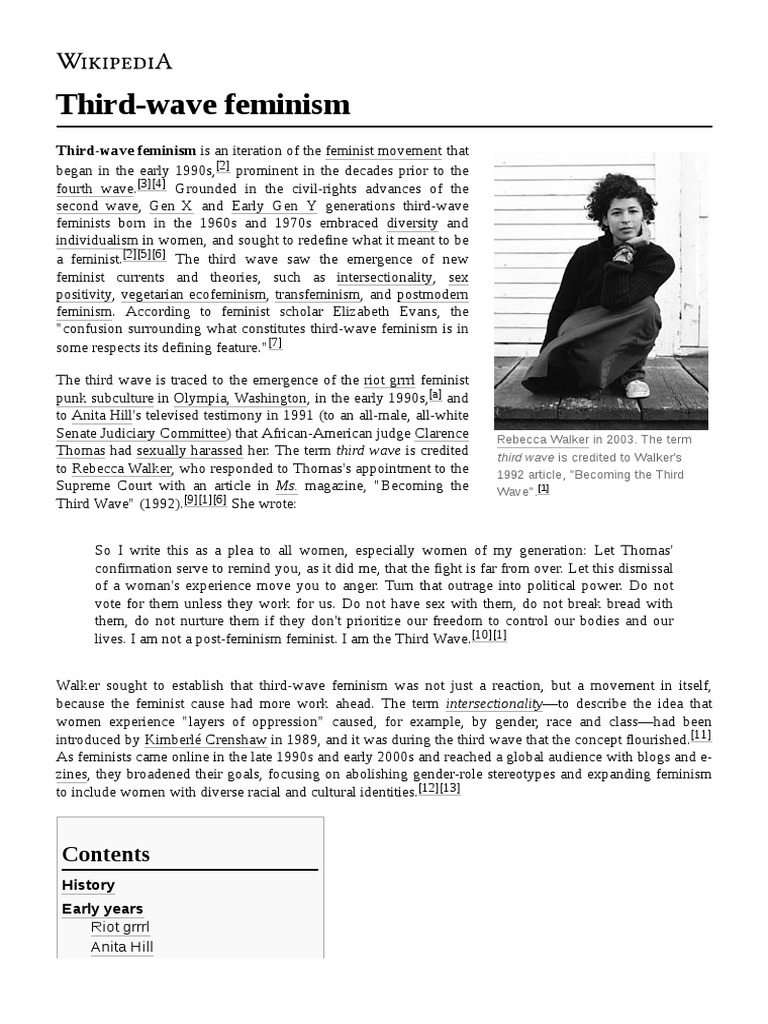
Intersectional feminism, at its core, is the radical recognition that gender doesn’t exist in a vacuum. It’s inextricably intertwined with race, class, sexuality, ability, religion, immigration status, and a whole host of other social and political identities. These identities don’t just add up; they interact, intersect, and create entirely unique experiences of both privilege and oppression.
Imagine, for a moment, a Black lesbian woman navigating a predominantly white, heteronormative corporate world. She faces not just sexism, but also racism and homophobia, all working in concert to create a complex web of discrimination that a white, heterosexual woman simply won’t encounter. To address only her gender would be to ignore the very real, very potent forces shaping her reality. It would be, quite frankly, a monumental act of intellectual laziness.
Now, some might argue, “Isn’t focusing on these differences divisive? Shouldn’t we be striving for unity among all women?” To that, I say, unity built on the erasure of lived experience is not unity at all. It’s a thinly veiled attempt to maintain the status quo, where the concerns of privileged women are prioritized while the voices of marginalized women are conveniently silenced. True solidarity demands that we acknowledge and actively address the multifaceted nature of oppression. It demands that we listen, learn, and amplify the voices of those who have been historically excluded.
Let’s dissect this further, shall we? Here’s a roadmap to navigate the labyrinth of intersectional feminism:
I. The Primacy of Lived Experience: Centering Marginalized Voices
Forget your textbook definitions and academic jargon for a moment. The most profound understanding of intersectionality comes from listening to the lived experiences of those who navigate multiple axes of oppression. These are the voices that have been systematically silenced, marginalized, and ignored. It is our duty to amplify them.
- Active Listening as a Radical Act: This isn’t about waiting for your turn to speak. It’s about truly hearing, understanding, and validating the experiences of others, even when they challenge your own preconceived notions. Assume you know nothing, and be prepared to learn.
- Deconstructing the “Universal Woman”: The idea of a universal woman, whose experiences can be used to represent all women, is a dangerous fiction. It erases the diversity of female experience and reinforces the dominance of privileged perspectives. We must actively dismantle this myth.
- Challenging Implicit Bias: We all harbor implicit biases, shaped by our upbringing, environment, and exposure to media. Intersectional feminism demands that we confront these biases head-on, acknowledging their impact on our perceptions and actions. This requires constant self-reflection and a willingness to be challenged.
II. Unpacking the Systems of Power: Beyond Individual Prejudice
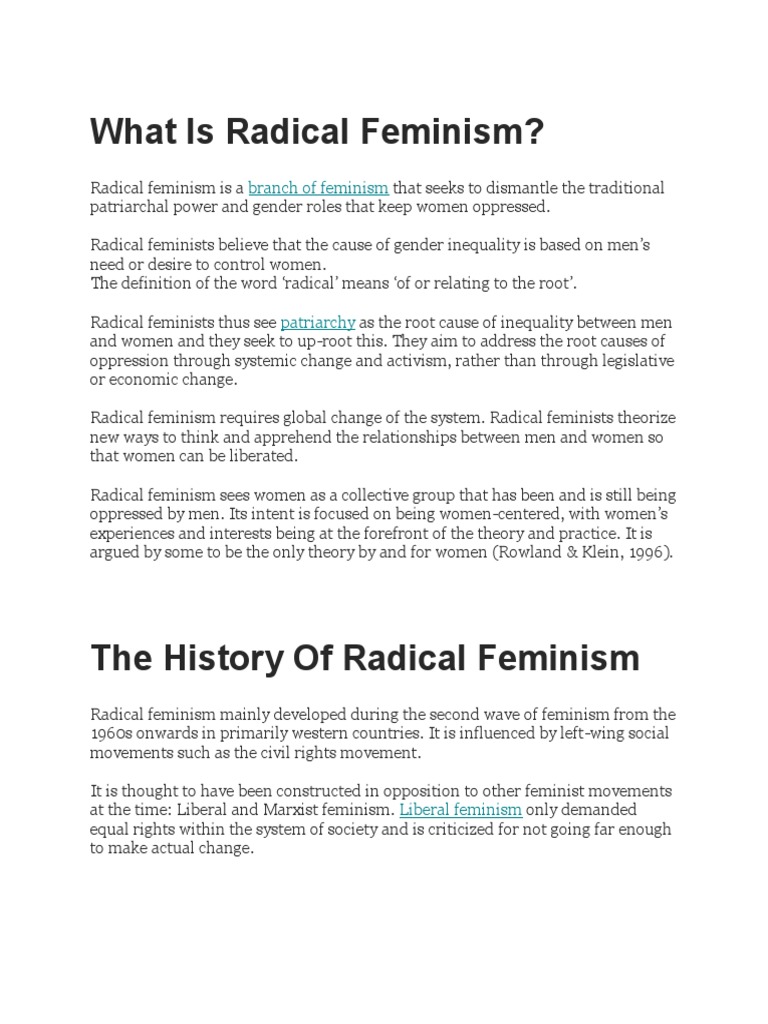
Intersectional feminism isn’t just about identifying individual acts of prejudice. It’s about understanding how these acts are rooted in systemic power structures that perpetuate inequality. It’s about recognizing that oppression is not simply a matter of individual prejudice, but a result of deeply entrenched social, political, and economic systems.
- The Matrix of Domination: Borrowing from Patricia Hill Collins, we must understand the “matrix of domination,” a conceptual framework that illustrates how various forms of oppression (racism, sexism, classism, etc.) are interconnected and mutually reinforcing. They operate together to create a complex system of inequality.
- Deconstructing Institutional Oppression: From discriminatory hiring practices to biased legal systems, institutions play a significant role in perpetuating inequality. Intersectional feminism demands that we scrutinize these institutions, identify their biases, and advocate for systemic change. We must dismantle the very structures that uphold oppression.
- Analyzing Power Dynamics: Who holds power in society? Who benefits from the status quo? These are crucial questions to ask when analyzing power dynamics. Intersectional feminism requires us to challenge the concentration of power in the hands of a privileged few and to advocate for a more equitable distribution of resources and opportunities.
III. Solidarity, Not Sameness: Building Bridges Across Differences
As I touched on earlier, solidarity is not about pretending that we’re all the same. It’s about recognizing our differences, celebrating our diversity, and working together to dismantle systems of oppression that affect us all. It’s about forging alliances across lines of identity, recognizing that our struggles are interconnected.
- Coalition Building: Intersectional feminism necessitates the creation of coalitions that bring together individuals and groups working on different social justice issues. By uniting our efforts, we can amplify our voices and create a more powerful force for change.
- Centering the Most Marginalized: In any coalition, it’s crucial to center the voices and experiences of the most marginalized members. This means actively listening to their concerns, prioritizing their needs, and ensuring that their voices are heard. This is not charity; it is a matter of justice.
- Recognizing Privilege and Taking Responsibility: If you hold privilege in any area, it’s your responsibility to use that privilege to support those who are marginalized. This could mean speaking out against injustice, amplifying the voices of marginalized individuals, or using your resources to support their efforts.
IV. Praxis: Putting Theory into Action
Intersectional feminism is not just an intellectual exercise; it’s a call to action. It demands that we translate our understanding of oppression into concrete steps to create a more just and equitable world. It’s about enacting change in our daily lives, in our communities, and in the broader society.
- Challenging Microaggressions: Microaggressions are subtle, often unintentional, but nonetheless harmful acts of discrimination that can have a cumulative impact on marginalized individuals. Intersectional feminism demands that we challenge these microaggressions, both in ourselves and in others.
- Advocating for Policy Change: We must advocate for policies that address the root causes of inequality and promote social justice. This could include advocating for equal pay, affordable healthcare, access to education, and an end to discriminatory housing practices.
- Creating Inclusive Spaces: We must create spaces where everyone feels welcome, respected, and valued. This means being mindful of language, creating accessible environments, and actively challenging discriminatory behavior.
Intersectional feminism is not a fad, a trend, or a box to tick off on a woke checklist. It is a profound and necessary framework for understanding the complexities of oppression and for building a more just and equitable world. It’s a messy, challenging, and often uncomfortable process. It requires us to confront our own biases, to listen to voices that have been historically silenced, and to take action to dismantle the systems of power that perpetuate inequality.
And let’s be real, the patriarchy isn’t going to dismantle itself, is it? It’s going to take a collective, intersectional, and unapologetically feminist force to shake things up. So, my dears, are you ready to get to work?






Leave a Comment