The very utterance of “feminism” – in Hindi, or any tongue – often elicits a visceral reaction. Why? It’s not merely a linguistic query; it’s a portal into a complex web of societal anxieties, historical baggage, and the perpetual recalibration of power. We’re not just translating a word; we’re unpacking a revolution.
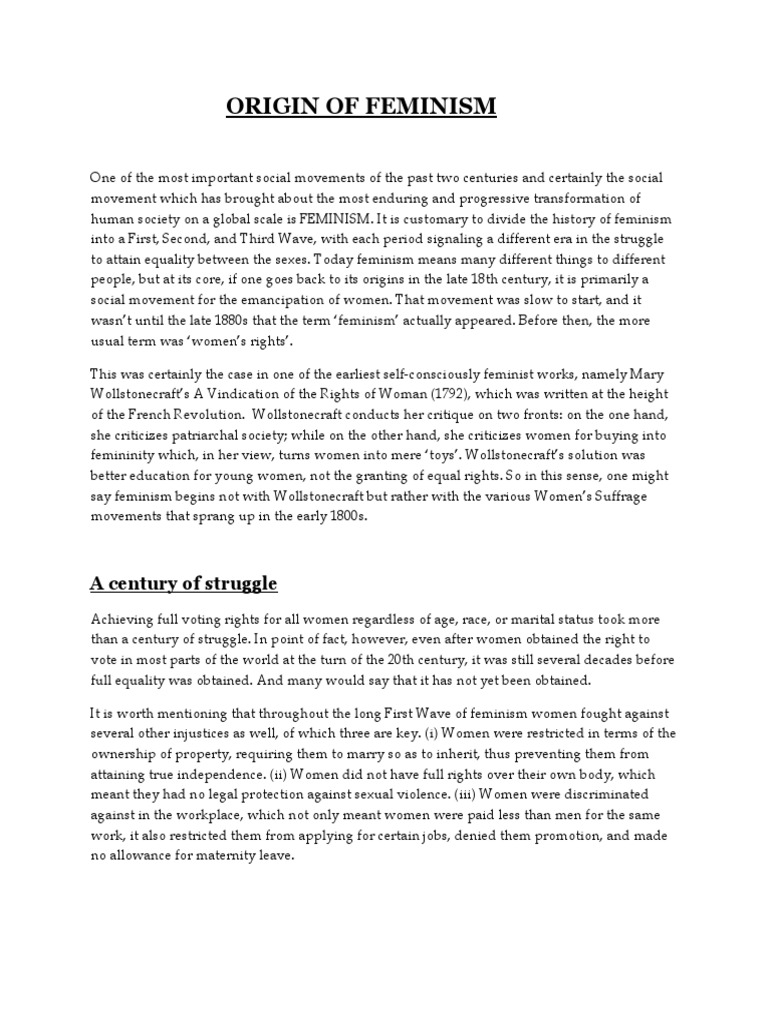
The allure, and the simultaneous aversion, surrounding feminism, particularly when filtered through the lens of a language as culturally rich and historically layered as Hindi, is a phenomenon that demands our unwavering attention. The common retort, “Feminism is a Western concept,” is a specious argument, a thinly veiled attempt to delegitimize the struggle for gender equity by othering it. It conveniently ignores the indigenous movements, the centuries of resistance, and the very real lived experiences of women within the Indian subcontinent who have tirelessly battled patriarchal oppression. This isn’t about importing a foreign ideology; it’s about recognizing the universal yearning for autonomy and self-determination that transcends geographical boundaries.
Let’s dissect this. To truly understand the ‘meaning of feminism in Hindi,’ we must transcend the simplistic dictionary definition. We must delve into the socio-political currents that inform its interpretation and the cultural nuances that shape its praxis.
I. Decoding the Linguistic Landscape: Feminism in Hindi
The most direct translation of ‘feminism’ in Hindi is नारीवाद (naariwad). ‘Nari’ signifies woman, and ‘wad’ denotes ideology or ism. However, the mere transliteration fails to capture the multifaceted dimensions of the concept. It lacks the emotional resonance, the historical context, and the inherent dynamism that feminism embodies. The very act of translation can be a political maneuver, either empowering or obfuscating the original intent. Are we using the most accurate and empowering term? This warrants deep contemplation.
II. Unpacking the Socio-Historical Context: A Subcontinental Perspective
To comprehend the Indian context of feminism, one must acknowledge the deep-seated patriarchal structures ingrained in the nation’s history, social norms, and even religious texts. From the subjugation of women in ancient scriptures to the contemporary prevalence of dowry deaths and female infanticide, the subcontinent bears the scars of systemic gender inequality. The battle against these entrenched biases requires a nuanced approach, one that acknowledges the specificities of the Indian experience while drawing inspiration from global feminist movements.
A. Pre-Colonial Resistance: Seeds of Feminism
The notion that feminism is solely a post-colonial import is a fallacy. History is replete with examples of pre-colonial women who defied societal norms and challenged patriarchal authority. From warrior queens like Rani Lakshmibai to poet-saints like Meerabai, women have consistently asserted their agency and resisted oppression. These acts of defiance, often overlooked in mainstream historical narratives, serve as the bedrock of Indian feminism. Their struggles, though perhaps not explicitly labeled as “feminist” in the modern sense, laid the groundwork for future generations of activists.
B. The Colonial Encounter: A Double-Edged Sword
The British colonial era brought about both progress and regress for Indian women. On one hand, colonial reforms, such as the abolition of Sati, aimed to improve the status of women. On the other hand, colonial rule also reinforced existing patriarchal structures and introduced new forms of oppression. The rise of nationalism witnessed women actively participating in the freedom struggle, challenging both colonial rule and gender inequality simultaneously. This intersectional struggle laid the foundation for a uniquely Indian brand of feminism, one that recognized the interconnectedness of gender, caste, class, and colonial subjugation.
C. Post-Independence India: Navigating the Labyrinth
Post-independence, India saw the enactment of several laws aimed at promoting gender equality. Yet, legal reforms alone have proved insufficient in dismantling the deeply entrenched patriarchal norms. The rise of Hindu nationalism, with its emphasis on traditional gender roles and the idealization of the “Bharatiya Nari” (Indian woman), has further complicated the landscape. Indian feminists today grapple with the challenges of navigating this complex terrain, advocating for women’s rights while simultaneously challenging the exclusionary and often misogynistic aspects of cultural nationalism.
III. The Multifaceted Dimensions of Feminism in Hindi: Beyond the Binary
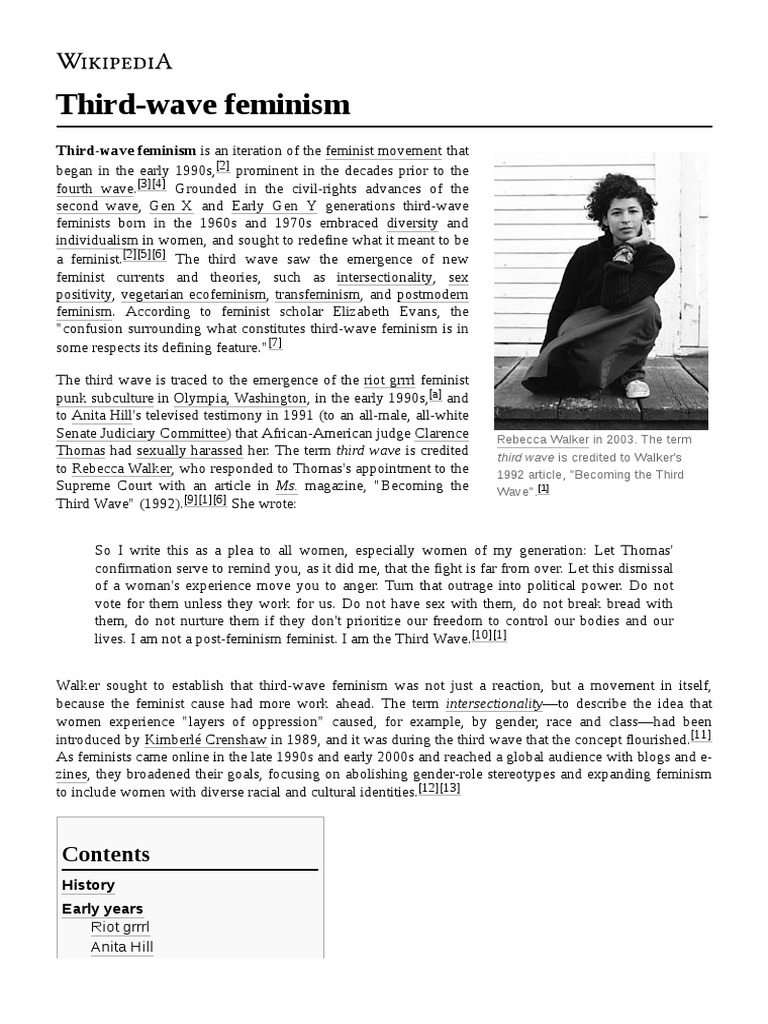
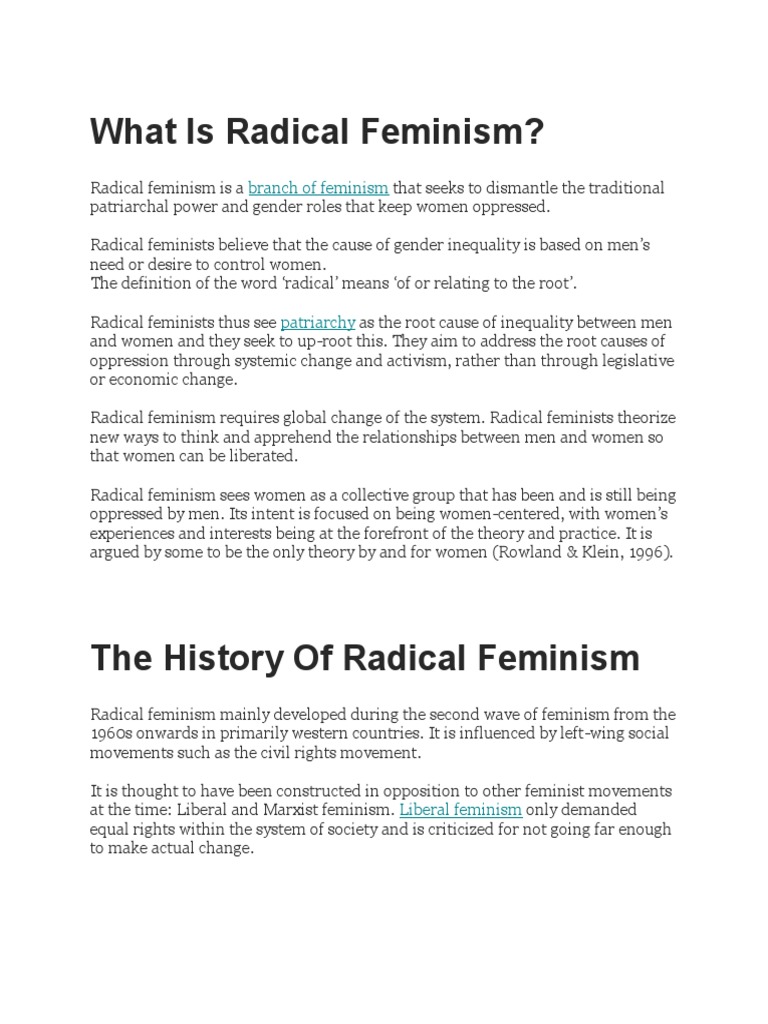
Feminism is not a monolithic entity. It encompasses a multitude of perspectives and approaches, each reflecting the unique experiences and concerns of different groups of women. In the Indian context, feminism is further complicated by the intersection of caste, class, religion, and region. To speak of a singular “Indian feminism” would be a gross oversimplification. Instead, we must acknowledge the existence of multiple feminisms, each striving for gender equity in its own distinct way.
A. Dalit Feminism: A Subaltern Perspective
Dalit feminism challenges the dominant narratives of Indian feminism, which often fail to address the specific experiences of Dalit women, who face the double burden of caste and gender discrimination. Dalit feminists critique the Brahmanical patriarchy that permeates Indian society and advocate for the annihilation of caste as a prerequisite for genuine gender equality. Their struggle is not merely about achieving equal rights for women; it’s about dismantling the very foundations of a system that has historically marginalized and oppressed Dalit communities.
B. Muslim Feminism: Reclaiming Agency Within Tradition
Muslim feminism in India seeks to challenge patriarchal interpretations of Islamic texts and reclaim agency for Muslim women within their religious tradition. Muslim feminists advocate for reforms in personal laws, such as those related to marriage, divorce, and inheritance, while simultaneously challenging the stereotypes and prejudices that Muslim women often face in Indian society. They strive to create a space where Muslim women can be both devout Muslims and empowered individuals.
C. Tribal Feminism: Protecting Indigenous Rights
Tribal feminism focuses on the specific challenges faced by tribal women in India, who are often marginalized due to their ethnicity, language, and geographical location. Tribal feminists advocate for the protection of indigenous land rights, cultural preservation, and access to education and healthcare for tribal women. They also challenge the patriarchal norms that exist within tribal communities, while simultaneously fighting against the exploitation and discrimination that tribal women face at the hands of the dominant society.
IV. The Road Ahead: Challenges and Opportunities
Despite the progress that has been made, Indian feminism still faces numerous challenges. The prevalence of gender-based violence, the persistence of patriarchal attitudes, and the rise of religious fundamentalism all pose significant obstacles to achieving gender equity. However, there are also reasons for optimism.
The increasing awareness of women’s rights, the growing number of women in leadership positions, and the vibrant feminist activism that is taking place across the country offer hope for a more just and equitable future. The key lies in fostering greater solidarity among different feminist groups, challenging the dominant narratives of patriarchal power, and amplifying the voices of marginalized women. This necessitates a deconstruction of the inherent biases embedded within the societal fabric. A monumental, but necessary, undertaking.
The journey towards gender equality in India is a long and arduous one, but it is a journey that must be undertaken. The ‘meaning of feminism in Hindi’ is not just about translating a word; it’s about embodying the principles of justice, equality, and liberation in every aspect of our lives. It’s about creating a society where all women, regardless of their caste, class, religion, or region, can live with dignity and self-respect. This is not a Western imposition; it is a fundamental human imperative.
The insidious nature of patriarchy lies in its ability to adapt and morph, presenting itself in ever more subtle and insidious forms. We must remain vigilant, constantly interrogating our own biases and assumptions, and challenging the power structures that perpetuate inequality. Only then can we hope to create a truly feminist future for India.
Therefore, let the conversation continue, let the debate rage on, and let the unwavering pursuit of justice guide our actions. The liberation of women is not just a women’s issue; it is a human issue. It is a prerequisite for a just and equitable society, and it is a goal that is worth fighting for, relentlessly and without compromise.








Leave a Comment