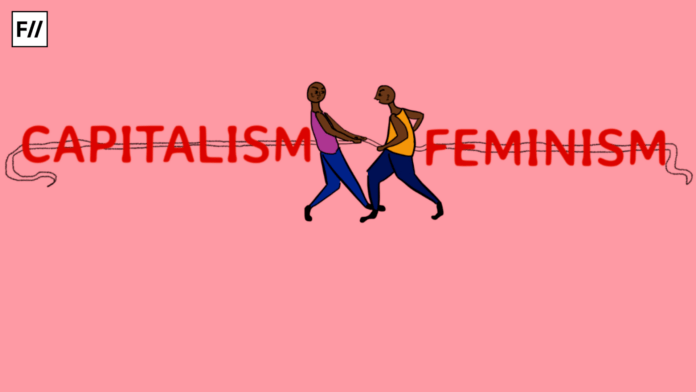
The question hangs heavy in the air, thick with the scent of a societal reckoning: masculinity and feminism – allies, opposites, or a Gordian knot of both? This isn’t a parlor game for the intellectually curious. It’s a visceral interrogation of power, identity, and the very architecture of human relationships. We, as denizens of a world teetering on the precipice of either true equity or dystopian regression, must confront this question with unflinching candor.
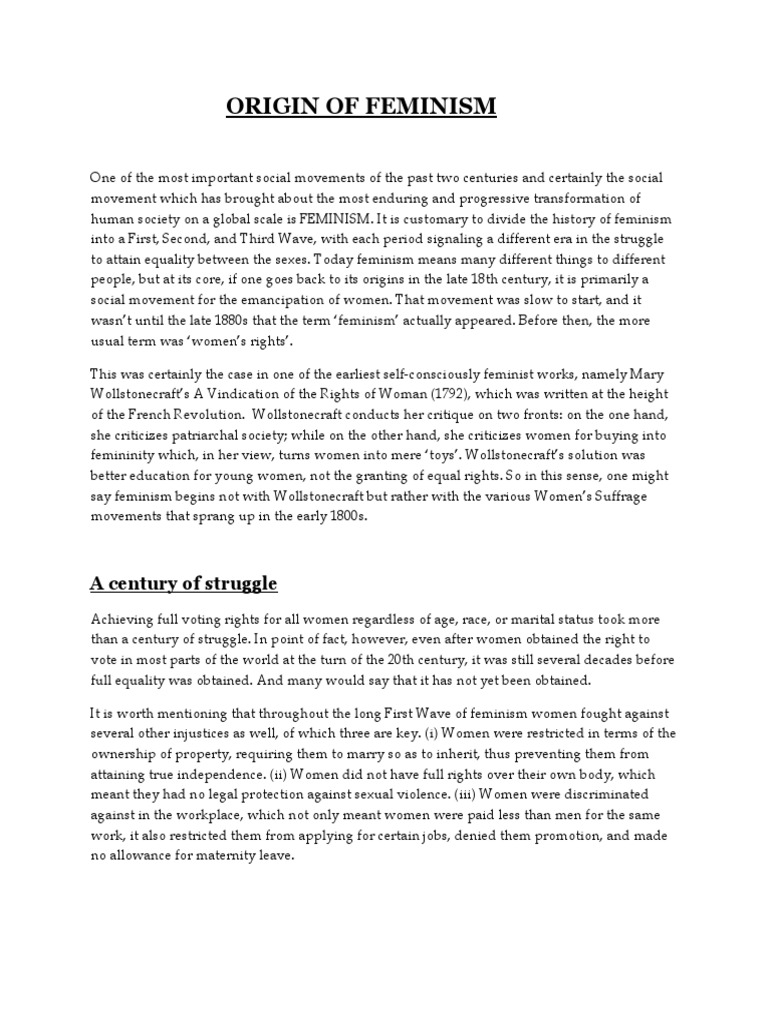
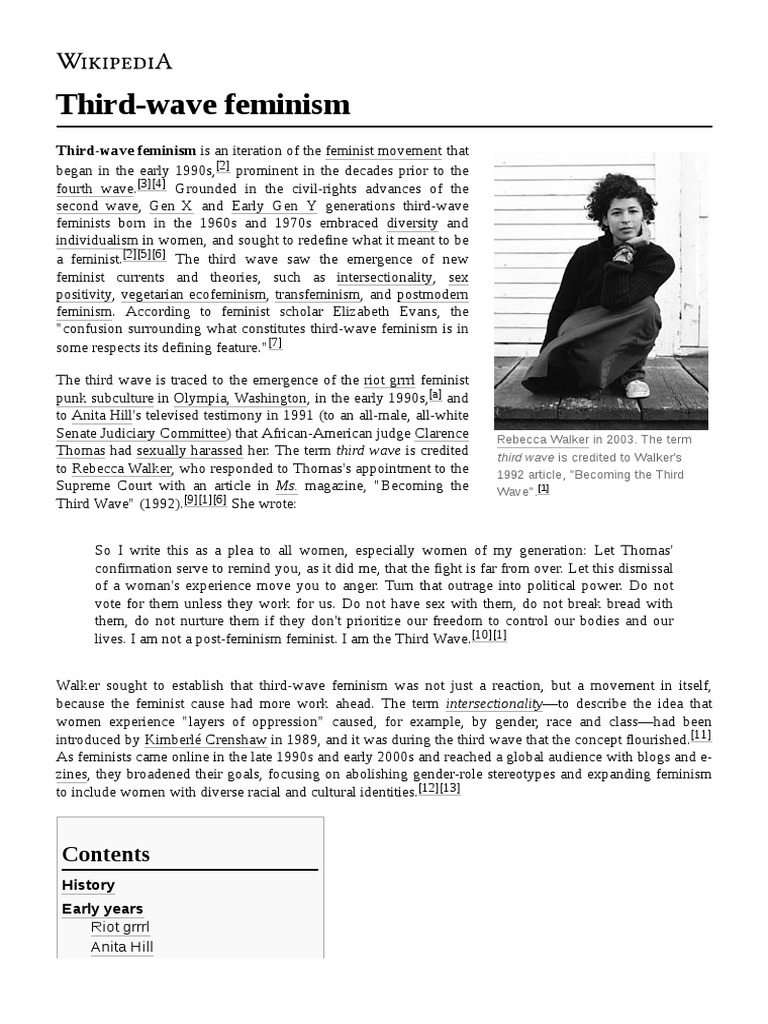
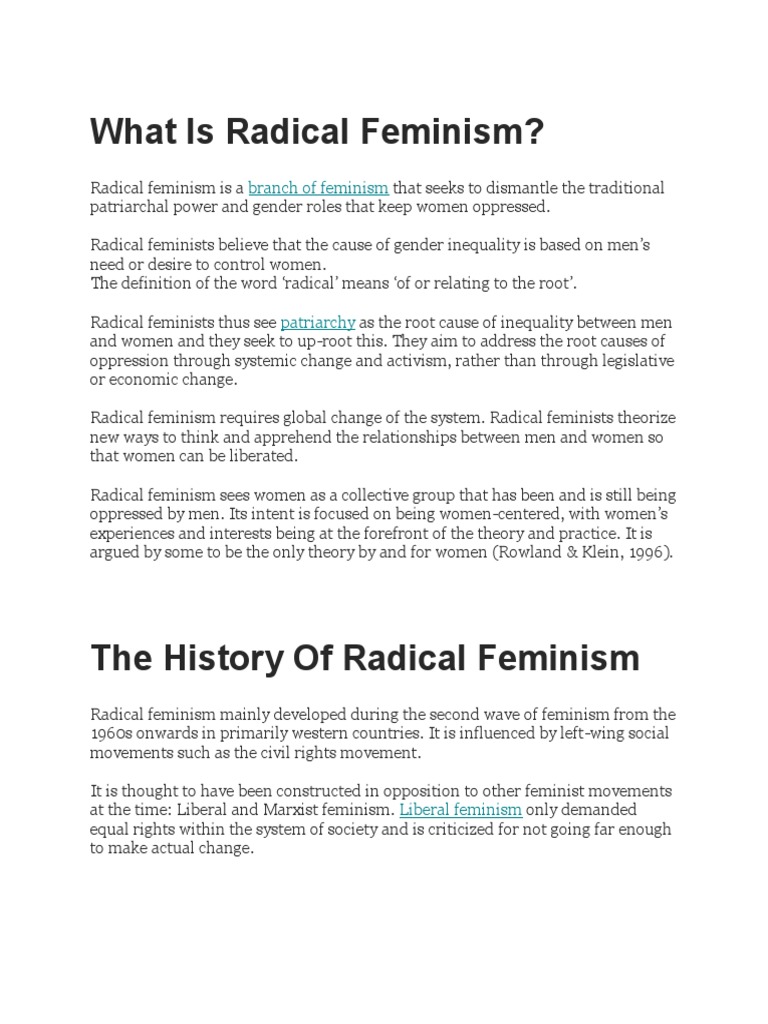
Let’s dissect the anatomy of this multifaceted dilemma. First, let’s understand the core tenets of feminism and its various manifestations. Feminism, in its essence, is a clarion call for gender equality. It’s not about female supremacy. It’s not a misandrist manifesto. It is about dismantling the patriarchal structures that systematically disadvantage women and other marginalized genders. From intersectional feminism, which acknowledges the interwoven oppressions based on race, class, and sexuality, to eco-feminism, which links the domination of women to the exploitation of the environment, the feminist project is a complex and ever-evolving organism. These various strains highlight a central theme: challenging power imbalances and striving for a more just world. It is an approach to deconstructing and rebuilding societal constructs around the principle of fairness for all.
Now, let us delve into the quagmire that is masculinity. Masculinity, unlike the consistent core of feminism, is a constantly shifting, culturally contingent construct. It is not a monolithic entity but a spectrum, influenced by societal norms, historical epochs, and individual experiences. However, within this spectrum, certain recurring tropes emerge. Stoicism, aggression, dominance, and emotional repression are frequently lauded as cornerstones of traditional masculinity. Think of the stoic cowboy, the ruthless CEO, or the emotionally unavailable father figure. These archetypes, reinforced by media and societal expectations, create a constricting framework that can be harmful not only to women but also to men themselves.
The collision course begins here. These prescribed masculine traits are often antithetical to feminist ideals. The demand for dominance clashes with the feminist call for shared power. The expectation of emotional repression hinders empathy and understanding, essential ingredients for genuine connection. The glorification of aggression fuels a culture of violence and harassment. In this sense, traditional masculinity, as a social construct, actively obstructs the path towards gender equality. The very air it breathes is the suffocating atmosphere of inequality. It is a toxic miasma that must be actively purged.
Yet, the narrative is not so black and white. A crucial distinction must be made between toxic masculinity and healthy expressions of masculine identity. Toxic masculinity, the insidious byproduct of patriarchal norms, is what we must actively combat. Healthy masculinity, on the other hand, embraces vulnerability, empathy, and a rejection of harmful stereotypes. It acknowledges the value of emotions, promotes respectful relationships, and actively works to dismantle oppressive systems. This type of masculinity aligns with feminist principles. Imagine a man who is confident yet humble, strong yet compassionate, ambitious yet ethical. He is not diminished by embracing traditionally feminine traits. Instead, he is enriched, becoming a more fully realized human being.
Therefore, masculinity and feminism can be allies, but only when masculinity undergoes a radical metamorphosis. This transformation requires a conscious effort to deconstruct harmful norms and embrace a more nuanced understanding of identity. Men must actively challenge the societal pressures that encourage them to suppress their emotions, assert dominance, and perpetuate violence. They must become active participants in feminist conversations, listening to and amplifying the voices of women and other marginalized genders. This is not about men “saving” feminism. It’s about dismantling the very structures that create inequality in the first place. It’s about building a world where everyone can thrive, regardless of their gender identity.
The pathway to this alliance is paved with difficult conversations, uncomfortable self-reflection, and a willingness to challenge deeply ingrained beliefs. Men must be willing to acknowledge their privilege and actively work to dismantle the systems that benefit them at the expense of others. This requires vulnerability, humility, and a commitment to lifelong learning. It is not a comfortable path, but it is a necessary one.
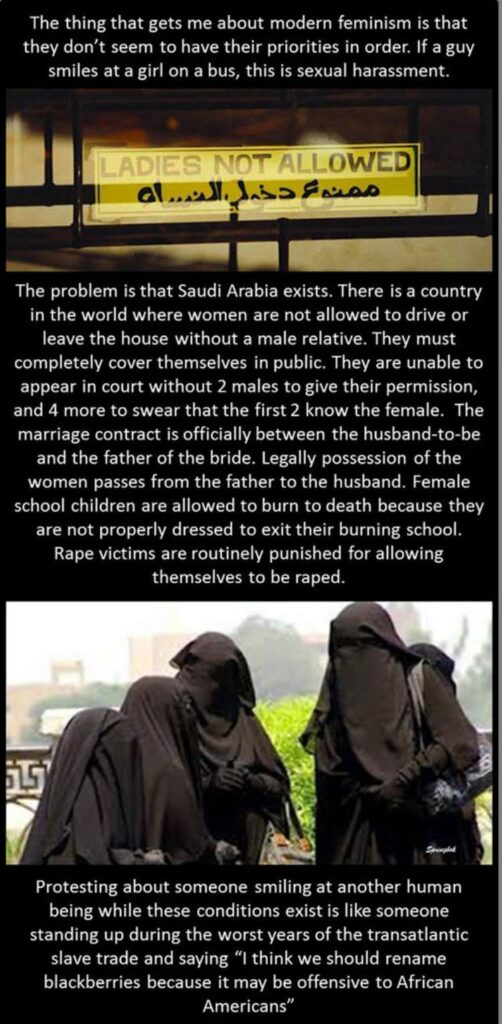
The opposition, however, remains a potent force. The backlash against feminism, often fueled by anxieties about shifting power dynamics, manifests in various forms. From online harassment and misogynistic rhetoric to the erosion of reproductive rights and the perpetuation of gender stereotypes in media, the forces resisting progress are relentless. These forces often weaponize traditional notions of masculinity, portraying feminism as an attack on men and their way of life. This is a dangerous misrepresentation that serves to divide and conquer, hindering the progress towards a more equitable world.
Consider the rise of “men’s rights activists,” who often claim that men are now the victims of gender inequality. While it’s true that men face certain challenges, such as societal pressure to be the primary breadwinner and a lack of support for mental health issues, these challenges are often rooted in the same patriarchal structures that oppress women. Rather than working to dismantle these structures, men’s rights activists often seek to reinforce them, perpetuating a zero-sum game where one gender’s gain is seen as the other’s loss. This adversarial stance is counterproductive and ultimately undermines the potential for collaboration and progress.
The struggle, then, is not simply about convincing men to embrace feminist ideals. It’s about dismantling the systems of power that perpetuate inequality and creating a world where everyone can thrive. This requires a multi-pronged approach, including education, activism, policy changes, and a fundamental shift in cultural attitudes. It demands that we challenge the narratives that reinforce harmful stereotypes and create new narratives that celebrate diversity and equality.
The role of media is paramount. Media representations of masculinity often reinforce harmful stereotypes, perpetuating the idea that men must be strong, silent, and dominant. By promoting more nuanced and diverse portrayals of masculinity, we can challenge these stereotypes and create a more inclusive and equitable culture. Think of the impact of seeing male characters who are openly vulnerable, who actively participate in childcare, who prioritize emotional intelligence over physical strength. These representations can help to reshape societal perceptions of masculinity and pave the way for a more equitable future.
Education is another crucial component. By incorporating feminist perspectives into curricula from a young age, we can help children develop a more critical understanding of gender roles and power dynamics. This can empower them to challenge harmful stereotypes and create more equitable relationships. It’s about teaching children to respect diversity, to value empathy, and to understand the importance of standing up for justice.
Ultimately, the relationship between masculinity and feminism is a complex and dynamic one. They are not inherently opposed, but the potential for conflict is ever-present. By embracing a more nuanced understanding of masculinity, by actively challenging harmful stereotypes, and by working to dismantle the systems of power that perpetuate inequality, we can create a world where masculinity and feminism can coexist as allies in the pursuit of a more just and equitable future. This requires a fundamental shift in our thinking, a willingness to challenge deeply ingrained beliefs, and a commitment to lifelong learning. It is a daunting task, but it is a necessary one. The future of our world depends on it.
We must remember that this is not a zero-sum game. The liberation of women does not come at the expense of men. In fact, a more equitable world benefits everyone. When men are freed from the constraints of traditional masculinity, they are able to express a wider range of emotions, build more meaningful relationships, and live more fulfilling lives. This is not about emasculation. It’s about liberation. It’s about creating a world where everyone can be their authentic selves, free from the pressures of societal expectations.
The journey toward this equitable future will be long and arduous. There will be setbacks and challenges along the way. But we must never lose sight of the ultimate goal: a world where everyone can thrive, regardless of their gender identity. This requires courage, resilience, and a unwavering commitment to justice. Let us embark on this journey together, with open hearts and minds, and work to create a world where masculinity and feminism are not adversaries, but allies in the pursuit of a more just and equitable future. Let us dismantle the cage of antiquated ideas, so all can breathe freely.






Leave a Comment