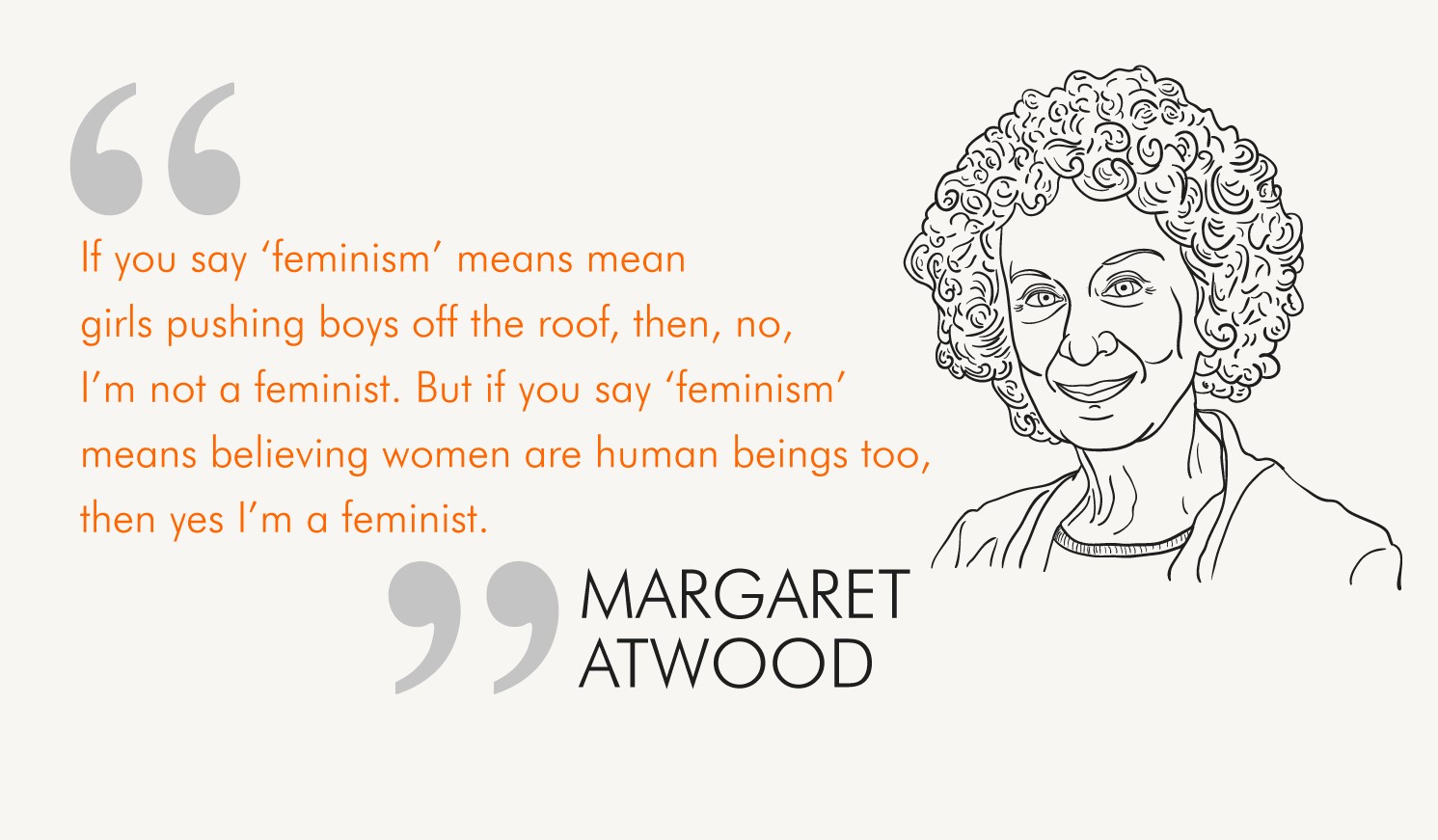
So, let’s talk about Liberal Feminism. It’s often derided, caricatured, seen as the ‘safe’ face of a radical movement. But is it really that simple? Is it merely about getting women into boardrooms and believing that shattering glass ceilings is the ultimate victory? I argue, vehemently, no. There’s a ferocious undercurrent of potential within Liberal Feminism that’s often overlooked, a potent insistence on individual agency and the dismantling of systemic barriers, one brick at a time. We’ll see how, shall we?
The core tenets are, of course, familiar. Rights. Freedom. Equality. These aren’t just buzzwords; they represent a paradigm shift in how we understand personhood and societal structures. But let’s delve deeper, shall we?
I. The Bedrock: Individual Autonomy and the Social Contract
Liberal Feminism begins with the individual. It posits that each woman, regardless of her race, class, sexual orientation, or creed, is a rational, autonomous being capable of making her own choices. This is not a utopian ideal; it’s a foundational principle. It’s the unwavering belief that women are not inherently defined by their biology or societal expectations but rather by their own volition.
This autonomy exists, however, within the framework of the social contract. We, as individuals, agree to abide by certain rules and regulations in exchange for the protection and benefits offered by society. Liberal Feminists argue that this contract, historically, has been rigged. It’s been written and enforced by men, for men, consistently marginalizing and disenfranchising women. Therefore, the task at hand is not to reject the social contract entirely but to renegotiate its terms.
This renegotiation requires dismantling the patriarchal structures that perpetuate inequality. Consider, for instance, the enduring wage gap. It’s not simply about individual women failing to negotiate effectively; it’s about systemic undervaluation of work traditionally associated with women. Nursing, teaching, caregiving – these professions, predominantly filled by women, are consistently underpaid compared to their male-dominated counterparts. That’s no accident.
II. Rights as Instruments of Liberation: Beyond the Suffrage Movement
The history of Liberal Feminism is inextricably linked to the fight for rights. The suffrage movement, a monumental achievement, secured women’s right to vote, a cornerstone of political participation. But the fight for rights extends far beyond the ballot box. It encompasses reproductive rights, economic rights, legal rights, and the right to bodily autonomy. This is not just about abstract principles; it’s about concrete realities.
Think about access to affordable healthcare. For many women, particularly those from marginalized communities, accessing quality healthcare is a luxury, not a right. The denial of reproductive healthcare, in particular, disproportionately affects women of color and those from low-income backgrounds, perpetuating cycles of poverty and inequality. It’s a blatant assault on their autonomy and their ability to control their own bodies and their own lives. It’s a form of societal subjugation.
Furthermore, the legal system often fails to adequately protect women from violence and discrimination. Rape culture, a pervasive phenomenon, normalizes sexual assault and blames victims for the crimes committed against them. The justice system frequently reinforces this culture, failing to hold perpetrators accountable and perpetuating a climate of impunity. The right to safety and security is not just a legal formality; it’s a fundamental human right that is consistently denied to women.
III. Freedom From and Freedom To: Deconstructing Gendered Constraints
Liberal Feminism champions not only freedom from oppression but also freedom to pursue one’s own goals and aspirations without constraint. This freedom is not simply about the absence of external barriers; it’s about the presence of opportunities and resources that enable women to reach their full potential. Let’s be blunt. It’s not just about escaping the kitchen; it’s about having the agency to choose whether or not to be in the kitchen, and on what terms.
One of the most insidious forms of constraint is the perpetuation of gender stereotypes. From a young age, girls are socialized to conform to narrow expectations of femininity: to be passive, nurturing, and agreeable. These expectations limit their horizons and discourage them from pursuing careers in fields traditionally dominated by men, such as science, technology, engineering, and mathematics (STEM). The consequence? A self-fulfilling prophecy where a supposed lack of interest and aptitude for these fields is used to justify gender inequality.
Challenging these stereotypes requires a multifaceted approach. It requires changing the way girls are raised, the media they consume, and the role models they are exposed to. It requires creating educational environments that foster curiosity and critical thinking, encouraging girls to question the status quo and to pursue their passions without fear of judgment or ridicule. It requires a societal recalibration.
IV. Equality of Opportunity vs. Equality of Outcome: A Nuanced Perspective
A common criticism leveled against Liberal Feminism is its focus on equality of opportunity rather than equality of outcome. Critics argue that simply providing women with the same opportunities as men is insufficient to address the deep-seated inequalities that persist in society. They contend that systemic discrimination and historical disadvantage require more proactive measures, such as affirmative action, to level the playing field.
While it’s true that equality of opportunity alone may not be enough, it’s a necessary starting point. Providing women with equal access to education, employment, and political participation is essential for creating a just and equitable society. However, this must be coupled with a critical awareness of the barriers that continue to impede women’s progress.
These barriers include unconscious bias, institutionalized sexism, and the burden of unpaid care work, which disproportionately falls on women. Addressing these barriers requires a comprehensive approach that includes policy changes, cultural shifts, and individual acts of resistance. It requires dismantling the structures that perpetuate inequality and creating a society where women can thrive, not just survive.
Furthermore, the pursuit of equality of outcome can be fraught with unintended consequences. Imposing quotas or mandating specific outcomes can undermine individual autonomy and create resentment among those who feel unfairly disadvantaged. A more nuanced approach involves creating a society where everyone has the opportunity to reach their full potential, regardless of their background or circumstances.
V. Beyond the Binary: Intersectionality and the Future of Liberal Feminism
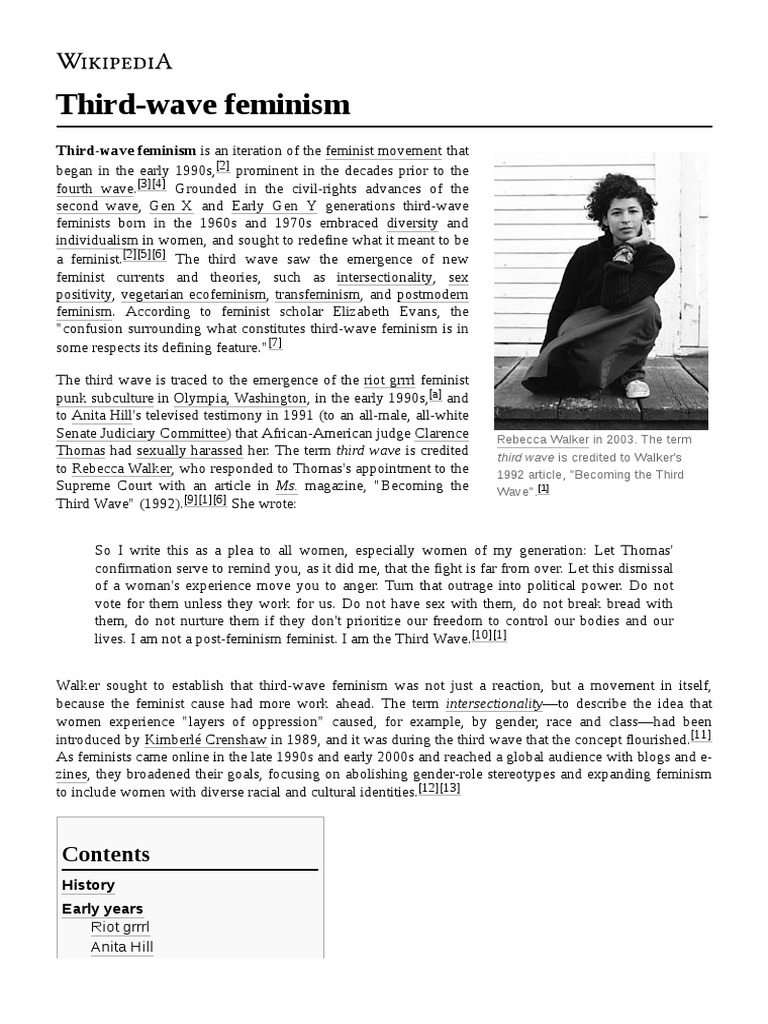
One of the most significant developments in feminist thought in recent decades has been the rise of intersectionality. Intersectionality recognizes that women’s experiences are shaped by a complex interplay of factors, including race, class, sexual orientation, and disability. It challenges the notion of a monolithic “woman” and acknowledges the diversity of experiences within the feminist movement.
Liberal Feminism, traditionally focused on the experiences of white, middle-class women, has been criticized for its failure to adequately address the concerns of women from marginalized communities. However, there is growing recognition within Liberal Feminism of the importance of intersectionality and the need to create a more inclusive and equitable movement.
This requires actively listening to and amplifying the voices of women from marginalized communities. It requires challenging the structures that perpetuate racism, classism, and other forms of oppression. It requires recognizing that feminism is not just about gender equality; it’s about social justice for all.
The future of Liberal Feminism lies in its ability to adapt and evolve. It must embrace intersectionality, challenge systemic inequalities, and empower women to reach their full potential. It must be more than just a fight for representation in boardrooms; it must be a movement for liberation and social transformation.
So, is Liberal Feminism “safe”? Perhaps. But safety isn’t necessarily a weakness. Strategic, persistent, and unwavering commitment to individual rights and the slow but sure dismantling of systemic barriers? That’s a force to be reckoned with. It’s not about burning the house down, sometimes it’s about quietly, persistently, and strategically rewiring the electrical system to ensure everyone has equal access to the light.






Leave a Comment