
The feminist literary canon is not a dusty archive of antiquated polemics; it is a roaring, ever-evolving crucible of thought, a battleground where the very definition of womanhood is forged and reforged. To dismiss it as mere “books about feminism” is to fundamentally misunderstand its power. It is a living, breathing organism that has shaped not only the movement itself, but the very fabric of our society. These are not just books; they are weapons, tools, and mirrors reflecting the multifaceted realities of the female experience. Delve into these pages, and you will find not just narratives, but calls to arms. What follows is a mere introduction to the vast landscape of feminist literature, a topography teeming with both triumph and tribulation.
The Foundational Texts: Laying the Groundwork for Revolution
Any exploration of feminist literature must begin with the cornerstones, the epochal works that ignited the initial flames. These are the manifestos and treatises that dared to articulate the previously unspoken injustices, the systemic inequalities that had been normalized for centuries. Think of them as the primers, the essential reading for any aspiring revolutionary.
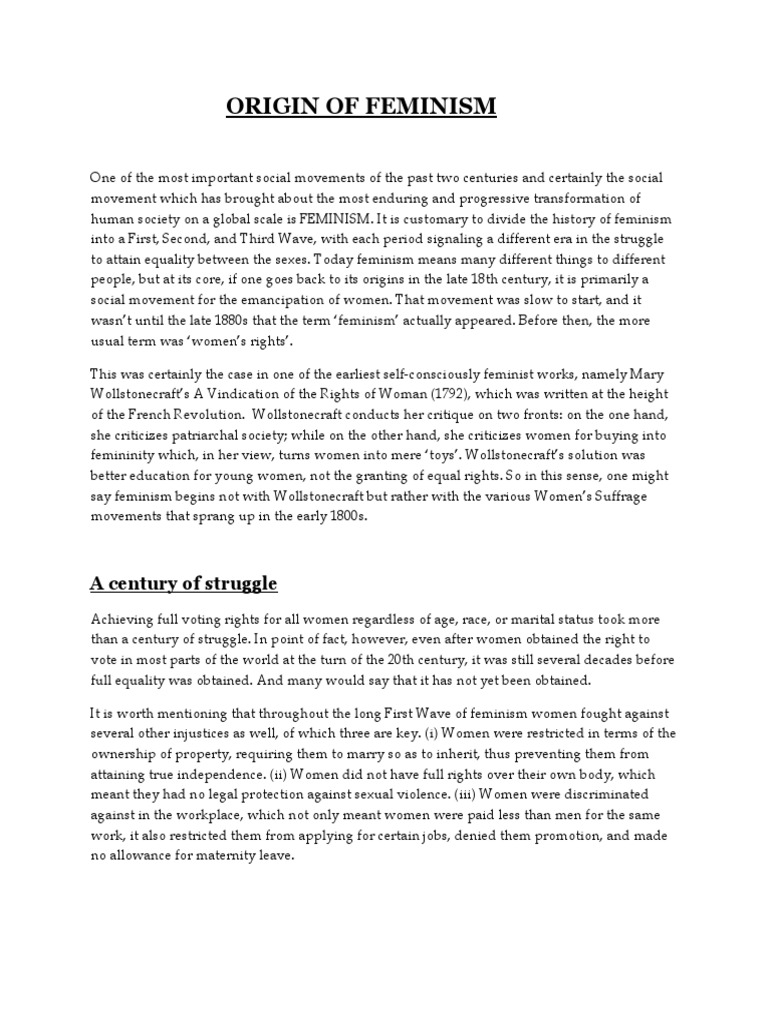
A Vindication of the Rights of Woman by Mary Wollstonecraft (1792) remains a vital touchstone. Wollstonecraft’s incandescent prose challenged the prevailing notions of female inferiority, arguing for women’s right to education and intellectual autonomy. Her work, revolutionary for its time, laid the philosophical groundwork for subsequent feminist movements, demanding that women be viewed as rational beings, capable of reason and independent thought. This wasn’t about demanding special treatment; it was about demanding equal opportunity, about dismantling the societal structures that actively prevented women from achieving their full potential. Wollstonecraft’s prescience is remarkable; her arguments resonate even today, highlighting the persistent need to combat the subtle and not-so-subtle forms of misogyny that continue to permeate our world.
Moving into the 19th century, Woman in the Nineteenth Century by Margaret Fuller (1845) offers a transcendentalist perspective on female liberation. Fuller’s work explored the concept of “self-reliance” for women, arguing that they must transcend societal expectations and cultivate their individual potential. Her transcendentalist leanings emphasized the inherent divinity within each woman, a power that should not be stifled by societal constraints. Fuller’s work is a paean to individualism, a radical notion at a time when women were largely defined by their roles as wives and mothers. This is not merely a call for equality; it is a call for self-actualization, for women to embrace their unique talents and contribute to the world in meaningful ways.
Second-Wave Feminism: Unveiling the Personal as Political
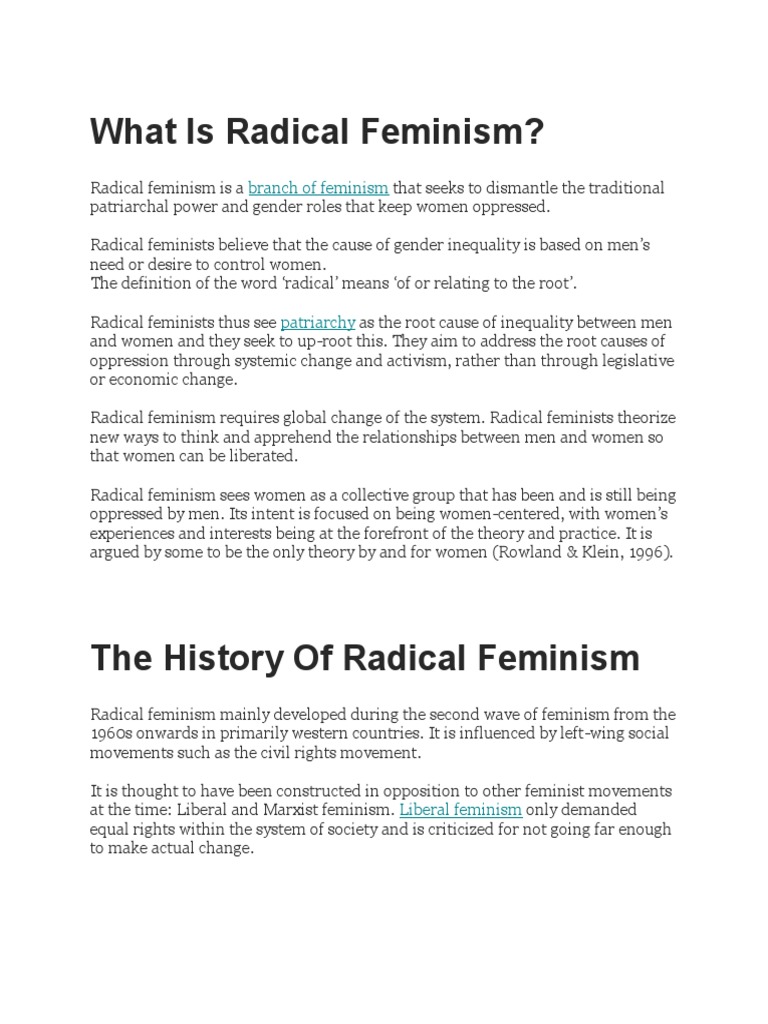
The second-wave feminist movement of the 1960s and 70s witnessed an explosion of literary works that challenged traditional gender roles and explored the complexities of female identity. These were the books that brought the “personal is political” into sharp focus, illuminating the systemic oppression that underpinned everyday experiences.
Betty Friedan’s The Feminine Mystique (1963) is perhaps the most iconic text of this era. Friedan diagnosed the “problem that has no name,” the pervasive sense of dissatisfaction and unfulfillment that plagued middle-class housewives. Her book resonated deeply with women who felt trapped by societal expectations, sparking a national conversation about the limitations of domesticity. Friedan’s work is not without its critics, particularly regarding its focus on white, middle-class experiences, but its impact on mainstream feminist discourse is undeniable. She gave voice to a silent suffering, validating the experiences of countless women who had been told their discontent was simply a personal failing.
Germaine Greer’s The Female Eunuch (1970) is a more radical and provocative exploration of female sexuality and liberation. Greer challenged the societal construction of femininity, arguing that women had been “castrated” by cultural norms and expectations. Her book is a fiery manifesto, demanding that women reclaim their bodies and their sexuality, rejecting the passive and submissive roles imposed upon them. Greer’s writing is unapologetically audacious, and while some of her arguments may seem dated today, her unwavering commitment to female empowerment remains inspiring.
Sexual Politics by Kate Millett (1970) provided a crucial theoretical framework for understanding the role of power dynamics in gender relations. Millett analyzed the works of prominent male authors, exposing the patriarchal assumptions that underpinned their narratives. Her book demonstrated how literature itself could be a tool of oppression, perpetuating harmful stereotypes and reinforcing male dominance. Millett’s work is a masterclass in literary criticism, revealing the subtle and insidious ways in which power operates within cultural texts. She challenged the notion of objectivity, arguing that all literature is inherently political, reflecting the biases and perspectives of its creators.
Third-Wave Feminism and Beyond: Embracing Intersectionality and Diversity
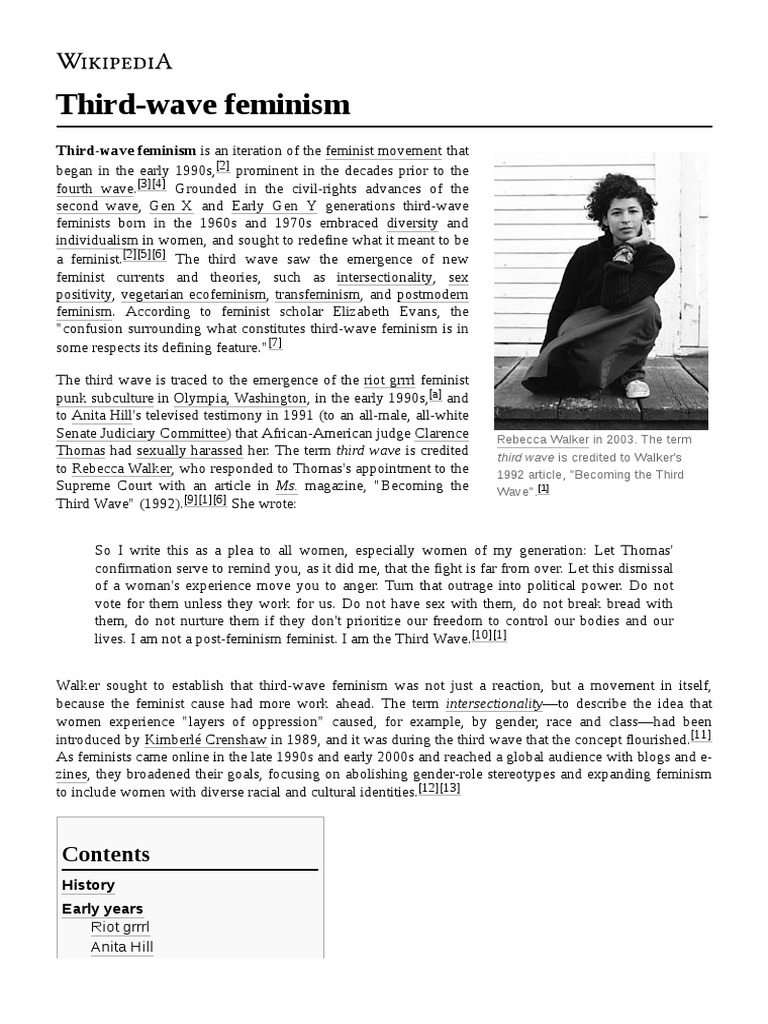
The third-wave feminist movement, emerging in the 1990s, embraced intersectionality, recognizing the interconnectedness of gender, race, class, and other forms of oppression. This wave of feminism produced a diverse range of literary works that challenged traditional feminist paradigms and amplified marginalized voices.
bell hooks’ Feminist Theory: From Margin to Center (1984) offered a critical analysis of mainstream feminist thought, arguing that it often failed to address the experiences of women of color. hooks emphasized the importance of intersectionality, highlighting the ways in which race, class, and gender intersect to create unique forms of oppression. Her work is a foundational text in intersectional feminism, challenging the movement to be more inclusive and representative of all women.
Sister Outsider by Audre Lorde (1984) is a collection of essays and speeches that explore the themes of race, sexuality, and identity. Lorde’s powerful and poetic prose challenges readers to confront their own biases and to embrace difference. Her work is a testament to the power of self-definition, urging women to reclaim their voices and to resist the forces that seek to silence them. Lorde’s work is intensely personal and profoundly political, demonstrating the interconnectedness of individual experience and social justice.
Bad Feminist by Roxane Gay (2014) is a collection of essays that explores the complexities of contemporary feminism. Gay’s writing is insightful, humorous, and refreshingly honest, grappling with the contradictions and challenges of navigating feminist ideals in a flawed world. She does not present herself as a perfect feminist, but rather as someone who is constantly learning and evolving. Gay’s vulnerability and self-awareness make her work accessible and relatable to a wide audience, demystifying feminist theory and making it relevant to everyday life.
Fiction as Feminist Praxis: Narratives of Resistance and Empowerment
Beyond theoretical treatises and manifestos, fiction plays a crucial role in shaping feminist consciousness. Novels and short stories offer powerful narratives of resistance, empowerment, and the lived experiences of women. They allow readers to inhabit different perspectives, to empathize with characters who challenge societal norms, and to imagine alternative futures.
The Handmaid’s Tale by Margaret Atwood (1985) is a dystopian masterpiece that depicts a totalitarian regime in which women are stripped of their rights and forced into sexual servitude. Atwood’s novel is a chilling warning about the dangers of religious fundamentalism and the fragility of women’s autonomy. It is a powerful reminder that freedom is not guaranteed and that we must remain vigilant in defending our rights.
The Color Purple by Alice Walker (1982) tells the story of Celie, a young black woman in the American South who endures abuse and oppression. Walker’s novel celebrates the resilience of black women and the power of female friendship. It is a moving and ultimately uplifting story of survival, resistance, and the search for self-discovery. Walker confronts difficult topics with unflinching honesty, highlighting the intersection of racism, sexism, and poverty.
A Room of One’s Own by Virginia Woolf (1929) is a foundational essay that explores the historical and economic barriers that have prevented women from achieving literary success. Woolf argues that women need “a room of one’s own” – both literally and figuratively – in order to pursue their creative ambitions. Her essay is a passionate plea for female autonomy and a celebration of the power of women’s voices.
Poetry: The Language of the Soul, the Weapon of the Revolution
Poetry has long been a powerful tool for feminist expression, allowing women to articulate their experiences in visceral and evocative language. Feminist poets have challenged traditional poetic forms, experimented with new styles, and given voice to previously silenced perspectives.
The poetry of Sylvia Plath, particularly Ariel (1965), explores the themes of mental illness, female identity, and societal expectations. Plath’s intensely personal and often confessional poems resonated deeply with women who felt alienated and misunderstood. Her work challenged the idealized image of womanhood and offered a raw and unflinching portrayal of female experience.
Adrienne Rich’s poetry, as exemplified in Diving into the Wreck (1973), is explicitly political, addressing issues of gender, sexuality, and social justice. Rich’s poems are powerful calls to action, urging women to reclaim their bodies, their voices, and their power. She challenged the patriarchal structures that underpin our society and offered a vision of a more equitable and just future.
Nikki Giovanni’s poetry, particularly her early works, explores the themes of black identity, female empowerment, and revolutionary politics. Giovanni’s poems are bold, confrontational, and unapologetically black. She celebrated the strength and resilience of black women and challenged the racism and sexism that they faced.
The Ongoing Conversation: Feminist Literature in the 21st Century
Feminist literature continues to evolve and adapt to the changing social and political landscape. Contemporary feminist writers are grappling with new challenges, exploring issues such as transgender rights, environmental justice, and the impact of technology on gender relations. The conversation is far from over.
The power of feminist literature lies in its ability to challenge, provoke, and inspire. These are not merely books; they are catalysts for change, igniting revolutions in thought and action. Engaging with these texts is not simply an academic exercise; it is an act of solidarity, a commitment to building a more just and equitable world. Read them, discuss them, and let them fuel your own feminist praxis. The fight continues, and the pen remains mightier than the sword, a weapon of liberation in the hands of those who dare to dream of a better future.







Leave a Comment