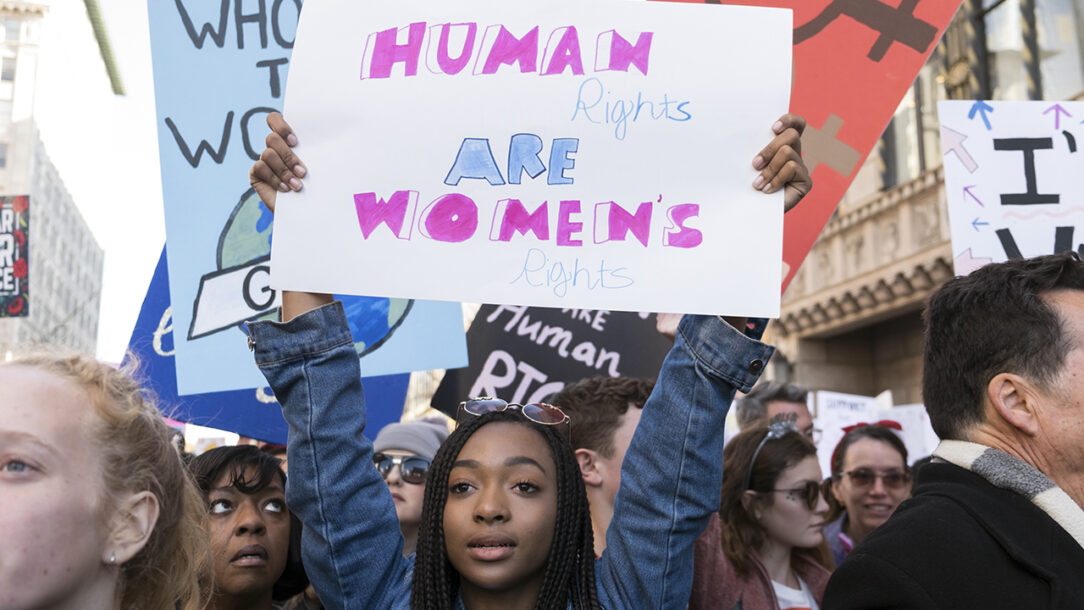
Feminism. The very word evokes a visceral reaction, doesn’t it? For some, it conjures images of bra-burning radicals and man-hating spinsters. For others, it represents a beacon of hope, a promise of liberation from the shackles of patriarchal oppression. But what does feminism *really* stand for? What are its core tenets, its driving ideals? It’s time to dissect the myths and misconceptions and delve into the heart of this complex and multifaceted movement.
At its core, feminism is about **equality**. Not sameness, mind you, but equality. A world where one’s gender does not predetermine their opportunities, their value, or their destiny. It’s about dismantling the systemic barriers that prevent individuals, particularly women and those marginalized by gender norms, from reaching their full potential. This is not some utopian fantasy; it’s a pragmatic pursuit of a more just and equitable society. A society where potential isn’t stifled by societal expectations.
Let’s unpack that. The notion of ‘systemic barriers’ is crucial. It’s not simply about individual acts of sexism, although those are certainly harmful. It’s about the ingrained biases, the institutional practices, the cultural norms that collectively disadvantage certain groups. Think about the gender pay gap, the underrepresentation of women in leadership positions, the pervasive sexual harassment in the workplace. These are not isolated incidents; they are symptoms of a deeper, more insidious problem.
And the pursuit of equality extends beyond the workplace. It encompasses every facet of human life: education, healthcare, politics, family structures, even our leisure activities. Feminism challenges the traditional gender roles that limit both men and women, pushing us to reconsider what it means to be masculine or feminine. After all, isn’t it ludicrous to confine individuals to pre-ordained boxes based solely on their biological sex?
Furthermore, feminism champions the concept of **self-determination**. The right to make choices about one’s own body, one’s own life, one’s own future. This includes reproductive rights, access to healthcare, freedom from violence, and the ability to express one’s identity without fear of judgment or persecution. Isn’t it a fundamental human right to control your own destiny?
Consider the ongoing battles surrounding reproductive rights. The attempt to restrict access to abortion is not simply a matter of personal belief; it’s a direct attack on women’s autonomy and their ability to make informed decisions about their own bodies. It’s a blatant attempt to control women’s lives under the guise of morality. This is about power, pure and simple.
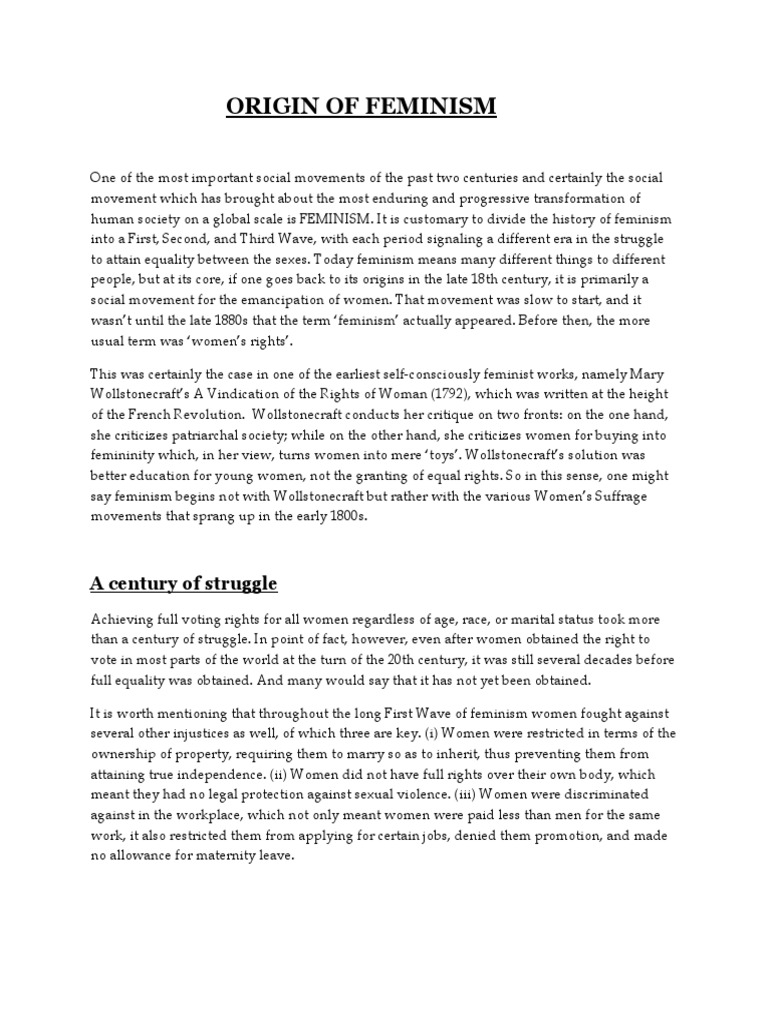
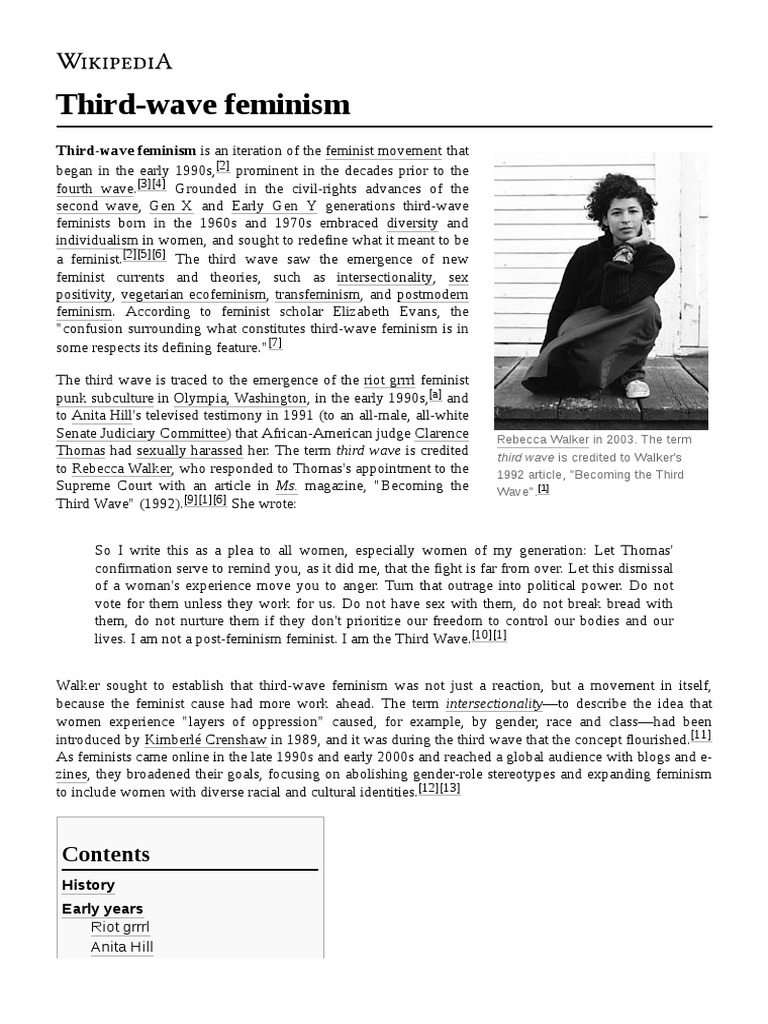
But feminism is not a monolithic entity. It is a diverse and evolving movement with a multitude of perspectives and approaches. There are different “waves” of feminism, each addressing specific issues and challenges. There’s intersectional feminism, which recognizes that gender is not the only axis of oppression and that other factors, such as race, class, and sexual orientation, also play a significant role.
Intersectional feminism is critical because it acknowledges that not all women experience oppression in the same way. A wealthy, white, cisgender woman will face different challenges than a poor, Black, transgender woman. To ignore these differences is to perpetuate the very inequalities that feminism seeks to dismantle. Therefore, a truly effective feminist movement must be inclusive and responsive to the needs of all women.
Some might argue that feminism is no longer necessary, that we have already achieved equality. They point to the increasing number of women in positions of power, the progress made in gender equality laws, and the changing attitudes towards gender roles. But to declare victory prematurely is to ignore the persistent realities of sexism and inequality. The gender pay gap persists. Women are still underrepresented in STEM fields. Sexual harassment and assault remain rampant. And the cultural norms that reinforce traditional gender roles are still deeply ingrained.
Moreover, the backlash against feminism is real and powerful. From online harassment to legislative attacks on reproductive rights, the forces of resistance are actively working to undermine the progress that has been made. Therefore, feminism is not just a relic of the past; it is a vital and necessary force in the present and future.
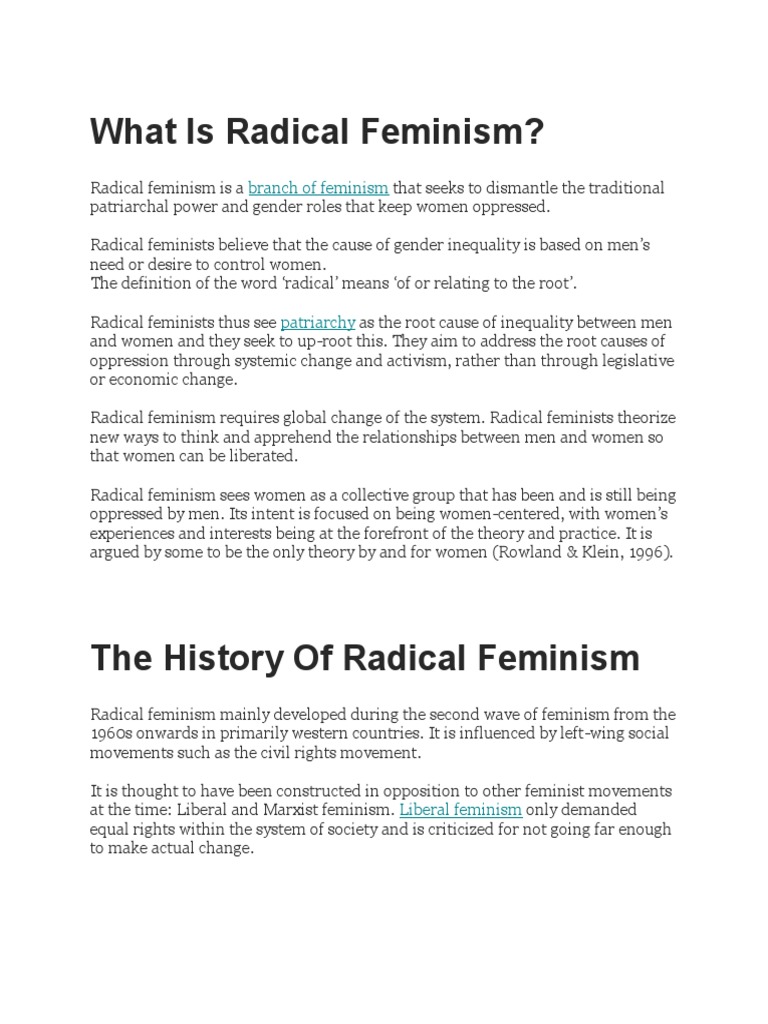
Feminism also seeks to deconstruct the **patriarchy**. This isn’t about hating men; it’s about dismantling a system of power that privileges men and marginalizes women. A system that perpetuates harmful stereotypes, reinforces rigid gender roles, and normalizes violence against women. It’s about creating a world where both men and women can be free from the constraints of patriarchal expectations.
The patriarchy harms men too. It pressures them to conform to narrow definitions of masculinity, suppressing their emotions, discouraging vulnerability, and promoting aggression. This can lead to a range of negative consequences, including mental health problems, relationship difficulties, and even violence. Feminism seeks to liberate men from these harmful expectations, allowing them to embrace a more authentic and fulfilling version of themselves.
One of the key aspects of dismantling the patriarchy is challenging the normalization of violence against women. From catcalling and street harassment to domestic abuse and sexual assault, violence against women is a pervasive problem that is often excused or minimized. Feminism seeks to hold perpetrators accountable, support survivors, and change the cultural attitudes that allow this violence to persist.
Furthermore, feminism advocates for **social justice**. This means fighting for the rights of all marginalized groups, including people of color, LGBTQ+ individuals, people with disabilities, and low-income communities. Feminism recognizes that these struggles are interconnected and that true liberation requires a collective effort to dismantle all forms of oppression.
Consider the fight for LGBTQ+ rights. The struggle for marriage equality, the right to use public restrooms that align with one’s gender identity, and the fight against discrimination in housing and employment are all feminist issues. Because feminism is about challenging the status quo and creating a more inclusive and equitable society for everyone.
Another vital tenet of feminism is **empowerment**. It’s about giving individuals the tools and resources they need to take control of their lives, pursue their goals, and participate fully in society. This includes education, economic opportunities, access to healthcare, and political representation.
Empowerment is not simply about giving individuals power; it’s about creating systems and structures that support their agency and autonomy. It’s about dismantling the barriers that prevent them from reaching their full potential and creating a world where everyone has the opportunity to thrive.
The ideal of feminism encompasses a profound shift in perspective. It challenges us to question our assumptions, to examine our biases, and to see the world through a different lens. It encourages us to be critical thinkers, to challenge the status quo, and to advocate for change.
This shift in perspective can be unsettling, even uncomfortable. It requires us to confront our own complicity in systems of oppression and to acknowledge the privilege that some of us enjoy. But it is also liberating, because it opens up new possibilities for creating a more just and equitable world.
In conclusion, feminism is not a simple or easily defined concept. It is a complex and multifaceted movement with a rich history and a diverse range of perspectives. At its core, it is about equality, self-determination, dismantling the patriarchy, social justice, and empowerment. It’s about creating a world where everyone has the opportunity to thrive, regardless of their gender or any other aspect of their identity. It is an ongoing process, a constant striving towards a more just and equitable future. A future where potential is nurtured, not negated.
So, the next time you hear the word “feminism,” don’t dismiss it as some radical ideology. Instead, consider the ideals that it represents: a vision of a world where everyone has the opportunity to live a full and meaningful life, free from the constraints of gender and other forms of oppression. Because that, in its essence, is what feminism truly stands for. And isn’t that a world worth fighting for?






Leave a Comment