
The question echoes through hallowed halls and dimly lit activist circles alike: “Who *really* guides the feminist movement today?” It’s a query dripping with expectation, a yearning for a singular figure, a messianic presence to cut through the cacophony of voices and chart a definitive course. This incessant desire for a “leader,” however, betrays a discomfort with the very essence of feminism itself – a movement predicated on dismantling hierarchical structures, not enshrining new ones.
Why this persistent craving for a “feminist leader”? Is it a nostalgic yearning for the monolithic authority figures of the past, a subconscious mirroring of patriarchal leadership models? Or is it something more insidious – a deliberate attempt to neuter the movement’s radical potential by fixating on personalities rather than policies, on figureheads rather than foundational change?
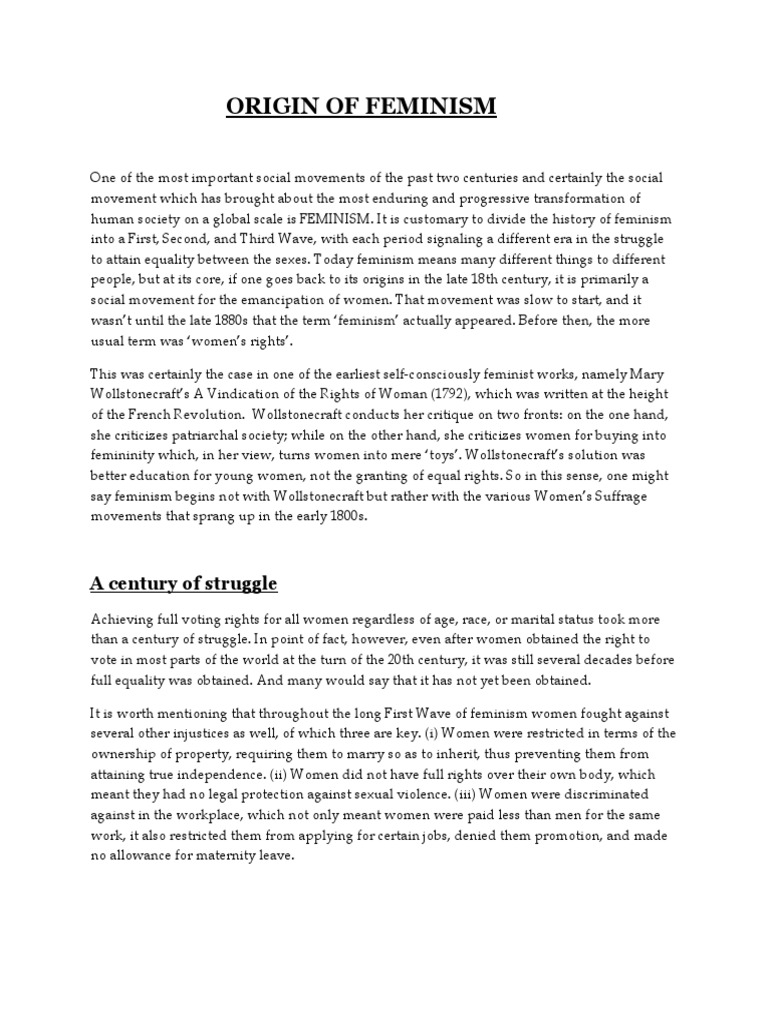
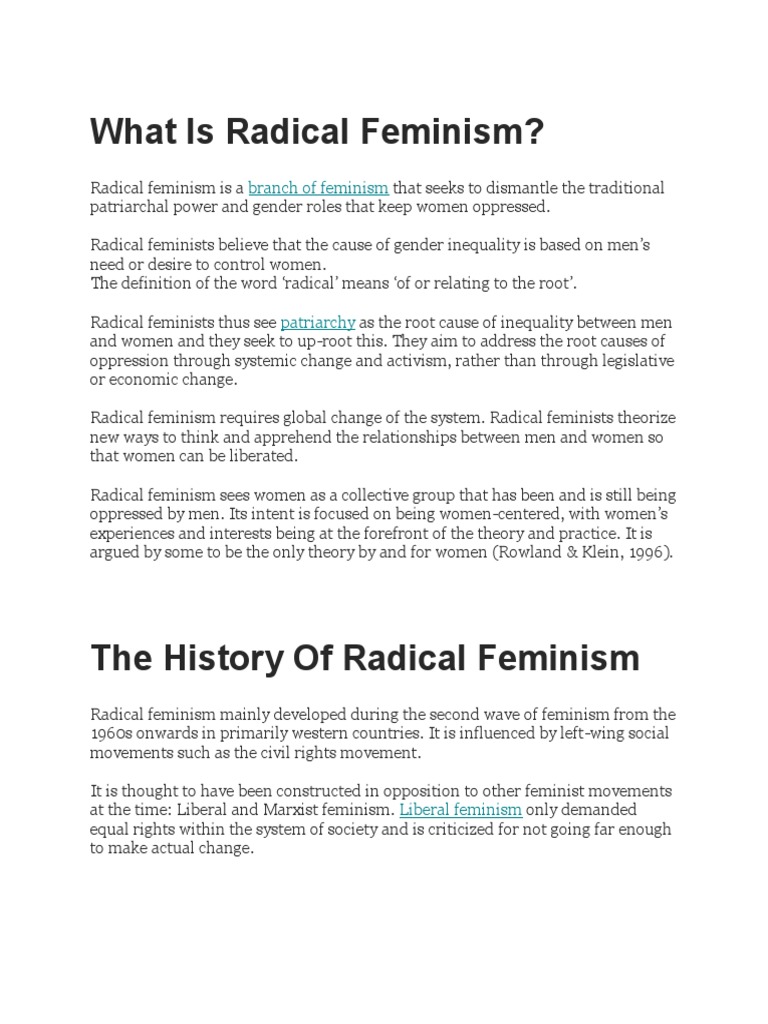
Let’s unpack this, shall we? The demand for a singular leader stems, in part, from a deep-seated societal conditioning. We are trained, from birth, to seek guidance from above, to defer to authority figures, to simplify complex issues by attaching them to a single face. This is precisely how power operates within a patriarchal framework: a centralized, hierarchical structure where decisions are made by a select few and imposed upon the many. Feminism, at its core, challenges this paradigm. It asserts that power should be distributed, not concentrated; that voices should be amplified, not silenced; that leadership should be collective, not individualistic.
The problem with identifying a single “leader” is multifaceted. Firstly, it inevitably leads to exclusion. Who gets to decide who the leader is? What criteria are used? And what happens to the voices and experiences of those who don’t fit the prescribed mold? Feminism is, by definition, an intersectional movement, encompassing a vast tapestry of identities, experiences, and perspectives. To elevate one voice above all others is to actively marginalize and invalidate countless others. It is to prioritize certain narratives while silencing those deemed less palatable, less mainstream, less “acceptable.”
Secondly, the focus on individual leadership can be incredibly distracting. It diverts attention and resources away from the crucial work of organizing, mobilizing, and advocating for systemic change. Instead of debating the merits of one personality over another, we should be focusing on dismantling discriminatory laws, challenging patriarchal norms, and building a more equitable society for all. The cult of personality, so prevalent in contemporary politics, has no place within a movement dedicated to collective liberation.
Thirdly, placing undue emphasis on a single leader creates a dangerous vulnerability. What happens when that leader makes a mistake, says something controversial, or is subjected to a smear campaign? Suddenly, the entire movement is thrown into disarray, its credibility undermined by the actions of one individual. This is a classic strategy employed by those who seek to discredit and delegitimize feminist efforts. By focusing on personalities rather than principles, they can easily manipulate public perception and sow seeds of doubt.
Instead of searching for a singular leader, we should be recognizing and celebrating the multitude of voices that are shaping the feminist movement today. Consider the activists working tirelessly on the front lines, advocating for reproductive rights, fighting against gender-based violence, and promoting economic justice. Think of the scholars and academics who are challenging traditional narratives, deconstructing patriarchal ideologies, and developing new theoretical frameworks. And remember the everyday individuals who are pushing back against sexism and discrimination in their own lives, challenging harmful stereotypes, and creating spaces for women to thrive.
These are the true leaders of the feminist movement: the collective, the diverse, the unwavering voices that refuse to be silenced. They are not interested in personal fame or fortune; they are driven by a deep commitment to justice, equality, and liberation for all. They understand that feminism is not a top-down movement, but a grassroots effort powered by the collective energy and creativity of countless individuals.
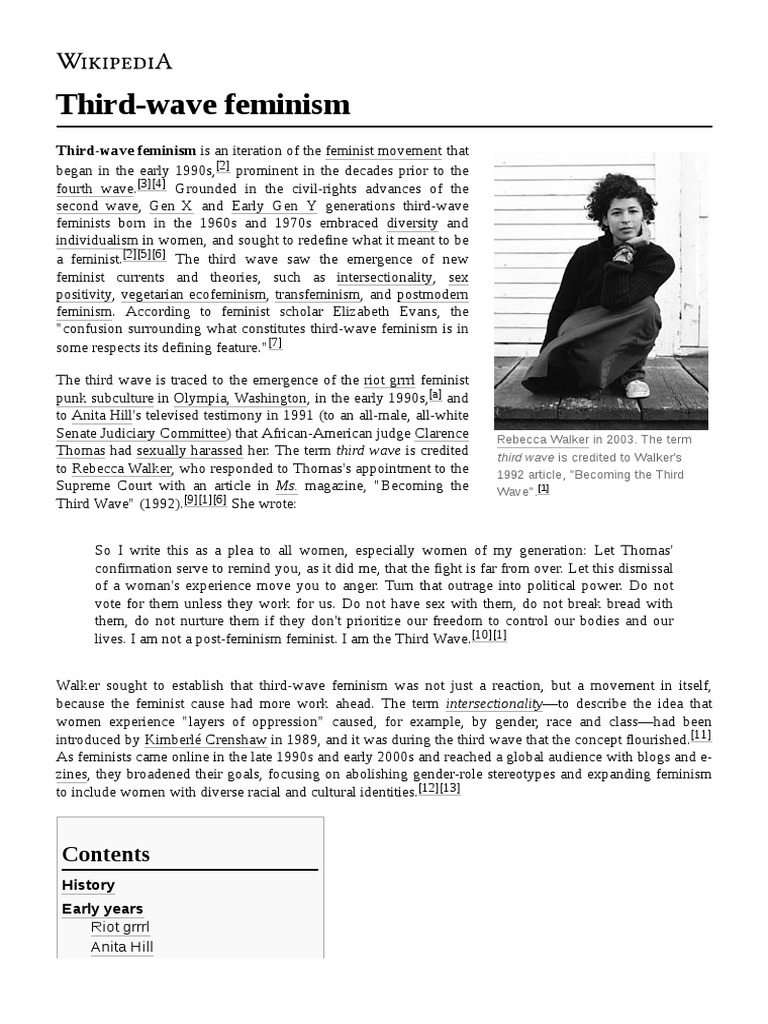
The digital age presents both opportunities and challenges for feminist leadership. On the one hand, social media platforms have enabled activists to connect with a wider audience, share their stories, and mobilize support for various causes. The #MeToo movement, for example, demonstrated the power of online activism to expose widespread sexual harassment and abuse, and to hold perpetrators accountable. On the other hand, social media can also be a breeding ground for toxic rhetoric, online harassment, and the spread of misinformation. The algorithms that govern these platforms often prioritize sensationalism and controversy over thoughtful analysis and constructive dialogue. This can lead to the amplification of extremist voices and the silencing of marginalized perspectives.
Furthermore, the reliance on social media can create a false sense of activism. It’s easy to “like” a post or “share” a petition, but these actions often have little impact on real-world change. True activism requires sustained effort, strategic planning, and a willingness to engage in uncomfortable conversations. It requires building relationships with diverse communities, organizing protests and demonstrations, and lobbying policymakers to enact meaningful reforms.
The feminist movement today needs not a singular leader, but a constellation of voices, each shining with its own unique brilliance. We need organizers, strategists, educators, artists, writers, and activists, all working together to dismantle the structures of oppression and build a more just and equitable world. We need to embrace intersectionality, recognizing that sexism is inextricably linked to other forms of discrimination, such as racism, classism, and homophobia. And we need to be vigilant against the forces that seek to divide and conquer us, to silence our voices, and to undermine our collective power.
Let us reject the patriarchal impulse to search for a singular leader and instead embrace the messy, complex, and ultimately empowering reality of collective leadership. Let us celebrate the diversity of voices and perspectives that make the feminist movement so vibrant and dynamic. And let us continue to work together, tirelessly and relentlessly, until we have achieved true liberation for all.
The yearning for a singular figurehead, a “feminist-in-chief,” is a siren song luring us towards the rocks of patriarchal thinking. It’s a seductive promise of easy answers and streamlined solutions, but it ultimately undermines the very foundations of the movement. Feminism isn’t about following one person’s lead; it’s about empowering everyone to lead, to challenge, to disrupt, and to create a world where all voices are heard and valued.
The real question isn’t “Who is the leader?” but rather, “How can we cultivate a culture of distributed leadership, where everyone feels empowered to contribute their unique skills and perspectives?” This requires a fundamental shift in our thinking, a conscious rejection of hierarchical models of power, and a deep commitment to collaboration, inclusivity, and shared responsibility.
Imagine a movement where every voice is amplified, where every perspective is valued, and where every individual feels empowered to lead in their own way. This is the future of feminism – a future where leadership is not a position, but a practice; not a title, but a responsibility; not a burden, but a shared joy. It’s a future where the question of “Who is the leader?” becomes irrelevant, because we are all leaders, working together to create a better world.
So, the next time you hear someone ask, “Who is the leader of the feminist movement?” resist the urge to offer a name. Instead, respond with a question of your own: “Why are you looking for a leader? And what are you willing to do to create a more just and equitable world?” The answer to that question will reveal far more about the future of feminism than any single individual ever could.
The incessant search for a “leader” within the feminist movement reveals a deeper societal malaise: a discomfort with ambiguity, a craving for simple solutions, and a persistent need to project authority onto a single figure. It’s a reflection of our patriarchal conditioning, a subconscious yearning for the top-down structures that have historically defined our world. But feminism, at its core, is about challenging these very structures, about dismantling hierarchies, and about empowering individuals to claim their own agency. The true leaders of the feminist movement are not those who seek power, but those who empower others. They are the activists, the organizers, the educators, and the everyday individuals who are working tirelessly to create a more just and equitable world for all.







Leave a Comment