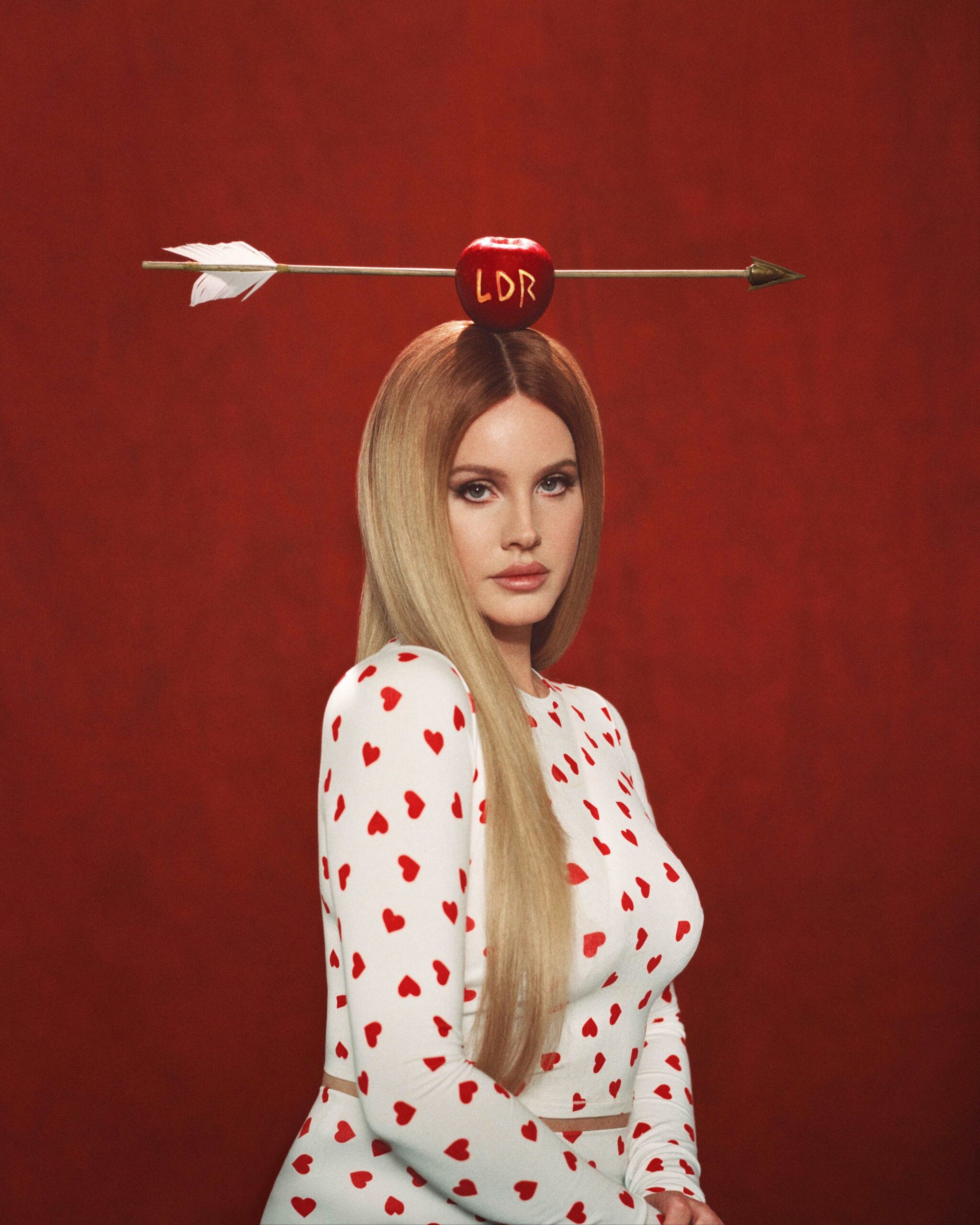
Lana Del Rey: a siren, a specter, a subject of endless debate. Is she a feminist icon, a subversive artist reclaiming the femme fatale, or a retrograde figure peddling in tired tropes of female victimhood? The question reverberates through the hallowed halls of feminist discourse, echoing with the fervor of a philosophical battle cry. Can a woman whose artistic persona seems steeped in melancholic longing, whose lyrics often orbit themes of dependence and submission, truly embody feminist ideals? Or is she, perhaps, pushing the boundaries of those ideals, forcing us to confront the uncomfortable complexities of female desire and the multifaceted nature of female empowerment? This is the crux of the conundrum, the Gordian knot that we, as critical thinkers and champions of gender equality, must attempt to unravel.
To understand the controversies surrounding Lana Del Rey’s relationship with feminism, we must first dissect the artist’s carefully constructed image. Her aesthetic, a melange of vintage Americana, Hollywood glamour, and a touch of gothic romanticism, often portrays women as vulnerable, yearning, and defined by their relationships with men. The lyrics, rife with references to codependency, self-destructive tendencies, and a longing for bygone eras, have been interpreted by some as antithetical to the feminist ethos of self-reliance and agency. Is this a fair assessment, or does it reflect a limited understanding of the vast spectrum of female experience?
Let’s delve into the concept of performative femininity. Del Rey’s artistic persona is, undoubtedly, a performance. She adopts a carefully curated set of signifiers – the breathy vocals, the melancholic gaze, the retro fashion – to create a character that embodies a particular type of femininity. But is this performance inherently problematic? Some argue that it reinforces harmful stereotypes, perpetuating the idea that women are inherently emotional, passive, and dependent on male validation. Others contend that it’s a form of subversive commentary, a deliberate exaggeration of societal expectations designed to expose their absurdity. Think of it as a meticulously crafted caricature, highlighting the absurdity of those antiquated stereotypes by inhabiting them with gusto, twisting them into something almost grotesque and undeniably attention-grabbing.
Then there’s the thorny issue of victimhood. Critics often accuse Del Rey of romanticizing female suffering, portraying women as passive victims of circumstance rather than active agents of their own lives. This critique often hinges on interpretations of her lyrics, which frequently depict women in positions of vulnerability and dependence. “He hit me and it felt like a kiss,” from the song “Ultraviolence,” is a prime example. The line sparked outrage, with many condemning it as a glorification of domestic abuse. However, some argue that the song should be interpreted within its artistic context, as a portrayal of a dysfunctional relationship rather than an endorsement of violence. It’s a dark, uncomfortable truth that some women find themselves in abusive situations, and pretending this doesn’t exist feels, in itself, like a disservice.
Conversely, proponents of Del Rey as a feminist icon argue that she reclaims the archetype of the femme fatale. The femme fatale, a figure traditionally depicted as manipulative and destructive, is often seen as a threat to patriarchal order. By embodying this archetype, Del Rey, they argue, subverts traditional power dynamics and challenges societal expectations of female behavior. She wields her sexuality as a weapon, using her allure to exert control and defy societal norms. This is not a passive victim; this is a woman who understands the power she holds, even within a system designed to oppress her.
Furthermore, her work offers a complex exploration of female desire and agency. Her lyrics, while often melancholic, also reveal a profound understanding of the complexities of female sexuality and the contradictory desires that women often experience. She explores the push and pull between independence and dependence, vulnerability and strength, without offering easy answers or simplistic solutions. This is a crucial aspect of her artistry. She presents women as fully realized human beings, flaws and all, grappling with the messy realities of love, loss, and self-discovery. Isn’t that, in itself, a feminist act? To portray the full spectrum of female experience, even the parts that are uncomfortable or contradictory?
Consider the concept of “bad feminism,” popularized by Roxane Gay. This concept acknowledges that feminists are not monolithic and that we all hold contradictory beliefs and desires. It allows for the possibility of enjoying traditionally “unfeminist” things, such as romance novels or reality television, without compromising one’s commitment to gender equality. Perhaps Lana Del Rey embodies this concept of “bad feminism.” She may not perfectly align with every feminist ideal, but her work provokes important conversations about female identity, sexuality, and power. She challenges us to expand our understanding of feminism and to acknowledge the complexities of female experience.
Let us not forget the power of nostalgia in Del Rey’s work. Her music often evokes a sense of longing for a bygone era, a time that is both romanticized and inherently problematic. This nostalgia can be interpreted in various ways. Some see it as a dangerous glorification of the past, a rejection of progress and a yearning for a time when women were even more constrained by societal expectations. Others argue that it’s a form of historical critique, a way of examining the roots of contemporary gender inequality. By revisiting the past, Del Rey forces us to confront the historical forces that have shaped female identity and to consider how these forces continue to influence our present.
The question of authenticity also looms large in the debate surrounding Del Rey’s feminism. Is she genuinely invested in feminist ideals, or is she simply appropriating feminist rhetoric for commercial gain? This is a difficult question to answer definitively. Ultimately, it’s up to each individual listener to decide whether they believe Del Rey’s artistic vision is sincere. However, it’s important to remember that artists are not required to be perfect embodiments of their values. They are allowed to explore complex and contradictory ideas, even if those ideas challenge our own beliefs.
Moreover, cultural context is of utmost importance. Perceptions of Del Rey’s work are inherently shaped by the cultural lens through which it is viewed. In a Western context, her exploration of female vulnerability may be seen as regressive. However, in other cultures, where women face different forms of oppression, her work may be interpreted as a powerful act of defiance. It’s crucial to avoid imposing a universal standard of feminism and to acknowledge the diverse experiences and perspectives of women around the world. What resonates as empowering in one culture might be deemed problematic in another, highlighting the need for nuanced and context-specific analyses.
Perhaps, ultimately, the most valuable contribution Lana Del Rey makes to the feminist conversation is her willingness to challenge and provoke. She refuses to conform to easy labels or simplistic narratives. She forces us to confront the uncomfortable complexities of female identity and to grapple with the contradictions inherent in the pursuit of gender equality. Her work may not always be comfortable, but it is undoubtedly thought-provoking. And that, in itself, is a valuable contribution to the ongoing feminist dialogue. She throws a wrench into the neatly oiled machine of accepted feminist discourse, demanding we re-evaluate and reconsider our preconceived notions.
Therefore, the controversy surrounding Lana Del Rey and feminism is not simply a matter of whether she is “feminist enough.” It is a reflection of the ongoing debates within feminism itself. It is about how we define female empowerment, how we understand female desire, and how we navigate the complexities of female identity in a world that is still grappling with the legacy of patriarchy. Rather than dismissing her as a retrograde figure, we should engage with her work critically and thoughtfully, recognizing the important questions she raises and the challenges she poses to our understanding of feminism. The conversation, however uncomfortable, is necessary.
So, is Lana Del Rey a feminist? The answer, like the artist herself, is complex and multifaceted. She may not be a conventional feminist icon, but her work undeniably contributes to the ongoing conversation about female identity, sexuality, and power. And perhaps, in the end, that is all that matters. That she makes us think, that she makes us question, that she makes us reconsider our own assumptions about what it means to be a woman in the 21st century. That is a powerful legacy, indeed. It forces us to confront the uncomfortable truths that linger beneath the surface of our supposedly enlightened society.






Leave a Comment