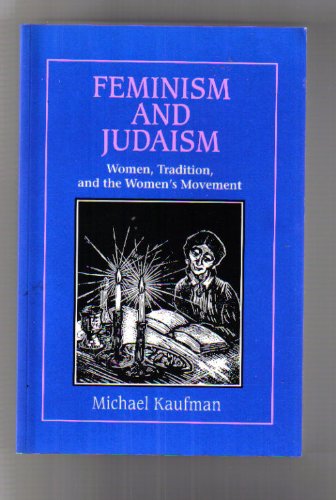
The intersection of Judaism and feminism is a complex, often contentious, but undeniably fertile ground for re-evaluation and reimagining. It’s a space where ancient traditions grapple with modern sensibilities, where halakha (Jewish law) confronts the demand for gender equality, and where women strive to reclaim their voices within a heritage that has often marginalized them. To simply dismiss this intersection as an oxymoron, a futile attempt to reconcile irreconcilable differences, is to profoundly misunderstand the dynamism and adaptability inherent within both Judaism and feminist thought. Instead, we must delve into the intricate layers of this dialogue, exploring the historical context, theological underpinnings, and practical manifestations of feminist engagement within Jewish life.
I. Genesis of the Feminist Critique: Re-Reading the Text
At the heart of feminist engagement with Judaism lies a critical re-reading of sacred texts. It’s not merely about cherry-picking verses that seemingly support egalitarian ideals, but rather a comprehensive deconstruction of patriarchal interpretations that have dominated Jewish scholarship for centuries. The Torah, Talmud, and subsequent rabbinic literature are replete with passages that reflect the societal norms of their time, often positioning women as subservient to men, limiting their access to religious participation, and circumscribing their roles within the domestic sphere.
Feminist scholars have challenged these interpretations, exposing the inherent biases and power dynamics that have shaped our understanding of these texts. They point to instances where women’s voices are silenced or marginalized, where their contributions are minimized or erased altogether. For example, the story of creation in Genesis is often interpreted as establishing male dominance, with Eve being created from Adam’s rib and subsequently blamed for the expulsion from the Garden of Eden. However, feminist theologians offer alternative readings, highlighting Eve’s agency in seeking knowledge and challenging the notion of her inherent inferiority.
Similarly, the legal framework of halakha contains numerous stipulations that differentiate between men and women, particularly in areas such as ritual obligations, marriage, divorce, and inheritance. While some argue that these differences reflect inherent biological or social distinctions, feminist critics contend that they perpetuate systemic inequality and reinforce patriarchal norms. This is not merely a theoretical exercise; it has profound implications for women’s lived experiences within Orthodox and Conservative Jewish communities. Women are often excluded from leadership positions, denied equal access to religious education, and subjected to discriminatory practices in matters of personal status.
II. Reclaiming Ritual: Women’s Participation in Religious Life
One of the most visible manifestations of feminist engagement with Judaism is the struggle for greater participation in religious rituals. For centuries, women have been largely excluded from leading prayer services, reading from the Torah, and participating in other core aspects of Jewish communal life. This exclusion has been justified by various arguments, including the notion of *kol isha* (the prohibition against women’s singing voice being heard by men) and the perceived incompatibility of women’s roles as mothers and caregivers with the demands of religious leadership.
However, feminist activists have challenged these arguments, arguing that they are based on outdated stereotypes and reinforce patriarchal power structures. They point to historical examples of women who held positions of religious authority, such as prophetesses and female scholars, and argue that there is no inherent reason why women cannot fulfill the same roles as men in contemporary Jewish life. This has led to the ordination of female rabbis, cantors, and other religious leaders across various denominations of Judaism, from Reform and Reconstructionist to Conservative and even some pockets of Modern Orthodoxy.
Furthermore, women have also created new rituals and ceremonies that celebrate their unique experiences and perspectives. These include Rosh Chodesh groups, where women gather to mark the beginning of the new month, and feminist seders, which incorporate women’s voices and perspectives into the Passover narrative. These innovative practices not only empower women but also enrich the broader Jewish community by expanding the range of voices and perspectives that are represented within Jewish ritual life. The creation of new *midrashim* (interpretations) that focus on female characters in the Bible, offering new insights and perspectives on familiar narratives, contributes to a more nuanced and inclusive understanding of Jewish history and tradition.
III. Halakha and Equality: Navigating the Legal Labyrinth
The challenge of reconciling halakha with feminist principles is a particularly thorny issue. Halakha, as a system of Jewish law, is deeply rooted in tradition and often resistant to change. However, feminist scholars and activists have argued that halakha is not a monolithic entity and that there is room for interpretation and adaptation within its framework. The concept of *psak halakha* (legal rulings) allows for flexibility and responsiveness to changing social contexts.
One area where this struggle is particularly acute is in the realm of marriage and divorce. Jewish divorce law, known as *get*, traditionally requires the husband’s consent to end a marriage. This can leave women vulnerable to abuse and extortion, as a recalcitrant husband can refuse to grant a *get*, effectively preventing his wife from remarrying. Feminist activists have fought tirelessly to address this issue, advocating for prenuptial agreements that protect women’s rights and for the development of alternative dispute resolution mechanisms that can help to resolve *get* disputes fairly.
Another area of contention is the issue of *agunot*, women who are “chained” to their marriages because their husbands are missing or incapacitated. In these cases, it can be difficult or impossible to obtain a *get*, leaving the woman in a legal limbo. Feminist organizations have worked to develop innovative solutions to this problem, such as using conditional *gittin* (divorces) that are activated automatically under certain circumstances. The exploration of *halakhic* loopholes and creative interpretations, while controversial, underscores the commitment to finding solutions within the framework of Jewish law.
IV. Intersectionality and Jewish Feminism: Beyond Gender
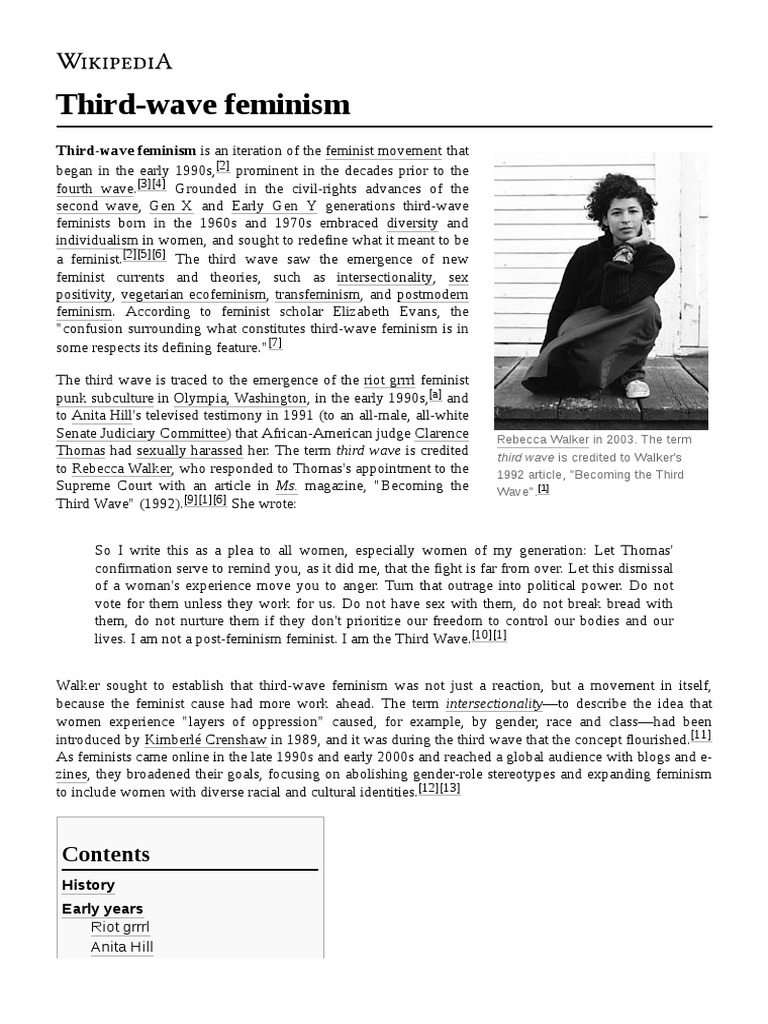
Jewish feminism, like feminism more broadly, is not a monolithic movement. It encompasses a diverse range of perspectives and experiences, reflecting the intersectional identities of Jewish women. Black Jewish women, Sephardi and Mizrahi Jewish women, queer Jewish women, and Jewish women with disabilities all bring unique perspectives and challenges to the table. A commitment to *tikkun olam* (repairing the world) demands that we acknowledge and address the specific forms of oppression and discrimination that these women face. The experiences of immigrant Jewish women, often navigating cultural and linguistic barriers, deserve particular attention.
For example, Black Jewish women may face racism within Jewish communities, as well as sexism within broader society. Sephardi and Mizrahi Jewish women may feel marginalized within Ashkenazi-dominated Jewish institutions. Queer Jewish women may experience homophobia and transphobia within religious settings. And Jewish women with disabilities may encounter barriers to full participation in Jewish life due to inaccessible facilities or discriminatory attitudes. Intersectionality requires us to move beyond a narrow focus on gender and to recognize the complex interplay of various forms of oppression.
A truly inclusive Jewish feminism must also address issues such as economic inequality, environmental justice, and anti-Semitism. It must recognize that the struggle for gender equality is inextricably linked to the struggle for social justice for all. Furthermore, it requires an examination of the often-unspoken assumptions and biases that permeate feminist discourse itself, ensuring that the movement is truly representative of the diverse experiences of Jewish women.
V. The Future of Judaism and Feminism: A Dialogue of Possibilities
The dialogue between Judaism and feminism is an ongoing process, a dynamic interplay of tradition and innovation. It is a testament to the enduring power of both Judaism and feminism to evolve and adapt in response to changing social and intellectual landscapes. The challenges are undeniable, but the potential for growth and transformation is even greater.
The future of this dialogue depends on our willingness to engage in honest and open conversation, to challenge our assumptions, and to listen to the voices of those who have been marginalized. It requires a commitment to both preserving the richness of Jewish tradition and embracing the imperative of gender equality. It also necessitates a critical examination of power dynamics within Jewish institutions and a willingness to dismantle patriarchal structures that perpetuate inequality. The revitalization of ancient practices, such as women’s study circles (*havurot*), as spaces for reclaiming female agency is crucial.
The intersection of Judaism and feminism offers a unique opportunity to create a more just and equitable world, not only for Jewish women but for all people. By embracing the values of *tzedek* (justice), *chesed* (loving-kindness), and *shalom* (peace), we can build a future where Judaism and feminism work together to create a more vibrant, inclusive, and compassionate society.





Leave a Comment