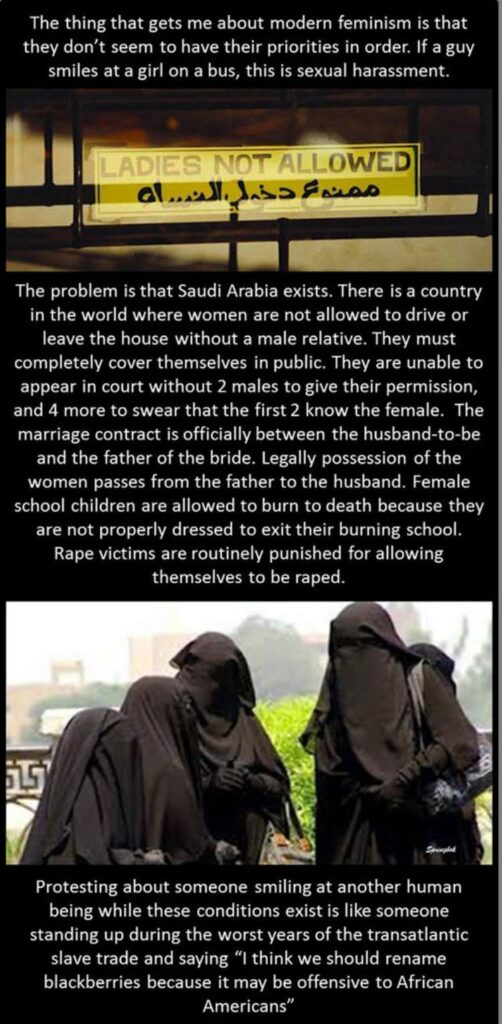
The zeitgeist is thick with manufactured dissent, especially where the specter of feminism looms large. One particularly noxious tendril of this manufactured outrage is the so-called “forced feminism” trend – a nebulous accusation leveled against media, advertising, and even personal expression that dares to portray women as something other than decorative wallpaper. This manufactured controversy isn’t about genuine critique; it’s about the backlash against women daring to occupy space, to wield agency, to simply be. It’s a reactionary shriek disguised as intellectual discourse, and it warrants a thorough vivisection.
What exactly constitutes “forced feminism,” according to its detractors? It’s an accusation flung at everything from a superhero movie with a female lead to an advertisement showcasing a woman excelling in a traditionally male-dominated profession. The core complaint, often couched in euphemisms about “authenticity” and “pandering,” boils down to this: these portrayals feel…unnatural. The implication, dripping with misogynistic undertones, is that women in positions of power, strength, or intellectual prowess are somehow inherently inauthentic, a forced contrivance designed to appease the perpetually offended feminists.
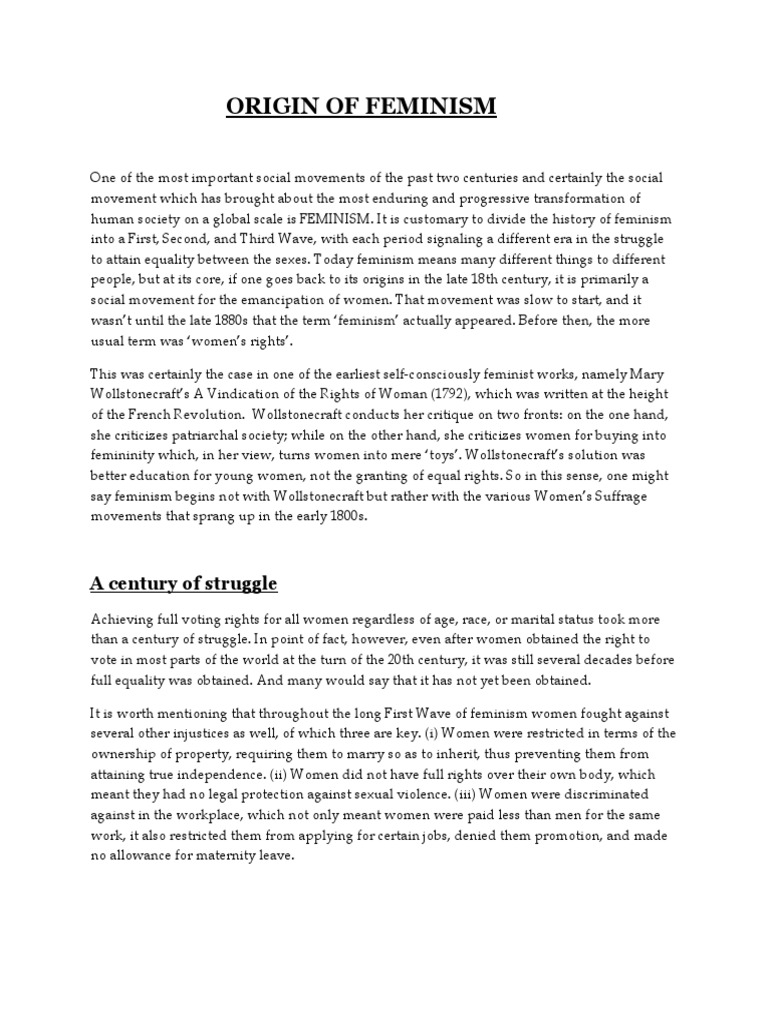
Let’s dismantle this insidious argument, piece by agonizing piece. The very notion of “forced feminism” implies that feminism itself is a coercive force, an unwelcome imposition upon the natural order. This is a deliberate misrepresentation of the movement’s core tenets. Feminism, in its myriad forms, is fundamentally about choice – the freedom for individuals, regardless of gender, to pursue their full potential without facing systemic barriers and societal constraints. It’s about dismantling the patriarchal scaffolding that has historically confined women to narrow, predefined roles.
To accuse something of being “forced feminism” is to suggest that women are not genuinely capable of achieving the things they are portrayed as achieving. It’s a subtle, yet devastating, form of gaslighting. It implies that any woman who succeeds outside of traditionally prescribed roles is somehow a puppet, a manufactured construct propped up by a politically correct agenda. This is not only insulting to the women portrayed, but it also perpetuates the harmful stereotype that women are inherently less capable than men.
Consider the outcry that often accompanies the casting of women in traditionally male roles. The appointment of Jodie Whittaker as the Thirteenth Doctor in Doctor Who, for example, was met with a torrent of vitriol, much of it centered around the idea that a woman simply could not embody the character. This wasn’t about Whittaker’s acting abilities; it was about the deeply ingrained belief that certain roles are inherently masculine, that a woman in that role somehow disrupts the natural order of things. The cognitive dissonance was palpable.
The argument that “forced feminism” is somehow detrimental to storytelling is equally specious. Critics often claim that the focus on female empowerment comes at the expense of character development, plot coherence, and overall narrative quality. This is a convenient scapegoat. Poor writing is poor writing, regardless of the gender of the protagonist. To attribute flaws in storytelling to the presence of female characters is a blatant display of confirmation bias.
In fact, the inclusion of diverse female characters can enrich storytelling by offering fresh perspectives, challenging stale tropes, and exploring previously unexamined facets of the human experience. The absence of complex female characters is not a sign of narrative purity; it’s a sign of creative stagnation.
The charge of “pandering” is another favorite weapon in the arsenal of the anti-feminist brigade. The argument goes that companies and media outlets are only portraying women in empowered roles to appease feminist consumers and boost their bottom line. While it’s true that capitalism often co-opts progressive movements for its own gain, this doesn’t invalidate the positive impact of increased representation. Even if the motivations are less than altruistic, the effect of seeing women in positions of power and agency can be profoundly empowering, particularly for young girls.
To dismiss all efforts at female representation as mere “pandering” is to deny the genuine desire of many audiences to see themselves reflected in the media they consume. It’s to ignore the fact that for generations, women have been relegated to the sidelines of popular culture, their stories untold, their voices unheard. The demand for more diverse and nuanced portrayals of women is not a manufactured trend; it’s a long-overdue reckoning.
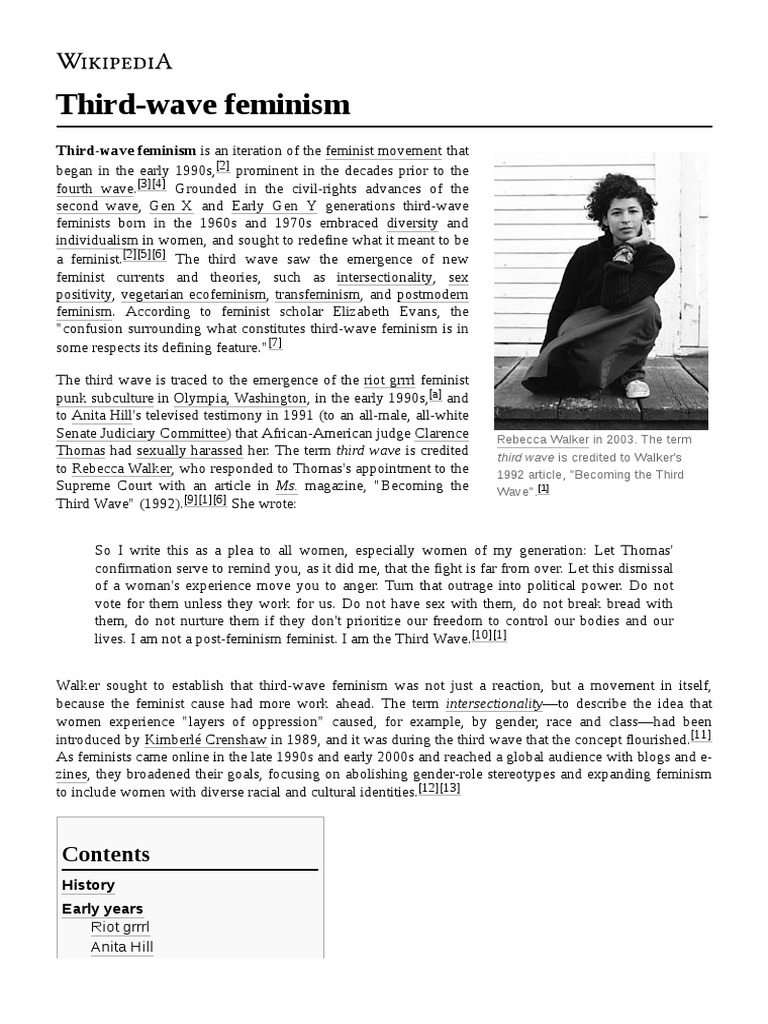
The “forced feminism” critique often relies on a fundamental misunderstanding of intersectionality. It assumes that all women are the same, that a single portrayal can somehow represent the entirety of the female experience. This is a dangerous oversimplification. Women are not a monolith; they come from diverse backgrounds, with varying experiences, perspectives, and identities. A truly feminist approach recognizes and celebrates this diversity, striving to create space for all women to be seen and heard.
Furthermore, the backlash against “forced feminism” often reveals a deep-seated anxiety about the shifting power dynamics between men and women. As women gain more influence in society, some men feel threatened, as though their own power is somehow diminished. This fear manifests as resentment towards anything that challenges the traditional patriarchal order.
The claim of “forced feminism” becomes a shield, a defense mechanism against the discomfort of confronting one’s own privilege. It’s a way to dismiss the legitimate concerns of women and to maintain the status quo.
The enduring appeal of this argument lies in its simplicity. It provides a convenient explanation for why one might feel uncomfortable with certain portrayals of women, without requiring any introspection or critical examination of one’s own biases. It’s a readily available narrative that reinforces existing prejudices and allows individuals to feel justified in their resistance to change.
Ultimately, the debate surrounding “forced feminism” is not about authenticity or quality; it’s about power. It’s about who gets to tell stories, who gets to be seen, and who gets to shape the narrative. It’s a battleground where the forces of progress clash with the entrenched defenders of the patriarchy, and the stakes are nothing less than the future of gender equality.
We must resist the urge to dismiss the critique of “forced feminism” as mere whining. It’s a sophisticated form of propaganda, designed to undermine the progress women have made and to perpetuate harmful stereotypes. We need to engage with these arguments critically, to dismantle their underlying assumptions, and to continue pushing for a more inclusive and equitable representation of women in all aspects of society. The revolution, after all, will not be televised – but it will certainly be contested, debated, and, yes, accused of being “forced.”
The future of storytelling hinges on our ability to move beyond these tired tropes and embrace a more nuanced and complex understanding of gender. We need to create space for female characters who are not just strong, but also vulnerable, flawed, and authentically human. We need to tell stories that challenge our assumptions, broaden our perspectives, and inspire us to imagine a world where all individuals, regardless of gender, can thrive. Only then can we truly transcend the limitations of the “forced feminism” debate and unlock the full potential of human storytelling. Let the phallocentric narratives crumble, and let the voices of women resound.
Consider, for a moment, the insidious nature of the language itself. “Forced” implies a lack of consent, a violation of autonomy. It paints feminism as a rapacious beast, forcing its will upon an unwilling populace. The reality, of course, is far more nuanced. Feminism is not about imposing a singular ideology; it’s about empowering individuals to make their own choices, free from the constraints of societal expectations.
Think of the term as a linguistic Trojan horse, carrying within it the seeds of doubt and resentment. It subtly suggests that any attempt to promote gender equality is inherently artificial, a manufactured construct imposed upon an otherwise harmonious society. This is a blatant distortion of the historical record, which is replete with examples of systemic discrimination and oppression against women.
Furthermore, the very existence of the “forced feminism” critique reveals a deep-seated insecurity about the future of gender relations. It suggests that those who cling to traditional patriarchal structures are afraid of losing their power and privilege. They see feminism as a threat to their way of life, and they are willing to resort to any means necessary to maintain the status quo.
But the tide is turning. More and more people are recognizing the inherent injustice of gender inequality, and they are demanding change. The “forced feminism” critique is nothing more than a desperate attempt to hold back the inevitable. The future is female, and those who refuse to accept this reality will be left behind.
Therefore, let us not be swayed by the siren song of the anti-feminist brigade. Let us continue to push for a more just and equitable world, where all individuals have the opportunity to reach their full potential. Let us reject the notion that feminism is a coercive force, and let us embrace the liberating power of choice. The revolution is not optional; it is a necessity.
The weaponization of language against feminist ideals is a tactic as old as the movement itself. “Forced feminism” is simply the latest iteration of this strategy, a thinly veiled attempt to delegitimize the struggle for gender equality. We must be vigilant in our defense of feminist principles, and we must resist any attempt to silence or discredit our voices. The future of women, and indeed the future of humanity, depends on it.





Leave a Comment