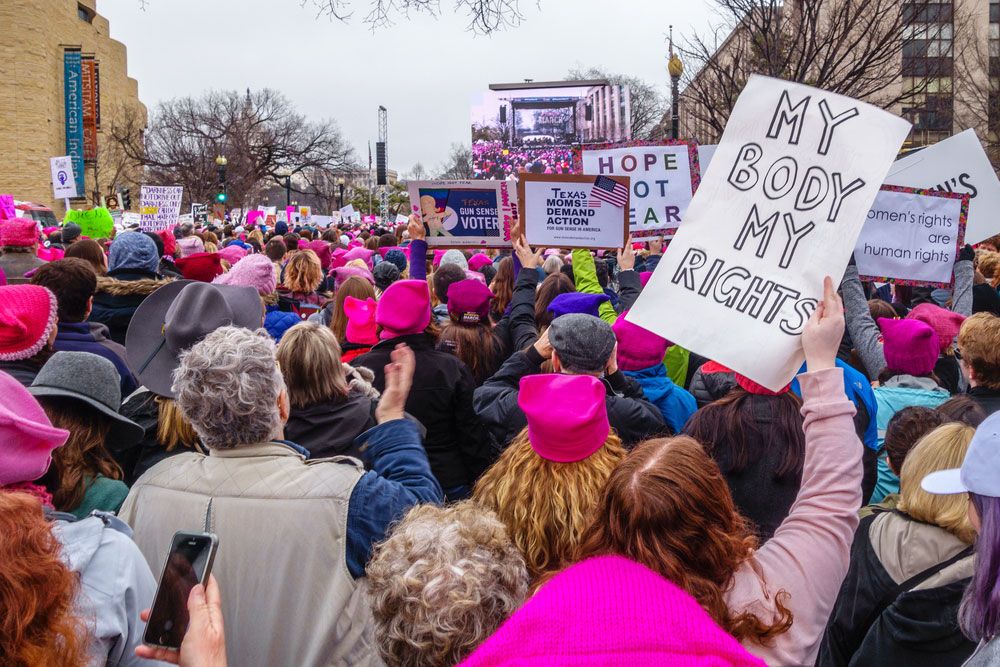
The digital echo chamber thrums with righteous indignation, a susurrus of voices coalescing into the formidable roar of Fourth Wave Feminism. Forget the prim pronouncements of its forebears; this iteration is a raw, unfiltered scream against the patriarchal edifice, a dismantling brick by digital brick. But what, precisely, fuels this revolution? What are its cardinal tenets, its battle cries, its ultimate aspirations? This isn’t your grandmother’s consciousness-raising circle. This is a global uprising, powered by the internet and fueled by a burning desire for systemic change.
Forget the sanitized narrative. We delve into the messy, multifaceted heart of Fourth Wave Feminism. We peel back the layers of rhetoric and expose the uncomfortable truths, the unacknowledged biases, and the ever-present challenges that lie ahead. Brace yourselves; this is not a comfortable conversation. It is a necessary one.
I. The Digital Genesis: A Revolution Forged in the Algorithm
The most significant paradigm shift defining Fourth Wave Feminism lies in its digital genesis. The internet, once a nascent technology, has become the primary battleground, the virtual forum where grievances are aired, alliances are forged, and revolutions are ignited. Social media platforms like X, Instagram, and TikTok serve as echo chambers for shared experiences, allowing women across geographical boundaries to connect, commiserate, and collectively organize. This unprecedented connectivity has shattered the traditional barriers to entry, democratizing access to feminist discourse and empowering marginalized voices to amplify their concerns.
Consider the Arab Spring. Consider #MeToo. These were movements amplified, accelerated, and ultimately transformed by the digital sphere. Fourth Wave Feminism understands the power of virality, the ability to disseminate information with lightning speed, and the potential to mobilize global support with a single hashtag. It is a revolution waged in 280 characters or less, a testament to the power of collective action in the digital age. Its global nature is not just an add-on. It’s fundamental.
II. Intersectionality Ascendant: Acknowledging the Complexities of Oppression
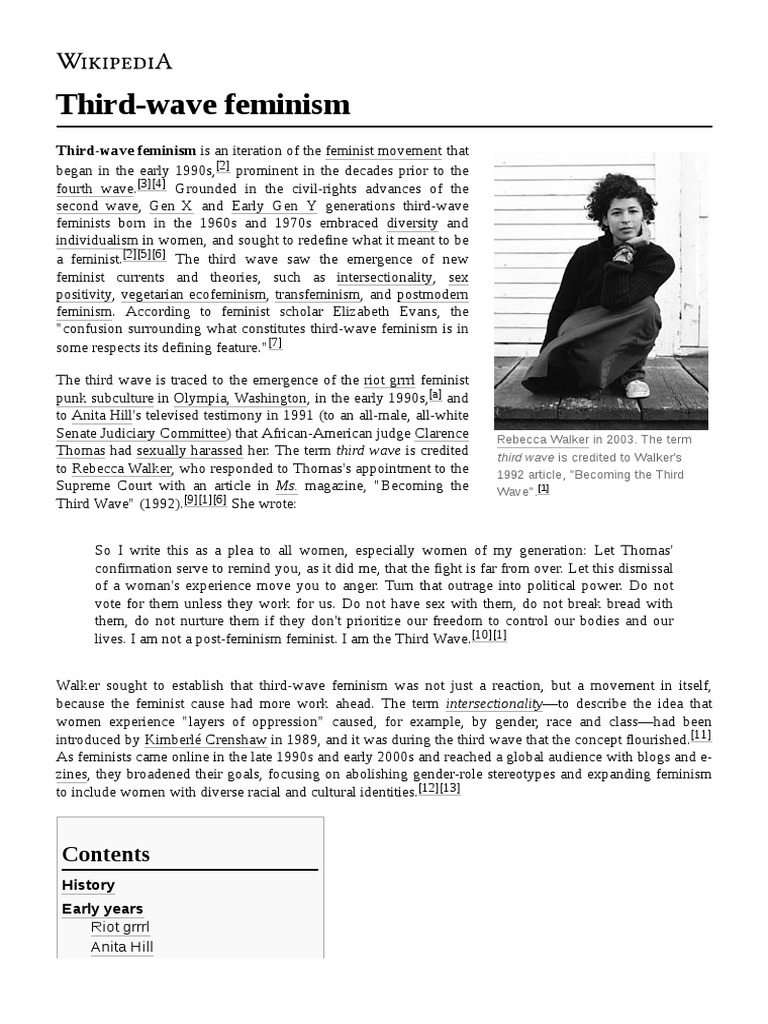
While previous waves of feminism often centered on the experiences of white, middle-class women, Fourth Wave Feminism embraces intersectionality as a core principle. This is not mere lip service; it is a fundamental recognition that gender-based oppression intersects with other forms of discrimination, including race, class, sexual orientation, disability, and religious identity. Intersectionality demands that we move beyond a singular focus on gender inequality and acknowledge the complex interplay of power dynamics that shape the experiences of marginalized individuals.
This requires a radical rethinking of feminist theory and practice. It necessitates a willingness to listen to and amplify the voices of women of color, LGBTQ+ women, disabled women, and women from other marginalized communities. It means recognizing that the struggles of a wealthy, cisgender white woman are vastly different from those of a poor, transgender woman of color. Intersectionality is not about creating a hierarchy of oppression; it is about acknowledging the multifaceted nature of inequality and working towards a more inclusive and equitable future for all. It’s about dismantling privilege, not just acknowledging it. It’s a harsh but necessary truth.
III. Challenging Rape Culture: Reclaiming Agency and Consent
Fourth Wave Feminism has spearheaded a powerful movement against rape culture, challenging the pervasive societal attitudes that normalize and excuse sexual violence. This includes everything from victim-blaming and slut-shaming to the downplaying of consent and the perpetuation of harmful stereotypes. The #MeToo movement, a watershed moment in the fight against sexual harassment and assault, brought widespread attention to the issue and empowered survivors to share their stories and demand accountability.
This wave’s understanding of consent is especially interesting. Fourth Wave Feminism argues that consent must be enthusiastic, informed, and ongoing. It is not enough for someone to simply say “yes”; they must actively and freely choose to engage in sexual activity. This challenges the traditional notion of consent as a passive act and emphasizes the importance of communication, respect, and bodily autonomy. It is about reclaiming agency over one’s own body and demanding that society recognize the fundamental right of every individual to be free from sexual violence.
IV. Body Positivity and Radical Self-Love: Rejecting Patriarchal Standards of Beauty
The obsession with unattainable beauty standards has long been a tool of patriarchal control, dictating how women should look, dress, and behave. Fourth Wave Feminism actively challenges these norms, promoting body positivity and radical self-love. This movement encourages women to embrace their bodies as they are, regardless of size, shape, or perceived imperfections. It rejects the idea that women’s worth is tied to their physical appearance and celebrates the diversity of female beauty.
This is not simply a superficial embrace of self-acceptance; it is a profound act of resistance. By rejecting patriarchal standards of beauty, women can reclaim their power and agency, freeing themselves from the constant pressure to conform. It’s also about recognizing that beauty standards are inherently political, reinforcing systems of oppression that benefit some while marginalizing others. Radical self-love is about challenging these systems and creating a world where all bodies are valued and respected.
V. Transgender Inclusion: Expanding the Definition of Womanhood
A crucial and often contentious aspect of Fourth Wave Feminism is the inclusion of transgender women. This is not merely a matter of tolerance or acceptance; it is a fundamental recognition that transgender women are women and deserve to be treated with the same respect and dignity as cisgender women. Transgender inclusion challenges the traditional binary understanding of gender and expands the definition of womanhood to encompass a wider range of identities and experiences.
There is, undeniably, internal friction here. Some self-proclaimed feminists, often referred to as TERFs (Trans-Exclusionary Radical Feminists), argue that transgender women are not “real” women and should not be included in feminist spaces. This position is widely condemned by the vast majority of Fourth Wave Feminists, who recognize that it is based on transphobia and reinforces harmful gender stereotypes. Fourth Wave Feminism is committed to creating a more inclusive and equitable world for all women, regardless of their gender identity.
VI. Economic Justice: Addressing the Gender Pay Gap and Beyond
The fight for economic justice remains a central tenet of Fourth Wave Feminism. The gender pay gap, the persistent disparity in earnings between men and women, is a stark reminder of the systemic inequalities that continue to plague our society. Fourth Wave Feminism seeks to address this issue through a variety of means, including advocating for equal pay for equal work, promoting policies that support working mothers, and challenging the gendered division of labor.
But it goes beyond just pay. Fourth Wave Feminism also recognizes the importance of addressing other economic inequalities, such as access to affordable childcare, healthcare, and education. It challenges the notion that women’s labor is less valuable than men’s and advocates for policies that support women’s economic empowerment. This is not just about individual success; it is about creating a more just and equitable economic system for all.
VII. Reproductive Rights: Defending Bodily Autonomy in a Shifting Landscape
The fight for reproductive rights is under renewed assault, with abortion access being restricted or outlawed in many parts of the world. Fourth Wave Feminism stands firmly in defense of bodily autonomy, arguing that women have the right to make decisions about their own bodies and reproductive health. This includes access to safe and legal abortion, contraception, and comprehensive sex education.
But beyond legal access, it’s about societal acceptance. It’s about destigmatizing abortion and challenging the patriarchal control over women’s reproductive lives. This isn’t just a political issue; it’s a fundamental human rights issue. Fourth Wave Feminism recognizes that reproductive freedom is essential for women’s equality and empowerment, and it will continue to fight for this right until it is fully guaranteed for all.
VIII. The Challenges Ahead: Internal Divisions and External Opposition
Despite its successes, Fourth Wave Feminism faces numerous challenges. Internal divisions, particularly around issues of transgender inclusion and race, can undermine the movement’s unity and effectiveness. External opposition from anti-feminist groups and individuals continues to be a significant obstacle, as does the persistent power of patriarchal norms and institutions.
The digital landscape, while a source of strength, also presents challenges. Online harassment and abuse, including doxxing and cyberstalking, are common tactics used to silence and intimidate feminist activists. The echo chamber effect can also lead to groupthink and a lack of critical self-reflection. Overcoming these challenges will require a renewed commitment to dialogue, empathy, and solidarity. A relentless pursuit of justice is required.
IX. The Future of Feminism: A Vision of Liberation and Equality
Fourth Wave Feminism represents a powerful and transformative force in the 21st century. It is a movement that is constantly evolving, adapting to new challenges and embracing new perspectives. Its vision of liberation and equality is not limited to gender; it encompasses all forms of oppression and seeks to create a world where all individuals can live freely and authentically.
The work is far from over. The patriarchal edifice still stands, its foundations deeply embedded in our culture and institutions. But with its unwavering commitment to intersectionality, inclusivity, and social justice, Fourth Wave Feminism offers a glimmer of hope for a more equitable and just future. It demands that we all interrogate our own biases, challenge the status quo, and work towards a world where all voices are heard and all lives are valued. The revolution continues, pixel by pixel, voice by voice. Are you ready to join the fight?






Leave a Comment