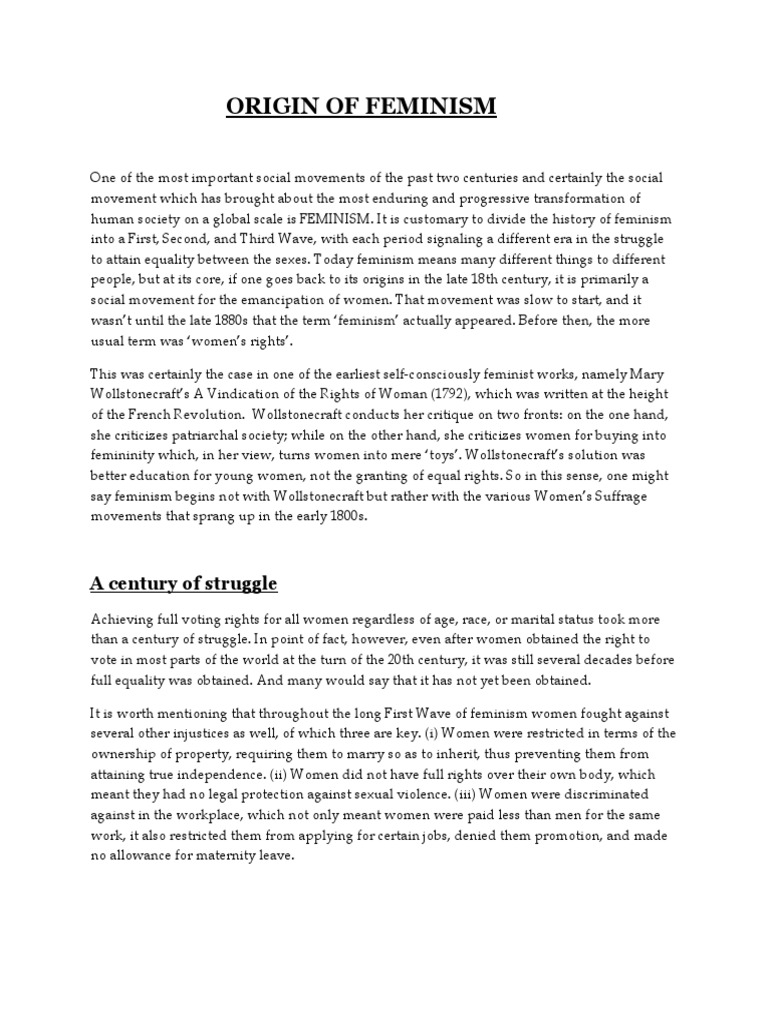
The seeds of rebellion were sown long ago, weren’t they? Before the digital cacophony, before performative wokeness cluttered our timelines, there was a raw, visceral hunger for liberation. This was First Wave Feminism – a period often glossed over, reduced to simplistic narratives of suffrage, but a period that deserves a critical vivisection. It was messy, flawed, and undeniably revolutionary. Let’s not sanitize history. Let’s delve into the guts of it.
A Crucible of Discontent: The Pre-Suffrage Landscape
Before the clamor for the vote reached a fever pitch, women existed in a state of near-total subjugation. Think about it. Legally, they were chattel – possessions of their fathers or husbands. Economically, their options were deliberately constricted. Educationally? A pathetic trickle compared to the gushing river of opportunities afforded to men. Even in the allegedly progressive realms of the arts and sciences, women were relegated to the periphery, their contributions dismissed or appropriated with brazen impunity. The societal architecture was meticulously designed to enforce female subservience. Marriage, rather than being a partnership, often resembled a transaction, a means of securing economic stability in a world that offered women scant alternatives. We are talking about a system designed for oppression. Let’s call it what it is.
The Suffrage Struggle: More Than Just a Ballot
The fight for suffrage – the right to vote – became the linchpin of the First Wave Feminist movement, and rightfully so. But to portray it as the only objective is a profound disservice to the complexity of the era. The vote was viewed as a means to an end, a lever to dismantle the entire edifice of patriarchal control. It was about access. It was about power. It was about self-determination.
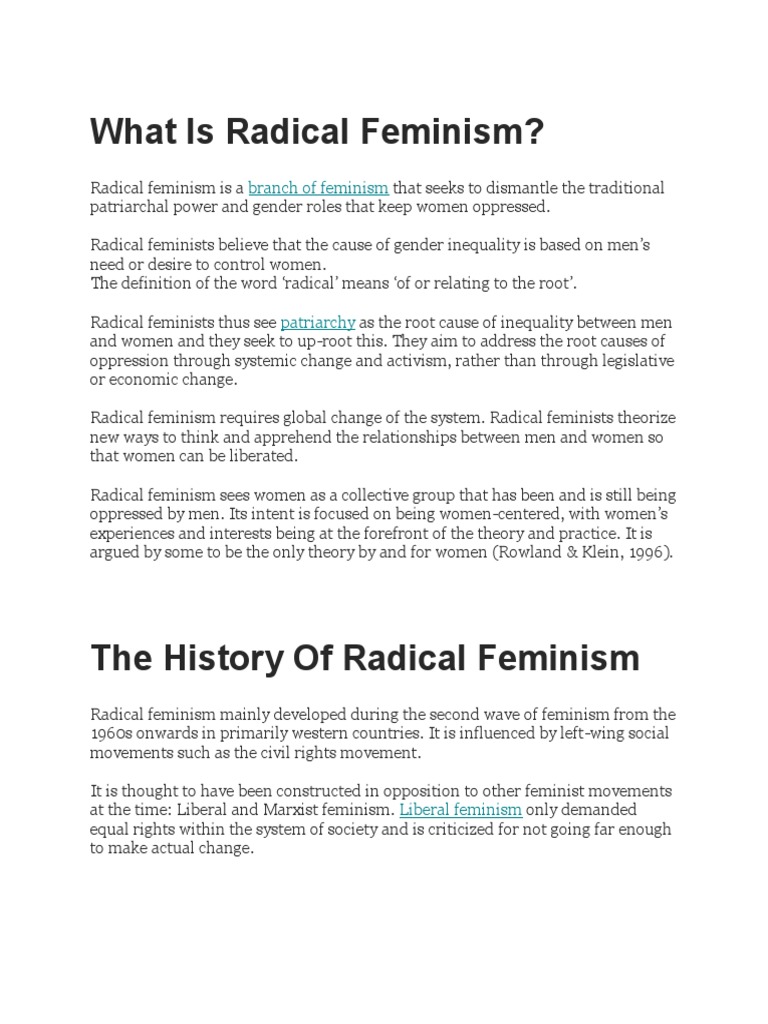
The Suffragettes, those iconic figures of defiant femininity, employed a spectrum of tactics, ranging from peaceful protests and meticulously crafted pamphlets to acts of civil disobedience that bordered on outright insurgency. Suffrage wasn’t politely requested; it was demanded, wrestled from the clenched fist of a patriarchal establishment clinging to its power. The movement was fractured, of course. Different factions held conflicting views on strategy and scope. Some advocated for a gradualist approach, focusing solely on suffrage and shunning more radical demands. Others, the firebrands, saw suffrage as merely the first domino in a long chain of necessary reforms. They challenged everything from traditional marriage roles to the stifling constraints of Victorian morality. The debate raged on. It was necessary.
Beyond the Ballot Box: Economic and Educational Emancipation
Suffrage was undoubtedly a crucial battle, but the First Wave Feminists understood that true liberation required more than just a mark on a ballot. Economic independence was paramount. They demanded access to education, not just for the sake of intellectual enrichment, but as a pathway to professional advancement. They challenged the societal norms that confined women to domesticity, arguing that women were capable of contributing to society in ways that extended far beyond the confines of the home. The rise of women in traditionally male-dominated fields like medicine, law, and academia was a testament to their relentless pursuit of equality. There were battles won in courtrooms, lecture halls, and factory floors.
Let’s be clear: access to education wasn’t just about acquiring knowledge; it was about cultivating critical thinking skills, about empowering women to challenge the very foundations of their oppression. Economic independence, similarly, was not simply about earning a paycheck; it was about gaining control over their own lives, about escaping the clutches of financial dependence on men. Freedom comes in many forms.
Challenging the Cult of Domesticity: Reclaiming Female Sexuality
Victorian society was steeped in a puritanical ethos that rigidly controlled female sexuality. Women were expected to be paragons of virtue, passive and submissive, their desires repressed and their bodies policed. The First Wave Feminists challenged this suffocating construct. They dared to speak openly about female sexuality, advocating for reproductive rights and challenging the double standards that condemned women for expressing their desires while simultaneously excusing male promiscuity. This wasn’t about wantonness or licentiousness; it was about autonomy, about reclaiming control over their own bodies and their own sexual experiences. The discourse was considered shocking. It was necessary.
They understood that true liberation required challenging the ingrained societal beliefs that cast women as either madonnas or whores, as either pure and innocent or inherently sinful. They demanded the right to make their own choices about their bodies, their relationships, and their futures. They were not afraid to challenge the status quo. They understood the power of words.
The Shadow Side: Classism, Racism, and the Limitations of the First Wave
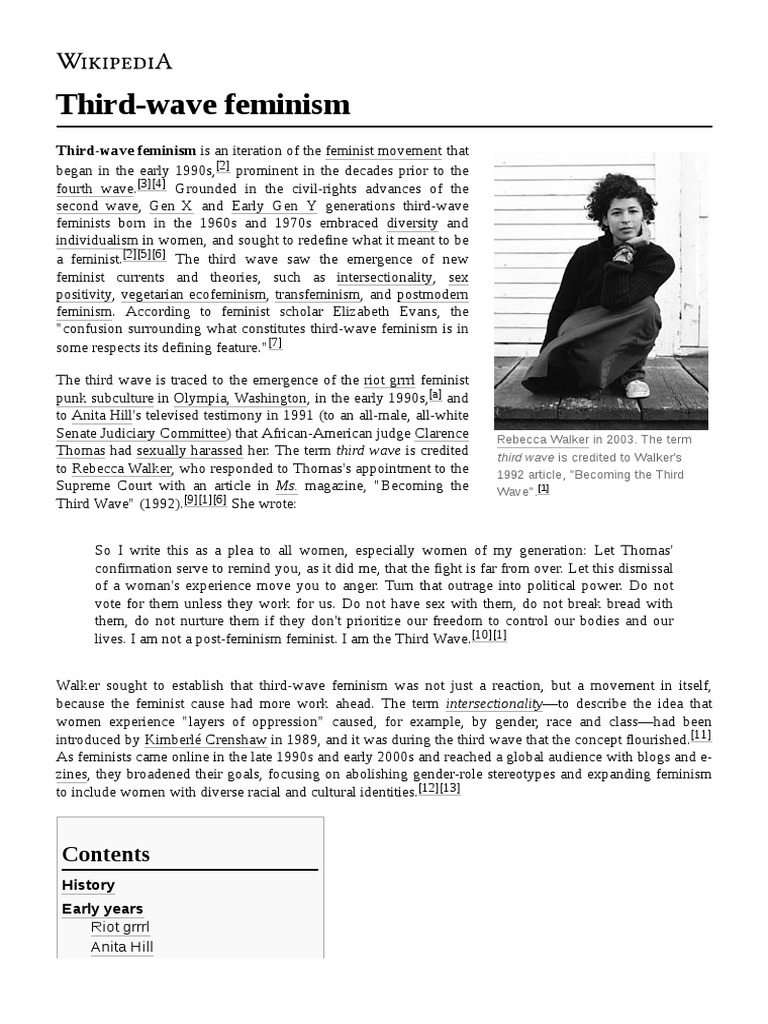
It is crucial to acknowledge the shortcomings of the First Wave Feminist movement. It was largely dominated by middle- and upper-class white women, and its focus often reflected their specific concerns. The voices of working-class women, women of color, and immigrant women were often marginalized or ignored. The movement’s agenda, while undeniably progressive for its time, often failed to address the intersectional forms of oppression that these women faced. It is an uncomfortable truth, but it must be addressed. We must not shy away from the complexities of history.
The focus on suffrage, while important, sometimes overshadowed the economic and social realities faced by women who were already disenfranchised in other ways. The movement’s rhetoric occasionally reflected the prejudices of the time, perpetuating harmful stereotypes about women of color and immigrant women. This is not to diminish the achievements of the First Wave Feminists, but to acknowledge that their movement, like all historical movements, was flawed and incomplete. We must learn from these shortcomings. We must strive to build a more inclusive and intersectional feminism that addresses the needs of all women.
The Legacy of the First Wave: A Foundation for Future Feminisms
Despite its limitations, the First Wave Feminist movement laid the groundwork for subsequent generations of feminist activism. It established the principle that women are entitled to the same rights and opportunities as men. It challenged the societal norms that relegated women to a position of subservience. It created a space for women to organize, to mobilize, and to demand change. It established precedents that continue to shape the feminist movement today. We stand on the shoulders of giants, even flawed ones.
The struggles and sacrifices of the First Wave Feminists paved the way for the Second Wave, the Third Wave, and the ongoing struggles for gender equality that continue to this day. Their legacy is a reminder that progress is never linear, that the fight for justice is never truly over, and that each generation must continue to challenge the structures of oppression that limit the potential of women. The fight continues. The baton has been passed. And it will continue to be passed.
Content Readers Can Expect:
- Historical Context: Readers can expect a detailed overview of the social, political, and economic conditions that gave rise to First Wave Feminism.
- Key Figures and Movements: Expect in-depth profiles of influential figures like Susan B. Anthony, Elizabeth Cady Stanton, and Emmeline Pankhurst, as well as analysis of key organizations and movements such as the National Woman Suffrage Association and the Women’s Social and Political Union.
- The Suffrage Movement: Detailed coverage of the fight for women’s suffrage, including the various strategies and tactics employed by suffragists, the opposition they faced, and the eventual passage of the 19th Amendment.
- Beyond Suffrage: Exploration of the broader goals of the First Wave Feminists, including their efforts to improve women’s access to education, employment, and legal rights.
- Critiques and Limitations: A critical examination of the limitations of the First Wave Feminist movement, including its classism, racism, and failure to address the needs of all women.
- Legacy and Impact: An assessment of the lasting legacy of the First Wave Feminist movement and its influence on subsequent generations of feminist activism.
- Intersectionality Discussions: Analysis of how race, class, and other social categories intersected with gender to shape the experiences of women during this period.
- Visuals and Primary Sources: Inclusion of historical photographs, illustrations, and excerpts from primary source documents to bring the era to life and provide readers with a deeper understanding of the issues at stake.
- Contemporary Relevance: Connecting the issues and struggles of the First Wave Feminists to contemporary debates about gender equality and women’s rights.
- Argumentative Tone: Expect a provocative and argumentative tone that challenges conventional wisdom and encourages critical thinking.
In conclusion, understanding the First Wave of Feminism isn’t just about acknowledging historical events. It’s about recognizing the complex and often contradictory forces that shaped the movement, its undeniable achievements, and its critical limitations. It’s about acknowledging the ongoing struggle for true gender equality, a struggle that builds upon the foundation laid by those defiant women of the past. And it’s about understanding that the fight, in many ways, is far from over.







Leave a Comment