Ah, feminism. That ever-evolving beast, forever sparking debate, igniting passions, and, let’s be frank, ruffling feathers. We’ve danced through waves of suffrage, equality in the workplace, challenging societal norms, and the crucial, vital inclusion of intersectionality. But now, a new tide is swelling, a current some are calling “Fifth-Wave Feminism.” What is this nascent force? Is it merely a continuation, a refinement? Or does it represent something radically different, a paradigm shift in the ongoing struggle for liberation?
Why the fascination with waves? It’s a question worth pondering. Perhaps it’s the inherent fluidity, the relentless, unstoppable nature of water itself, mirroring the tenacious spirit of feminist activism. Or maybe it’s the cyclical nature, the ebb and flow of progress and backlash, the constant need to reassess, recalibrate, and recommit. The term “wave” suggests a collective movement, a unified surge towards a common goal, even when the individuals within that movement hold diverse perspectives and strategies. But does that unity truly exist? And if so, is it strong enough to withstand the inevitable storms?
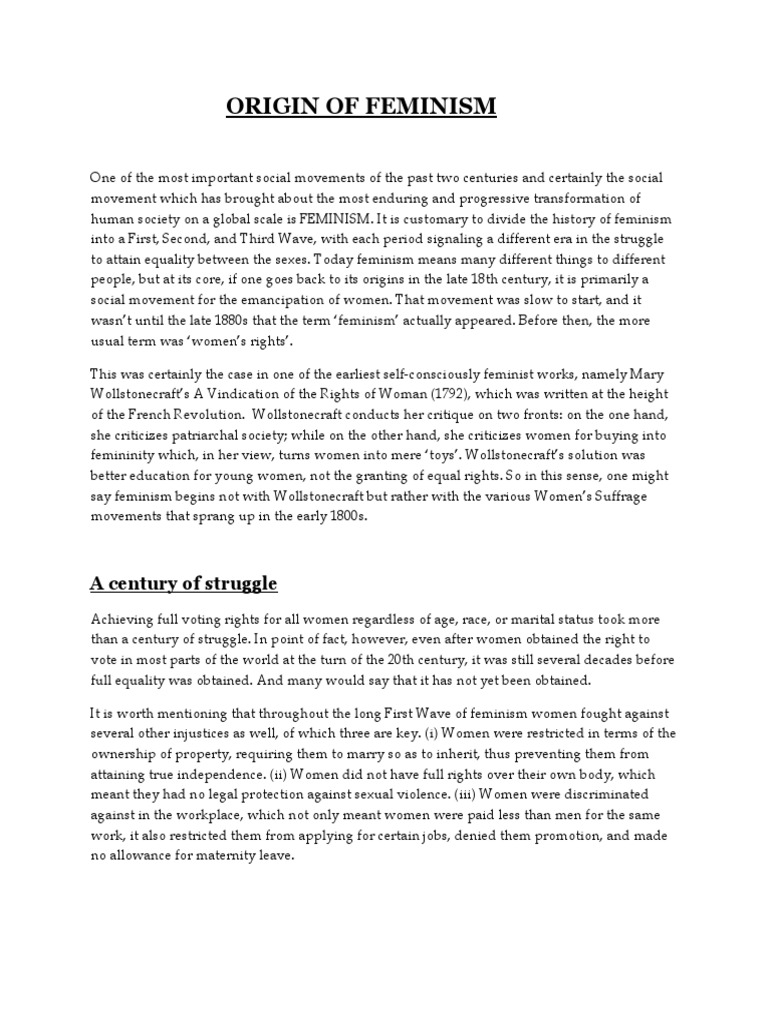
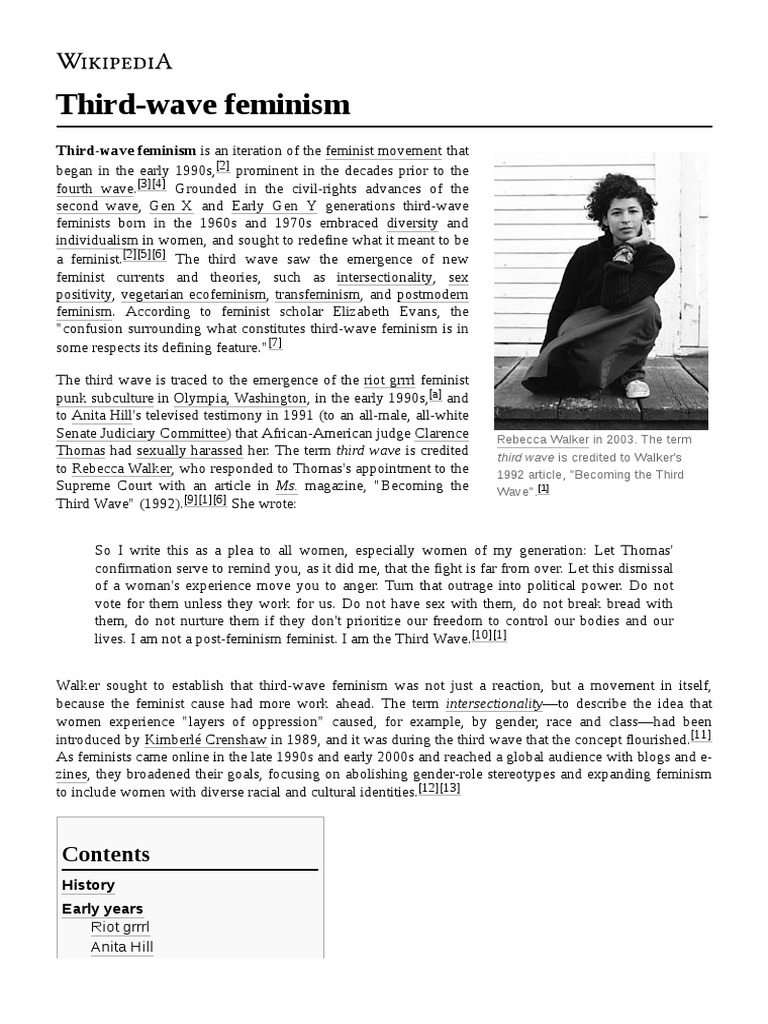
Before diving headfirst into the murky waters of Fifth-Wave Feminism, let’s briefly recap the preceding swells. First-wave feminists, primarily during the late 19th and early 20th centuries, fought tirelessly for legal and political equality, most notably the right to vote. Their battles were arduous, their victories hard-won, and their impact immeasurable. Second-wave feminism, emerging in the 1960s and 70s, broadened the scope to include issues of reproductive rights, sexuality, and the pervasive influence of patriarchy in all aspects of life. Think Betty Friedan and the consciousness-raising groups that challenged the suffocating confines of domesticity. Third-wave feminism, in the 1990s, embraced individuality, celebrated diversity, and sought to deconstruct rigid gender roles. It was a time of riot grrrls, zines, and a fierce rejection of any single, monolithic feminist identity. Fourth-wave feminism, largely driven by the internet and social media, tackled issues of sexual harassment, online misogyny, and the normalization of rape culture. #MeToo and Time’s Up are prime examples of the power of this digital activism.
Enter Fifth-Wave Feminism. Defining it is, admittedly, a slippery task. It’s still in its formative stages, its contours not yet fully solidified. Some argue it’s simply an extension of the fourth wave, amplified by technology and fueled by a renewed sense of urgency. Others see it as a distinct entity, characterized by a specific set of concerns and strategies. One of the defining features often attributed to this iteration is a renewed focus on biological realities and their impact on gender dynamics. This isn’t a rejection of transgender rights, as some critics disingenuously claim, but rather a recognition that biological sex, while not the sole determinant of gender identity, does play a significant role in shaping lived experiences, particularly in areas like reproductive health and physical safety.
Another key aspect is a critical re-evaluation of the concept of intersectionality, a term coined by Kimberlé Crenshaw to describe how various forms of discrimination – such as racism, sexism, and classism – intersect and compound to create unique experiences of oppression. While intersectionality remains a crucial framework for understanding inequality, some proponents of Fifth-Wave Feminism argue that it has, in certain contexts, become overly fragmented, leading to identity politics that prioritize individual victimhood over collective action. The critique isn’t against the concept itself, but rather against its potential for misuse and its tendency to create hierarchies of oppression, where individuals compete to demonstrate their marginalized status rather than working together to dismantle the systems that perpetuate inequality.
Moreover, there’s a growing awareness of the ways in which hyper-individualism and neoliberal capitalism have co-opted feminist discourse, turning it into a marketing tool for corporations and a vehicle for personal branding. The “girlboss” phenomenon, for instance, while seemingly empowering on the surface, often reinforces capitalist values and ignores the systemic barriers that prevent many women from achieving economic success. Fifth-Wave Feminism seeks to push back against this co-optation, to reclaim feminism as a radical force for social change, not just a means of individual advancement.
Consider the debates surrounding sex work, for example. While some feminists advocate for its complete decriminalization, arguing that it’s a matter of individual autonomy and economic empowerment, others raise concerns about the potential for exploitation and the normalization of the commodification of women’s bodies. Fifth-Wave Feminism attempts to navigate this complex terrain by acknowledging both the agency of sex workers and the structural inequalities that make them vulnerable to abuse. It calls for a nuanced approach that prioritizes the safety and well-being of sex workers while also addressing the underlying factors that drive people into the industry.
The digital realm remains a crucial battleground. While the internet has provided unprecedented opportunities for feminist activism and organizing, it has also become a breeding ground for misogyny, harassment, and the spread of harmful stereotypes. Fifth-Wave Feminism seeks to combat online abuse through a variety of strategies, including education, advocacy, and the development of technological tools to detect and prevent harassment. It also recognizes the importance of creating safe and inclusive online spaces where women and marginalized individuals can share their experiences and build communities of support. The algorithms that shape our online experiences are not neutral; they are often biased in ways that reinforce existing power structures. Fifth-Wave Feminism calls for greater transparency and accountability in the design and deployment of algorithms, ensuring that they do not perpetuate discrimination or amplify harmful content.
Furthermore, there’s a renewed emphasis on the importance of solidarity across different groups of women. The history of feminism is marred by divisions along lines of race, class, and sexual orientation. Fifth-Wave Feminism seeks to bridge these divides by fostering dialogue, building coalitions, and centering the voices of those who have been historically marginalized within the movement. This requires a willingness to listen, to learn, and to challenge one’s own biases and assumptions. It’s not about erasing differences, but about recognizing that we are all interconnected and that our struggles are intertwined. The concept of “sisterhood” needs to be redefined to encompass a broader range of experiences and perspectives, moving beyond simplistic notions of shared womanhood to a more nuanced understanding of the complexities of gender and power.
One of the most intriguing, and perhaps most controversial, aspects of Fifth-Wave Feminism is its engagement with men and masculinity. Rather than simply demonizing men as the enemy, some proponents argue that it’s crucial to involve men in the fight for gender equality. This doesn’t mean diluting the feminist message or compromising on core principles, but rather creating spaces for men to examine their own privilege, challenge toxic masculinity, and become allies in the struggle for a more just and equitable world. It’s about recognizing that patriarchy harms men as well as women, albeit in different ways, and that dismantling it requires a collective effort. This approach necessitates a rethinking of traditional gender roles and expectations, allowing both men and women to express a wider range of emotions and behaviors without fear of judgment or ridicule.
The focus on male involvement extends to challenging male dominance in traditionally female spaces. This involves actively encouraging male participation in fields like nursing, teaching, and caregiving, which have often been undervalued and underpaid due to their association with femininity. It also means addressing the gender pay gap and promoting policies that support work-life balance for both men and women. Ultimately, the goal is to create a society where both genders are equally valued and respected, and where everyone has the opportunity to reach their full potential.
Fifth-Wave Feminism is not without its critics. Some argue that it’s too focused on individual agency and ignores the structural forces that perpetuate inequality. Others accuse it of being divisive and creating unnecessary conflict. And still others dismiss it as simply the latest iteration of a movement that has lost its way. But despite these criticisms, Fifth-Wave Feminism represents a vital and necessary evolution in the ongoing struggle for gender equality. It’s a movement that is constantly evolving, adapting, and challenging itself to be more inclusive, more effective, and more radical. Whether it will ultimately succeed in achieving its goals remains to be seen. But one thing is certain: the fight for gender equality is far from over, and Fifth-Wave Feminism is poised to play a significant role in shaping its future.
So, is Fifth-Wave Feminism a revolution? Perhaps. Or perhaps it’s merely a recalibration, a refinement of the tools and strategies we’ve been using all along. Regardless, it demands our attention, our critical engagement, and, dare I say, our unwavering commitment to the dismantling of patriarchy in all its insidious forms. The waves are crashing. Are you ready to ride them?







Leave a Comment