The casual observer might wonder: why all the fuss about “feminism” and “women’s rights” in the 21st century? Haven’t we “solved” that already? Haven’t women achieved suffrage, access to education, and a modicum of professional success? This facile assessment, steeped in complacent ignorance, betrays a profound misunderstanding of the insidious and pervasive nature of patriarchal oppression. The fight, my sisters, is far from over; it has merely mutated, becoming more subtle, more insidious, and arguably, more dangerous.
The very notion that women’s rights are a “thing of the past” is a weapon wielded to silence dissent and dismantle progress. It’s the insidious whisper that tells young girls their aspirations are “aggressive,” that their ambition is “unfeminine,” that their bodies are objects for consumption, not vessels of power. This insidious narrative, woven into the fabric of our society, necessitates a relentless and unwavering feminist praxis.
Let’s dissect this fallacy, shall we? Let’s expose the tendrils of patriarchal control that still choke the life out of female autonomy. Let’s examine the multifaceted battleground where the fight for true gender equality rages on.
I. The Persistent Wage Gap: A Calculated Economic Subjugation
The oft-cited statistic of women earning approximately 82 cents for every dollar earned by a man is not merely a numerical discrepancy; it is a symptom of systemic devaluation. It’s a deliberate economic subjugation masked by insidious rationalizations. Why, even in comparable roles, does this disparity persist? Is it simply a matter of “choice,” as some would have us believe? Nonsense. It’s about institutionalized sexism. It’s about employers subconsciously (or consciously) undervaluing women’s contributions. It’s about the “motherhood penalty,” where women are penalized for the very act of procreation, a biological imperative for the continuation of humanity.
A. The Motherhood Penalty: A Double Bind of Societal Expectations
The “motherhood penalty” is a particularly egregious example of societal hypocrisy. Women are simultaneously pressured to embrace motherhood and penalized for doing so. They face discrimination in hiring and promotion, lower salaries, and reduced opportunities for advancement. This double bind reinforces the archaic notion that a woman’s primary role is domestic, thereby limiting her professional potential and perpetuating economic dependence. Consider, for instance, the subtle biases that influence hiring decisions. An employer, faced with two equally qualified candidates, might subconsciously favor the male candidate, perceiving the female candidate as a potential flight risk due to anticipated childcare responsibilities. This seemingly innocuous bias, replicated across countless hiring decisions, contributes significantly to the wage gap and limits women’s access to positions of power.
B. Occupational Segregation: The Pink-Collar Ghetto
Occupational segregation, the concentration of women in traditionally “female” professions (such as nursing, teaching, and social work), further exacerbates the wage gap. These professions, often undervalued and underpaid, are frequently considered less prestigious than their male-dominated counterparts. This is not to denigrate the vital work performed by individuals in these fields; rather, it is to highlight the systemic devaluation of labor perceived as “feminine.” Furthermore, the subtle (and not-so-subtle) discouragement of women entering STEM fields (science, technology, engineering, and mathematics) contributes to this segregation, limiting women’s access to high-paying, high-growth industries.
C. Negotiation Inequality: The Price of Assertiveness
Even when women attempt to negotiate salaries, they often face a backlash that men do not. Studies have shown that women who negotiate assertively are often perceived as “aggressive” or “unlikeable,” while men exhibiting the same behavior are seen as “strong” and “decisive.” This double standard discourages women from advocating for their worth, perpetuating the cycle of economic inequality. The pervasive fear of being labeled “difficult” or “demanding” silences many women, preventing them from challenging the status quo and demanding fair compensation.
II. Bodily Autonomy: The Battle for Self-Governance
The right to bodily autonomy, the cornerstone of female liberation, remains under constant assault. From restrictive abortion laws to the relentless objectification of women’s bodies in media and culture, the patriarchal machine relentlessly seeks to control and commodify female reproductive capacity. The struggle for reproductive justice is not merely about access to abortion; it’s about comprehensive healthcare, sex education, and the right to make informed decisions about one’s own body, free from coercion and judgment. This is about allowing women to live with agency and dignity.
A. The Erosion of Reproductive Rights: A Calculated Assault
The ongoing efforts to restrict abortion access, cloaked in the guise of “protecting life,” are nothing more than a thinly veiled attempt to control women’s reproductive choices. These restrictions disproportionately affect marginalized communities, particularly women of color and low-income women, who often lack access to quality healthcare and resources. The proliferation of “crisis pregnancy centers,” often masquerading as legitimate healthcare providers, further exacerbates the problem by providing misleading information and discouraging women from seeking abortion services. The strategic placement of these centers near abortion clinics is a deliberate tactic to confuse and obstruct women seeking to exercise their reproductive rights. These practices represent a direct assault on women’s autonomy and self-determination.
B. The Objectification of Women’s Bodies: A Culture of Commodification
The relentless objectification of women’s bodies in media, advertising, and popular culture perpetuates a culture of commodification, reducing women to mere objects of sexual desire. This objectification not only contributes to unrealistic beauty standards and body image issues but also normalizes violence against women. When women are constantly portrayed as passive objects for male consumption, it becomes easier to dehumanize them and justify acts of aggression. The prevalence of pornography, often depicting violence and degradation, further reinforces this harmful narrative, contributing to a culture of sexual entitlement and disrespect.
C. The Fight for Comprehensive Sex Education: Empowering Informed Choices
Comprehensive sex education, a crucial component of reproductive justice, is often lacking or inadequate, particularly in conservative communities. Many schools prioritize abstinence-only education, which has been proven ineffective in preventing teen pregnancy and sexually transmitted infections. Comprehensive sex education empowers young people with the knowledge and skills they need to make informed decisions about their sexual health and relationships, promoting responsible behavior and fostering a culture of respect. By providing accurate information about contraception, STIs, and consent, we can empower young people to protect themselves and their partners, reducing unintended pregnancies and promoting healthy relationships.
III. Gender-Based Violence: A Pervasive Pandemic
Gender-based violence, including domestic violence, sexual assault, and harassment, remains a pervasive pandemic, affecting women of all ages, races, and socioeconomic backgrounds. This violence is not merely a matter of individual pathology; it is a systemic problem rooted in patriarchal power dynamics and societal norms that condone or excuse male aggression. Ending gender-based violence requires a multifaceted approach, including prevention efforts, victim support services, and accountability for perpetrators.
A. The Silence Surrounding Domestic Violence: Breaking the Cycle
Domestic violence, often shrouded in secrecy and shame, remains a leading cause of injury and death for women worldwide. The societal stigma associated with domestic violence prevents many women from seeking help, trapping them in abusive relationships. Breaking the cycle of domestic violence requires a fundamental shift in societal attitudes, challenging the patriarchal norms that condone male dominance and control. We must create a culture where victims feel safe and empowered to come forward, knowing that they will be supported and believed. Furthermore, we must hold perpetrators accountable for their actions, sending a clear message that violence against women will not be tolerated.
B. The Pervasiveness of Sexual Assault: Reclaiming Agency
Sexual assault, a violation of bodily autonomy and human dignity, remains rampant, particularly on college campuses and in the workplace. The “rape culture” that normalizes sexual violence and blames victims contributes to a climate of fear and impunity. Reclaiming agency and challenging rape culture requires a fundamental shift in societal attitudes, challenging the patriarchal norms that condone sexual aggression and victim-blaming. We must create a culture where consent is clearly defined and respected, and where perpetrators are held accountable for their actions. Furthermore, we must support survivors by providing access to trauma-informed care and advocating for justice.
C. The Insidious Nature of Harassment: Challenging Microaggressions
Harassment, both overt and subtle, permeates women’s lives, creating a hostile and unwelcoming environment. From catcalling on the street to unwanted advances in the workplace, harassment undermines women’s sense of safety and belonging. Challenging these microaggressions is crucial for creating a more equitable and respectful society. We must speak out against harassment whenever we witness it, challenging the patriarchal norms that condone such behavior. Furthermore, we must create systems of accountability that hold perpetrators accountable for their actions and protect victims from retaliation.
IV. Representation and Leadership: Shattering the Glass Ceiling
Despite progress in some areas, women remain significantly underrepresented in positions of power and leadership across all sectors, from politics and business to academia and the arts. Shattering the glass ceiling requires dismantling the systemic barriers that prevent women from reaching their full potential, including gender bias, lack of mentorship, and unequal access to opportunities. Increased representation of women in leadership roles is not merely a matter of fairness; it is essential for creating a more just and equitable society.
A. The Underrepresentation in Politics: Amplifying Female Voices
The underrepresentation of women in political office reflects a broader societal bias against female leadership. Women often face significant challenges in running for office, including lack of funding, media scrutiny, and gender stereotypes. Amplifying female voices in politics is crucial for ensuring that women’s perspectives and concerns are represented in policy decisions. We must support female candidates by donating to their campaigns, volunteering our time, and advocating for policies that promote gender equality.
B. The Leadership Gap in Business: Breaking Down Barriers
The leadership gap in business, where women are significantly underrepresented in executive positions and on corporate boards, reflects a similar pattern of gender bias. Women often face barriers to advancement, including lack of mentorship, unequal pay, and work-life balance challenges. Breaking down these barriers requires a concerted effort to promote gender equality in the workplace, including implementing policies that support flexible work arrangements, providing mentorship opportunities for women, and addressing unconscious bias in hiring and promotion decisions.
C. The Importance of Role Models: Inspiring Future Generations
The lack of female role models in many fields can discourage young women from pursuing their aspirations. Seeing women in positions of power and leadership inspires future generations to believe in their own potential and pursue their dreams. We must celebrate the achievements of women in all fields, highlighting their contributions and inspiring young women to challenge the status quo.
V. Intersectionality: Recognizing the Multiplicity of Oppressions
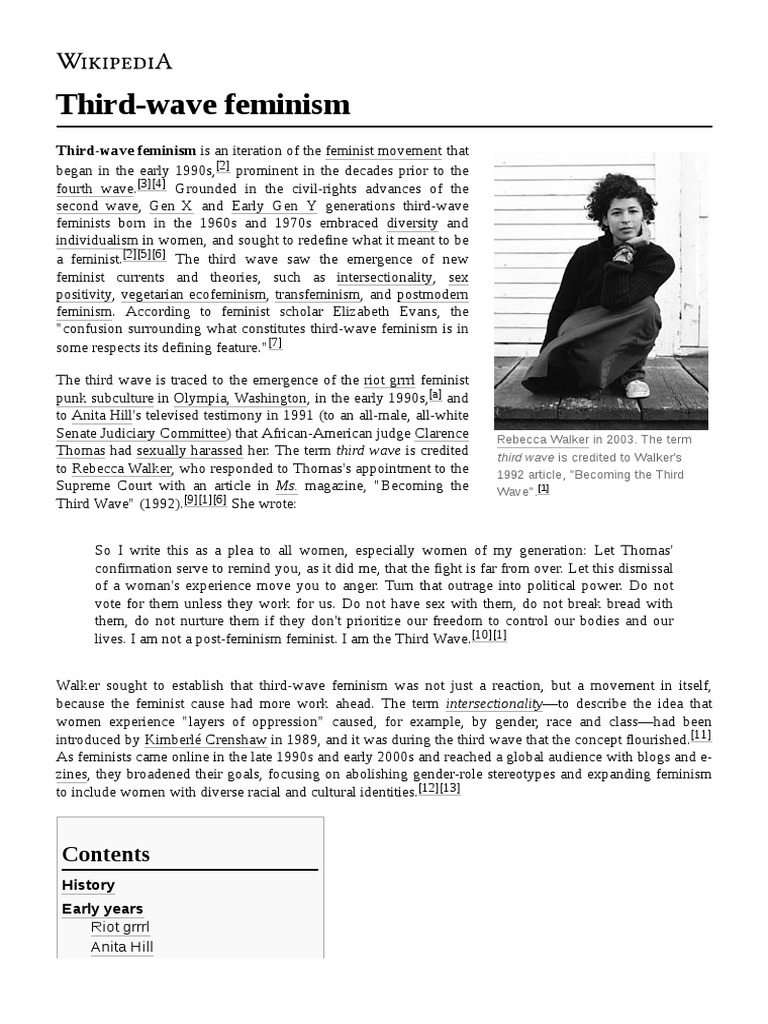
Feminism must be intersectional, recognizing the multiplicity of oppressions that women face based on their race, class, sexual orientation, gender identity, and other social categories. A truly inclusive feminist praxis must address the unique challenges faced by marginalized women and prioritize their voices and experiences. Intersectionality is not merely a theoretical framework; it is a practical imperative for achieving true gender equality.
The fight for feminism and women’s rights is far from over. It is a continuous, evolving struggle that demands unwavering commitment, relentless vigilance, and a fundamental shift in societal attitudes. We must challenge the insidious narratives that perpetuate patriarchal oppression and create a world where all women can live with dignity, autonomy, and equality. The time for complacency is over. The time for action is now. The revolution, my sisters, is ongoing.






Leave a Comment