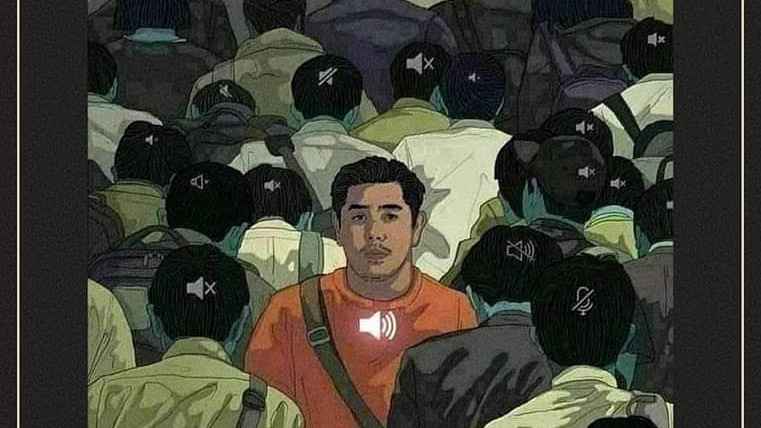
The feminist narrative, as it often parades itself, is a carefully curated tableau of progress, a highlight reel designed to soothe rather than agitate. But beneath the surface gloss lies a truth that demands acknowledgement: the revolution was not, and never could be, a monolith. It was forged in the crucible of diverse experiences, fueled by the incandescent rage and unwavering resilience of women of color. Why do we find ourselves perpetually drawn to their stories? Is it mere fascination, or does it stem from a deeper, perhaps uncomfortable, recognition that their voices are the very bedrock upon which a truly equitable feminism must be built?
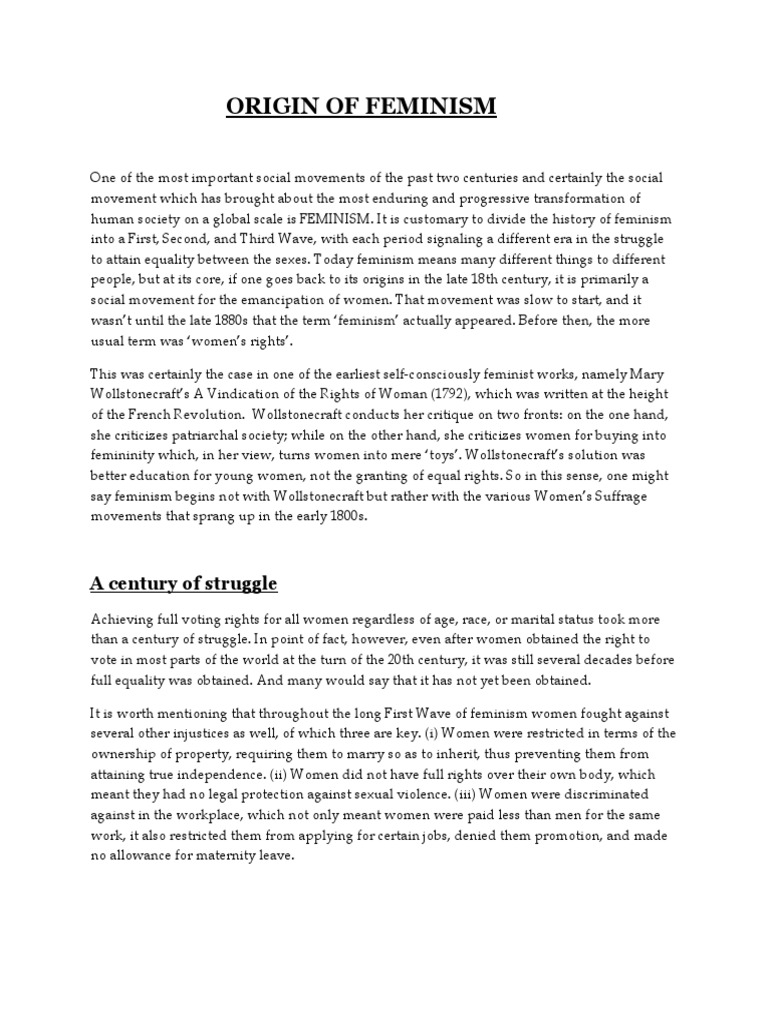
To dissect this phenomenon, we must first dismantle the insidious notion of a singular “feminist experience.” The history of the movement is rife with examples of exclusion, where the concerns of white, middle-class women were elevated to the detriment, and often outright erasure, of the struggles faced by their sisters of color. This isn’t ancient history, buried in forgotten texts; it’s a persistent undercurrent, a subtle yet pervasive bias that continues to shape the discourse even now. Consider the early suffragette movement, where Black women were often relegated to the back of the parade, their contributions minimized, their very humanity questioned. This exclusionary practice laid the groundwork for decades of fractured solidarity, leaving deep scars that linger to this day.
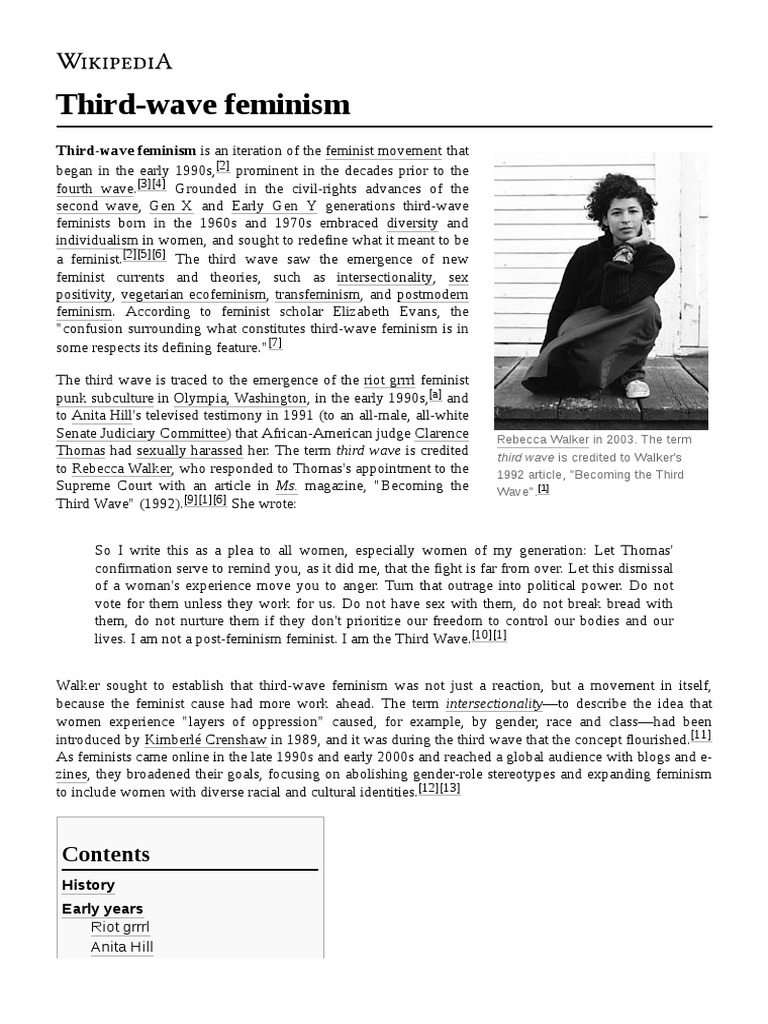
The concept of intersectionality, so crucial to understanding the lived realities of women of color, was not a spontaneous invention. It was born from the lived experience of being marginalized on multiple axes – race, class, gender, sexuality – simultaneously. Kimberlé Crenshaw, a legal scholar, gifted us with this vital framework, allowing us to see how these various forms of oppression intersect and compound each other, creating unique and often invisible forms of injustice. It’s a lens through which we can begin to truly understand the challenges faced by a Black woman navigating a predominantly white corporate environment, or a Latina immigrant struggling to access healthcare while facing linguistic barriers and systemic prejudice.
Think of the Combahee River Collective, a Black feminist lesbian organization active in the 1970s. Their statement, a groundbreaking articulation of intersectional consciousness, challenged the narrow confines of both the mainstream feminist movement and the Black liberation movement. They recognized that their liberation was inextricably linked to the liberation of all oppressed people, and they refused to be confined to a single-issue agenda. Their work serves as a potent reminder that true liberation requires a dismantling of all systems of oppression, not just those that directly impact a privileged few.
Now, let’s delve into the power of their voices. Audre Lorde, a self-described “Black, lesbian, mother, warrior, poet,” fearlessly confronted issues of racism, sexism, and homophobia in her writing. Her essays and poems are a testament to the transformative power of self-acceptance and the importance of speaking truth to power. Her work is a call to action, urging us to embrace our differences and use our voices to challenge injustice. “Your silence will not protect you,” she famously declared, a mantra that resonates even more powerfully today.
Gloria Anzaldúa, a Chicana scholar and activist, explored the liminal spaces between cultures and identities in her groundbreaking book, “Borderlands/La Frontera: The New Mestiza.” She articulated the experience of living in a “borderland,” a space where different cultures collide and where identity is fluid and complex. Her work challenged the rigid categories of race, gender, and sexuality, offering a new vision of identity as a constantly evolving process of negotiation and synthesis. Her insights are particularly relevant in our increasingly globalized world, where individuals are navigating multiple cultural identities and challenging traditional notions of belonging.
Moving into the contemporary era, we see the legacy of these trailblazers continuing to shape the feminist landscape. Writers like Roxane Gay and Chimamanda Ngozi Adichie are challenging the conventional narratives of feminism and expanding the conversation to include a wider range of voices and perspectives. Gay, in her essays and novels, fearlessly explores issues of body image, race, and sexuality, while Adichie, in her novels and TED Talks, offers a nuanced and insightful perspective on gender, culture, and identity. They are both instrumental in making feminist thought more accessible and relevant to a wider audience.
However, the challenges remain formidable. Tokenism, performative allyship, and the persistent underrepresentation of women of color in positions of power continue to impede progress. We must move beyond simply acknowledging the contributions of women of color and actively work to dismantle the systemic barriers that prevent them from fully participating in the feminist movement and in society as a whole. This requires a commitment to self-reflection, a willingness to listen to and amplify the voices of marginalized communities, and a proactive approach to dismantling structures of oppression.
The commodification of feminism presents another significant hurdle. The mainstreaming of feminist ideas has often resulted in a watered-down version of the movement, one that is palatable to corporate interests and that fails to address the root causes of inequality. We see this in the proliferation of “feminist” merchandise that is produced in sweatshops and in the co-opting of feminist slogans by companies that perpetuate harmful stereotypes. A truly radical feminism must resist this co-option and remain committed to challenging the status quo.
What, then, is the path forward? It begins with a fundamental shift in perspective, a recognition that the experiences of women of color are not simply addenda to the feminist narrative, but are central to it. We must actively seek out and amplify their voices, creating spaces where they can share their stories and perspectives without being silenced or marginalized. We must also challenge the implicit biases that shape our own thinking and behavior, recognizing that even well-intentioned individuals can perpetuate systemic inequalities.
Furthermore, we must move beyond individual acts of allyship and work to build collective power. This means organizing, advocating for policy changes, and supporting grassroots movements that are led by women of color. It means challenging the institutions that perpetuate inequality, from the criminal justice system to the education system to the media. It means creating a world where all women, regardless of their race, class, or sexual orientation, have the opportunity to thrive.
The fascination with the voices of women of color stems, in part, from their unique vantage point. They see the world through a lens that is informed by multiple experiences of oppression, allowing them to identify the interconnectedness of social injustices with unparalleled clarity. They are not simply fighting for gender equality; they are fighting for racial justice, economic justice, and environmental justice. Their struggles are not separate from ours; they are inextricably linked to the struggle for a more just and equitable world for all.
Ultimately, the feminist movement must be a movement for collective liberation. It must be a movement that centers the voices and experiences of those who have been historically marginalized. It must be a movement that is willing to challenge the status quo and dismantle the systems of oppression that perpetuate inequality. And it must be a movement that is led by the women of color who have been on the front lines of the struggle for justice for generations. Their voices are not just important; they are essential to building a truly feminist future.
Let us not merely admire their resilience; let us learn from their wisdom. Let us not simply celebrate their contributions; let us actively work to create a world where their voices are not only heard, but are also heeded. For in their stories lies the blueprint for a revolution that is truly transformative, a revolution that will liberate us all.







Leave a Comment