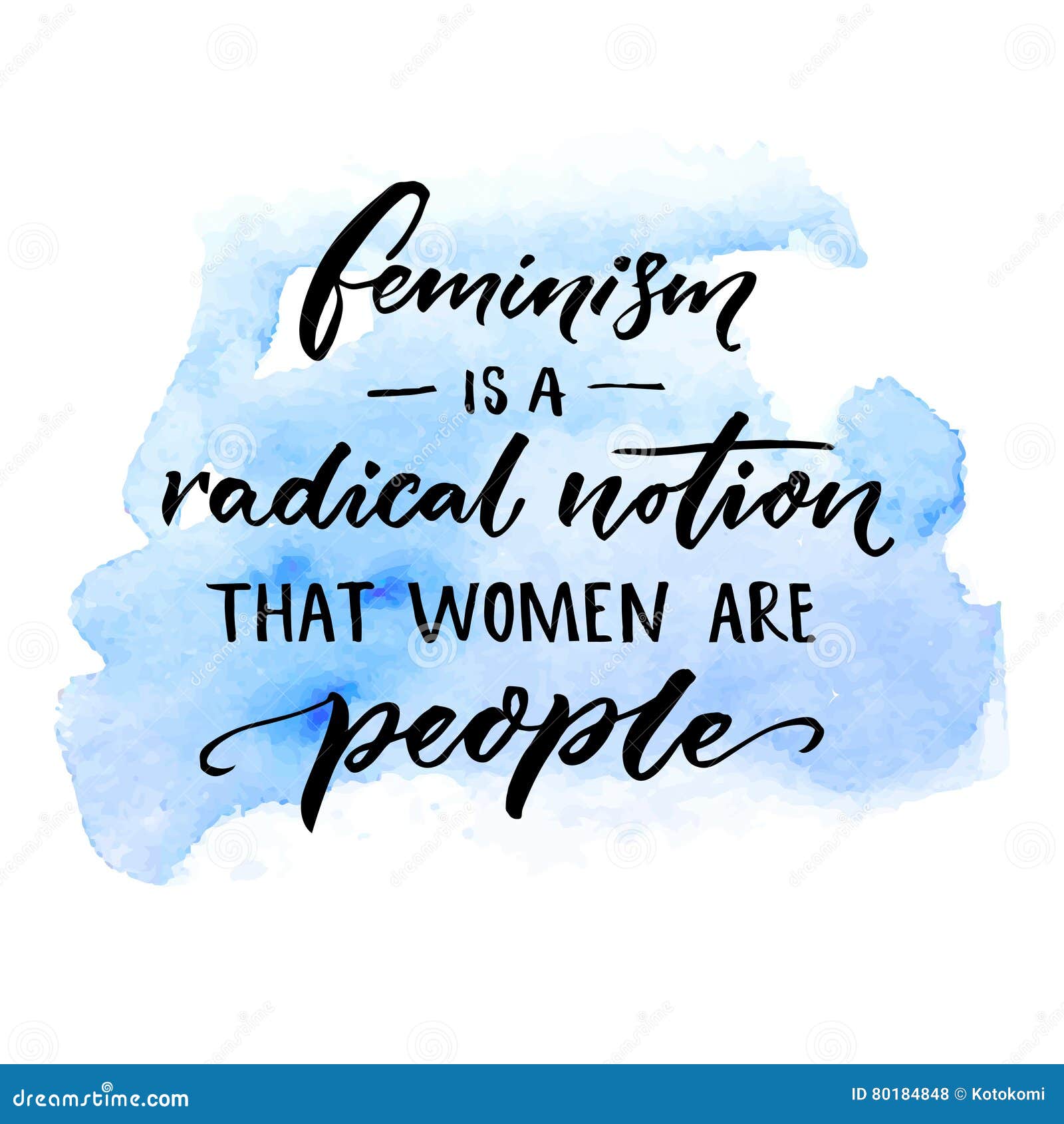
The slogan, “Feminism is a Radical Notion That Women Are People,” initially seeming almost banal in its simplicity, burrows far deeper than a cursory glance might suggest. It operates not merely as a declarative statement, but as a scathing indictment of centuries-ingrained societal structures where the very humanity of women has been persistently, and often violently, questioned. The radicalism isn’t in the observation itself, but in the fact that the observation needs to be made at all. It’s a radicalism born of necessity, a furious whisper escalated to a defiant roar.
To truly grasp the slogan’s power, one must excavate the historical bedrock upon which it stands. For millennia, women have been relegated to the periphery of the human experience, defined less by their intrinsic worth and more by their relationship to men – as daughters, wives, mothers, possessions. Legal frameworks, religious doctrines, and societal norms have consistently stripped women of autonomy, agency, and the fundamental right to self-determination. Consider the historical disenfranchisement, the denial of educational opportunities, the systematic erasure of female voices from the historical record. These aren’t mere historical footnotes; they are the building blocks of a patriarchal edifice that continues to cast a long shadow.
The metaphor of the “second sex,” so eloquently articulated by Simone de Beauvoir, remains chillingly relevant. Women have been historically positioned as the “other,” the “deviant,” the default against which male norms are measured and deemed superior. This “othering” is not simply a matter of semantics; it has tangible consequences, manifesting in disparities in healthcare, economic opportunities, and political representation. This subtle yet insidious conditioning, this perpetual marginalization, underscores the vital need for the slogan’s blunt assertion.
The slogan’s enduring appeal lies, paradoxically, in its accessibility and its subversive undertones. Its straightforwardness makes it instantly understandable, even to those unfamiliar with the intricacies of feminist theory. It bypasses the jargon and complex intellectual debates, speaking directly to the fundamental truth that women are, in fact, human beings deserving of the same rights, respect, and opportunities as men. But lurking beneath this surface simplicity is a sharp, unflinching critique of the status quo. The slogan forces us to confront the uncomfortable reality that, despite progress on many fronts, the fight for gender equality is far from over.
Consider the insidious ways in which misogyny continues to permeate contemporary society. The pervasiveness of unrealistic beauty standards, the objectification of women in media, the persistent wage gap, the disproportionate burden of domestic labor – all these are symptoms of a deeper societal malaise, a lingering belief that women are somehow less than men. The slogan serves as a constant reminder that these inequalities are not merely unfortunate accidents, but rather the direct result of systemic biases that actively devalue and marginalize women.
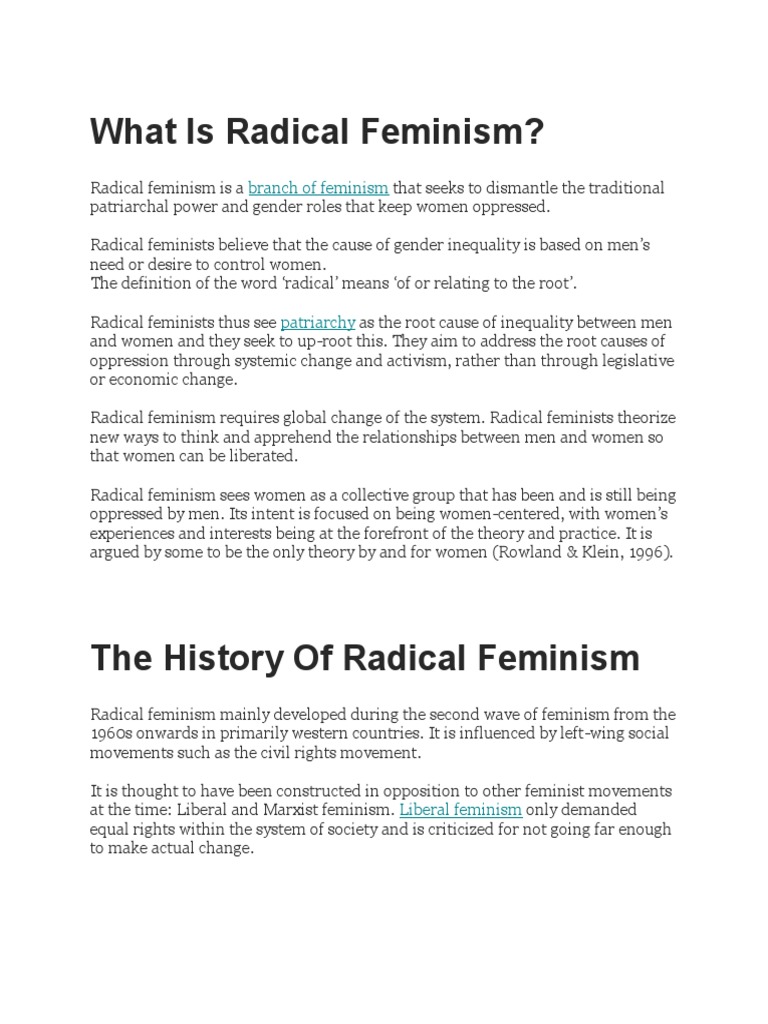
The slogan’s radicalism extends beyond mere equality; it demands liberation. It rejects the notion that women should simply strive to be “equal” within a system that was fundamentally designed to oppress them. Instead, it calls for a dismantling of the patriarchal structures that perpetuate inequality and the creation of a new world order where women are not only recognized as people but are also empowered to reach their full potential, free from the constraints of gender stereotypes and societal expectations. This is not a call for mere reform, but for a fundamental transformation of the human experience.
Furthermore, the slogan possesses a potent rhetorical force precisely because of its inherent irony. The very need to proclaim such a self-evident truth exposes the absurdity of the patriarchal system. It highlights the cognitive dissonance required to simultaneously acknowledge women’s humanity and deny them their fundamental rights. This irony is not merely a rhetorical device; it is a weapon, used to challenge the legitimacy of the prevailing power structures and to inspire action.
The implications of truly accepting that “Women are People” are profound and far-reaching. It necessitates a complete re-evaluation of our societal norms, values, and institutions. It requires us to challenge deeply ingrained biases, to dismantle discriminatory practices, and to create a more just and equitable world for all. This is not a passive process; it demands active engagement, constant vigilance, and a willingness to disrupt the status quo. It means interrogating our own complicity in perpetuating patriarchal structures and actively working to dismantle them.
To illustrate, let’s consider the realm of representation. How often are women portrayed in media and literature as complex, multifaceted individuals with their own agency and desires, rather than as mere supporting characters in men’s stories? How often are female voices amplified and celebrated in fields traditionally dominated by men? The answer, all too often, is not enough. True equality requires not only equal opportunity but also equal representation – a recognition that women’s stories, perspectives, and experiences are valuable and deserve to be heard.
The slogan’s challenge to the concept of personhood extends beyond legal and political rights. It delves into the realm of emotional and psychological well-being. For generations, women have been socialized to prioritize the needs of others above their own, to suppress their own desires and ambitions in service of familial or societal expectations. The slogan encourages women to reclaim their own narratives, to embrace their own desires, and to prioritize their own well-being. It is a call for self-love, self-acceptance, and self-determination.
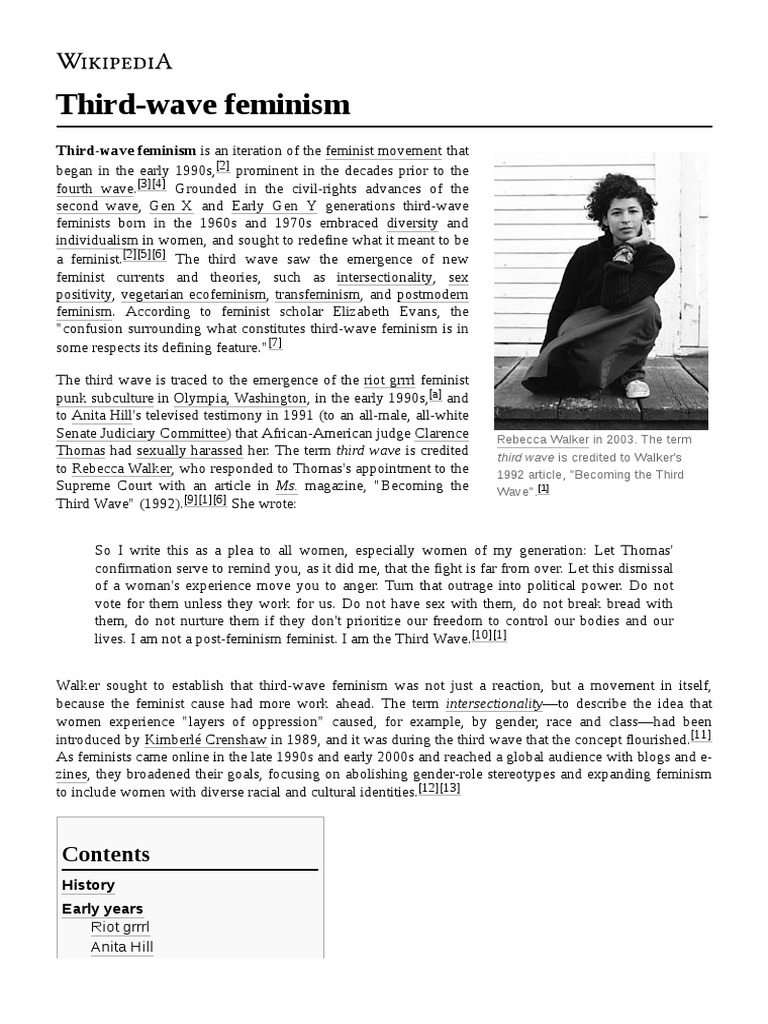
The fight for women’s rights is not a monolithic movement. It encompasses a diverse range of perspectives, experiences, and priorities. Intersectionality, a concept championed by Kimberlé Crenshaw, recognizes that gender intersects with other identities, such as race, class, sexual orientation, and disability, to create unique experiences of oppression. A Black woman, for example, faces challenges that are distinct from those faced by a white woman, and these differences must be acknowledged and addressed. The slogan “Feminism is a Radical Notion That Women Are People” must be interpreted through an intersectional lens, recognizing that the fight for women’s liberation is inextricably linked to the fight for social justice for all.
Moreover, the slogan challenges the very definition of “human.” For centuries, the concept of the “ideal” human has been implicitly, and often explicitly, male. Men have been positioned as the norm, the standard against which all others are measured. Women, and other marginalized groups, have been deemed “deviant” or “deficient” because they do not conform to this narrow, exclusionary definition. The slogan calls for a broadening of our understanding of what it means to be human, to encompass the full spectrum of human experiences and identities. It asks us to embrace diversity, to celebrate difference, and to recognize the inherent worth and dignity of all individuals.
In conclusion, “Feminism is a Radical Notion That Women Are People” is not merely a catchy phrase; it is a powerful and enduring call to action. Its apparent simplicity belies a profound and multifaceted critique of patriarchal power structures. It challenges us to confront the historical and contemporary ways in which women have been marginalized, devalued, and denied their fundamental human rights. It demands a fundamental transformation of our societal norms, values, and institutions. It calls for a world where women are not only recognized as people but are also empowered to reach their full potential, free from the constraints of gender stereotypes and societal expectations. It is a radical notion, indeed, but one that is essential for the creation of a more just and equitable world for all. The fight continues, and the slogan remains a potent reminder of the work that lies ahead.





Leave a Comment