Feminism. The very word crackles with a defiant energy, a current running beneath the placid surface of patriarchal normalcy. It’s not a dusty relic of the past, nor a monolithic entity demanding absolute conformity. It’s a living, breathing organism, constantly evolving, constantly challenging. But what is it, really? Stripped bare of the noise and the misinterpretations, what is the fundamental essence of this potent force? Let’s dismantle the myths and excavate the raw, vital core of feminism.
At its heart, feminism is a commitment, a visceral refusal to accept the status quo of gender inequality. It’s the audacious declaration that a person’s sex should not predetermine their destiny. Think of it as a garden, choked by weeds of prejudice and constrained by the walls of tradition. Feminism is the tireless gardener, pulling those weeds, dismantling those walls, and nurturing the potential for every flower to bloom in its full, vibrant glory. It’s not about creating a garden of only one kind of flower; it’s about ensuring every seed has the opportunity to sprout and flourish.
Deconstructing the Delusions: What Feminism Is NOT
Before we delve deeper, let’s incinerate some fallacies. Feminism is not about female supremacy. The goal isn’t to flip the script and replace one form of domination with another. It’s about dismantling hierarchies altogether, creating a landscape where everyone can thrive, regardless of their gender identity. The zero-sum game mentality, the belief that one group’s gain necessitates another’s loss, is antithetical to the feminist project. We seek not to conquer, but to liberate.
Furthermore, feminism is not a singular, immutable ideology. It’s a constellation of diverse perspectives, a chorus of voices singing different melodies but united by a shared harmony of equality. To demand uniformity is to stifle the very spirit of inquiry and critical analysis that fuels the movement. There are intersectional feminists, radical feminists, liberal feminists, and countless other nuanced approaches. Each offers a unique lens through which to examine the complexities of gender, power, and social justice.
The Bedrock Principles: Equality, Equity, and Empowerment
The core tenets of feminism can be summarized as equality, equity, and empowerment. Equality, in its simplest form, means treating everyone the same. But feminism recognizes that treating everyone the same, in a world that is inherently unequal, is not justice. This is where the concept of equity enters the picture. Equity acknowledges that different people have different needs and may require different resources to achieve the same outcome. Imagine a race where some runners start closer to the finish line than others. Equality would mean giving everyone the same instructions and starting them all at different points. Equity would mean adjusting the starting points so everyone has a fair chance of winning.
Empowerment is the fuel that propels the feminist engine. It’s about providing individuals with the resources, opportunities, and agency to control their own lives and shape their own destinies. It’s about dismantling the systemic barriers that prevent individuals, particularly women and marginalized genders, from reaching their full potential. This includes access to education, healthcare, economic opportunities, and political representation.
Intersectional Feminism: Acknowledging the Tapestry of Identity
No exploration of feminism would be complete without acknowledging the vital role of intersectionality. Coined by Kimberlé Crenshaw, intersectionality recognizes that individuals experience multiple forms of oppression based on their race, class, sexual orientation, gender identity, disability, and other social categories. These identities are not mutually exclusive; they intersect and interact to create unique experiences of discrimination. A Black woman, for example, faces challenges that are distinct from those faced by a white woman or a Black man. Intersectionality demands that we address these interconnected forms of oppression and create solutions that are inclusive and equitable for all.
The Unfolding Waves: A Brief History of Feminist Thought
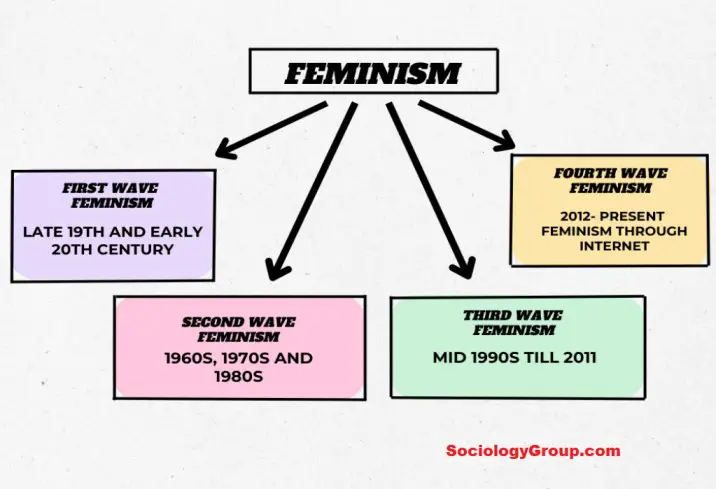
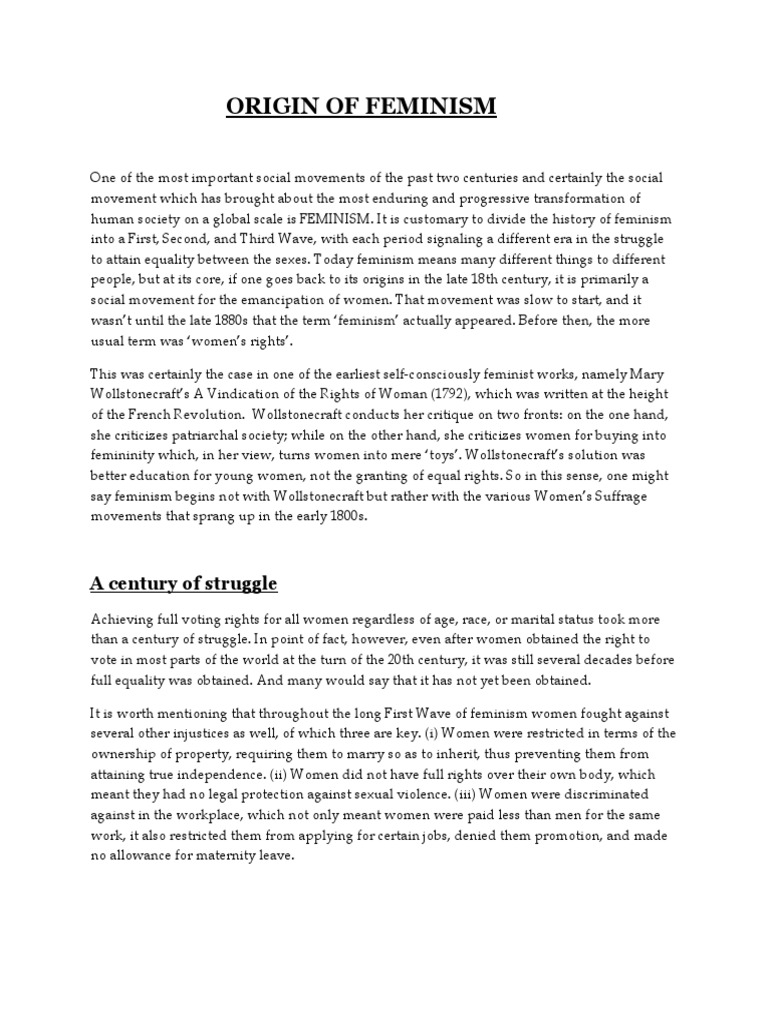
Feminist history is often described in terms of “waves,” each representing a distinct period of activism and intellectual inquiry. The first wave, emerging in the late 19th and early 20th centuries, focused primarily on securing legal and political rights for women, particularly the right to vote. Suffragettes, like fierce storms, challenged the prevailing social order with unwavering determination.
The second wave, which gained momentum in the 1960s and 1970s, broadened the scope of feminist concerns to include issues such as reproductive rights, workplace equality, and domestic violence. This wave challenged not only legal inequalities but also deeply ingrained cultural norms and expectations. It was a period of radical questioning, a dismantling of traditional gender roles.
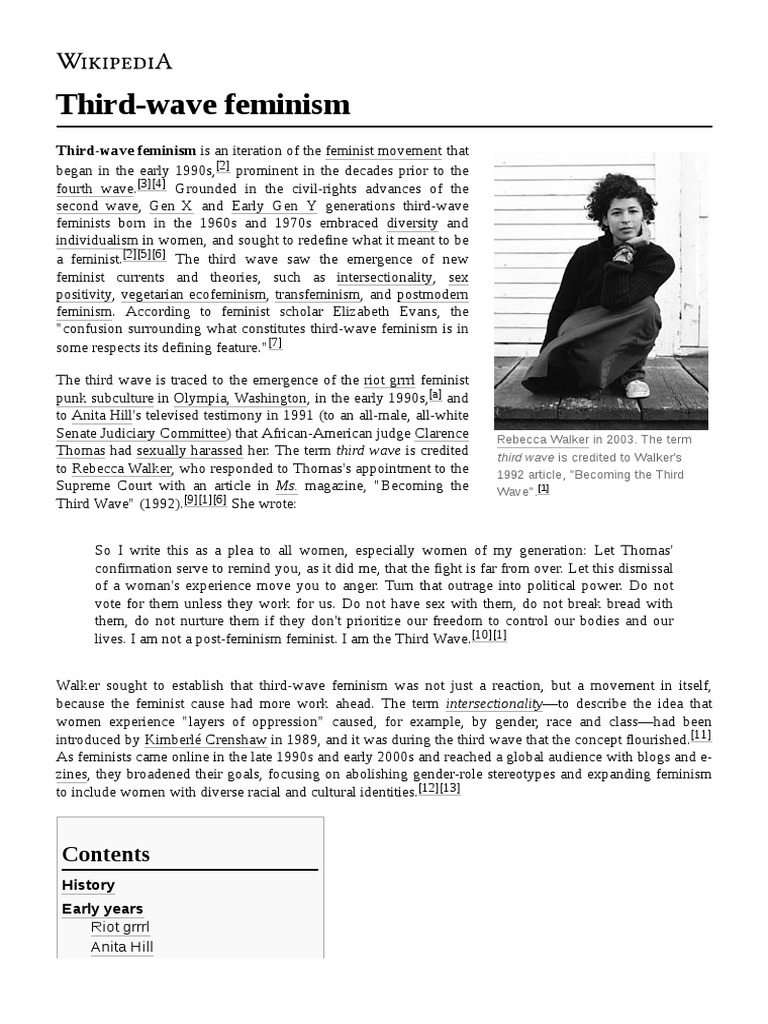
The third wave, emerging in the 1990s, embraced diversity and challenged essentialist notions of womanhood. It incorporated queer theory, post-structuralism, and other critical perspectives to explore the complexities of gender, sexuality, and identity. This wave saw the rise of cyberfeminism, a movement that explored the potential of technology to empower women and challenge patriarchal structures online.
Many argue that we are currently experiencing a fourth wave, characterized by its focus on online activism, social media, and intersectionality. The fourth wave is fueled by outrage over issues such as sexual harassment, gender-based violence, and the persistent wage gap. It’s a digital rebellion, a collective roar echoing across the internet.
The Unique Appeal: Why Feminism Resonates
The enduring appeal of feminism lies in its promise of liberation, not just for women, but for all. It’s a vision of a world where individuals are free to pursue their passions, express their identities, and live their lives without fear of discrimination or oppression. It’s a world where everyone is valued, respected, and empowered to reach their full potential. It’s not about adhering to a rigid dogma; it’s about embracing critical thinking, questioning assumptions, and challenging injustice. Feminism is not just a set of beliefs; it’s a way of being in the world.
It also recognizes the interconnectedness of all forms of oppression. Racism, sexism, homophobia, transphobia, ableism – these are not isolated phenomena. They are all manifestations of the same underlying system of power and domination. Feminism, at its best, is a movement that seeks to dismantle this system and create a more just and equitable world for all.
Moreover, feminism offers a sense of community and solidarity. It connects individuals who share a common understanding of the challenges and injustices they face. It provides a space for mutual support, encouragement, and collective action. In a world that often feels isolating and alienating, feminism offers a sense of belonging and purpose.
Moving Forward: The Ongoing Evolution of Feminism
The feminist project is far from complete. The work of dismantling patriarchal structures and creating a more equitable world is ongoing. We must continue to challenge sexism in all its forms, from overt discrimination to subtle microaggressions. We must continue to advocate for policies that promote gender equality, such as equal pay, paid family leave, and affordable childcare. We must continue to educate ourselves and others about the complexities of gender, sexuality, and identity.
And perhaps most importantly, we must continue to listen to and amplify the voices of those who are most marginalized and oppressed. Intersectionality is not just a theoretical concept; it’s a call to action. It demands that we center the experiences of those who are most vulnerable and create solutions that are truly inclusive and equitable for all.
Feminism is not a destination; it’s a journey. It’s a constant process of learning, growing, and evolving. It’s a commitment to creating a world where everyone can thrive, regardless of their gender identity. It’s a rebellion against the limitations imposed by patriarchy, a celebration of the boundless potential of the human spirit. So, let us continue to cultivate this garden, prune the weeds of injustice, and nurture the seeds of equality. Let us build a future where every flower can bloom in its full, vibrant glory.






Leave a Comment