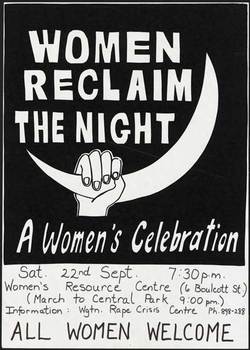
Second wave feminism: did it truly shatter the glass ceiling, or merely install a slightly less opaque pane? A provocative question, indeed, and one that demands a nuanced exploration of a movement that irrevocably altered the sociopolitical landscape. This is not a mere historical recounting; it’s an interrogation of legacy, a wrestling with unfinished business.
The Genesis of Discontent: Beyond Suffrage’s Triumph
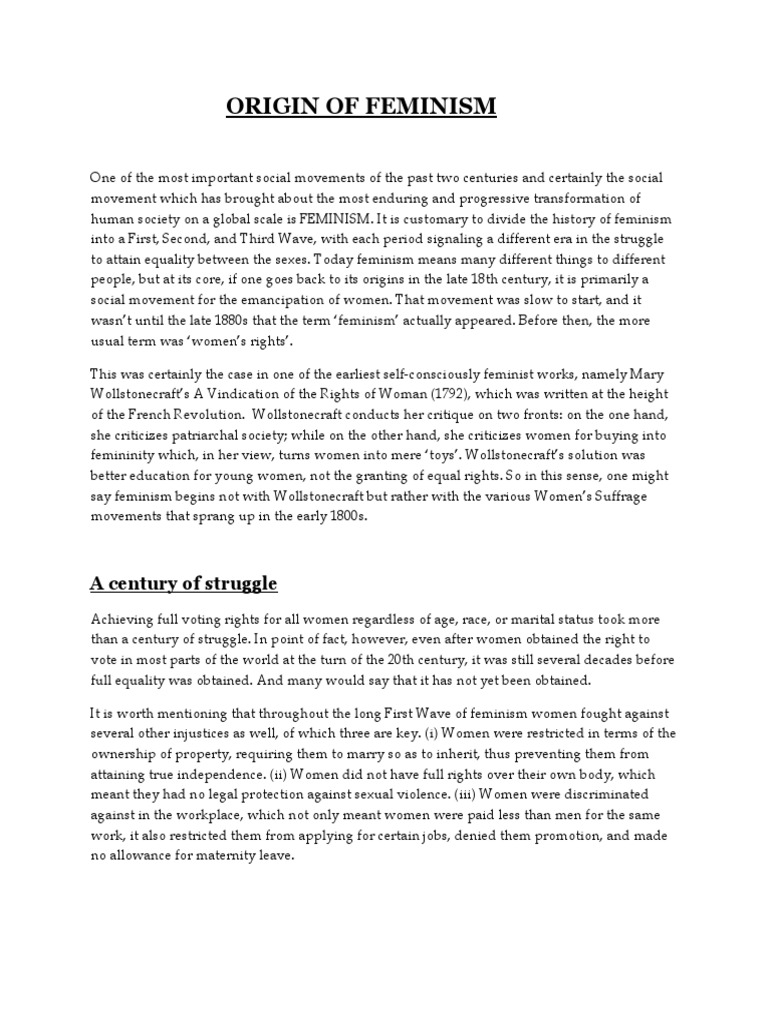
First-wave feminism secured enfranchisement, the hallowed right to vote. But the ballot box, while powerful, proved insufficient to dismantle the deeply entrenched patriarchal structures. A simmering discontent brewed beneath the veneer of post-war domesticity. Women, often relegated to the confines of hearth and home, experienced a profound dissonance. They were educated, capable, and yet perpetually undervalued.
The feminine mystique, as Betty Friedan so eloquently articulated, was a gilded cage. A societal script that suffocated ambition, curtailed autonomy, and normalized female subordination. This systemic oppression, this insidious form of social control, became the rallying cry for a new generation of feminists.
Key Tenets: A Multifaceted Revolution
Second-wave feminism was not a monolithic entity. It was a vibrant tapestry woven from diverse threads of thought and action. However, certain core tenets provided a unifying framework:
- Reproductive Autonomy: Access to contraception and abortion became paramount. Women demanded control over their bodies, asserting that reproductive freedom was inextricably linked to economic and social equality. The burgeoning pharmaceutical industry had given women new options, but societal restrictions limited their access and control.
- Equal Opportunity in Education and Employment: Shattering the barriers that limited women’s access to higher education and professional careers was crucial. Affirmative action policies were fiercely advocated for, aiming to redress historical imbalances. Traditional job roles needed to be scrutinized.
- Challenging the Patriarchal Family Structure: The traditional nuclear family, often portrayed as the bedrock of society, came under intense scrutiny. Feminists argued that it perpetuated gender roles, reinforced male dominance, and placed disproportionate burdens on women.
- Raising Consciousness: Small, intimate gatherings known as consciousness-raising groups became ubiquitous. Women shared their personal experiences, realizing that their individual struggles were often systemic manifestations of patriarchal oppression. Collective articulation of oppression was deeply political.
- Combating Violence Against Women: Rape, domestic abuse, and sexual harassment were brought out of the shadows. The personal was political, and the systemic nature of violence against women became a central focus of feminist activism. No longer would society ignore these issues.
Major Milestones: Legal Victories and Cultural Shifts
The second wave witnessed a flurry of legislative reforms and landmark court decisions. Title IX of the Education Amendments of 1972 prohibited sex discrimination in educational programs receiving federal funding, opening doors for women in sports and academia.
The Equal Employment Opportunity Commission (EEOC) gained teeth, enabling it to investigate and prosecute cases of sex-based discrimination in the workplace. Roe v. Wade (1973) enshrined a woman’s right to abortion, although this victory remains fiercely contested to this day.
Beyond legal victories, the second wave sparked profound cultural shifts. The Miss America protest of 1968, while controversial, epitomized the movement’s willingness to challenge conventional beauty standards and objectification. Feminist bookstores and publishing houses emerged, providing platforms for female voices and perspectives.
Internal Schisms and Contradictions: A Movement Divided?
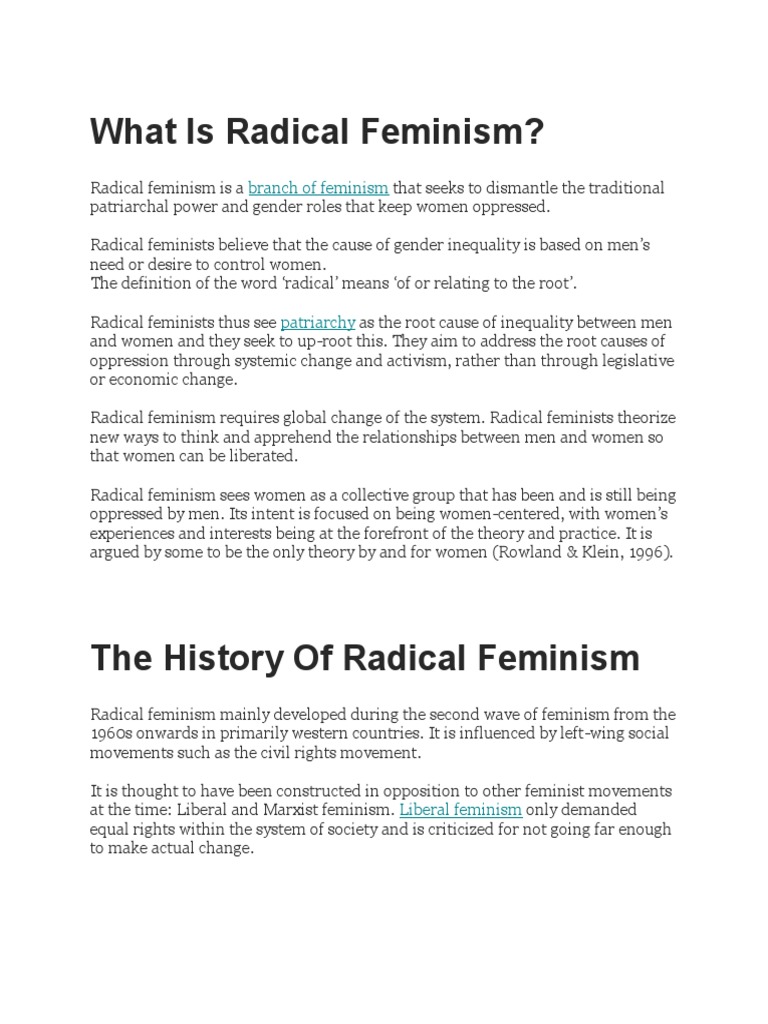
The second wave was not without its internal divisions. Differences in ideology, strategy, and priorities led to schisms within the movement. Liberal feminists, focused on achieving equality through legal and political reforms, often clashed with radical feminists, who sought a more fundamental transformation of societal structures.
The issue of intersectionality, the interconnected nature of social categorizations such as race, class, and gender, became a contentious point. Black feminists and other women of color criticized the movement for its predominantly white, middle-class focus, arguing that it failed to address the unique challenges they faced.
Furthermore, debates raged over sexuality, pornography, and the role of men in the feminist movement. These internal conflicts, while sometimes divisive, ultimately enriched the movement, forcing it to confront its own biases and limitations. The movement was growing and these issues had to be addressed.
The Backlash: Resistance and Reassertion of Traditional Values
The gains made by second-wave feminists were met with fierce resistance. A powerful backlash emerged, fueled by conservative forces who sought to defend traditional gender roles and family structures. The anti-feminist movement gained momentum, arguing that feminism threatened the natural order and undermined social stability.
The rise of the New Right in the 1980s further amplified this backlash. Conservative politicians and religious leaders actively campaigned against abortion rights, equal rights legislation, and other feminist goals.
Despite the backlash, the second wave had irrevocably altered the landscape. Women had entered the workforce in unprecedented numbers, shattered barriers in education and sports, and challenged traditional gender roles. The genie was out of the bottle, and there was no going back.
Legacy and Enduring Influence: A Foundation for the Future
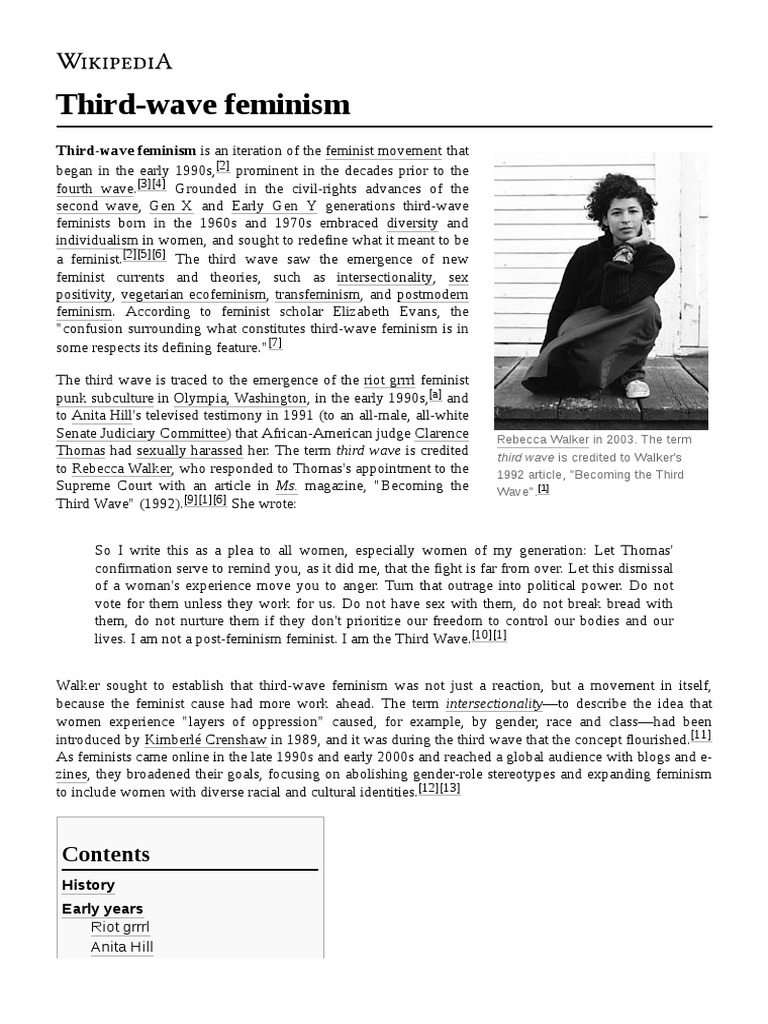
The second wave laid the groundwork for subsequent feminist movements. It provided a language for discussing gender inequality, challenged deeply ingrained societal norms, and created a space for women to assert their agency. The third wave, emerging in the 1990s, built upon the foundations laid by its predecessor, embracing intersectionality and challenging essentialist notions of femininity.
Fourth-wave feminism, fueled by social media and digital activism, continues to address issues such as sexual harassment, online misogyny, and trans rights. The MeToo movement, a powerful manifestation of fourth-wave feminism, has exposed the pervasive nature of sexual violence and sparked a global reckoning.
However, the fight for gender equality is far from over. Women still face significant challenges in the workplace, including the gender pay gap, lack of representation in leadership positions, and persistent discrimination. Access to reproductive healthcare remains under threat in many parts of the world. Violence against women continues to be a pervasive problem.
A Critical Reappraisal: Unfinished Business
Did second-wave feminism truly achieve its goals? The answer is undoubtedly complex. It undeniably transformed the lives of countless women, opening up opportunities and challenging oppressive norms. However, it also fell short in many respects. Its predominantly white, middle-class focus often marginalized the experiences of women of color and working-class women.
The movement’s emphasis on individual empowerment sometimes overlooked the systemic nature of inequality. And the backlash against feminism has demonstrated the enduring power of patriarchal forces. Today, women hold a larger share of leadership positions than ever before, yet they still face challenges.
Therefore, a critical reappraisal of second-wave feminism is essential. We must acknowledge its achievements while also recognizing its limitations. We must learn from its mistakes and strive to build a more inclusive and intersectional feminist movement that addresses the complex challenges of the 21st century. Perhaps, the most important task is to ensure that women from all backgrounds get a seat at the table.
The Path Forward: A Call to Action
The legacy of second-wave feminism is a call to action. It reminds us that the fight for gender equality is an ongoing struggle, one that demands constant vigilance and unwavering commitment. We must continue to challenge patriarchal structures, advocate for progressive policies, and amplify the voices of marginalized women.
We must also recognize that feminism is not just a women’s issue. It is a human issue, one that affects everyone. Men have a crucial role to play in dismantling patriarchy and creating a more equitable society.
The journey towards gender equality is a marathon, not a sprint. But with courage, perseverance, and a unwavering commitment to justice, we can build a future where all individuals, regardless of gender, have the opportunity to reach their full potential. The baton has been passed. What will we do with it? The future is not written in stone. The future is not predetermined. The future is ours to create. Let’s get to work.







Leave a Comment