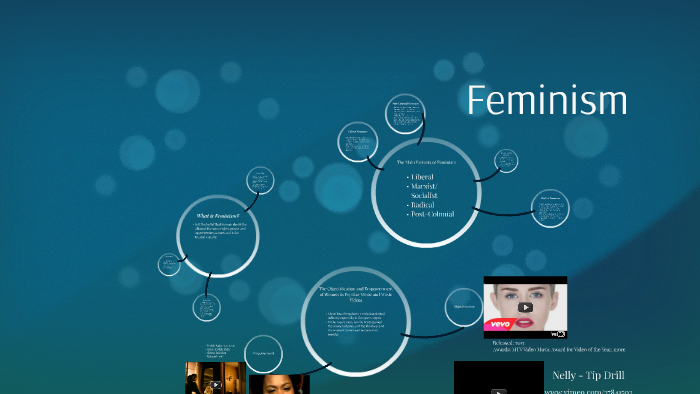
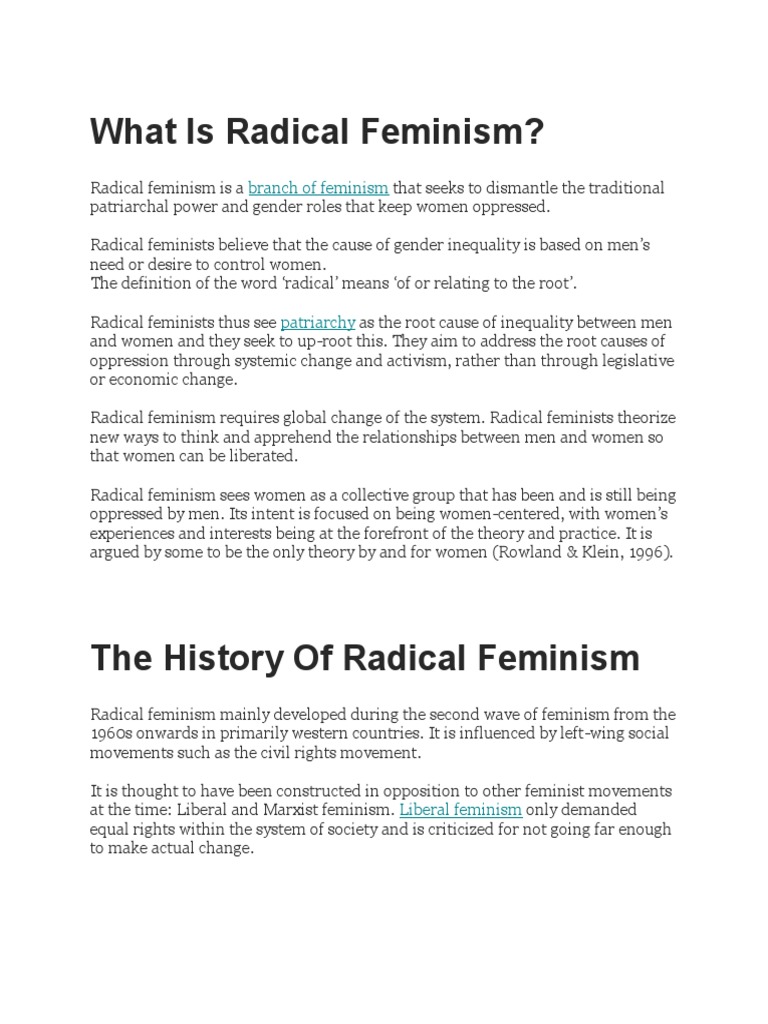
The pervasive presence of feminism in popular culture is hardly a groundbreaking revelation. You see it emblazoned on t-shirts, subtly woven into narratives, and aggressively championed on social media. But before we drown in a sea of performative allyship and hashtag activism, let’s dare to ask: why this fascination? Why now? Is it a genuine cultural reckoning, or merely the commodification of a movement ripe for exploitation?
For generations, feminism was relegated to the margins, dismissed as the rantings of malcontented women, or actively vilified as a threat to the established order. Now, suddenly, it’s chic. Celebrities profess allegiance, corporations rebrand with feminist slogans, and Hollywood churns out female-led narratives with increasing regularity. This abrupt embrace warrants skepticism. We, as discerning consumers of culture, must critically examine the forces at play.
I. The Evolution of Feminist Representation: A Fraught Trajectory
A. Early Portrayals: From Damsels to Deceptive Prototypes
Before the overt branding of feminism, women in media often existed within rigidly defined archetypes. The damsel in distress, perpetually waiting for rescue, the long suffering martyr, embodying self-sacrifice, and the wicked seductress, a dangerous temptress. These characters, while superficially diverse, shared a common thread: their worth was determined by their relationship to men. Even when women were portrayed as strong, this strength was frequently masculinized, suggesting that femininity was inherently weak. Think of the early action heroines who relied on brute force and discarded emotional vulnerability to prove their mettle. This wasn’t empowerment; it was assimilation.
B. The Rise of “Girl Power” and its Limitations
The “Girl Power” movement of the 1990s seemed, at first, like a progressive step. Bands like the Spice Girls championed female friendship and self-confidence. This was a calculated, corporate-backed movement. However, it often glossed over the systemic inequalities that plague women. It advocated for individual empowerment within existing patriarchal structures, rather than challenging the structures themselves. “Girl Power” became synonymous with consumerism, encouraging women to buy their way to equality, a far cry from the radical roots of the movement.
C. Contemporary Complexities: Authenticity vs. Appropriation
Today, we see a wider range of female characters, including flawed, complex, and unapologetically ambitious women. Shows like “Fleabag,” “I May Destroy You,” and “The Marvelous Mrs. Maisel” explore the nuances of female experience with depth and honesty. However, even these advancements are not without their pitfalls. The pressure to create “perfect” feminist narratives can be stifling. Furthermore, representation alone is not enough. If behind-the-scenes power structures remain overwhelmingly male, the stories we see on screen are still filtered through a patriarchal lens. The risk of appropriation is also ever-present. When corporations co-opt feminist language to sell products, they dilute the movement’s message and prioritize profit over genuine social change.
II. Social Media and the Democratization (and Dilemmas) of Feminist Discourse
A. TikTok and the Viral Dissemination of Feminist Ideas
Platforms like TikTok have revolutionized how feminist ideas are disseminated. Short, engaging videos can reach millions of viewers, sparking conversations and challenging conventional wisdom. This accessibility is undoubtedly a positive development, allowing diverse voices to be heard and fostering a sense of community. However, the viral nature of TikTok also presents challenges. Complex issues are often reduced to sound bites, nuance is lost, and misinformation can spread rapidly. The pressure to create shareable content can lead to performative activism, where users prioritize likes and followers over genuine engagement with feminist principles.
B. The Perils of Performative Allyship and “Woke” Capitalism
The term “performative allyship” refers to the act of expressing support for feminist causes without taking meaningful action. This can manifest as posting a black square on Instagram or retweeting a feminist quote without addressing one’s own complicity in patriarchal systems. Corporations are particularly adept at performative allyship, using feminist slogans to market their products while perpetuating gender inequality within their own organizations. This “woke” capitalism is not only disingenuous but also actively harmful, as it distracts from the systemic changes that are truly needed.
C. Navigating the Minefield: Online Activism and Real-World Impact
Despite the challenges, online activism can be a powerful tool for social change. It can raise awareness, mobilize communities, and hold institutions accountable. The key is to move beyond performative gestures and engage in meaningful action. This includes supporting feminist organizations, advocating for policy changes, and challenging sexism in our own lives. It also requires a critical awareness of the limitations of online activism and a willingness to engage in difficult conversations, even when they are uncomfortable.
III. The Commodification of Feminism: From Empowerment to Exploitation
A. Feminism as a Marketing Strategy: Selling Empowerment
Advertisers have long recognized the power of feminism to appeal to consumers. Brands use feminist language and imagery to sell everything from makeup to cars, promising women empowerment through consumption. This commodification of feminism reduces a complex political movement to a marketing strategy, trivializing its goals and undermining its principles. It creates a false sense of progress, suggesting that buying a feminist t-shirt is equivalent to fighting for gender equality.
B. The Erasure of Intersectionality: A Homogenous Vision of Feminism
One of the most troubling aspects of mainstream feminism is its tendency to erase intersectionality. Intersectionality recognizes that women’s experiences are shaped by multiple factors, including race, class, sexual orientation, and disability. Mainstream feminism often focuses on the experiences of privileged white women, marginalizing the voices of women of color, LGBTQ+ women, and women from other marginalized groups. This homogenization of feminism not only excludes many women but also perpetuates existing power imbalances.
C. Reclaiming Feminism: Beyond Consumption and Conformity
To reclaim feminism from the clutches of commodification, we must resist the pressure to conform to a narrow definition of what it means to be a feminist. We must embrace intersectionality, prioritize systemic change, and hold corporations accountable for their performative allyship. Feminism is not a product to be bought and sold; it is a radical movement for social justice that demands our active participation. Let us move beyond the superficiality of popular culture and delve into the complex, challenging, and ultimately transformative work of achieving true gender equality.
IV. The Future of Feminism in Popular Culture: A Call to Critical Engagement
A. Demanding Authentic Representation: Beyond Tokenism
We must demand authentic representation in media, beyond tokenistic gestures. This means not only seeing more women on screen but also ensuring that their stories are told from diverse perspectives and with nuance. It also means challenging the patriarchal power structures that shape the industry, from the writers’ rooms to the boardrooms.
B. Cultivating Critical Media Literacy: Decoding the Messages
Critical media literacy is essential for navigating the complex landscape of popular culture. We must learn to decode the messages that are being sent to us, to identify the underlying assumptions, and to challenge the narratives that perpetuate inequality. This requires a willingness to question what we see and hear, to engage in thoughtful discussions, and to resist the allure of easy answers.
C. Embracing Activism Beyond the Screen: Real-World Change
Ultimately, the future of feminism depends on our willingness to translate our online activism into real-world change. This means supporting feminist organizations, advocating for policy changes, and challenging sexism in our own lives. It means recognizing that feminism is not just a hashtag; it is a movement for social justice that requires our constant vigilance and unwavering commitment.
So, the next time you see a feminist slogan splashed across a billboard or a female empowerment anthem blasting from the radio, remember to pause, to question, and to demand more. The fight for true gender equality is far from over, and it requires a critical engagement with the very culture that claims to champion it.






Leave a Comment