
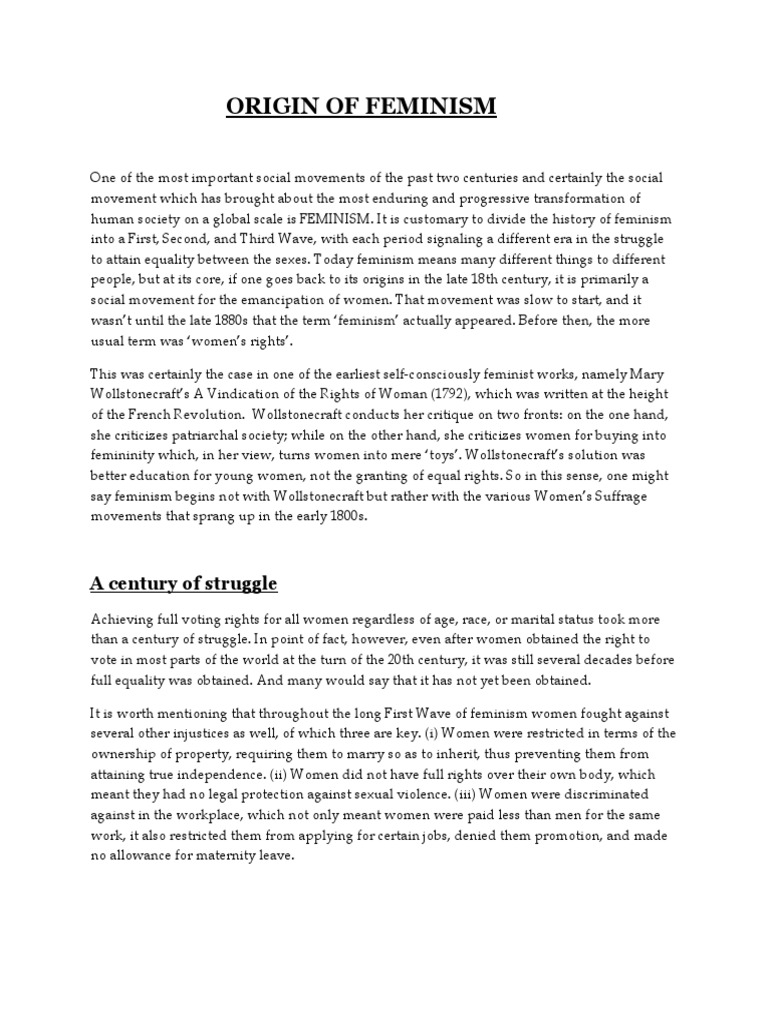
The 1970s. A decade often relegated to bell-bottoms, disco balls, and a general sense of societal malaise. But beneath the surface of shag carpets and questionable fashion choices, a seismic shift was occurring. A phoenix, forged in the fiery crucible of the 1960s, was rising from the ashes of patriarchal oppression. This phoenix? Feminism. And the 1970s? Its most formidable decade of transformation. So, ditch the nostalgia. Forget the kitsch. We’re diving headfirst into the intellectual and activist maelstrom that defined feminism’s most potent era.
Forget the saccharine narrative of gradual progress. This wasn’t a polite suggestion for equality. This was a demand. A guttural roar against centuries of subjugation. This was about dismantling power structures, brick by excruciating brick, and rebuilding a world on the bedrock of genuine equity. What ignited this fervor? What were the battles fought, and more importantly, were the victories truly won, or simply skirmishes in a protracted war?
I. The Seed of Discontent: Why the Second Wave Swelled
To understand the ’70s, we must first acknowledge the fertile ground prepared by the second-wave feminist movement in the preceding decade. But the ’60s, while revolutionary, were also deeply flawed. The anti-war movement, the civil rights struggle – all too often, women found themselves relegated to supporting roles, their voices drowned out by the very men who preached liberation. The audacity!
Was it really freedom if women were tasked with making coffee while men debated world peace? This realization, this searing injustice, fueled the feminist fire. It was a collective awakening, a gnawing awareness that true liberation required not just external change, but a fundamental reshaping of societal consciousness, a radical alteration of the hegemonic narrative.
II. Sisterhood: A Double-Edged Sword?
The concept of “sisterhood” became a rallying cry. A call to solidarity, a promise of collective strength. The idea was simple: women, regardless of their backgrounds, were united by their shared experiences of oppression. But here’s where things get complicated, where the myth of monolithic sisterhood begins to crumble.
Was sisterhood truly inclusive? Did it adequately address the intersecting oppressions faced by women of color, working-class women, and lesbian women? The uncomfortable truth is that early second-wave feminism was often dominated by the concerns of white, middle-class women. The “personal is political” became a powerful mantra, but whose personal experiences were being centered?
A. The Challenge of Intersectionality: The Combahee River Collective
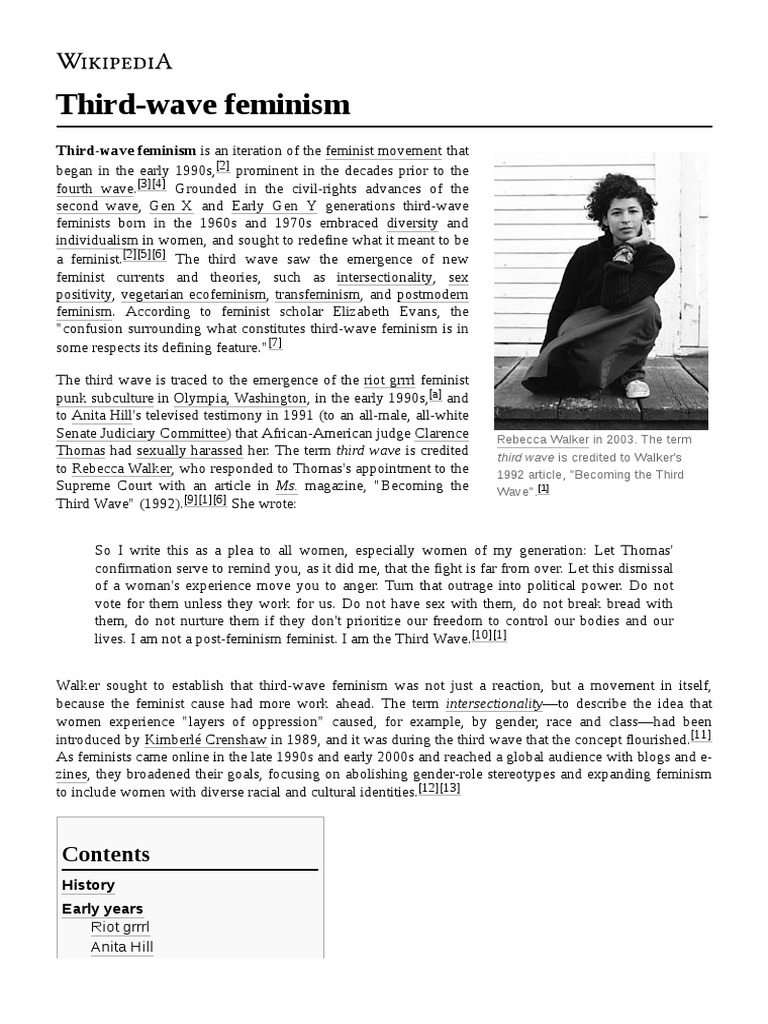
Enter the Combahee River Collective, a Black feminist lesbian organization formed in 1974. They dared to challenge the prevailing feminist discourse, articulating the concept of intersectionality long before it became a mainstream buzzword. They understood that race, class, and sexuality were not separate categories of oppression, but intertwined systems of power that shaped women’s lives in profound and often overlooked ways. Their existence was a potent reminder that true liberation could only be achieved by addressing all forms of subjugation, not just those that affected the privileged few. Their “Combahee River Collective Statement” remains a seminal text, a cornerstone of contemporary feminist thought, a clarion call for a more inclusive and nuanced understanding of sisterhood.
III. Activism on Multiple Fronts: The Battle Lines Are Drawn
The 1970s witnessed a proliferation of feminist activism, each front targeting a different aspect of patriarchal control. From reproductive rights to workplace equality, from challenging media representation to combating violence against women, the fight was relentless, multifaceted, and often fraught with peril.
A. Reproductive Rights: The Cornerstone of Autonomy
The fight for reproductive rights was, and remains, a central tenet of feminist activism. The landmark Roe v. Wade Supreme Court decision in 1973 was a watershed moment, legalizing abortion nationwide. But this victory was not the end of the battle, but rather a new phase in a long and arduous struggle. Anti-abortion groups mobilized, launching campaigns of harassment, intimidation, and violence against abortion providers and patients. Access to abortion, particularly for low-income women and women in rural areas, remained severely limited. The specter of forced motherhood loomed large, a constant threat to women’s autonomy and bodily integrity.
B. Workplace Equality: Shattering the Glass Ceiling (Or Just Cracking It?)
The Equal Rights Amendment (ERA), first introduced in 1923, gained renewed momentum in the 1970s. The promise of constitutional equality for women seemed within reach. But the ERA faced fierce opposition from conservative forces who feared it would undermine traditional family structures and erode women’s “special protections.” Despite widespread support, the ERA failed to be ratified by the required number of states, a devastating blow to the feminist movement. The fight for equal pay, equal opportunities, and an end to workplace discrimination continued, but the failure of the ERA served as a stark reminder of the deeply entrenched resistance to gender equality.
C. Challenging Representation: The Gaze and the Grotesque
Feminists challenged the pervasive sexism and misogyny in media and popular culture. They critiqued the objectification of women’s bodies, the reinforcement of harmful stereotypes, and the lack of representation of women’s diverse experiences. Publications like Ms. Magazine, founded in 1971, provided a platform for feminist voices, challenging mainstream narratives and offering alternative perspectives. The critique extended beyond mere representation. Laura Mulvey’s seminal essay, “Visual Pleasure and Narrative Cinema,” deconstructed the “male gaze” in film, exposing how women were often portrayed as passive objects of male desire. This type of critical analysis was revolutionary, forcing a re-evaluation of how women were being seen and unseen. A radical reassessment was needed.
D. Combating Violence Against Women: From Silence to Outrage
The 1970s marked a turning point in the fight against violence against women. Rape, domestic violence, and sexual harassment were no longer relegated to the shadows. Feminist activists established rape crisis centers and shelters for battered women, providing crucial support and resources to survivors. They challenged the legal system’s complicity in perpetuating violence against women, advocating for stricter laws and more compassionate treatment of victims. The phrase “the personal is political” took on a new and urgent meaning. The silence was broken. The outrage was palpable. The call for accountability was deafening. Would society heed the call, or continue to turn a blind eye to the suffering of women?
IV. Major Wins: A Fragile Foundation?
Despite the challenges and setbacks, the 1970s were a period of significant progress for women. Roe v. Wade, the passage of Title IX (prohibiting sex discrimination in education), and the increased visibility of feminist issues in the media were all major victories. But were these victories truly transformative, or simply superficial changes that masked deeper, more systemic problems? Did they genuinely empower women, or simply provide a veneer of equality that concealed persistent inequalities?
Perhaps the most significant achievement of the 1970s was the shift in consciousness. Feminism entered the mainstream. The ideas and language of feminism permeated society, influencing everything from law and politics to art and literature. Women began to question traditional gender roles, to challenge patriarchal norms, and to demand a more equitable society. This shift in consciousness, while incomplete and imperfect, laid the groundwork for future feminist struggles. It served as a powerful reminder that change, however incremental, is possible. That resistance, however arduous, is essential. That the fight for liberation, however protracted, is worth fighting.
V. The Unfinished Revolution: Lingering Shadows and Future Battles
The 1970s ended, but the feminist revolution did not. Many of the gains made during that decade have been eroded or are under constant attack. Reproductive rights are once again under threat. Workplace inequality persists. Violence against women remains a pervasive problem. The challenges of intersectionality continue to demand our attention. The battle is far from over.
We must learn from the successes and failures of the 1970s. We must build upon the foundations laid by those who came before us. We must embrace a more inclusive and intersectional vision of feminism. We must continue to challenge patriarchal power structures, to amplify marginalized voices, and to fight for a world where all women are truly free. We must remember the audacity, the courage, and the unwavering commitment of the feminists of the 1970s. Their struggles, their sacrifices, and their victories serve as an inspiration and a call to action. The revolution continues.





Leave a Comment