
The word “feminism” itself is a lightning rod. A term fraught with misinterpretations, deliberate distortions, and frankly, outright lies. Why? Because challenging the established order, questioning power dynamics ingrained so deeply they seem as natural as breathing, *always* elicits a backlash. We’re told it’s about man-hating, bra-burning, and a quest for female supremacy. Let’s dissect this putrid narrative, shall we? Because the objections thrown at feminism are often smokescreens, designed to obscure the real threat: the erosion of male privilege.
The core tenet of feminism is, incredibly, still misunderstood. It’s about equality. Equal rights, equal opportunities, and equal respect for all genders. Not the eradication of men, not the elevation of women *above* men, but simply a level playing field. So why the vitriol? The cognitive dissonance? Why the persistent accusations of misandry? Let’s delve into the festering heart of the matter.
The “Reverse Discrimination” Fallacy:
This is a classic. The lament of the privileged when confronted with the audacity of the marginalized demanding their due. The argument goes something like this: “Affirmative action is reverse discrimination! Giving women opportunities takes them away from more qualified men!” Let’s be blunt. Meritocracy is a myth. A comfortable fiction we tell ourselves to justify existing inequalities. The system is, and always has been, rigged. Built on foundations of patriarchy, white supremacy, and classism. To claim that opportunities are purely awarded based on merit, while ignoring the centuries of systemic disadvantages faced by women and other marginalized groups, is not only intellectually dishonest, it’s morally bankrupt. Consider the gender pay gap. Is it truly believable that women, across every industry and every level of education, are consistently *less* qualified than their male counterparts? Or is it more plausible that deeply ingrained biases, conscious or unconscious, are undervaluing women’s contributions?
The insidious nature of the “reverse discrimination” argument lies in its implicit assumption: that the status quo is inherently fair. It assumes that the current distribution of power and resources is the natural order of things. Any attempt to redress historical imbalances is then framed as an unfair advantage, rather than a necessary correction. It’s the oppressor playing the victim. The bully crying foul when their target finally dares to fight back.
The “Not All Men” Diversion:
Ah, yes, the ubiquitous “Not All Men” defense. Triggered whenever discussions arise about male violence or toxic masculinity. It’s the knee-jerk reaction that derails conversations and shifts focus away from the real issue: the systemic normalization of harmful behaviors. Of course, not all men are rapists. Not all men are abusers. Not all men are actively perpetuating the patriarchy. But *enough* men are. And even those who aren’t directly causing harm are often complicit in maintaining the system that allows it to thrive. This is not about individual blame; it’s about collective responsibility. It’s about acknowledging the uncomfortable truth that male privilege confers certain advantages, even on those who may not actively seek them out.
The “Not All Men” defense is a deflection tactic. It seeks to silence discussions about systemic issues by focusing on individual exceptions. It’s a way of avoiding uncomfortable conversations about the ways in which masculinity is constructed and the impact it has on both men and women. Instead of engaging with the legitimate concerns being raised, it prioritizes the feelings of individual men, effectively silencing the voices of those who have been harmed.
The “Feminists Are Man-Haters” Straw Man:
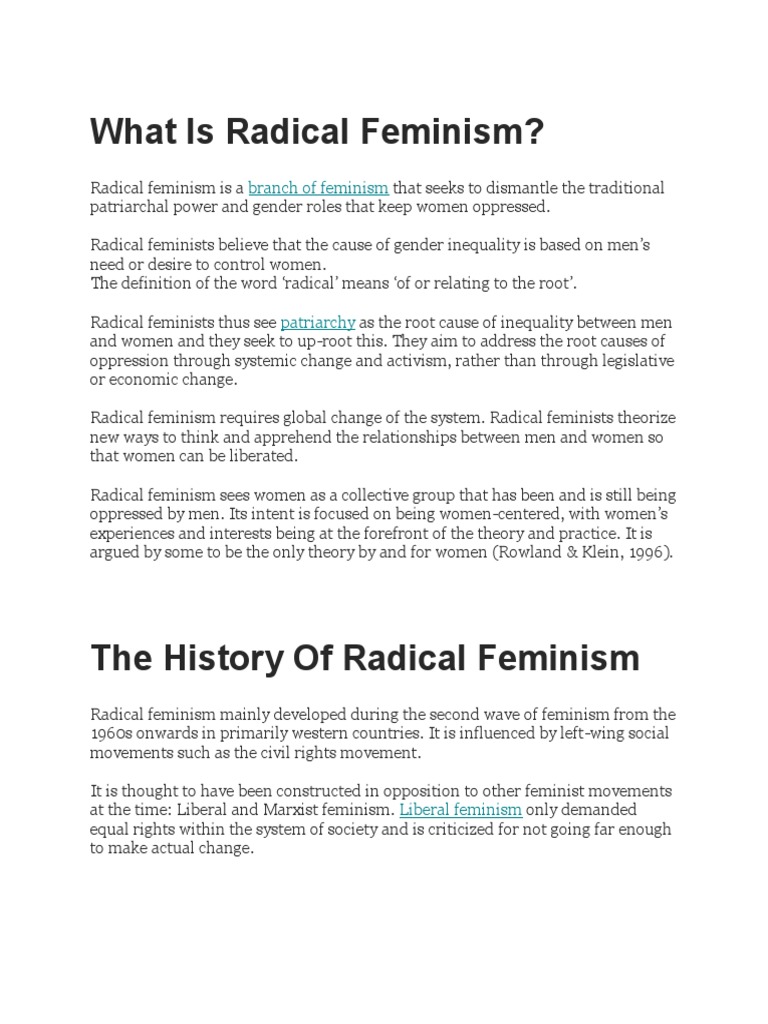
This is perhaps the oldest and most tired trope in the anti-feminist playbook. The caricature of the angry, bitter woman who hates all men and wants to destroy the traditional family. It’s a convenient way to dismiss feminist arguments without actually engaging with them. If you can paint feminists as irrational and hateful, you can easily discredit their ideas. This ignores the vast diversity of feminist thought. From radical feminism to liberal feminism, from intersectional feminism to ecofeminism, there is a wide range of perspectives and approaches within the feminist movement. To reduce it to a single, monolithic entity driven by man-hating is not only inaccurate but also deeply disingenuous.
Moreover, this accusation reveals a fundamental misunderstanding of what feminism is actually about. It’s not about hating men; it’s about dismantling systems of oppression that harm *everyone*. Patriarchy doesn’t just hurt women; it also imposes rigid gender roles on men, limiting their emotional expression and forcing them to conform to narrow definitions of masculinity.
The “Feminism Is No Longer Necessary” Delusion:
This argument claims that feminism has already achieved its goals and that gender equality has largely been achieved. We hear this frequently in Western societies, where legal equality for women is more or less in place. However, legal equality is not the same as lived equality. While women may have the right to vote, the right to own property, and the right to work, they still face significant challenges in areas such as the gender pay gap, representation in leadership positions, and gender-based violence. The subtle, insidious forms of sexism persist, shaping our perceptions, influencing our behaviors, and limiting our opportunities.
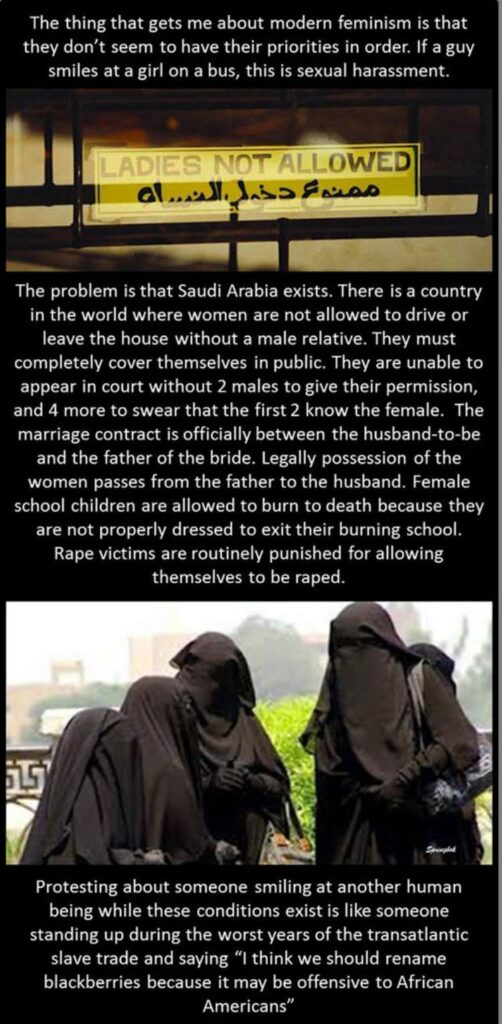
Furthermore, this argument completely ignores the experiences of women in other parts of the world, where gender inequality is far more extreme. In many countries, women are denied basic rights, such as the right to education, the right to healthcare, and the right to bodily autonomy. The fight for gender equality is far from over, and to claim otherwise is to turn a blind eye to the suffering of millions of women around the globe.
The “Individual Choice” Cop-Out:
This argument says, “If women choose to stay at home and raise children, that’s their personal choice. Feminism shouldn’t judge them.” While superficially appealing, this argument ignores the social and economic pressures that often shape women’s choices. The reality is that women are often not making truly *free* choices, but rather choices constrained by societal expectations, economic realities, and lack of support. The lack of affordable childcare, the persistence of the gender pay gap, and the cultural expectations that place the primary responsibility for childcare on women all contribute to limiting women’s options.
Feminism doesn’t judge individual choices; it critiques the systems that limit those choices in the first place. It recognizes that individual decisions are often made within a context of inequality and that true freedom of choice requires dismantling the barriers that prevent women from pursuing their full potential.
Why the Debate Won’t End: A Power Struggle
Ultimately, the resistance to feminism is a resistance to the redistribution of power. Feminism challenges the existing power structures that have historically privileged men and marginalized women. It demands a more equitable distribution of resources, opportunities, and influence. This naturally provokes a backlash from those who benefit from the status quo. The debate surrounding feminism is not simply a matter of differing opinions; it’s a struggle over who gets to control the narrative, who gets to define the rules, and who gets to have their voices heard.
The tactics employed to discredit feminism are often designed to silence and intimidate. They seek to create a hostile environment for feminists, discouraging them from speaking out and challenging the status quo. This is why it’s essential to remain vigilant, to challenge these narratives, and to continue fighting for a more just and equitable world. It necessitates a willingness to confront uncomfortable truths, to challenge deeply ingrained biases, and to amplify the voices of those who have been historically marginalized. The path to equality is not easy, but it is a fight worth fighting. The alternative is to perpetuate a system that harms us all.
Consider the future. A future where gender is not a barrier, but a beautiful facet of human diversity. This is not a utopian fantasy, but a achievable goal. It requires a collective effort, a willingness to engage in uncomfortable conversations, and an unwavering commitment to justice. This future hinges on our willingness to question, to challenge, and to dismantle the systems that perpetuate inequality. And that, my friends, is why the debate surrounding feminism will continue, until true liberation is at hand.






Leave a Comment