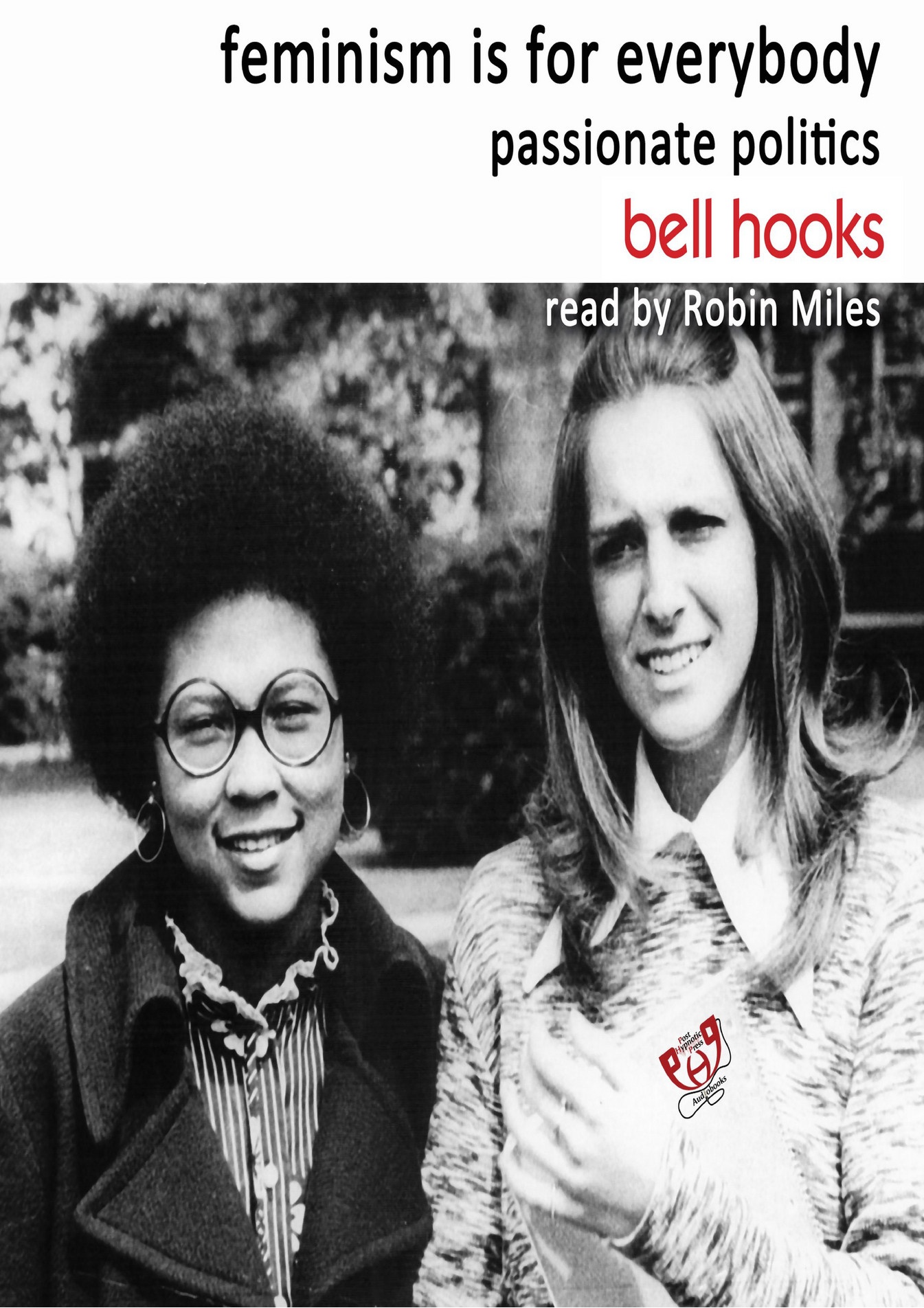
Feminism, a leviathan of sociopolitical thought, often finds itself relegated to simplistic caricatures. Yet, to truly grasp its essence is to embark on a profound intellectual odyssey. bell hooks’ “Feminism Is for Everybody: Passionate Politics,” serves as an indispensable compass, guiding us through the labyrinthine corridors of feminist theory. Its succinct yet potent message, encapsulated in the very title, challenges the pervasive misconceptions and extends an invitation to all, irrespective of gender, race, or socioeconomic status, to join the revolutionary cause. This book, more than just a manifesto, is a clarion call for collective liberation, resonating with urgency in a world desperately yearning for equity.
The enduring power of hooks’ work lies in its ability to demystify feminism, stripping away the academic jargon and elitist undertones that often alienate potential adherents. It articulates a vision of feminism as a holistic, transformative framework, touching upon every facet of human existence. From the mundane to the monumental, hooks illuminates the insidious ways in which patriarchal structures permeate our lives, perpetuating inequality and stifling individual agency. But hooks doesn’t just point out the problems; she offers actionable solutions, fostering a sense of empowerment and encouraging active participation in dismantling oppressive systems.
Let’s delve into a meticulously crafted examination of the book’s core themes, dissecting its arguments and exploring its ramifications. Understanding these key aspects is essential for fostering a truly inclusive and transformative feminist praxis.
I. Dismantling Misconceptions: A Prolegomenon to Feminist Consciousness
One of the most formidable barriers to widespread feminist acceptance is the prevalence of misinformation and entrenched stereotypes. These misconceptions, often perpetuated by patriarchal narratives, paint feminism as a man-hating, lesbian-centric movement, inherently hostile to traditional values and the nuclear family. Hooks confronts these fallacies head-on, providing a nuanced counter-narrative that emphasizes inclusivity and the fundamental pursuit of gender equality.
She meticulously dismantles the notion that feminism is solely concerned with the concerns of white, middle-class women. This, hooks argues, is a dangerous and divisive fallacy that perpetuates the marginalization of women of color, working-class women, and other marginalized groups. True feminism, she asserts, must be intersectional, recognizing and addressing the unique challenges faced by individuals based on their intersecting identities.
Furthermore, hooks clarifies that feminism is not about hating men. It is, rather, about challenging the patriarchal systems that harm both men and women. By deconstructing traditional gender roles and expectations, feminism seeks to liberate individuals from the constraints of rigid masculinity and femininity, allowing them to express their authentic selves without fear of judgment or reprisal.
II. The Intersectional Imperative: Navigating the Labyrinth of Identity
Intersectionality, a term coined by Kimberlé Crenshaw, is a cornerstone of contemporary feminist thought. It recognizes that individuals possess multiple, intersecting identities, such as race, class, gender, sexuality, and ability, which shape their experiences of oppression and privilege. Hooks emphasizes the importance of adopting an intersectional lens when analyzing power dynamics and formulating strategies for social change. Ignoring the complexities of intersectionality, she argues, leads to a superficial and ultimately ineffective feminism.
Consider, for instance, the experiences of Black women. They face the dual burden of sexism and racism, encountering discrimination in both the feminist movement and the broader society. A feminism that fails to acknowledge and address these intersecting oppressions is simply perpetuating the very inequalities it claims to combat. Similarly, working-class women face unique challenges related to economic insecurity and lack of access to resources. An intersectional approach requires us to consider these factors and to develop solutions that are tailored to the specific needs of diverse communities.
Hooks also tackles the issue of classism within the feminist movement. She observes that the concerns of wealthy, privileged women often take precedence over the needs of working-class women, leading to a disconnect and hindering collective action. To build a truly inclusive feminism, she argues, we must challenge class hierarchies and prioritize the voices of those who are most marginalized.
III. Patriarchy’s Pervasive Reach: Unmasking the Hydra of Oppression
Patriarchy, the structural embodiment of male dominance and privilege, is a multifaceted phenomenon that permeates nearly every aspect of our society. Hooks meticulously dissects the various manifestations of patriarchy, from the objectification of women in media to the unequal distribution of power in the workplace. She demonstrates how patriarchal ideologies shape our beliefs, values, and behaviors, perpetuating a system of inequality that benefits men at the expense of women.
The objectification of women, for example, is a potent tool of patriarchal control. By reducing women to their physical attributes, patriarchy denies them their inherent humanity and agency. This objectification contributes to a culture of sexual violence and harassment, where women are seen as commodities to be consumed and exploited.
Furthermore, patriarchal structures often reinforce traditional gender roles, limiting the opportunities available to both men and women. Men are pressured to conform to a narrow definition of masculinity, emphasizing aggression, dominance, and emotional stoicism. Women are expected to be nurturing, submissive, and self-sacrificing. These rigid expectations stifle individual expression and prevent people from reaching their full potential. Hooks underscores the need to challenge these limiting stereotypes and to create a society where individuals are free to define themselves on their own terms.
IV. Transforming Consciousness: Cultivating a Feminist Ethos
For hooks, feminism is not merely an intellectual exercise; it is a transformative praxis that requires a fundamental shift in consciousness. It demands that we critically examine our own beliefs and behaviors, challenging the ingrained patriarchal biases that shape our perceptions. This process of self-reflection, while often uncomfortable, is essential for cultivating a feminist ethos and fostering genuine empathy for those who are marginalized.
One crucial aspect of this transformation is the cultivation of critical thinking skills. We must learn to question the dominant narratives and to identify the ways in which patriarchal ideologies are perpetuated through media, education, and other cultural institutions. This requires a willingness to engage in intellectual rigor and to challenge the status quo, even when it is uncomfortable or unpopular.
Furthermore, hooks emphasizes the importance of building solidarity across difference. We must recognize that our struggles are interconnected and that true liberation requires collective action. This means forging alliances with other marginalized groups and working together to dismantle oppressive systems. It also means challenging our own prejudices and biases, recognizing that we are all implicated in the perpetuation of inequality.
V. Passionate Politics: From Theory to Action
The “passionate politics” of hooks’ title encapsulates the urgency and commitment that are essential for feminist transformation. Feminism is not simply an abstract concept; it is a call to action, demanding that we actively work to create a more just and equitable world. This requires a willingness to engage in direct action, advocacy, and grassroots organizing.
Hooks challenges us to move beyond individual acts of resistance and to build collective movements for social change. This means organizing within our communities, workplaces, and schools to challenge discriminatory policies and practices. It also means supporting feminist candidates and advocating for legislation that promotes gender equality.
Furthermore, hooks emphasizes the importance of building feminist communities, spaces where individuals can come together to share their experiences, offer support, and strategize for change. These communities provide a vital source of empowerment and solidarity, enabling individuals to resist the pressures of patriarchy and to cultivate a feminist ethos.
In conclusion, “Feminism Is for Everybody: Passionate Politics” is a transformative text that offers a profound and accessible introduction to feminist theory. It dismantles misconceptions, emphasizes the importance of intersectionality, and calls for a fundamental shift in consciousness. By embracing the “passionate politics” of feminism, we can work together to create a more just and equitable world for all. The book is not just a historical artifact, but a living document, its wisdom as relevant today as when it was first penned. It serves as a perennial reminder that the fight for liberation is a continuous process, demanding unwavering dedication and a fervent belief in the possibility of a better future. So, let us heed the call, embrace the challenge, and embark on this transformative journey together.






Leave a Comment