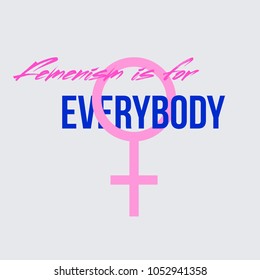
So, you’ve picked up “Feminism Is for Everybody.” Excellent choice. But before you dive headfirst into bell hooks’ meticulously crafted arguments, let’s dissect what this seemingly simple title truly promises. Forget the saccharine, diluted versions of feminism peddled by corporate entities. This isn’t about girl power or superficial empowerment. Prepare to be challenged. Prepare to be uncomfortable. Prepare to dismantle everything you thought you knew about gender, power, and liberation.
The title itself, “Feminism Is for Everybody,” is a provocation. It’s an audacious assertion, a gauntlet thrown down to those who cling to outdated notions of patriarchal dominance. It isn’t a suggestion. It’s a declaration. What, precisely, are you to expect? Expect nothing less than a radical re-imagining of society, one where equality isn’t a buzzword, but a lived reality.
Consider this: hooks doesn’t merely advocate for gender equality; she demands a fundamental restructuring of societal power dynamics. This is not about women simply getting a bigger piece of the pie; it’s about baking a whole new pie, one where everyone has a seat at the table and an equal share. Intrigued? You should be.
Now, let’s delve into the nitty-gritty. What should readers truly anticipate within the pages of this transformative text?
I. Deconstructing the Myths: Feminism’s Public Relations Problem
A. The Stigma of the F-Word: Why so many shy away from embracing feminist ideals. What are the ingrained stereotypes and misconceptions that perpetuate a negative image of feminism? Think bra-burning radicals. Think man-hating misandrists. These are the caricatures propagated by a patriarchal society eager to maintain its grip on power.
B. Dismantling Misconceptions: Hooks meticulously dismantles these harmful stereotypes, exposing them for what they are: thinly veiled attempts to discredit a movement that threatens the status quo. She addresses the pervasive fear that feminism seeks to usurp male power, clarifying that its true aim is to dismantle the power structures that oppress all individuals, regardless of gender.
C. Reframing the Narrative: “Feminism Is for Everybody” endeavors to reframe the narrative surrounding feminism, presenting it not as a battle between the sexes, but as a collective effort to create a more just and equitable world for all.
II. Defining Feminism: A Clear and Concise Understanding
A. Moving Beyond Vague Definitions: Forget the nebulous, often contradictory, definitions of feminism that plague public discourse. Hooks offers a precise and accessible definition: “Feminism is a movement to end sexism, sexist exploitation, and oppression.” Simple, yet profound. This definition serves as the bedrock for all subsequent arguments.
B. Identifying the Core Issues: Sexism, exploitation, and oppression are the cornerstones of patriarchal society. Hooks systematically unpacks these concepts, revealing how they manifest in various aspects of life, from interpersonal relationships to political institutions.
C. Embracing Intersectionality: The acknowledgement of the interconnectivity of social categorizations such as race, class, and gender as they apply to creating overlapping systems of discrimination or disadvantage. Hooks champions an intersectional approach, recognizing that gender oppression is inextricably linked to other forms of oppression, such as racism, classism, and homophobia. This intersectional lens is crucial for understanding the complexities of power dynamics and developing effective strategies for liberation.
III. Challenging Patriarchy: The Root of the Problem
A. Understanding the System: Patriarchy isn’t just about men oppressing women; it’s a complex system of power relations that permeates all aspects of society. It shapes our beliefs, values, and behaviors, often unconsciously.
B. Unmasking its Manifestations: Hooks unveils the myriad ways in which patriarchy manifests itself, from the objectification of women in media to the gendered division of labor in the workplace. She exposes the insidious ways in which it limits individuals’ potential and perpetuates inequality.
C. Dismantling the Structures: Critically, hooks doesn’t just diagnose the problem; she proposes solutions. She advocates for dismantling the patriarchal structures that perpetuate oppression and creating new systems based on equality and justice.
IV. Love and Relationships: Redefining Intimacy in a Feminist World
A. Beyond Traditional Roles: The deeply ingrained gender roles that dictate how men and women should behave in relationships. “Feminism Is for Everybody” challenges these traditional roles, urging readers to embrace more egalitarian and fulfilling partnerships.
B. Fostering Mutual Respect and Equality: This section delves into the importance of mutual respect, communication, and shared power in relationships. Hooks emphasizes the need for partners to actively challenge patriarchal norms and create relationships based on equality and mutual support.
C. Reclaiming Agency and Autonomy: Furthermore, she encourages women to reclaim their agency and autonomy in relationships, rejecting the notion that their worth is contingent on their ability to please men.
V. The Power of Education: Cultivating Critical Consciousness
A. The Role of Knowledge: Education is presented as a powerful tool for liberation. It empowers individuals to critically examine the world around them and challenge oppressive systems.
B. Promoting Critical Thinking: Developing the ability to analyze information objectively and form independent judgments is presented as a necessity. Hooks emphasizes the importance of critical thinking in deconstructing patriarchal ideology and fostering a feminist consciousness.
C. Fostering Empathy and Understanding: She advocates for an education that promotes empathy and understanding, encouraging readers to connect with others and challenge their own biases.
VI. Feminism and Men: Allies in the Struggle
A. Challenging Toxic Masculinity: “Feminism Is for Everybody” actively encourages men to participate in the feminist movement. It challenges them to confront toxic masculinity and embrace more compassionate and equitable ways of relating to others.
B. Redefining Masculinity: Hooks envisions a world where masculinity is not defined by dominance and aggression, but by empathy, vulnerability, and respect. She invites men to redefine their roles and actively contribute to dismantling patriarchal structures.
C. Building Solidarity: She emphasizes the importance of male allyship in the fight for gender equality, urging men to use their privilege to amplify the voices of women and other marginalized groups.
VII. The Future of Feminism: A Vision of Hope and Transformation
A. A World Without Sexism: Hooks envisions a future where sexism is eradicated and all individuals are treated with dignity and respect, a future free from the constraints of gender stereotypes and the limitations of patriarchal ideology.
B. Creating a More Just and Equitable Society: This future is one where everyone has the opportunity to reach their full potential, regardless of their gender, race, class, or sexual orientation.
C. Embracing Collective Action: It emphasizes the importance of collective action in achieving this vision, urging readers to actively participate in the feminist movement and work towards a more just and equitable world for all.
In conclusion, “Feminism Is for Everybody” promises a seismic shift in perspective. It demands that you confront your own biases, question your assumptions, and actively participate in the ongoing struggle for gender equality. It’s not a comfortable read, nor should it be. It’s a call to action, a provocation, a demand for a better world. Will you answer?





Leave a Comment