Feminism: Is it a harmonious symphony of liberation or a discordant cacophony of division? The question lingers, a persistent echo in the halls of public discourse. It is not merely a movement; it’s a multifaceted, ever-evolving discourse that has sparked fervent debate, ignited passions, and challenged the very foundations of societal norms. To dismiss it as a monolithic entity, as some are wont to do, is a grave misjudgment. No, it is far more complex. It encompasses a spectrum of perspectives, ranging from radical pronouncements to nuanced critiques, each vying for dominance in the grand narrative of gender equality.
Let’s dissect the anatomy of discontent. Why does feminism, a doctrine purportedly advocating for fairness, elicit such visceral reactions? What are the underlying anxieties that fuel the anti-feminist sentiment? Are these fears grounded in legitimate concerns, or are they merely manifestations of entrenched patriarchal privilege, clinging desperately to its waning power? The answers, as always, are not simple. They lie buried beneath layers of historical baggage, societal conditioning, and the inevitable clash of ideologies that defines the human condition. One thing is clear, though: the friction reveals profound fissures in the social fabric.
One crucial element to consider is the perceived threat to traditional gender roles. The patriarchy, that antiquated and deeply ingrained system of male dominance, thrives on the subjugation of women. It prescribes rigid roles, dictating how women should behave, what they should aspire to, and, most importantly, where they should exist in the pecking order. Feminism, by its very nature, challenges this order. It dismantles these prescribed roles, empowering women to define their own destinies, independent of patriarchal constraints. This defiance, this audacious act of self-determination, is perceived as a direct assault on the established power structure, thus instigating backlash.
Moreover, the accusations of misandry – the hatred of men – plague the movement. The stereotype of the man-hating feminist, fueled by sensationalist media and opportunistic commentators, persists despite its inherent absurdity. While it is true that some radical factions within feminism express strong critiques of male behavior and patriarchal structures, these voices do not represent the entirety of the movement. In reality, the core tenets of feminism advocate for equality, justice, and liberation for all genders. It seeks to dismantle oppressive systems that harm both men and women, albeit in different ways. To conflate legitimate criticism of harmful behaviors with wholesale hatred is a deliberate distortion, a tactic employed to discredit the movement and delegitimize its goals.
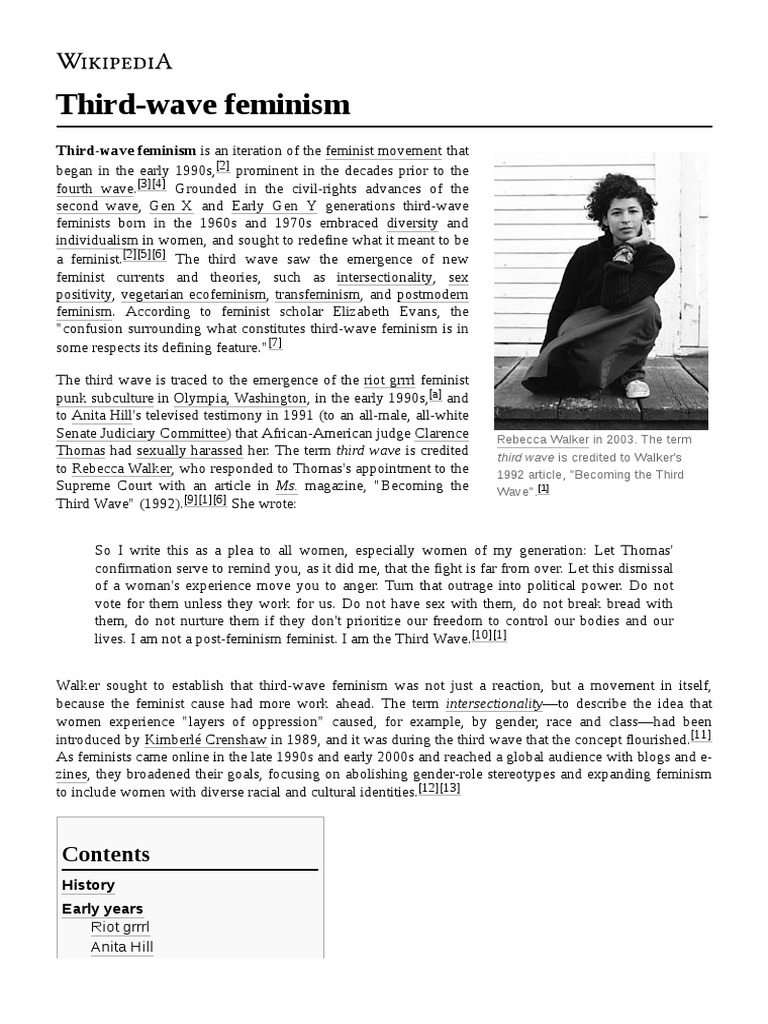
The intersectional critique is paramount. It is a cornerstone of modern feminist thought, recognizing that gender is not an isolated category of experience. It acknowledges the complex interplay of various identities, including race, class, sexuality, and disability, in shaping individual realities. However, this very complexity is often weaponized against feminism. Critics argue that the focus on intersectionality fragments the movement, creating internal divisions and hindering collective action. They lament the purported lack of unity, conveniently ignoring the fact that genuine solidarity requires acknowledging and addressing the diverse experiences of marginalized groups. The call for unity, in this context, often serves as a thinly veiled attempt to silence dissenting voices, particularly those of women of color and other historically marginalized communities.
Furthermore, the economic anxieties surrounding feminism are often overlooked. The fight for equal pay, for example, is frequently portrayed as a mere demand for more money, rather than a fundamental challenge to systemic inequality. The gender pay gap, a persistent and well-documented phenomenon, is not simply a matter of individual discrimination. It reflects a deeply ingrained devaluation of women’s labor, a societal bias that pervades various industries and occupations. Closing this gap requires more than just individual negotiations; it demands systemic change, including policies that promote pay transparency, combat occupational segregation, and provide affordable childcare. These demands, however, are often met with resistance, framed as economically unsustainable or detrimental to business interests. The reality is that investing in gender equality is not just morally right; it is economically sound. Empowering women and ensuring their economic security benefits not only individuals but also society as a whole.
The role of media cannot be understated. The media landscape, often driven by sensationalism and clickbait, plays a significant role in shaping public perception of feminism. The movement is often portrayed through a distorted lens, focusing on extreme examples and ignoring the nuanced perspectives of mainstream feminists. Negative stereotypes are amplified, while positive contributions are often minimized or ignored altogether. This biased coverage not only perpetuates misinformation but also discourages genuine dialogue and understanding. It creates a climate of fear and suspicion, making it difficult for individuals to engage with feminist ideas without facing ridicule or condemnation. It also plays into the hands of those who seek to delegitimize the movement, providing them with ammunition to attack its credibility and undermine its goals.
Let us not shy away from the internal debates. A healthy movement fosters self-reflection. Internal disagreements regarding strategy, priorities, and even fundamental principles are not signs of weakness. They are evidence of a vibrant and evolving movement that is constantly striving to refine its understanding of gender inequality and its solutions. These debates, while sometimes contentious, are essential for ensuring that feminism remains relevant and responsive to the needs of all women, particularly those who have been historically marginalized. Suppressing these internal dialogues in the name of unity is a disservice to the movement and ultimately hinders its progress. Embrace the heterogeneity, the kaleidoscope of voices that make up the feminist chorus. Only through open and honest dialogue can we hope to achieve genuine and lasting equality.
The rhetoric of victimhood is another recurring theme. Critics often accuse feminists of portraying women as helpless victims, incapable of agency or self-determination. This accusation conveniently ignores the fact that acknowledging systemic oppression is not the same as denying individual strength or resilience. Feminism recognizes that women are often subjected to discrimination, violence, and other forms of oppression, not because they are inherently weak or vulnerable, but because of the structures and systems that perpetuate inequality. Recognizing these realities does not diminish women’s agency; it empowers them to challenge these structures and fight for a more just and equitable world. It acknowledges that individual effort, while important, is not enough to overcome systemic barriers. Collective action and social change are essential for creating a world where all women can thrive, free from oppression and discrimination.
Consider the shifting goalposts. As feminism achieves certain milestones, the goalposts of criticism often shift. When women gained the right to vote, critics argued that they were incapable of responsible citizenship. When women entered the workforce, they were accused of neglecting their families. Now, as women increasingly occupy positions of power and influence, they are accused of being overly ambitious or aggressive. This constant shifting of the goalposts reveals a fundamental resistance to women’s progress, a deep-seated desire to maintain the status quo. No matter what women achieve, no matter how much they contribute to society, they will always be judged by different standards than men. This is the essence of sexism: the belief that women are inherently inferior and that their achievements should be constantly questioned and scrutinized.
The backlash against “wokeness” and “cancel culture” is often intertwined with anti-feminist sentiment. Feminism is sometimes conflated with these broader social justice movements, and all are then dismissed as overly sensitive or politically correct. The critique of “wokeness” often targets efforts to raise awareness about systemic inequality and promote inclusivity. Similarly, the outrage over “cancel culture” often focuses on holding individuals accountable for harmful behavior, particularly those in positions of power. By framing these issues as threats to free speech or individual liberty, critics attempt to delegitimize legitimate concerns about inequality and oppression. It is a calculated strategy to silence marginalized voices and protect the status quo.
The future of feminism hinges on embracing inclusivity and intersectionality. The movement must continue to evolve and adapt to the changing needs of women around the world. It must center the voices and experiences of those who have been historically marginalized, including women of color, LGBTQ+ women, women with disabilities, and women from low-income backgrounds. It must also address the interconnectedness of various forms of oppression, recognizing that gender inequality is often intertwined with racism, classism, ableism, and other forms of discrimination. Only by embracing this intersectional approach can feminism truly achieve its goal of liberation for all.
In conclusion, feminism sparks debate because it fundamentally challenges the existing power structures. It demands a re-evaluation of societal norms, expectations, and institutions. It exposes the deep-seated inequalities that persist in our world and calls for a radical transformation. The discomfort and resistance that feminism elicits are not signs of its failure; they are evidence of its power. It is a testament to its ability to disrupt the status quo and challenge the very foundations of oppression. The debate surrounding feminism is not merely an intellectual exercise; it is a struggle for the soul of society. It is a battle for a world where all genders are valued, respected, and empowered to reach their full potential. The song may be dissonant at times, but the potential for harmony remains.






Leave a Comment