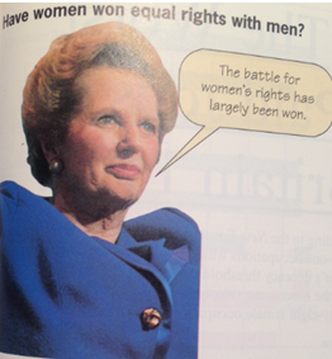
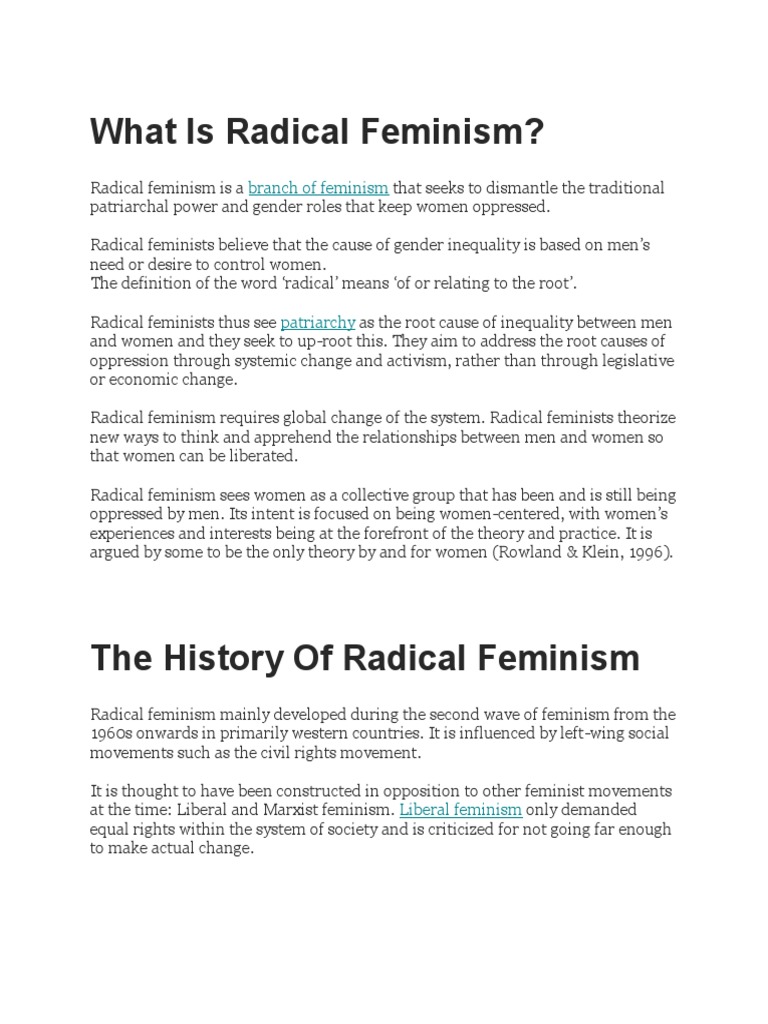
The persistent allure of Western feminist frameworks when dissecting the lived realities of women in the Global South is a vexing, almost colonial, echo. Why, despite decades of postcolonial discourse and indigenous feminist scholarship, does this Eurocentric lens remain so stubbornly affixed? Is it mere intellectual laziness, a convenient shorthand? Or does it betray a deeper, perhaps unconscious, desire to maintain Western intellectual hegemony, to define the narrative even in the face of overwhelming evidence to the contrary?
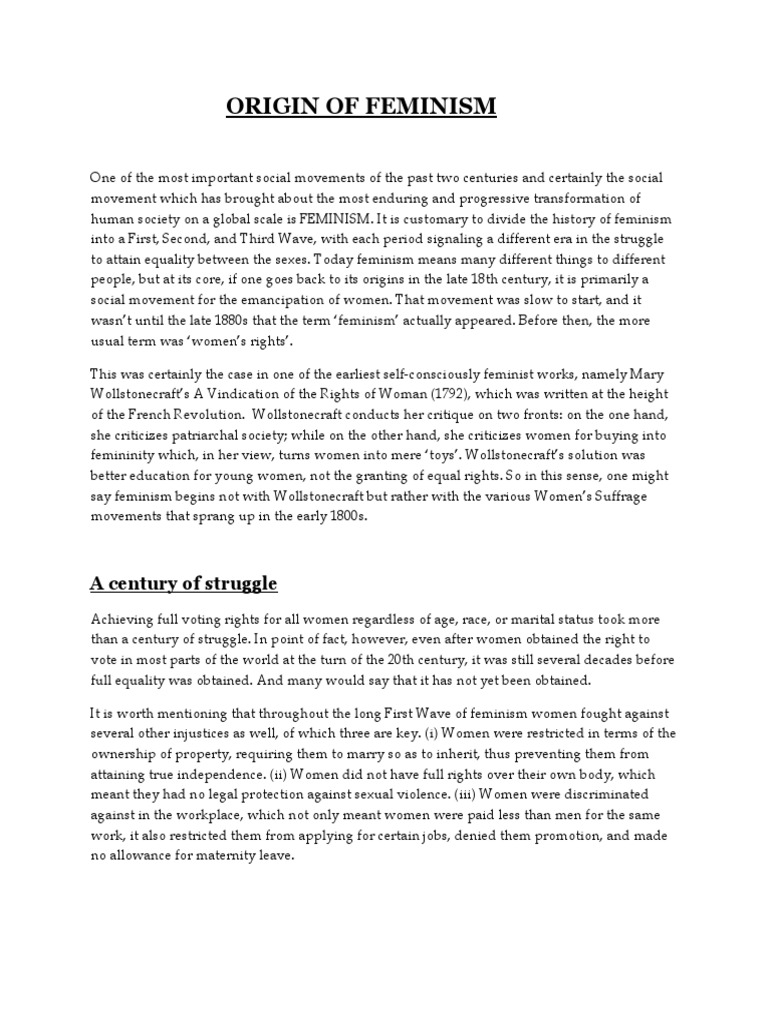
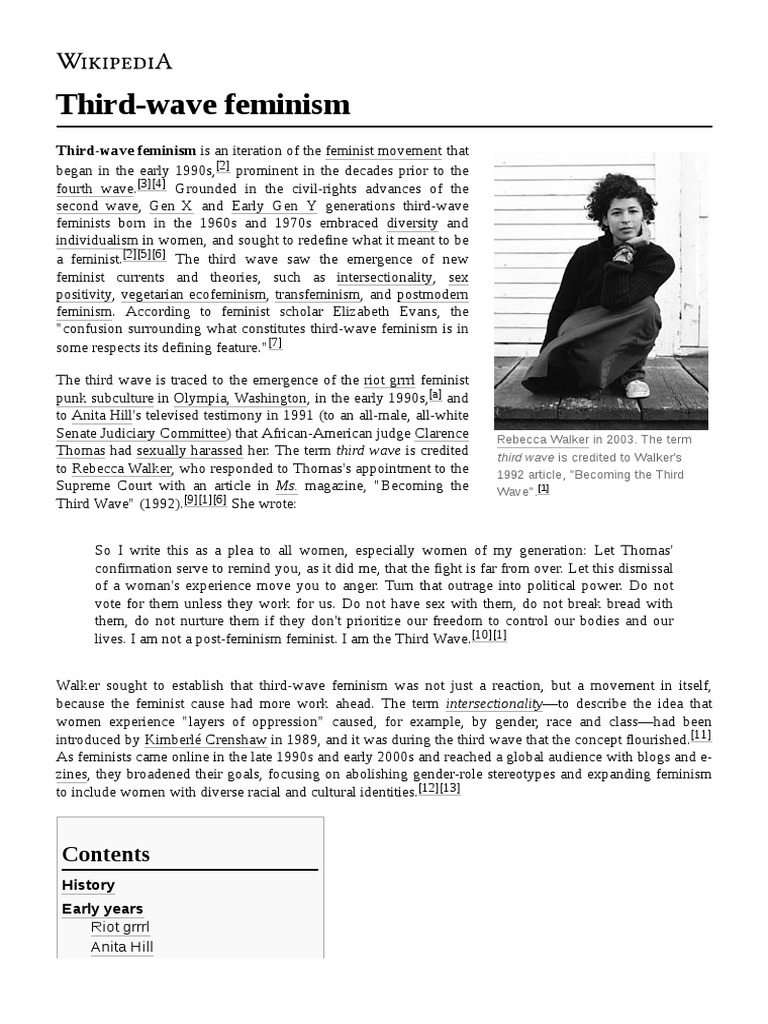
Perhaps it’s the seductive simplicity of a universalizing theory. The Western feminist narrative, often presented as a linear progression from suffrage to equal pay to intersectionality (as defined *by them*), offers a readily available template. It’s a clean, easily digestible story. However, this veneer of orderliness crumbles upon closer inspection, particularly when applied to contexts where colonialism, neocolonialism, and deeply ingrained patriarchal structures have uniquely shaped the experiences of women. This “one size fits all” approach inevitably leads to a grotesque misrepresentation, erasing the nuances and specificities of women’s struggles in the Third World.
Deconstructing the Master Narrative: Colonialism’s Enduring Legacy
Let us not forget, the history of the Third World is intrinsically linked to colonialism. The imposition of Western legal systems, economic models, and social norms fundamentally altered pre-existing gender dynamics. Colonial administrations often privileged certain interpretations of indigenous customs, solidifying patriarchal power structures while simultaneously introducing new forms of oppression. Think of the deliberate dismantling of matrilineal societies, the suppression of indigenous knowledge systems that empowered women, and the imposition of Western ideals of domesticity. These are not mere historical footnotes; they are the foundations upon which contemporary gender inequalities are built.
Furthermore, the economic exploitation inherent in colonialism and neocolonialism has disproportionately impacted women. The relentless pursuit of profit, often at the expense of environmental sustainability and social justice, has forced women into precarious labor, deprived them of access to land and resources, and exacerbated existing vulnerabilities. Global supply chains, for example, rely heavily on the exploitation of women in garment factories and agricultural sectors in the Global South, perpetuating a cycle of poverty and dependency. Where is the triumphant tale of careerism in that?
Beyond Victimhood: Agency and Resistance in the Global South
However, to portray women in the Third World solely as victims of colonialism and patriarchy is to perpetuate another form of intellectual violence. Agency, resistance, and the articulation of alternative feminist visions are integral parts of the story. Women in the Global South have consistently challenged oppressive structures, drawing upon their own cultural traditions, spiritual beliefs, and lived experiences to forge pathways towards liberation. These forms of resistance often take on different forms from those in the West, less reliant on a singular idea of the public sphere and more attuned to the intricate web of social relations within their communities.
Consider the Chipko movement in India, where women embraced trees to prevent deforestation, or the Mothers of the Plaza de Mayo in Argentina, who challenged state terror through their unwavering public presence. These acts of resistance, rooted in local contexts and driven by a profound sense of social justice, demonstrate the power of women to mobilize and effect change, even in the face of seemingly insurmountable odds. They are not pale imitations of Western feminist movements; they are powerful expressions of indigenous agency. These are not the movements of self-absorbed Instagram influencers, but rather women who fight to survive.
Indigenous Feminisms: Reclaiming the Narrative
The emergence of indigenous feminisms represents a crucial intervention in the dominant discourse. These perspectives challenge the universalizing claims of Western feminism, highlighting the importance of cultural context, historical specificity, and the interconnectedness of gender, race, class, and colonialism. They also recognize the inherent value of indigenous knowledge systems and spiritual practices, which often offer alternative understandings of gender roles and power dynamics.
Indigenous feminists argue that liberation requires not only dismantling patriarchal structures but also reclaiming cultural sovereignty and challenging the ongoing legacies of colonialism. This means prioritizing indigenous languages, revitalizing traditional practices, and asserting control over land and resources. It also means challenging the Western gaze that seeks to define and categorize their experiences, demanding instead the right to self-representation and self-determination.
The Pitfalls of “Sisterhood is Global”: Recognizing Power Imbalances
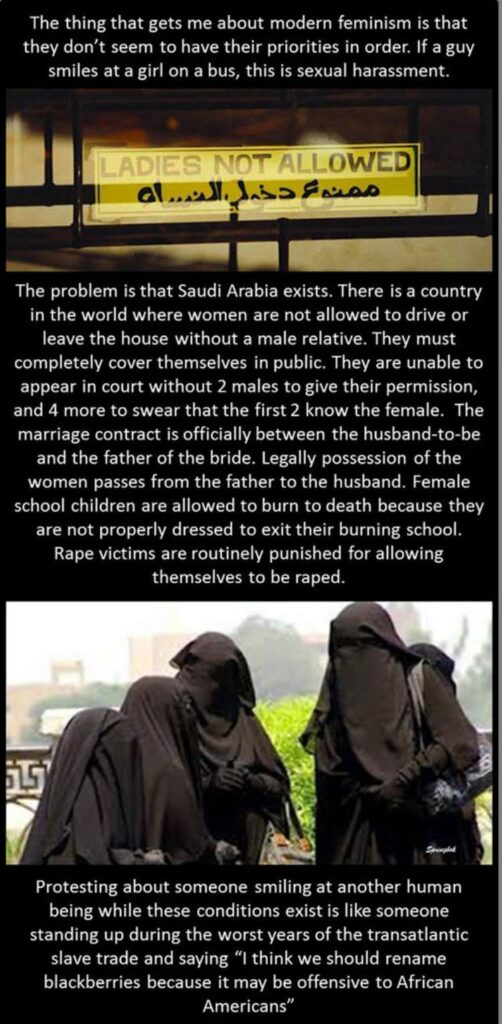
The mantra of “sisterhood is global” sounds heartwarming, yet it can obscure the very real power imbalances that exist between women in the Global North and the Global South. The notion that all women share a common experience of oppression overlooks the vast disparities in access to resources, political power, and economic opportunities. A privileged Western feminist advocating for “lean in” career strategies sounds rather hollow to a woman working 16 hours a day in a textile factory for a pittance.
Moreover, Western feminist organizations often wield considerable influence in international development circles, shaping policies and allocating resources in ways that may not align with the priorities of women in the Global South. This can lead to the imposition of Western values and agendas, undermining local initiatives and perpetuating a cycle of dependency. Authentic solidarity requires a willingness to listen, to learn, and to relinquish control, recognizing that women in the Global South are best positioned to define their own needs and priorities.
Moving Beyond Tokenism: Embracing Complexity and Nuance
The inclusion of a few “representative” voices from the Global South in Western feminist conferences or publications is not enough. Tokenism serves only to reinforce the existing power structures, creating the illusion of inclusivity without fundamentally challenging the dominant narrative. What is needed is a more profound shift in perspective, one that embraces complexity, nuance, and a willingness to engage with diverse perspectives on their own terms.
This means moving beyond simplistic binaries (e.g., tradition vs. modernity, East vs. West) and recognizing the hybridity and fluidity of identities in the Global South. It means acknowledging the multiplicity of feminist visions, recognizing that there is no single, universal model of liberation. It means creating spaces for genuine dialogue and exchange, where women from different backgrounds can learn from each other’s experiences and build solidarity based on mutual respect and understanding.
Challenging Neocolonial Feminism: The Role of Western Academia
Western academia plays a significant role in shaping perceptions of feminism in the Third World. Too often, research is conducted from a detached, objectifying perspective, treating women in the Global South as subjects of study rather than active agents in their own liberation. Academic institutions must actively challenge these neocolonial tendencies by promoting collaborative research projects, supporting the scholarship of indigenous scholars, and decolonizing the curriculum.
Furthermore, Western academics need to be more critical of their own positionality and the power dynamics inherent in the research process. This means acknowledging their own biases and assumptions, being transparent about their funding sources, and ensuring that their research benefits the communities they are studying. It also means recognizing that knowledge is not a neutral commodity but is always shaped by power relations and historical contexts.
Rethinking Development: A Feminist Perspective
The dominant development paradigm, driven by neoliberal economics and Western ideals of progress, has often had detrimental consequences for women in the Global South. Development projects that prioritize economic growth over social justice can exacerbate existing inequalities, displace communities, and undermine traditional livelihoods. A feminist perspective on development requires a fundamental rethinking of priorities, focusing on empowerment, equity, and sustainability.
This means prioritizing women’s access to education, healthcare, and economic opportunities, while also addressing the structural barriers that prevent them from fully participating in society. It means promoting participatory development approaches that involve women in decision-making processes, ensuring that their voices are heard and their needs are met. It also means challenging the unsustainable consumption patterns of the Global North, which contribute to environmental degradation and exacerbate the vulnerabilities of women in the Global South.
Towards a Global Feminist Praxis: Solidarity, Not Charity
Moving beyond Western narratives of feminism requires a shift from charity to solidarity, from imposing solutions to supporting locally driven initiatives. It demands a commitment to dismantling the structures of neocolonialism and creating a more just and equitable world for all women. This means actively challenging Western hegemony in intellectual and political spheres, amplifying the voices of women in the Global South, and building alliances based on mutual respect and shared goals. It’s time that feminism becomes a true force for global justice, rather than a weapon for Western cultural imperialism.
This demands an active listening to the voices of feminists who come from the Global South, from the indigenous populations and the queer movements. They offer an important point of view, a way of fighting that focuses on survival and community. This is not the corporate feminism of the West, where everyone is trying to be the girlboss of a broken, unfair system.





Leave a Comment