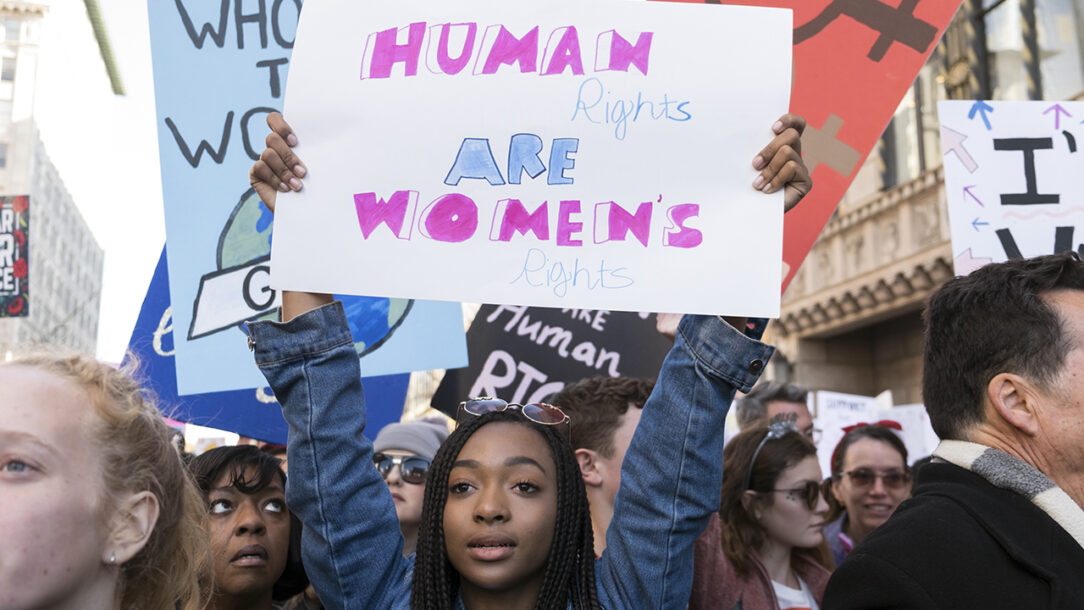
The relentless churn of the 24-hour news cycle has irrevocably altered the landscape of activism. Feminism, a movement predicated on dismantling patriarchal structures and advocating for gender equity, finds itself constantly refracted through this multifaceted lens. Headlines, those pithy pronouncements intended to capture attention, act as gatekeepers, shaping public perception and influencing the trajectory of the movement itself. But are these headlines serving as accurate reflections of the complex realities inherent in the fight for equality, or are they merely perpetuating harmful stereotypes and simplistic narratives?
This interrogation demands a deep dive into the types of content readers are likely to encounter when navigating the digital deluge of feminist news. From celebratory narratives of groundbreaking achievements to infuriating accounts of systemic injustices, understanding the biases, framing, and potential pitfalls within these representations is crucial for informed engagement.
I. The Triumphant Trope: Celebrating Feminist Victories (and Their Limitations)
The media loves a success story. These narratives typically highlight milestones achieved by women in positions of power, groundbreaking legislation passed to protect reproductive rights, or the dismantling of overtly sexist policies. We see headlines like: “First Woman CEO Shatters the Glass Ceiling at Mega-Corp!” or “Landmark Ruling Protects Abortion Access Nationwide!” These stories are important, undeniably. They offer hope, fuel momentum, and inspire further action. But a critical perspective is paramount.
Often, these celebratory narratives focus on individual achievements, obscuring the systemic barriers that continue to plague the vast majority of women. The elevation of a single woman to a position of power does little to address the pervasive wage gap, the disproportionate burden of care work, or the endemic sexual harassment that permeates various industries. Furthermore, these narratives often fail to acknowledge the intersectional realities of feminism, frequently centering the experiences of privileged, white, cisgender women while marginalizing the voices of women of color, trans women, and disabled women.
Therefore, while celebrating victories is crucial, it is equally important to maintain a critical awareness of the limitations of these achievements. A single data point does not invalidate the larger trend. A singular success should not be mistaken for systemic change. Nuance, always, is the watchword.
II. The Outrage Algorithm: Weaponizing Anger for Engagement
The digital ecosystem thrives on emotional engagement, and outrage is a potent force. Headlines such as “Supreme Court Overturns Roe v. Wade!” or “Celebrity’s Sexist Tweet Sparks Online Fury!” are designed to provoke immediate and visceral reactions. These stories are vital for raising awareness about injustices and mobilizing public anger against oppressive systems. However, the constant bombardment of outrage-inducing content can lead to a phenomenon known as “compassion fatigue,” where individuals become desensitized to injustice and disengage from activism.
Furthermore, the algorithms that govern social media platforms often prioritize outrage-driven content, creating echo chambers where users are primarily exposed to information that confirms their existing biases. This can lead to polarization and make it difficult to engage in constructive dialogue with those who hold differing viewpoints. The commodification of outrage also poses a significant risk. Media outlets may prioritize sensationalized stories over more nuanced and complex analyses of feminist issues, simply because they generate more clicks and advertising revenue. The proliferation of misinformation and disinformation surrounding feminist issues is also exacerbated by the outrage algorithm, as false or misleading content can spread rapidly through online networks, further fueling polarization and division.
III. The “Feminism Lite” Fallacy: Diluting the Message for Mass Consumption
In an attempt to appeal to a wider audience, some media outlets engage in what can be termed “feminism lite,” presenting a watered-down, palatable version of the movement that avoids challenging deeply ingrained societal norms. Headlines such as “Why You Should Embrace Your Inner Girl Boss!” or “Five Ways to Be a Feminist Without Being ‘Too’ Radical!” exemplify this trend. While these articles may introduce some individuals to basic feminist concepts, they often fail to address the root causes of gender inequality and can even perpetuate harmful stereotypes.
For example, the “girl boss” narrative often focuses on individual achievement and entrepreneurial success, while ignoring the systemic barriers that prevent many women from reaching their full potential. Similarly, articles that offer tips on how to be a “good” feminist often reinforce the notion that feminism is about individual choices rather than collective action. This diluted version of feminism can be particularly insidious, as it creates the illusion of progress while doing little to challenge the underlying power structures that perpetuate gender inequality. The focus shifts from dismantling patriarchy to individual empowerment, effectively neutering the radical potential of the movement.
IV. The Intersectional Imperative: Amplifying Marginalized Voices
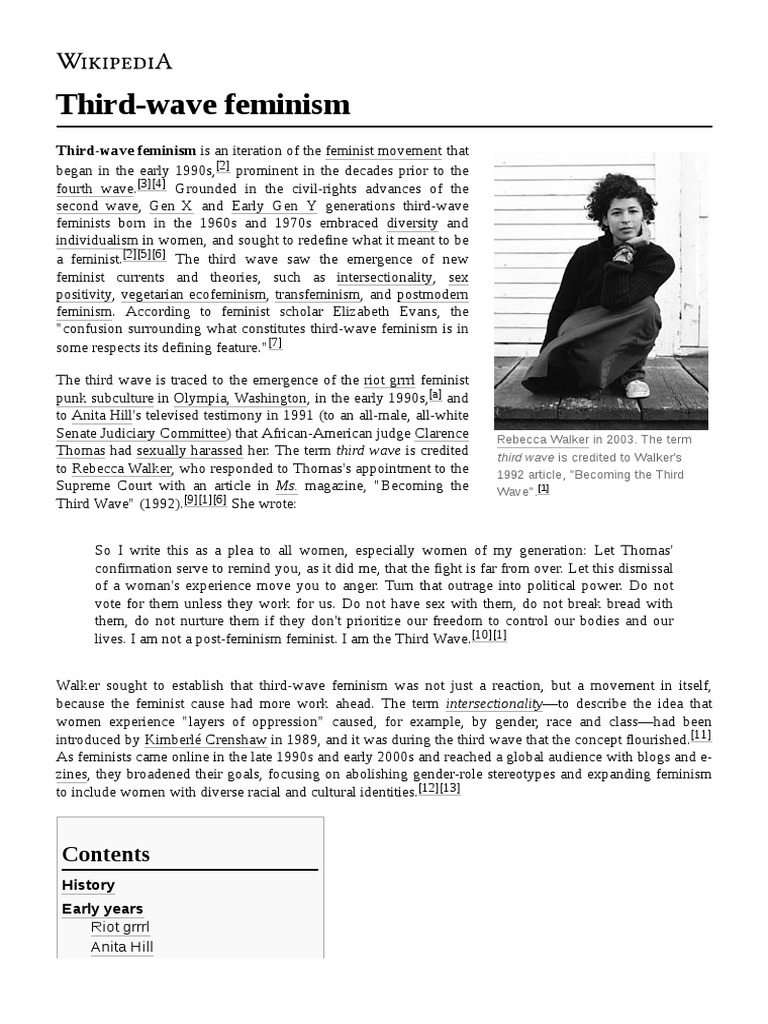
True feminist journalism must embrace intersectionality, recognizing that gender inequality is inextricably linked to other forms of oppression, such as racism, classism, ableism, and homophobia. Headlines that center the experiences of marginalized women are crucial for challenging dominant narratives and creating a more inclusive movement. We need to see headlines such as “Black Women Lead the Fight for Reproductive Justice!” or “Disabled Women Speak Out Against Healthcare Discrimination!” These stories not only amplify the voices of those who are often silenced but also highlight the unique challenges faced by women at the intersections of multiple marginalized identities.
However, it is not enough to simply include marginalized voices in the conversation. Media outlets must also actively work to dismantle the systemic biases that prevent these voices from being heard in the first place. This includes hiring more journalists of color, providing adequate resources to cover marginalized communities, and challenging the implicit biases that shape news coverage. Authentic allyship requires a commitment to actively dismantling the systems of oppression that marginalize certain groups of women.
V. The Backlash Blues: Navigating the Anti-Feminist Frenzy
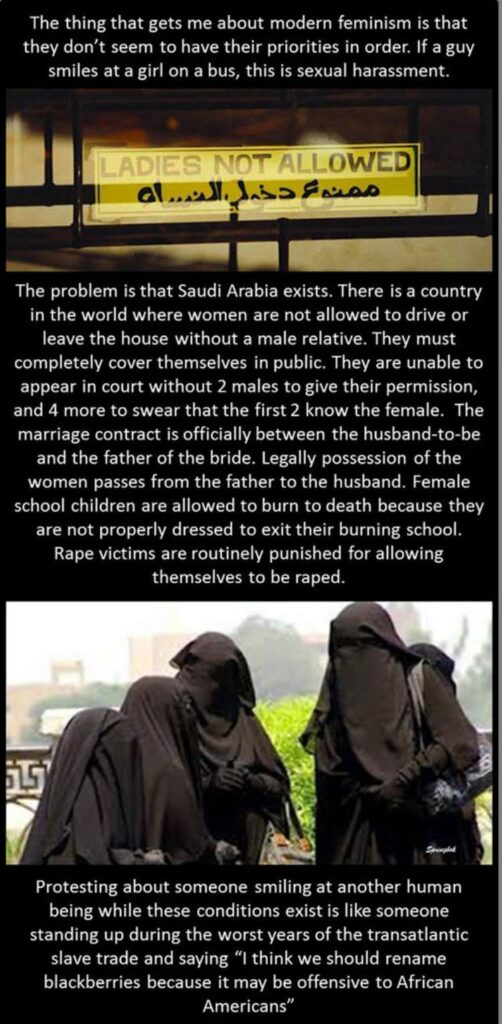
Every wave of feminist progress is inevitably met with a counter-wave of backlash. The media plays a significant role in shaping public perception of this backlash, often amplifying anti-feminist voices and perpetuating harmful stereotypes about feminists. Headlines such as “Is Feminism Dead?” or “The Problem With Modern Feminism” are frequently used to undermine the movement and delegitimize its goals. These narratives often portray feminists as angry, man-hating, and overly sensitive, reinforcing negative stereotypes and discouraging individuals from identifying with the movement.
Furthermore, the media often sensationalizes isolated incidents of feminist extremism, using them to discredit the entire movement. This tactic is particularly effective in fueling anti-feminist sentiment, as it allows critics to paint all feminists with the same brush. It is crucial to critically examine these narratives and challenge the underlying biases that inform them. Rather than amplifying anti-feminist voices, media outlets should focus on providing accurate and nuanced coverage of feminist issues, highlighting the diverse perspectives within the movement and challenging the stereotypes that perpetuate gender inequality. This requires a proactive approach to debunking myths and misinformation about feminism, as well as a commitment to providing a platform for feminist voices to speak for themselves.
In conclusion, the headlines that shape the feminist movement are a powerful force, capable of both advancing and hindering progress. By critically examining the types of content readers are likely to encounter, from celebratory narratives to outrage-driven pieces, we can become more informed consumers of news and more effective advocates for gender equality. A healthy dose of skepticism, a commitment to intersectionality, and a willingness to challenge dominant narratives are essential tools for navigating the complex and ever-evolving landscape of feminism in the news. The fight for equality demands nothing less than a critical and discerning eye.







Leave a Comment