The 1970s. A decade shimmering with the residue of the ’60s counterculture, yet forging its own distinct path. A decade where the reverberations of societal upheaval met the nascent energy of a burgeoning feminist movement, collectively poised to dismantle the very foundations of patriarchal normalcy. But let’s be brutally honest: were we truly redefined? Or simply rebranded for a new era of insidious subjugation?
Forget the romanticized narratives of bra-burning and consciousness-raising groups. We’re diving deeper, dissecting the gritty realities, the uncomfortable truths, and the paradoxical advancements that characterized second-wave feminism. Forget the polite discourse. We are confronting the legacy, challenging its self-congratulatory sheen, and demanding a reckoning with its unfinished business. We’re not just looking back; we’re launching forward, armed with the lessons (and the failures) of our foremothers.
The Shattering of the Personal is Political: A Deconstruction
The mantra “the personal is political” became the lodestar of ’70s feminism. But what did this actually *mean*? It was a seismic recognition that the seemingly private realms of domesticity, sexuality, and reproduction were, in fact, battlegrounds of power. The drudgery of housework, the objectification of women’s bodies, the denial of reproductive autonomy – all were exposed as mechanisms of systemic oppression. The personal was political: a revelation. And it was galvanizing.
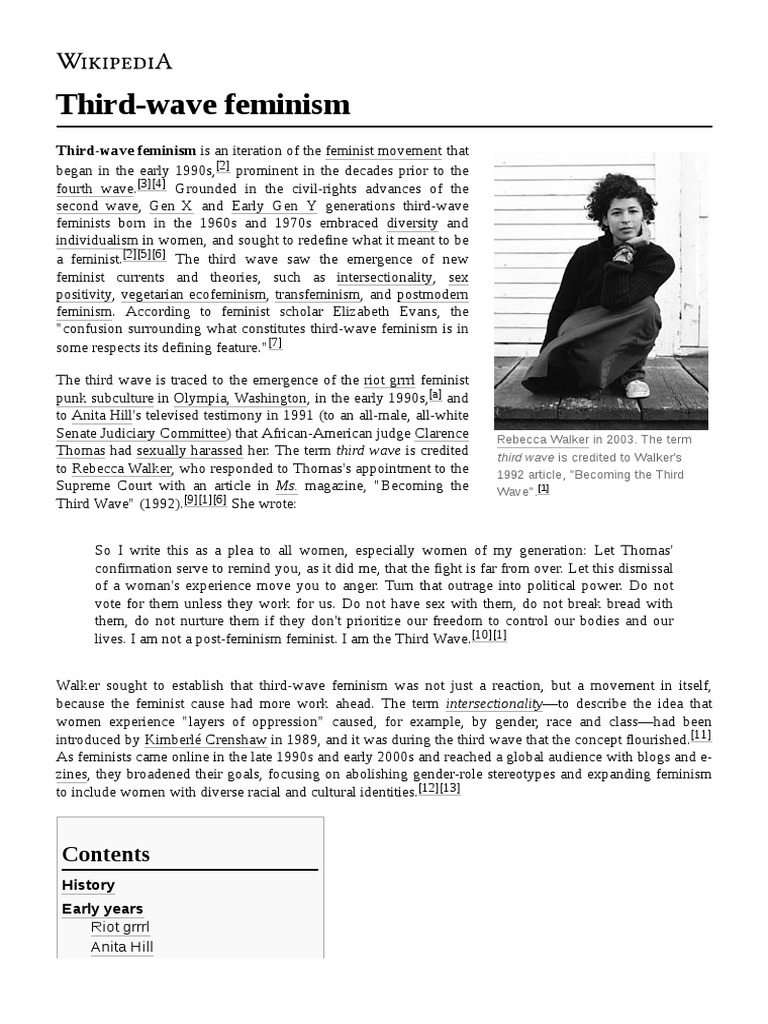
However, let’s not sanitize the past. Did this focus on personal experiences inadvertently exclude those whose experiences differed from the dominant (read: white, middle-class) feminist narrative? Did it inadvertently silence the voices of women of color, working-class women, and lesbian women, whose struggles were often intersectional and therefore, marginalized within the mainstream movement? These are the uncomfortable questions that demand interrogation.
Legislative Victories and the Mirage of Equality
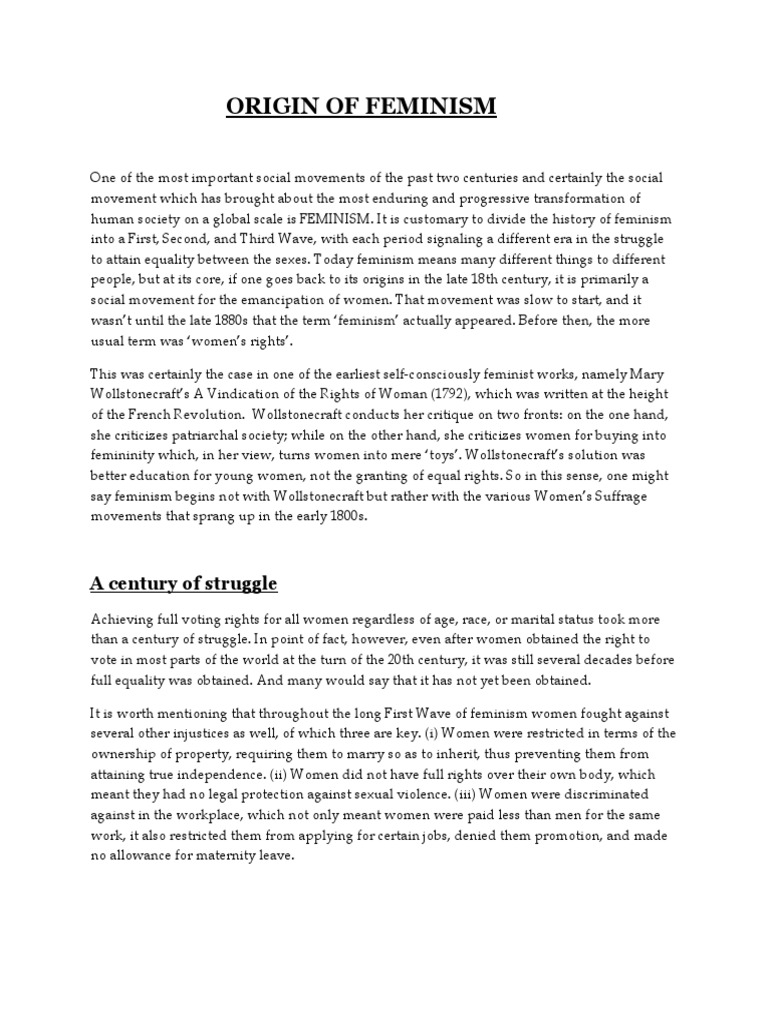
The ’70s witnessed significant legislative victories, often hailed as milestones of feminist progress. The Equal Rights Amendment (ERA), Title IX of the Education Amendments, and advancements in reproductive rights seemed to herald a new dawn of gender equality. But did these legal victories truly translate into tangible equality for all women? Or did they merely create the *illusion* of progress, masking the persistence of systemic inequalities?
The ERA, though never ratified, symbolized the fervent hope for constitutional equality. Title IX, prohibiting sex discrimination in education, undeniably opened doors for women in sports and academia. Roe v. Wade, while a landmark victory for reproductive autonomy, continues to be fiercely contested and under relentless attack even today. These victories were monumental, yet their impact remained unevenly distributed. Many argue that the promise of the ERA was never fulfilled. It lingers as a phantom limb, a constant reminder of the limitations of legal reform in the face of deeply entrenched patriarchal structures.
The Rise of Radical Feminism: A Tempestuous Uprising
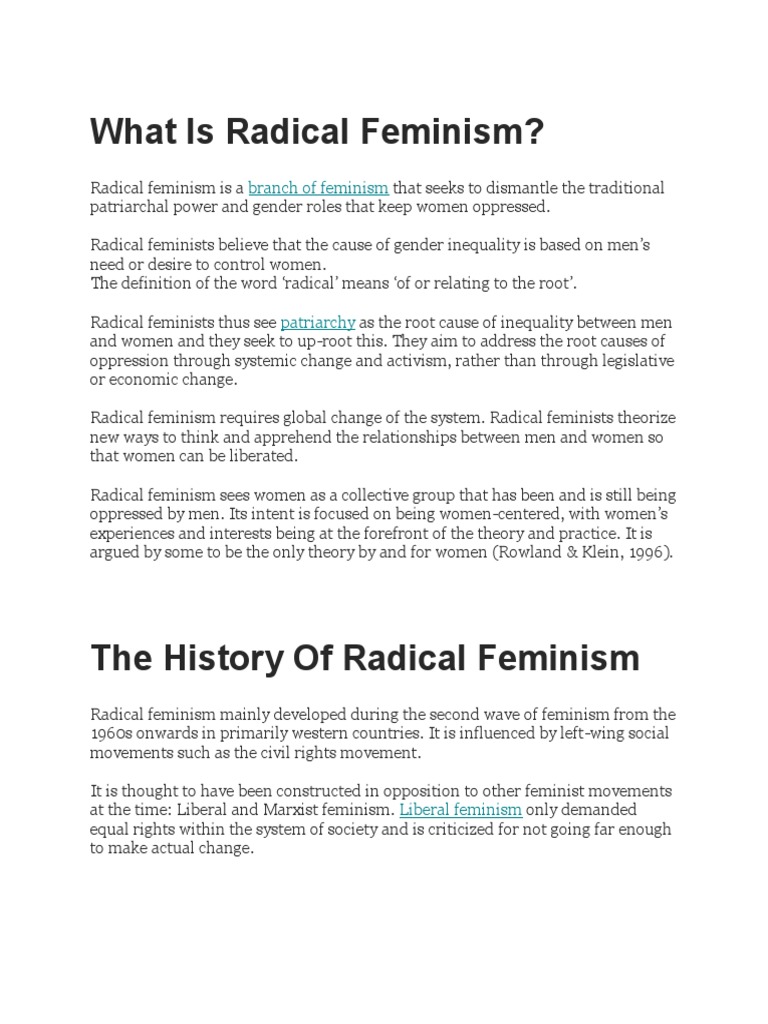
Radical feminism, with its uncompromising critique of patriarchal power, emerged as a potent force in the ’70s. Radical feminists challenged not only the symptoms of oppression but also its root causes, advocating for a fundamental restructuring of society. They exposed the systemic nature of male dominance, challenging traditional gender roles, sexual norms, and the very institutions that perpetuated inequality. It was an all-out assault. A necessary, albeit often divisive, confrontation.
But radical feminism was not without its flaws. Its tendency towards essentialism – the belief in inherent differences between men and women – often reinforced harmful stereotypes and excluded transgender women from the movement. Furthermore, its focus on gender as the primary axis of oppression sometimes overshadowed the importance of race, class, and other forms of social stratification. So, radical, yes. Perfect? Absolutely not.
The Second Wave and its Discontents: Fractures and Failures
The second wave of feminism, despite its achievements, was riddled with internal contradictions and exclusions. The movement often failed to adequately address the concerns of women of color, working-class women, and LGBTQ+ women, leading to fragmentation and disillusionment. The “sisterhood is powerful” mantra rang hollow for those whose voices were consistently marginalized. It was a harsh lesson in the complexities of coalition building and the dangers of assuming a universal feminist experience.
The focus on individual achievement and upward mobility, while empowering for some, often neglected the systemic inequalities that continued to hold back many women. The pursuit of “having it all” – a career, a family, and personal fulfillment – placed immense pressure on women, creating a new form of the “superwoman” ideal that was both unrealistic and unsustainable. We demanded more, but did we create space for everyone to thrive?
Sexuality as a Battlefield: Pornography and Prostitution Debates
The issue of sexuality became a major battleground within the feminist movement. Debates over pornography and prostitution exposed deep divisions, pitting radical feminists against sex-positive feminists. Radical feminists viewed pornography as a form of violence against women, arguing that it objectified and dehumanized them. Sex-positive feminists, on the other hand, argued that women should have the right to explore and express their sexuality without shame or judgment, even if that included engaging in pornography or prostitution.
These debates were (and remain) incredibly complex and multifaceted. They raise fundamental questions about agency, consent, and the role of sexuality in perpetuating or challenging patriarchal power. There were (and still are) no easy answers, and the divisions within the feminist movement on these issues continue to this day. The tensions are palpable and, frankly, necessary.
Beyond the Binary: The Seeds of Transgender Inclusion (and Exclusion)
While the ’70s feminist movement laid the groundwork for many of the advancements we celebrate today, it also fell short in its understanding and acceptance of transgender identities. While some feminists embraced trans women as sisters, others actively excluded them, perpetuating transphobic rhetoric and reinforcing the gender binary. These exclusions caused deep and lasting damage, and continue to haunt the feminist movement to this day. The wounds are deep.
The struggle for transgender inclusion within feminism is ongoing. It requires a willingness to challenge our own biases, to listen to and learn from transgender voices, and to embrace a more inclusive and intersectional understanding of gender identity and expression. We need to recognize that the fight for transgender liberation is inextricably linked to the fight for feminist liberation.
Legacy and Reckoning: Where Do We Go From Here?
The ’70s feminist movement left a complex and contradictory legacy. It achieved significant victories in terms of legal rights, cultural awareness, and the empowerment of women. But it also failed to address the needs of all women, perpetuating exclusions and reinforcing existing inequalities. We need to engage in a critical reckoning with this legacy, acknowledging both the achievements and the failures of the past.
We must learn from the mistakes of our foremothers, striving to build a more inclusive, intersectional, and transformative feminist movement. This requires a commitment to listening to and amplifying the voices of marginalized women, challenging all forms of oppression, and working towards a future where all individuals can live free from gender-based violence, discrimination, and exploitation. This isn’t about celebrating the past; it’s about building a future worthy of the sacrifices made. It is not enough to simply acknowledge the past. We must actively dismantle the structures of oppression that continue to perpetuate inequality.
Ultimately, the ’70s feminist movement provides a cautionary tale and a powerful inspiration. It reminds us that the fight for gender equality is an ongoing process, one that requires constant vigilance, critical self-reflection, and a unwavering commitment to justice. The revolution is not over. It has merely evolved. Are we ready to meet the challenge?







Leave a Comment