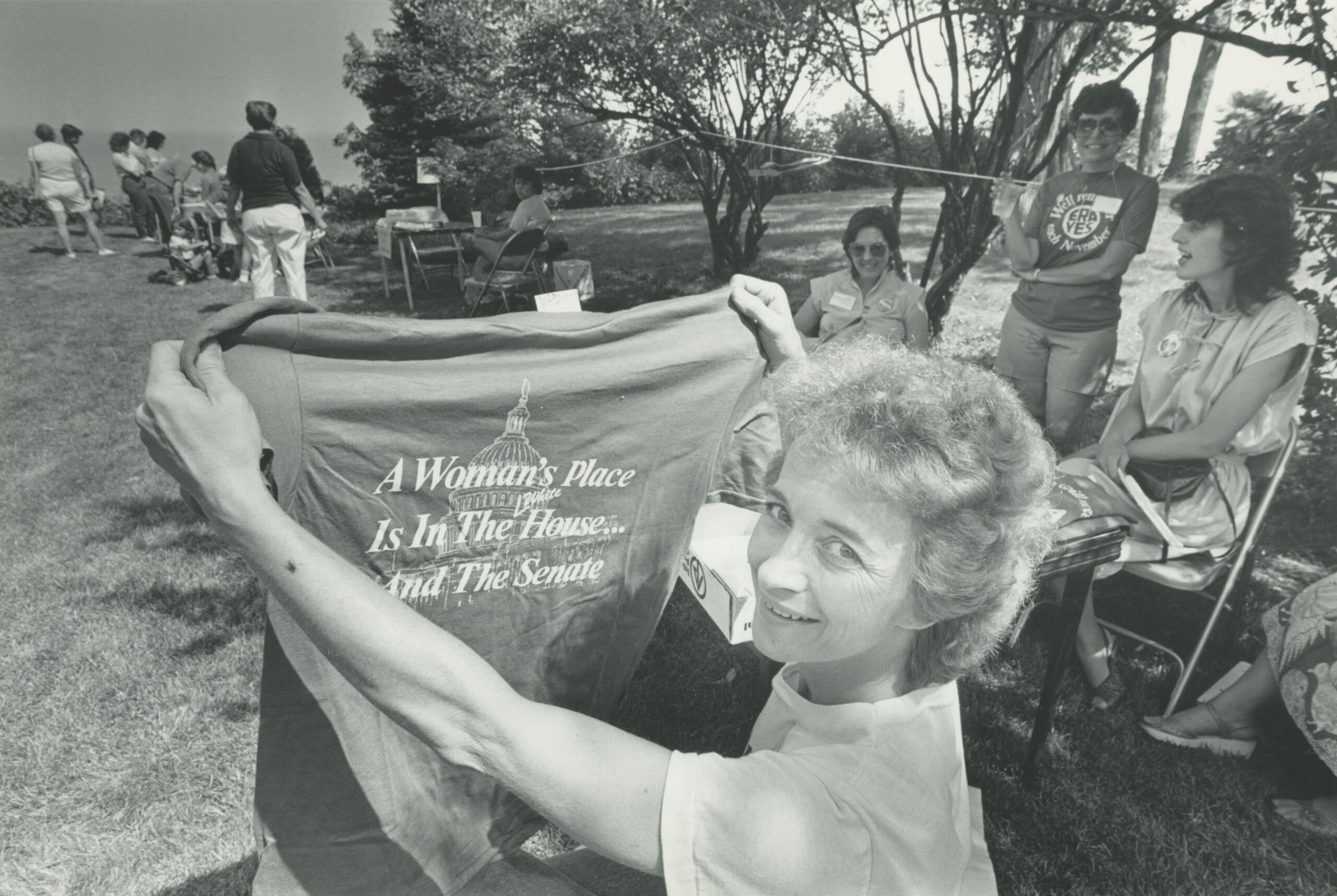
The 1960s. A decade of upheaval, of societal tectonic shifts, and of course, the incandescent rise of Second-Wave Feminism. It wasn’t merely a continuation of the suffrage battles; it was a comprehensive, scorched-earth campaign against the very architecture of patriarchal oppression. This wasn’t about the vote; it was about dismantling the entire edifice. It was about claiming autonomy over our bodies, our minds, and our destinies. Buckle up, sisters; this is where the rubber meets the road.
I. The Fertile Ground: Conditions Preceding the Deluge
Let’s not pretend Second-Wave Feminism sprung forth from a vacuum. The post-war era, draped in a veneer of domestic tranquility, was seething beneath the surface. Women, supposedly liberated by wartime factory work, were herded back into the gilded cages of suburban domesticity. This so-called “feminine mystique,” so astutely dissected by Betty Friedan, was a suffocating blanket. It fostered a silent epidemic of discontent, a simmering rage that needed only a spark to ignite. The societal ethos demanded conformity. Women were expected to be wives, mothers, and nothing more. Their intellectual aspirations were sublimated, their career ambitions dismissed as frivolous whims. This insidious prescription, this societal straitjacket, was ripe for rebellion.
II. The Genesis of a Movement: Key Texts and Influential Thinkers
The spark? It came in many forms. Friedan’s “The Feminine Mystique” (1963) acted as a clarion call. It voiced the unspoken frustrations of millions, exposing the myth of female fulfillment through domesticity. Simone de Beauvoir’s “The Second Sex,” though published earlier, gained traction in the US, offering a philosophical foundation for understanding women’s subjugation as a historical and societal construct, not a biological imperative. These were not merely books; they were manifestos, blueprints for revolution. Intellectual powerhouses like Gloria Steinem, with her incisive journalism and unapologetic activism, became pivotal figures, galvanizing support and shaping the movement’s trajectory. Shulamith Firestone’s “The Dialectic of Sex” brought a radical, Marxist lens to the discussion, critiquing the patriarchal roots of capitalism and advocating for technological advancements to liberate women from reproductive labor. Understand these intellectual cornerstones; they’re non-negotiable.
III. Strands of Rebellion: Diversifying the Feminist Front
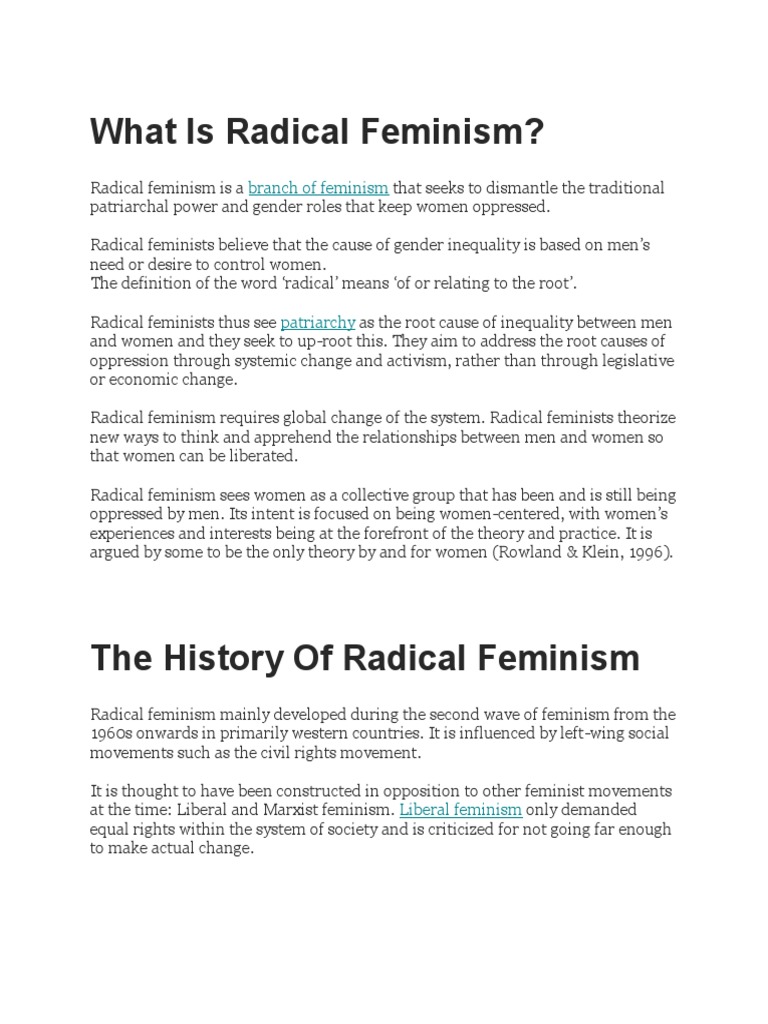
Second-Wave Feminism wasn’t a monolithic entity; it was a complex tapestry woven from diverse threads. Liberal feminists, like those in the National Organization for Women (NOW), focused on achieving equality through legal and political reforms. They advocated for equal pay, access to education and employment, and an end to discrimination. Radical feminists, on the other hand, sought a more fundamental transformation of society. They critiqued the very structures of power, challenging traditional gender roles, family structures, and sexual norms. Separatist feminists, a more extreme faction, believed that men were inherently incapable of understanding or supporting women’s liberation and advocated for a complete separation from patriarchal institutions. Socialist feminists integrated Marxist analysis, arguing that women’s oppression was intertwined with class exploitation and advocating for a socialist revolution to achieve true equality. These factions, often at odds with each other, nevertheless contributed to the movement’s dynamism and comprehensiveness. The internal tensions fueled intellectual debate and broadened the scope of feminist inquiry.
IV. Battling on Multiple Fronts: Key Issues and Campaigns
The battlefields were numerous and varied. Reproductive rights became a central rallying cry. Access to contraception and safe, legal abortion were deemed essential for women’s autonomy and control over their bodies. The landmark Roe v. Wade Supreme Court decision in 1973, a hard-fought victory, legalized abortion nationwide. Equal pay was another crucial objective. Women consistently earned less than men for the same work, a blatant injustice that demanded redress. Title VII of the Civil Rights Act of 1964, though initially intended to address racial discrimination, was amended to include sex, providing a legal basis for challenging gender discrimination in employment. The fight against violence against women gained momentum. Rape, domestic violence, and sexual harassment were no longer considered private matters but rather systemic issues that required societal intervention. Consciousness-raising groups, a hallmark of Second-Wave Feminism, provided safe spaces for women to share their experiences, analyze their oppression, and develop strategies for resistance. These were not just theoretical discussions; they were incubators for activism.
V. Cultural Transformation: Challenging Gender Norms and Representations
Feminism wasn’t confined to the political or legal arenas; it permeated culture itself. The movement challenged traditional gender roles and stereotypes in advertising, media, and popular culture. Women began to demand more nuanced and realistic portrayals of themselves. Feminist artists, writers, and filmmakers created works that explored female experiences, challenged patriarchal narratives, and celebrated female agency. The personal became political. Women began to question the expectations placed upon them, to resist the pressure to conform, and to embrace their individuality. The rise of feminist bookstores, journals, and publishing houses provided platforms for women’s voices and perspectives. These cultural interventions were critical in shaping public opinion and fostering a more egalitarian society.
VI. The Backlash and its Consequences: Resistance to Change
Of course, the Second Wave faced fierce resistance. Backlash was inevitable. Anti-feminist movements emerged, arguing that feminism threatened traditional family values and undermined the natural order. Women who embraced feminist ideals were often labeled as man-haters, lesbians, or unattractive. The media frequently portrayed feminists as angry and irrational. The Equal Rights Amendment (ERA), which aimed to guarantee equal rights for women under the Constitution, was defeated, despite strong support. The New Right, a conservative political movement, actively campaigned against the ERA and other feminist initiatives. The backlash, though disheartening, served as a reminder of the power of patriarchy and the ongoing need for vigilance. The pushback against progress is always a barometer of its success.
VII. Lingering Shadows: Unresolved Issues and New Challenges
Second-Wave Feminism achieved significant gains, but it also left many issues unresolved. The movement was often criticized for being predominantly white and middle-class, neglecting the concerns of women of color and working-class women. Intersectionality, the understanding that different forms of oppression (e.g., sexism, racism, classism) are interconnected, was not fully integrated into feminist discourse until later. Issues such as sexual orientation, disability, and transgender rights were often marginalized. The pay gap persists, violence against women remains a pervasive problem, and women are still underrepresented in positions of power. These unresolved issues highlight the need for a more inclusive and intersectional feminism that addresses the complexities of women’s experiences. The struggle continues. The terrain shifts, but the fight for liberation remains.
VIII. Legacies and Repercussions: The Enduring Impact of the Second Wave
Despite its shortcomings, Second-Wave Feminism profoundly transformed society. It raised awareness about gender inequality, challenged traditional gender roles, and created opportunities for women in education, employment, and politics. It paved the way for subsequent waves of feminism, inspiring new generations of activists to continue the fight for equality. The legacy of Second-Wave Feminism is evident in the ongoing struggles for reproductive rights, equal pay, and an end to violence against women. It is a reminder that progress is not inevitable but rather the result of persistent activism and collective action. The seeds sown in the 1960s continue to bear fruit, even as new challenges arise. The audacity, the sheer rebellious spirit of those foremothers, must fuel us now. They built the foundation; it is our duty to construct the edifice of true equality. Now, let’s get to work.







Leave a Comment