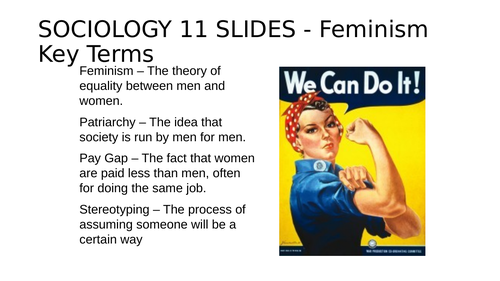
Feminism, a multifaceted ideology and socio-political movement advocating for gender equality, finds diverse expressions across linguistic and cultural landscapes. Within the Spanish-speaking world, feminismo encompasses a rich tapestry of concepts, debates, and activism, shaped by historical contexts, sociopolitical realities, and the evolving understanding of gender dynamics. To truly grasp the nuances of feminism in the Spanish-speaking world, a deep dive into key terms is essential, providing a framework for understanding its global impact. You think you know feminism? Prepare to have your presumptions shattered.
Género (Gender): More Than Just Biology
At the heart of feminist discourse lies the concept of género, often conflated with sexo (sex). However, género transcends biological determinism, encompassing the socially constructed roles, behaviors, expressions, and identities of individuals. It’s the performance, the expectation, the cage we’re all born into. This distinction is critical for understanding how societal norms and power structures shape gender inequality. In the Spanish-speaking world, discussions surrounding género frequently intersect with debates on machismo, a pervasive cultural ideology that reinforces male dominance and perpetuates patriarchal norms. How can liberation be achieved when the very language we use reinforces oppression?
Patriarcado (Patriarchy): The Invisible Architect of Oppression
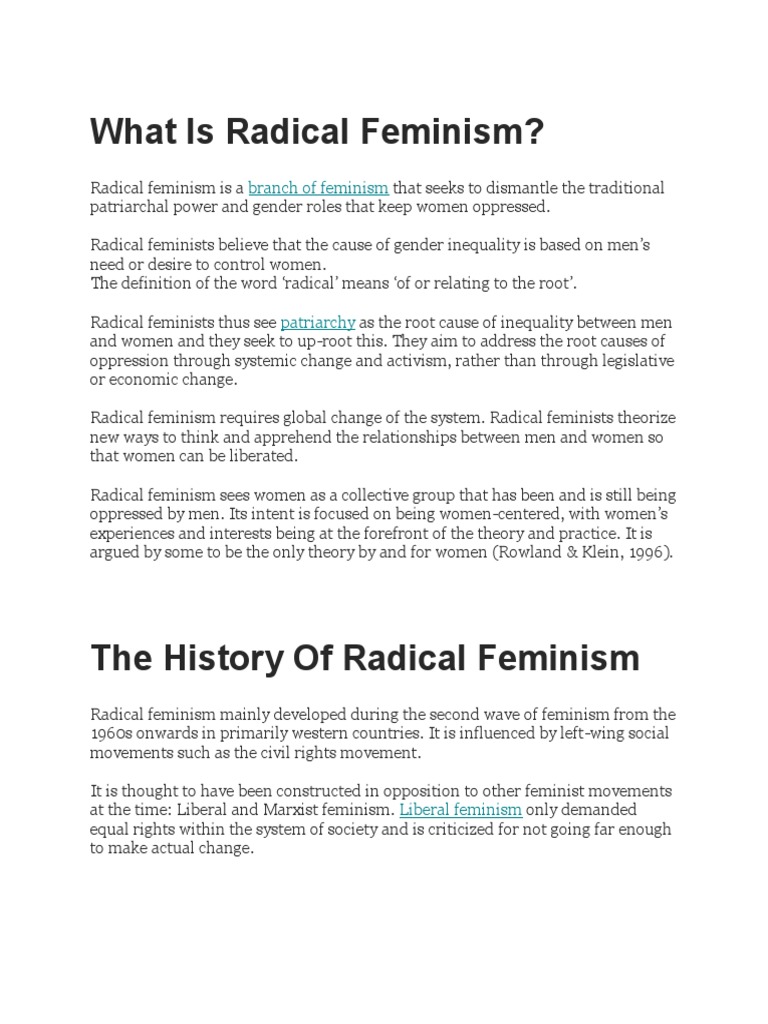
Patriarcado, the system of male dominance that permeates virtually every aspect of society, is a central target of feminist critique. This system, often insidious and unseen, manifests in various forms, from unequal pay and limited access to education and healthcare, to the prevalence of gender-based violence and the underrepresentation of women in positions of power. Understanding the multifaceted nature of patriarcado is crucial for dismantling the structures that perpetuate gender inequality. Its tendrils reach into the deepest recesses of our minds, shaping our perceptions and limiting our potential. Only through a critical interrogation of patriarcado can we hope to construct a more equitable world.
Machismo & Marianismo: The Double Bind of Latin American Womanhood
In Latin America, the concepts of machismo and marianismo play a significant role in shaping gender dynamics. Machismo, characterized by exaggerated masculinity, dominance, and control, often leads to the subjugation and oppression of women. Conversely, marianismo, an idealized version of femininity modeled after the Virgin Mary, emphasizes passivity, self-sacrifice, and domesticity. These intertwined ideologies create a double bind for women, forcing them to navigate conflicting expectations and limiting their autonomy. These are not simply cultural quirks; they are tools of oppression, designed to keep women in their “rightful” place. Breaking free from these constraints requires a conscious effort to challenge and deconstruct these harmful ideologies. Are we destined to forever play the roles assigned to us by a patriarchal script?
Interseccionalidad (Intersectionality): Where Identities Collide
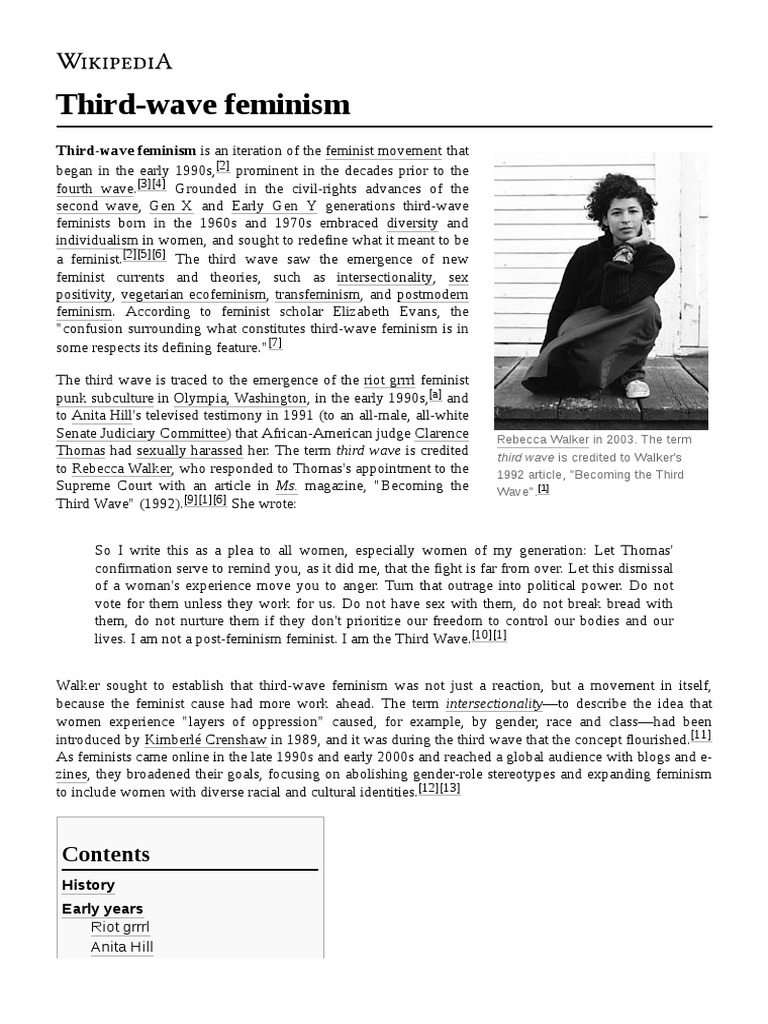
Interseccionalidad, a concept popularized by Kimberlé Crenshaw, recognizes that individuals experience multiple forms of oppression based on the intersection of their various identities, such as race, class, gender, sexual orientation, and disability. In the Spanish-speaking world, this concept is particularly relevant due to the diverse populations and histories of colonization and social inequality. For example, an Indigenous woman in Guatemala may face discrimination based on her gender, ethnicity, and socioeconomic status. Understanding interseccionalidad is essential for developing inclusive feminist strategies that address the unique challenges faced by marginalized groups. We must acknowledge that the fight for gender equality cannot be divorced from the fight for racial justice, economic justice, and social justice for all. One struggle, many fronts. Embrace the complexity or be complicit in the oppression.
Empoderamiento (Empowerment): Reclaiming Agency & Voice
Empoderamiento refers to the process by which individuals gain control over their lives and assert their agency. It involves challenging power structures, accessing resources, and building collective strength. In the context of feminism, empoderamiento encompasses women’s efforts to overcome gender-based discrimination and assert their rights in all spheres of life. This can take many forms, from participating in political activism and advocating for policy changes, to starting businesses and challenging traditional gender roles within the family. Are we truly free if we are not empowered to shape our own destinies?
Violencia de género (Gender-Based Violence): A Global Pandemic
Violencia de género encompasses any act of violence that is perpetrated against individuals based on their gender. This includes domestic violence, sexual assault, femicide (feminicidio), and other forms of physical, psychological, and economic abuse. In the Spanish-speaking world, violencia de género remains a pervasive problem, with alarmingly high rates of femicide in many countries. Addressing this issue requires a multi-faceted approach that includes prevention efforts, legal reforms, and support services for survivors. Silence is complicity. We must break the cycle of violence and demand justice for all victims of gender-based violence.
Feminicidio (Femicide): The Ultimate Act of Gendered Violence
Feminicidio, the intentional killing of women because they are women, represents the most extreme manifestation of gender-based violence. It is a particularly pressing issue in Latin America, where high rates of impunity and inadequate legal frameworks often fail to protect women from violence. The term feminicidio is crucial because it recognizes that these killings are not isolated incidents, but rather the result of systemic discrimination and a culture of violence against women. This is not just murder; it’s a targeted extermination. We must demand accountability for perpetrators and work to create a society where women’s lives are valued and protected.
Aborto (Abortion): Reproductive Rights as Human Rights
The issue of aborto (abortion) remains a highly contentious and politically charged topic in many Spanish-speaking countries. Feminist movements advocate for the decriminalization and legalization of abortion, arguing that access to safe and legal abortion is a fundamental human right. They contend that denying women control over their reproductive health perpetuates gender inequality and limits their autonomy. The fight for reproductive rights is a fight for bodily autonomy, for the right to decide our own futures. How dare anyone dictate what we can and cannot do with our own bodies?
Igualdad salarial (Equal Pay): Closing the Gender Pay Gap
Igualdad salarial, the principle of equal pay for equal work, is a key demand of feminist movements worldwide. In the Spanish-speaking world, women continue to earn less than men for performing the same jobs, a disparity that reflects systemic gender discrimination. Achieving igualdad salarial requires addressing the underlying causes of the gender pay gap, such as occupational segregation, lack of access to education and training, and unconscious bias in hiring and promotion decisions. A paycheck should reflect the value of our work, not our gender. Equal pay is not just a matter of fairness; it’s a matter of economic justice.
Sororidad (Sisterhood): Solidarity & Mutual Support
Sororidad, a concept emphasizing solidarity and mutual support among women, is a cornerstone of feminist movements. It recognizes that women are stronger when they work together to challenge oppression and achieve their goals. Sororidad involves creating spaces for women to share their experiences, build relationships, and support each other’s empowerment. It is the antidote to the patriarchal strategy of divide and conquer. United we stand, divided we fall. Sororidad is the foundation upon which we will build a more just and equitable world.
Global Impact and Future Directions
Feminist movements in the Spanish-speaking world have had a significant impact on advancing gender equality in various areas, including political participation, legal reforms, and social awareness. From the Madres de Plaza de Mayo in Argentina to the feminist collectives fighting for reproductive rights in Mexico, women across the Spanish-speaking world have been at the forefront of social change. However, significant challenges remain. Gender-based violence, economic inequality, and limited access to education and healthcare continue to disproportionately affect women in many countries. Looking ahead, it is crucial to continue building bridges between feminist movements across the globe, fostering solidarity, and sharing strategies for achieving gender equality for all. The fight is far from over. The revolution is just beginning. Are you ready to join the fight?





Leave a Comment