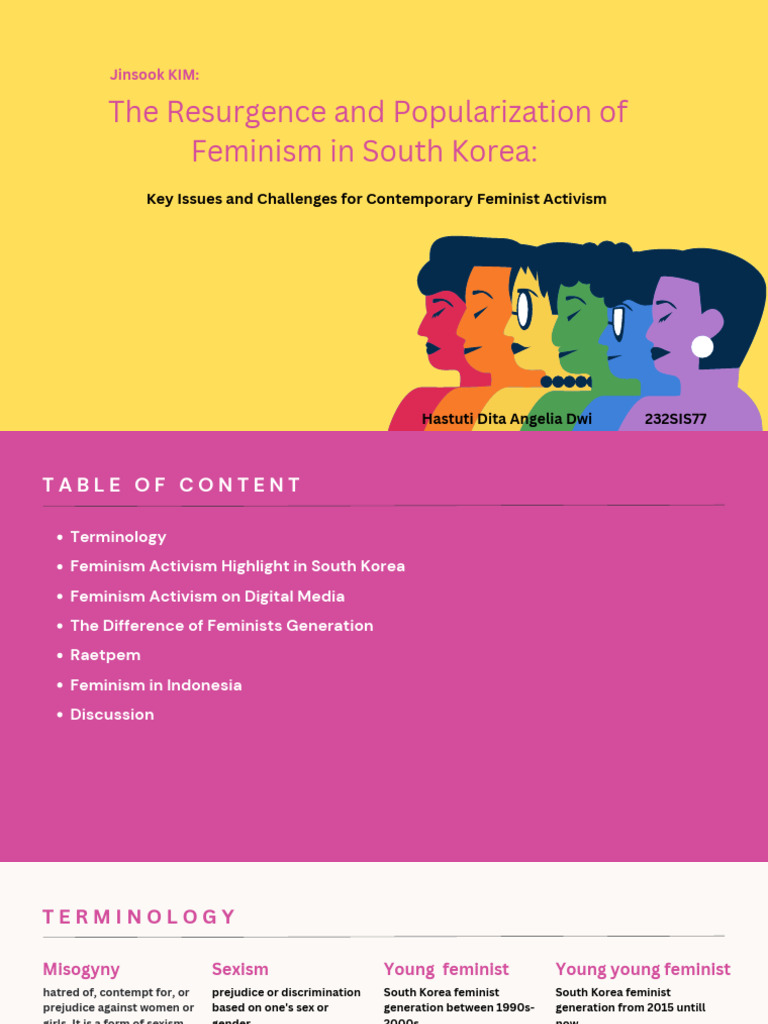
The Land of the Morning Calm? More like the Land of Suppressed Screams. For far too long, South Korea, a nation lauded for its economic prowess and K-Pop sensations, has conveniently swept its pervasive patriarchal realities under the glittering rug of modernity. But the slumber is over. A seismic shift is underway, a fervent resurgence of feminist fervor that’s shaking the foundations of a society steeped in gender inequality. Forget the demure image of the Korean woman; a new generation is rising, armed with radical ideas and a refusal to be silenced. This isn’t your grandmother’s feminism; this is a visceral, unapologetic reckoning.
Prepare to be challenged. This isn’t a gentle exploration; it’s an excavation of the raw, often brutal, realities faced by women in South Korea. We’ll dissect the insidious nature of the *’glass ceiling’* in corporate hierarchies, the pervasive *molka* (spycam) epidemic, and the suffocating beauty standards that demand unattainable perfection. We’ll delve into the radical artivism that’s giving voice to the voiceless and explore the complex intersectionality of class, sexuality, and gender within the feminist movement itself.
I. The Ghost in the Machine: Unmasking Systemic Sexism
South Korea’s economic miracle came at a steep price: the entrenchment of deeply ingrained patriarchal norms. The Confucian values, once revered, have morphed into instruments of female subjugation, dictating roles and limiting opportunities. Let’s be blunt: sexism isn’t a bug; it’s a feature of the system.
- A. The Corporate Labyrinth: Breaking the Glass Ceiling (and Smashing a Few Windows)
The gleaming skyscrapers of Seoul belie the stark reality: women are systematically excluded from positions of power. The *’ajumma’* stereotype – the married woman relegated to part-time work – perpetuates the myth of female domesticity, hindering career advancement. But the new wave is demanding more than just a seat at the table; they’re demanding a complete overhaul of the corporate culture.
- B. The Invisible Chains: Unpaid Labor and the Devaluation of Domestic Work
The burden of household chores and childcare disproportionately falls on women, a reality rarely acknowledged or compensated. This *’second shift’* reinforces gender roles and prevents women from fully participating in the workforce. It’s time to recognize domestic labor as the essential economic contribution that it is.
- C. The Algorithm of Bias: Sexism in Education and Representation
From textbooks that perpetuate gender stereotypes to the underrepresentation of women in STEM fields, the educational system subtly reinforces patriarchal norms. We must dismantle these biases and create a learning environment that empowers girls and encourages them to pursue their full potential.
II. The Digital Battlefield: Fighting Molka and Cyber Misogyny
The rise of technology has opened new avenues for female empowerment, but it has also created a fertile ground for online harassment and gender-based violence. The *molka* epidemic – the surreptitious filming and distribution of intimate images – is a digital plague, a constant reminder of women’s vulnerability in a hyper-connected world.
- A. The Specter of Molka: When Privacy Becomes a Commodity
The sheer scale of the *molka* problem is staggering. Hidden cameras in public restrooms, changing rooms, and even private homes have turned everyday spaces into potential traps. The victims are not only stripped of their privacy but also subjected to online shaming and harassment. The government’s response has been woefully inadequate, fueling a sense of impunity among perpetrators.
- B. The Echo Chamber of Hate: Online Harassment and Cyber Stalking
From vicious insults to death threats, women who dare to speak out online face a barrage of harassment. Cyber stalking, doxing, and the spread of revenge porn are tactics used to silence and intimidate female voices. Social media platforms must be held accountable for their role in facilitating this toxic environment.
- C. Reclaiming the Narrative: Digital Activism and the Fight for Online Safety
Despite the risks, feminist activists are using digital platforms to raise awareness, organize protests, and demand stronger legal protections. They are fighting back against cyber misogyny and reclaiming their right to a safe online experience. The #MyBodyMyChoice movement is a potent example of this digital resistance.
III. The Beauty Myth: Resisting the Tyranny of Idealized Appearances
South Korea’s obsession with beauty is legendary. The pressure to conform to unrealistic standards of physical perfection is relentless, fueled by a multi-billion dollar cosmetic surgery industry and pervasive media portrayals. This *’beauty is power’* narrative perpetuates a system of self-objectification and reinforces the male gaze.
- A. The Plastic Surgery Paradox: When Beauty Becomes a Cage
South Korea has one of the highest rates of cosmetic surgery per capita in the world. Young women are pressured to undergo procedures to enhance their appearance, often at great physical and financial cost. While the right to personal choice should be respected, it’s crucial to question the societal forces that drive this obsession.
- B. The Corset of Cosmetics: Makeup as a Tool of Conformity
Makeup is often presented as a tool of female empowerment, but in South Korea, it’s often a mandatory requirement for social acceptance. The pressure to wear makeup and adhere to strict beauty standards can be emotionally and financially draining. The *’Escape the Corset’* movement challenges this expectation, encouraging women to embrace their natural beauty.
- C. Body Positivity Rising: Challenging the Male Gaze and Embracing Self-Acceptance
A growing number of women are rejecting the prevailing beauty standards and embracing body positivity. They are challenging the male gaze and advocating for self-acceptance and self-love. This movement is reclaiming the narrative around beauty and empowering women to define their own standards.
IV. Intersectionality and the Future of Feminism in South Korea
The feminist movement in South Korea is not a monolithic entity. It’s a diverse and complex landscape, encompassing a wide range of perspectives and experiences. Recognizing the intersectionality of gender with other forms of oppression – class, sexuality, race, and disability – is crucial for building a truly inclusive and equitable society.
- A. Beyond the Binary: LGBTQ+ Rights and the Fight for Sexual Liberation
South Korea remains a conservative society when it comes to LGBTQ+ rights. Discrimination and prejudice are rampant, and legal protections are woefully inadequate. Feminist activists are increasingly advocating for LGBTQ+ rights, recognizing that gender equality cannot be achieved without sexual liberation.
- B. Class and Caste: The Economic Divide within the Feminist Movement
The feminist movement must address the economic disparities that exist among women. Working-class women face unique challenges, including low wages, precarious employment, and lack of access to resources. The movement must prioritize the needs of marginalized women and advocate for policies that promote economic justice.
- C. Building Bridges: Solidarity and the Future of Feminism
The future of feminism in South Korea depends on building bridges across different groups and communities. Solidarity with other social justice movements – environmental activism, anti-racism, and disability rights – is essential for creating a more just and equitable world for all. The intersectional feminist movement will be the most effective and inclusive.
The resurgence of feminism in South Korea is not just a trend; it’s a revolution. It’s a demand for fundamental change, a challenge to the status quo, and a fight for a future where women can live free from oppression and discrimination. This bold new wave of resistance is not just transforming South Korea; it’s inspiring feminist movements around the world. The screams are growing louder. The silence is broken. Are you ready to listen?










Leave a Comment