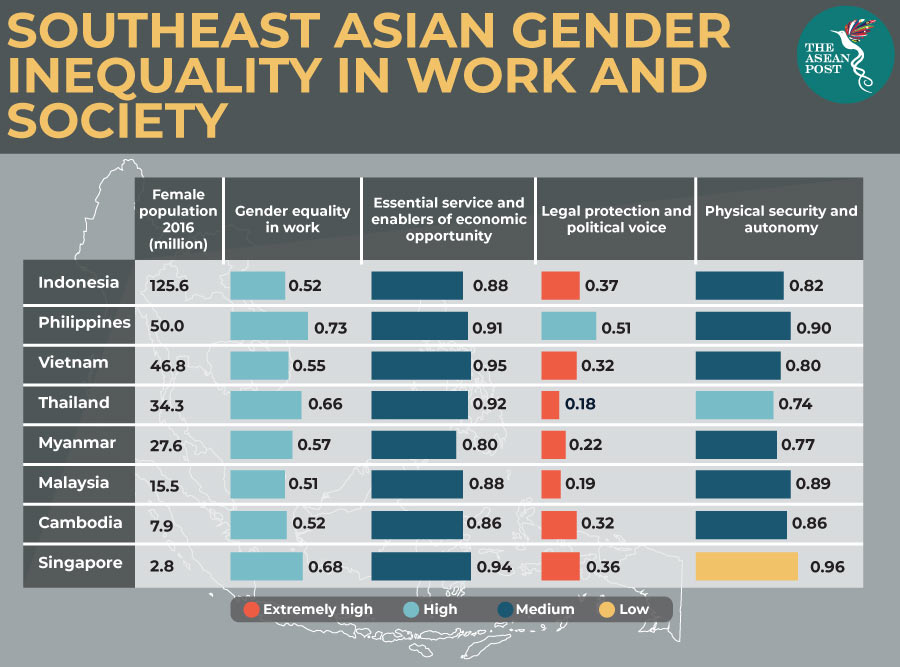
Let’s rip the bandage off, shall we? We’re not just talking about ‘equal pay’ here. That’s a paltry band-aid on a gaping wound. We’re talking about the systematic, ingrained, economic castration of half the planet’s population. We’re talking about the quadrillions of dollars, the unimaginable potential, flushed down the patriarchal toilet every single year because we refuse to see women as anything more than adjuncts to men’s grand narratives. Prepare to be uncomfortable. Prepare to have your worldview assaulted. Because the truth, as always, is a brutal mistress.
The conventional economic models, those sterile equations and bloodless graphs, are built on a foundation of sand – sand saturated with the tears and toil of unvalued female labor. They conveniently ignore the unpaid care work, the invisible emotional labor, the sheer Herculean effort women expend just to navigate a world designed to diminish them. This isn’t just a moral failing; it’s an economic catastrophe. A slow-motion, self-inflicted gunshot wound to the global economy.
I. The Illusion of Neutrality: Unmasking the Gendered Lens in Economic Theory
Economics, that supposed bastion of objectivity, is anything but. It’s a narrative, carefully constructed and meticulously maintained, that subtly, and not-so-subtly, centers the male experience. Think about it: How often are traditionally “feminine” sectors, like care work or education, given the same weight as traditionally “masculine” sectors like finance or manufacturing? The answer, damningly, is rarely.
The very language of economics is a weapon. Terms like “human capital” reduce individuals to mere cogs in a machine, stripping away the nuanced realities of gendered experiences. Women are often penalized for taking time off to raise children, their “human capital” depreciating, while men are lauded for their uninterrupted career trajectories. This isn’t just unfair; it’s economically idiotic. We’re effectively devaluing the labor that sustains the very fabric of society.
II. The Unpaid Debt: Quantifying the Economic Value of Unpaid Care Work
Ah, unpaid care work. The elephant in the economic room. The invisible engine that keeps families, communities, and economies afloat. This isn’t just about changing diapers and making dinner. It’s about the intellectual, emotional, and physical labor required to raise the next generation, to care for the elderly, to maintain the social cohesion that allows economies to function.
Economists have attempted to quantify this labor, and the numbers are staggering. Trillions of dollars annually, globally, are generated by unpaid care work, overwhelmingly performed by women. Yet, this labor remains invisible in GDP calculations, unacknowledged in policy decisions, and undervalued in social discourse. This systematic undervaluation perpetuates a vicious cycle, reinforcing gender stereotypes and limiting women’s economic opportunities.
Consider the opportunity cost. Women who dedicate significant portions of their lives to unpaid care work often face limited access to education, employment, and financial independence. They are more likely to experience poverty, economic insecurity, and dependence on male partners. This isn’t just a personal tragedy; it’s a societal failing that diminishes the overall economic well-being of nations.
III. Beyond the Wage Gap: Unearthing the Multifaceted Dimensions of Gender Inequality in the Labor Market
The wage gap is just the tip of the iceberg, a symptom of a much deeper malaise. We need to look beyond the superficial to understand the insidious ways gender inequality manifests in the labor market. We need to talk about occupational segregation, the glass ceiling, and the motherhood penalty.
Occupational segregation, the tendency for women and men to be concentrated in different types of jobs, often leads to lower pay and fewer opportunities for women. These “pink-collar” jobs, often in fields like education, healthcare, and social work, are systemically undervalued compared to male-dominated fields like engineering and finance. It’s a self-fulfilling prophecy: We devalue the work women do, and then use that devaluation to justify paying them less.
The glass ceiling, that invisible barrier that prevents women from reaching the highest levels of corporate leadership, is another manifestation of gender inequality. Women are often held back by unconscious biases, stereotypes, and a lack of mentorship opportunities. This not only deprives women of the opportunity to reach their full potential but also deprives companies of the diverse perspectives and innovative ideas that women bring to the table.
The motherhood penalty, the wage reduction women experience after having children, is perhaps the most blatant example of gender discrimination in the labor market. Women are often penalized for taking time off to care for their children, their careers derailed, their earning potential diminished. This isn’t just unfair; it’s economically short-sighted. We’re effectively discouraging women from having children, which has long-term consequences for population growth and economic sustainability.
IV. The Macroeconomic Fallout: Analyzing the Broader Economic Consequences of Gender Inequality
Gender inequality isn’t just a microeconomic problem; it’s a macroeconomic disaster. It stifles economic growth, reduces productivity, and exacerbates poverty. When half the population is denied equal access to education, employment, and financial resources, the entire economy suffers.
Studies have shown a direct correlation between gender equality and economic growth. Countries with greater gender equality tend to have higher GDPs, lower poverty rates, and more stable economies. This is because women are a valuable source of human capital, innovation, and entrepreneurship. When women are empowered to participate fully in the economy, everyone benefits.
Furthermore, gender inequality can exacerbate social and political instability. When women are marginalized and disempowered, they are more vulnerable to violence, exploitation, and poverty. This can lead to social unrest, political instability, and even conflict. A society that values and empowers women is a more stable, prosperous, and peaceful society.
V. Reimagining Economic Policy: Towards a Feminist Economic Paradigm
The solution isn’t just about tinkering around the edges of the existing system. We need a fundamental shift in perspective. We need a feminist economic paradigm that challenges the patriarchal assumptions that underpin conventional economic theory.
This means valuing unpaid care work. It means investing in education and healthcare. It means promoting women’s entrepreneurship. It means dismantling the structural barriers that prevent women from reaching their full potential. It means creating a more just, equitable, and sustainable economy for all.
We need policies that promote gender equality in education, ensuring that girls and women have equal access to quality education at all levels. We need policies that support women’s entrepreneurship, providing access to capital, training, and mentorship opportunities. We need policies that address the motherhood penalty, providing affordable childcare, paid parental leave, and flexible work arrangements.
Furthermore, we need to challenge the prevailing narratives that perpetuate gender stereotypes and reinforce patriarchal norms. We need to promote positive representations of women in the media, in education, and in public life. We need to create a culture that values women’s contributions and celebrates their achievements.
VI. Beyond GDP: Measuring What Truly Matters
GDP, that sacrosanct metric of economic progress, is a deeply flawed measure of well-being. It focuses solely on economic output, ignoring the social, environmental, and ethical costs of economic activity. We need to move beyond GDP and develop new metrics that capture the true value of human well-being.
This means incorporating measures of social progress, environmental sustainability, and gender equality into our assessments of economic performance. It means valuing non-market activities, such as unpaid care work and community involvement. It means recognizing that economic growth is not an end in itself, but rather a means to achieving a more just, equitable, and sustainable society.
The Genuine Progress Indicator (GPI), for example, is an alternative measure of economic progress that takes into account factors such as income distribution, environmental degradation, and unpaid care work. The GPI provides a more comprehensive and accurate picture of the true state of the economy and society.
VII. The Audacity of Hope: Envisioning a Gender-Equal Economic Future
The task ahead is daunting, but not insurmountable. We have the knowledge, the tools, and the resources to create a gender-equal economic future. What we lack is the political will.
It will require a fundamental shift in our thinking, a willingness to challenge the status quo, and the audacity to imagine a different world. A world where women are not just tolerated, but valued. A world where women are not just included, but empowered. A world where women are not just surviving, but thriving.
This isn’t just about fairness; it’s about economic survival. The future belongs to those who embrace diversity, who value innovation, and who empower all members of society to reach their full potential. Ignore the femicide economics, and you condemn us all.
The time for complacency is over. The time for action is now. Let’s build a gender-equal economic future, together.







Leave a Comment