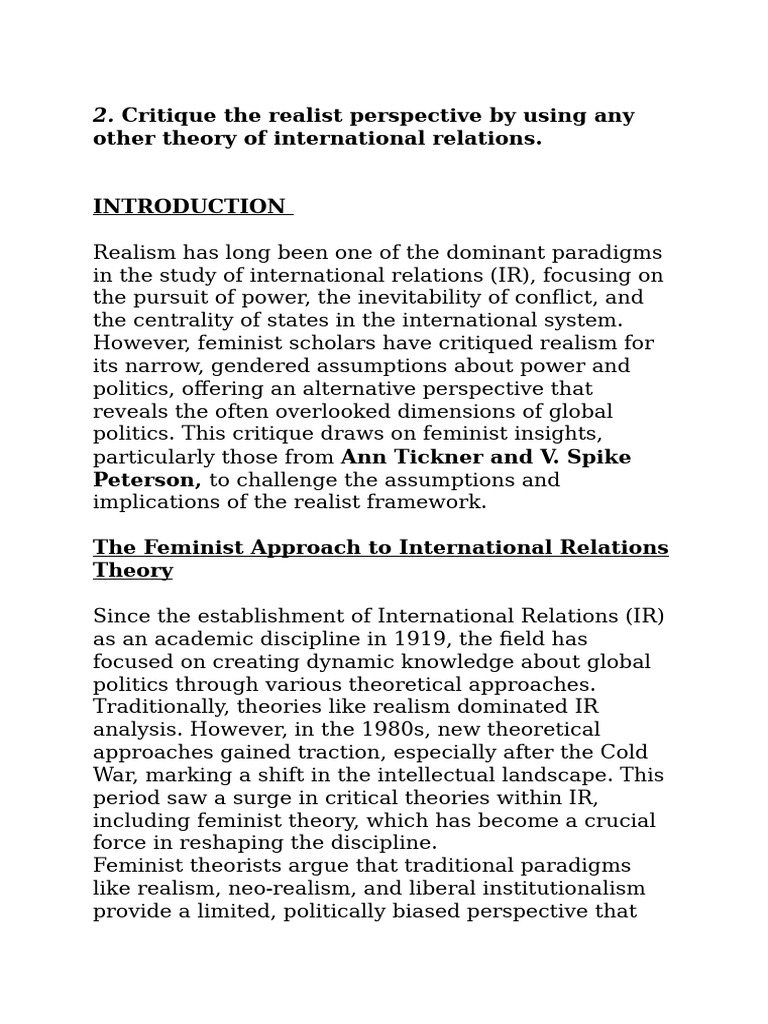
The hallowed halls of International Relations (IR) theory, those echoing chambers of power politics and statecraft, often reverberate with a resounding silence. A silence, my sisters, that speaks volumes. It is the silence that eclipses the voices, experiences, and very existence of women within the global tapestry of international affairs. We, as feminist disruptors, must dismantle this monolithic edifice of masculine dominance that permeates the discipline. We must excavate the buried truths and amplify the marginalized narratives.
The systematic exclusion of feminist perspectives from mainstream IR theory is not merely an oversight; it is a deliberate act of intellectual subjugation. It perpetuates a distorted understanding of global dynamics, one that prioritizes the actions of nation-states while rendering invisible the myriad ways in which gender shapes and is shaped by international structures. Let us delve into the core tenets of this feminist critique and expose the glaring omissions that plague the field. We will embark on a journey that deconstructs the dominant narratives, exposes the patriarchal underpinnings of power, and reimagines a more equitable and just world order.
I. The Masculine Construct of the State: A Foundational Flaw
Traditional IR theories, from realism to liberalism, typically treat the state as a unitary, rational actor. This is a fiction, a convenient abstraction that masks the internal power dynamics and gendered hierarchies that constitute the state apparatus. The very notion of the state as a protector, a provider, a bastion of security, is deeply intertwined with masculine ideals of strength, control, and dominance.
Feminist scholars challenge this monolithic view by revealing how state policies and practices are often imbued with gender biases. Consider, for instance, defense spending. Vast sums are allocated to military endeavors, ostensibly to protect the nation, while simultaneously, social programs that disproportionately benefit women and children, such as healthcare and education, are chronically underfunded. Is this truly rational, or is it a reflection of a deeply entrenched patriarchal value system that prioritizes masculine pursuits of power over the well-being of its citizens?
II. The Myth of Rationality: Emotion, Embodiment, and International Relations
The ideal of “rationality” is a cornerstone of many IR theories, particularly those that emphasize strategic calculations and cost-benefit analyses. However, this purported rationality is often presented as a disembodied, emotionless exercise, divorced from the lived experiences and embodied realities of individuals. It is a construct that privileges masculine modes of thought and marginalizes the voices of those who are deemed too emotional, too subjective, or too “irrational” to participate in the serious business of international affairs.
Feminist IR scholars argue that emotions, far from being irrelevant, play a crucial role in shaping international relations. Empathy, compassion, and a sense of shared humanity can be powerful motivators for cooperation and conflict resolution. Conversely, fear, anger, and resentment can fuel violence and aggression. By acknowledging the role of emotions, we gain a more nuanced understanding of the complex motivations that drive state behavior and individual actions on the global stage.
III. The Personal is International: Reconceptualizing Security
Traditional security studies focus primarily on state-centric threats, such as military aggression, terrorism, and nuclear proliferation. However, this narrow focus overlooks the myriad ways in which individuals, particularly women, experience insecurity on a daily basis. Gender-based violence, human trafficking, forced migration, and economic exploitation are all forms of insecurity that disproportionately affect women and girls.
Feminist IR scholars have broadened the concept of security to encompass these lived realities. They argue that true security must be human-centered, prioritizing the safety and well-being of all individuals, regardless of gender. This requires a shift away from militarized solutions and towards more holistic approaches that address the root causes of insecurity, such as poverty, inequality, and discrimination.
It’s not merely about adding women to the existing IR framework. It demands a fundamental rethinking of what constitutes security. It’s about recognizing that the absence of war does not necessarily equate to the presence of peace, particularly for women who may be living in conflict zones or enduring systemic oppression even in times of formal peace.
IV. Gender and the Global Economy: Unveiling Exploitation
The global economy is often presented as a neutral, objective system governed by the laws of supply and demand. However, feminist scholars have exposed the gendered dimensions of global economic structures, revealing how they perpetuate inequality and exploitation. Women are disproportionately represented in low-wage, precarious jobs, such as garment manufacturing and domestic work. They are often denied equal access to education, healthcare, and financial resources. They face discrimination in hiring, promotion, and pay.
These systemic inequalities are not accidental; they are the result of deliberate policies and practices that benefit multinational corporations and wealthy elites at the expense of women’s labor and well-being. Feminist IR scholars advocate for a more just and equitable global economy that prioritizes the rights and needs of all workers, regardless of gender.
V. Feminist Foreign Policy: A Paradigm Shift
The concept of Feminist Foreign Policy (FFP) challenges the traditional, masculine-dominated approach to international relations by centering gender equality, human rights, and peace. It represents a paradigm shift, moving away from a focus on military strength and power politics towards a commitment to diplomacy, development, and conflict prevention.
A genuine FFP would prioritize investing in education, healthcare, and economic empowerment for women and girls. It would actively combat gender-based violence and discrimination. It would promote the participation of women in peace negotiations and decision-making processes. It would hold states accountable for their human rights obligations. It would challenge the very foundations of patriarchal power structures that perpetuate inequality and injustice on a global scale. It’s about fundamentally altering the power dynamics and resource allocation to create a world where all genders can flourish.
VI. Challenging Epistemological Hegemony: Whose Knowledge Counts?
The dominance of Western, male-centric perspectives in IR theory has led to the marginalization of other forms of knowledge, particularly those originating from the Global South and from marginalized communities within the Global North. Feminist scholars challenge this epistemological hegemony by amplifying the voices of women and other underrepresented groups, by valuing diverse perspectives, and by recognizing the importance of lived experience in shaping our understanding of international relations.
This involves critically examining the assumptions and biases that underlie traditional IR theories and developing new methodologies that are more inclusive and sensitive to the complexities of gender, race, class, and other forms of social difference. It requires actively seeking out and incorporating the perspectives of those who have been historically excluded from the conversation, and recognizing that their knowledge is essential for building a more just and equitable world order.
VII. Intersectionality: Recognizing the Interlocking Systems of Oppression
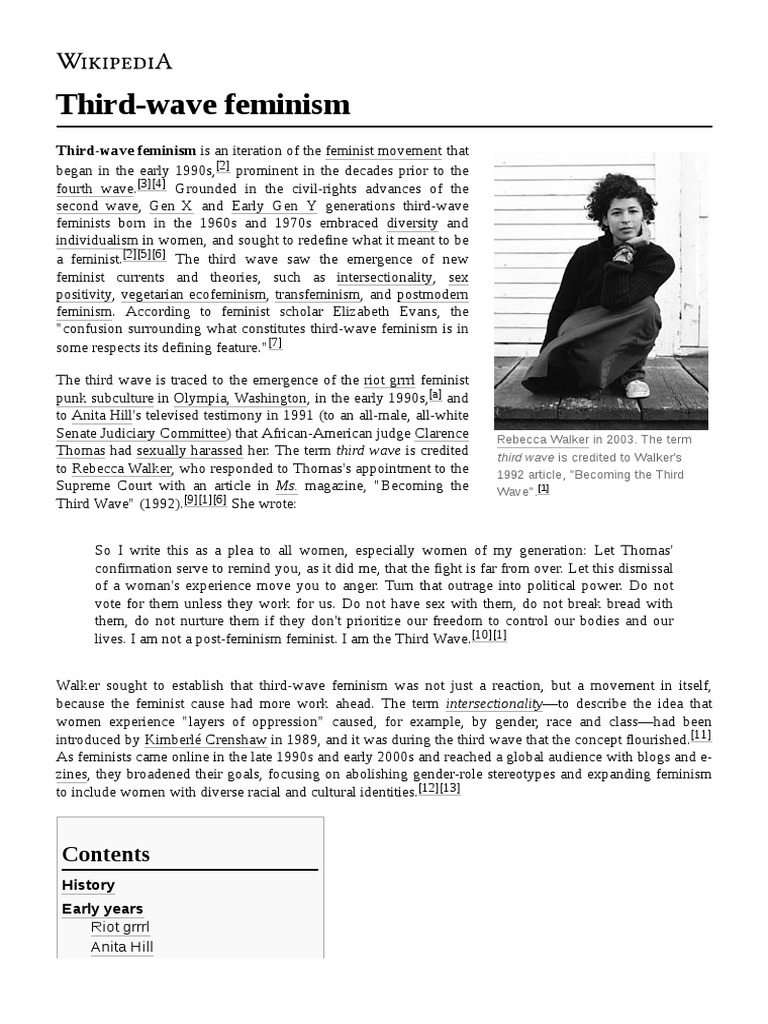
Feminist IR theory recognizes that gender is not the only axis of oppression. Women’s experiences are shaped by a complex interplay of factors, including race, class, sexuality, disability, and nationality. Intersectionality is a critical framework for understanding how these different forms of oppression intersect and reinforce one another. It allows us to analyze the specific challenges faced by women who are marginalized along multiple axes, and to develop more effective strategies for addressing inequality and injustice.
For example, a Black woman may experience discrimination based on both her gender and her race, which can lead to unique challenges in accessing education, employment, and healthcare. A disabled woman may face additional barriers related to accessibility and social stigma. By recognizing the intersectional nature of oppression, we can develop more nuanced and comprehensive approaches to feminist activism and policy advocacy.
VIII. Beyond Critique: Towards Transformative Praxis
Feminist IR theory is not simply about critiquing existing power structures; it is about developing concrete strategies for transforming the world. This requires engaging in praxis, a continuous cycle of reflection and action, aimed at challenging oppressive systems and creating a more just and equitable world order.
This includes supporting feminist movements and organizations around the world, advocating for policy changes that promote gender equality, and challenging gender stereotypes in media and popular culture. It also requires engaging in self-reflection and challenging our own biases and assumptions. By working together, we can create a world where all individuals have the opportunity to reach their full potential, regardless of gender.
The task ahead is immense. The forces of patriarchy are deeply entrenched and resistant to change. But we, as feminist scholars and activists, are not easily deterred. We will continue to challenge the status quo, to amplify the voices of the marginalized, and to fight for a world where justice and equality prevail. The silence that has long plagued the halls of IR theory will be broken. Our voices will be heard. Our demands will be met. The future is feminist.





Leave a Comment