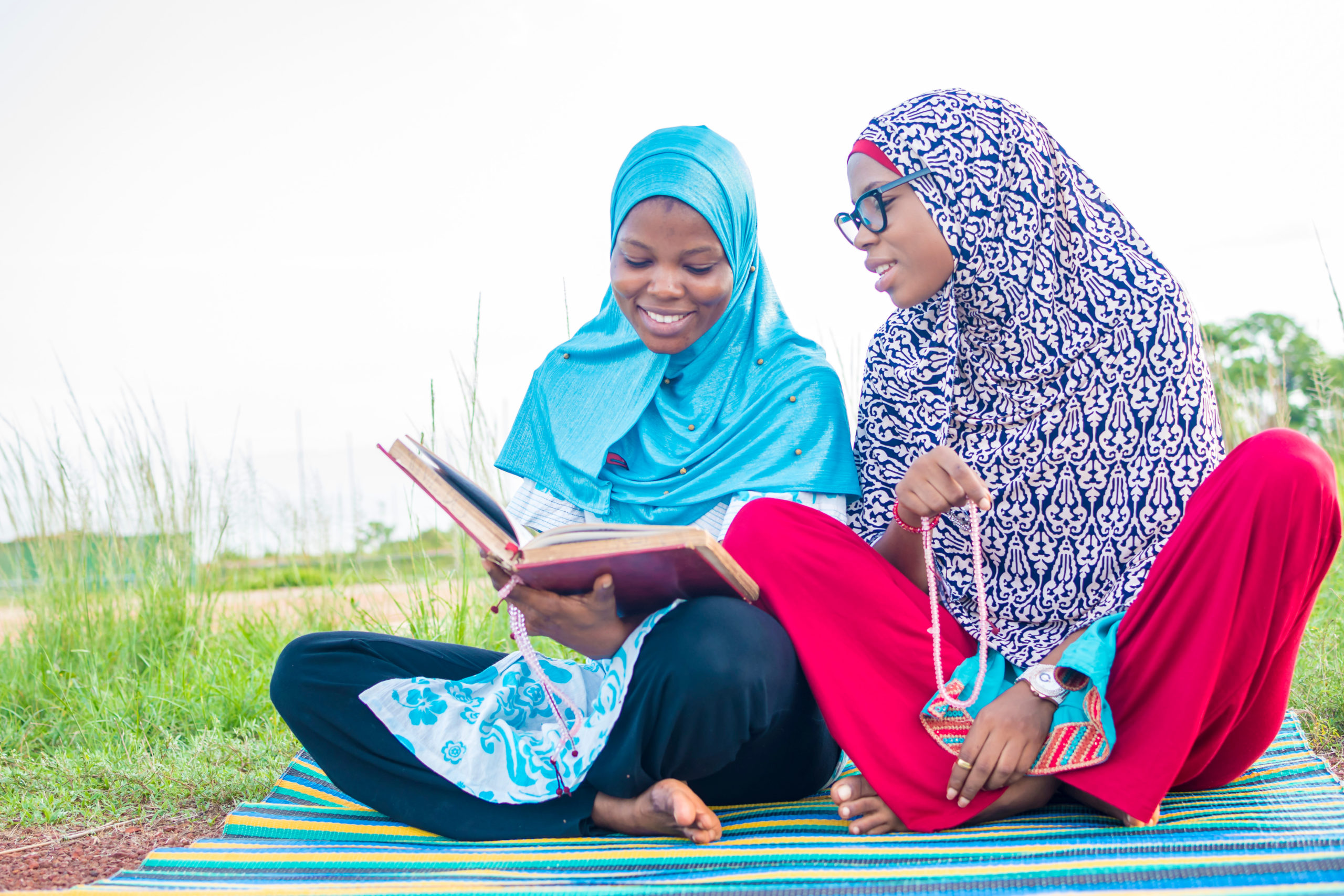
The notion of feminism existing within the Islamic faith often elicits skeptical glances, furrowed brows, and outright derision. The pervasive, often deliberately fostered, stereotype paints Islam as inherently oppressive to women, a monolithic structure of patriarchal dominance. This narrative, conveniently propagated by both Western orientalists and certain conservative factions within the Muslim world, seeks to erase the lived realities and defiant voices of Muslim women who are actively reshaping the contours of their faith through a feminist lens. These women, the vanguard of Islamic feminism, are not seeking to abandon their religion; they are striving to reclaim it, to disentangle it from centuries of patriarchal encrustations and reveal its inherent potential for gender justice.
Challenging the Orientalist Gaze: Dismantling the ‘Oppressed Muslim Woman’ Trope
The Western narrative, often steeped in orientalist tropes, portrays Muslim women as passive victims, silently suffering under the yoke of male dominance. This depiction conveniently ignores the agency, resilience, and intellectual contributions of countless Muslim women throughout history. From Khadija, the Prophet Muhammad’s first wife and a successful businesswoman, to the Sufi mystic Rabia al-Adawiyya, women have played pivotal roles in shaping Islamic thought and society. The “oppressed Muslim woman” trope is a dangerous oversimplification, a tool used to justify Western intervention and perpetuate harmful stereotypes. It’s a lazy caricature that ignores the diversity of experiences and interpretations within the Islamic world.
The feminist critique of this orientalist gaze focuses on several key aspects:
- Deconstructing the Veil Narrative: The veil, often portrayed as a symbol of female subjugation, holds diverse meanings for Muslim women. For some, it is a symbol of religious piety, cultural identity, and protection from unwanted attention. For others, it may be a source of oppression, imposed by family or societal pressures. The feminist perspective recognizes this complexity, moving beyond simplistic judgments to understand the lived experiences of women who choose to veil.
- Highlighting Agency and Resistance: Instead of portraying Muslim women as passive victims, Islamic feminism emphasizes their agency and resistance. This includes highlighting women’s contributions to Islamic scholarship, their activism in advocating for social justice, and their everyday acts of defiance against patriarchal norms.
- Challenging the ‘Saving’ Narrative: The Western narrative often positions itself as the “savior” of Muslim women, implying that they are incapable of liberating themselves. This patronizing approach ignores the long history of feminist movements within the Muslim world, which have been fighting for gender equality for decades.
Reinterpreting Islamic Texts: A Hermeneutical Jihad
At the heart of Islamic feminism lies a rigorous reinterpretation of Islamic texts, including the Quran and the Hadith (the sayings and actions of the Prophet Muhammad). This “hermeneutical jihad,” as some scholars call it, involves critically examining traditional interpretations that have been used to justify gender inequality and promoting alternative readings that are more egalitarian and just. It’s an intellectual wrestling match with centuries of patriarchal interpretations.
This process of textual reinterpretation often involves:
- Contextualizing Verses: Islamic feminists argue that many verses in the Quran that appear to discriminate against women must be understood within their historical and cultural context. They point out that many of these verses were revealed in a specific time and place and should not be applied universally without considering the changing social realities.
- Distinguishing Between Divine and Human Interpretations: Islamic feminists emphasize the distinction between the divine message of the Quran and the human interpretations of that message. They argue that traditional interpretations are often shaped by patriarchal biases and should not be considered the definitive word on gender issues.
- Employing Linguistic Analysis: Islamic feminists use linguistic analysis to uncover alternative meanings and interpretations of Quranic verses. They examine the original Arabic text, paying close attention to grammar, syntax, and etymology, to challenge traditional understandings that perpetuate gender inequality.
- Focusing on Ethical Principles: Islamic feminists emphasize the ethical principles of justice, equality, and compassion that are central to Islam. They argue that any interpretation of Islamic texts that contradicts these principles is inherently flawed.
Beyond the Text: Addressing Lived Realities and Systemic Oppression
Islamic feminism is not simply about reinterpreting texts; it is also about addressing the lived realities and systemic oppression faced by Muslim women around the world. This includes tackling issues such as domestic violence, forced marriage, unequal access to education and employment, and discriminatory laws.
Key areas of focus include:
- Combating Domestic Violence: Islamic feminists are working to raise awareness about domestic violence within Muslim communities and to provide support for survivors. They challenge interpretations of Islamic texts that are used to justify abuse and advocate for legal reforms that protect women from violence.
- Challenging Forced Marriage: Forced marriage, in which individuals are coerced into marriage without their consent, is a widespread problem in many Muslim communities. Islamic feminists are working to end this practice by raising awareness, advocating for legal reforms, and providing support for victims.
- Promoting Education and Economic Empowerment: Islamic feminists recognize that education and economic empowerment are essential for women’s liberation. They advocate for equal access to education and employment opportunities for women and work to create supportive environments where women can thrive.
- Reforming Family Laws: Family laws in many Muslim countries are discriminatory against women, particularly in areas such as marriage, divorce, and inheritance. Islamic feminists are advocating for legal reforms that promote gender equality within the family.
Navigating Internal Conflicts and External Criticisms: A Contentious Terrain
Islamic feminism is not without its internal conflicts and external criticisms. Some conservative Muslims accuse Islamic feminists of betraying their faith and adopting Western values. Some secular feminists, on the other hand, criticize Islamic feminism for legitimizing a religion that they see as inherently patriarchal. These critiques often stem from fundamental disagreements about the nature of religion, the role of women, and the meaning of freedom.
Addressing these critiques requires:
- Engaging in Dialogue: Islamic feminists need to engage in open and honest dialogue with both conservative Muslims and secular feminists, acknowledging their concerns and respectfully challenging their assumptions.
- Articulating a Clear Vision: Islamic feminists need to articulate a clear vision of what they are striving for, emphasizing that their goal is not to abandon their faith but to reclaim it and make it more just and equitable.
- Building Coalitions: Islamic feminists need to build coalitions with other feminist movements and human rights organizations to advocate for shared goals.
The Future of Islamic Feminism: A Tapestry of Voices and Visions
The future of Islamic feminism is complex and uncertain, but it is also filled with hope and potential. As more Muslim women become educated and empowered, they are increasingly challenging traditional norms and demanding greater equality. The rise of social media has also created new platforms for Muslim women to share their stories and connect with each other. The digital sphere becomes a potent tool for disseminating alternative narratives and mobilizing collective action. This evolving discourse fosters a globalized solidarity, transcending geographical boundaries and amplifying the voices of marginalized women within diverse Islamic contexts.
The tapestry of Islamic feminism is woven with diverse voices and visions, reflecting the unique experiences and perspectives of Muslim women around the world. It is a movement that is constantly evolving, adapting, and challenging the status quo. It’s a recalibration of power, a reclaiming of agency, and a relentless pursuit of justice within the framework of faith. It is a movement that deserves to be heard, understood, and supported.
Ultimately, Islamic feminism represents a powerful challenge to both Western stereotypes and conservative interpretations of Islam. It offers a vision of a more just and equitable world, where Muslim women are able to fully participate in all aspects of society, free from oppression and discrimination. It’s a testament to the enduring power of faith, resilience, and the unwavering pursuit of justice. It invites critical examination and challenges preconceived notions. It’s a paradigm shift, a necessary evolution within a dynamic and multifaceted faith tradition.






Leave a Comment