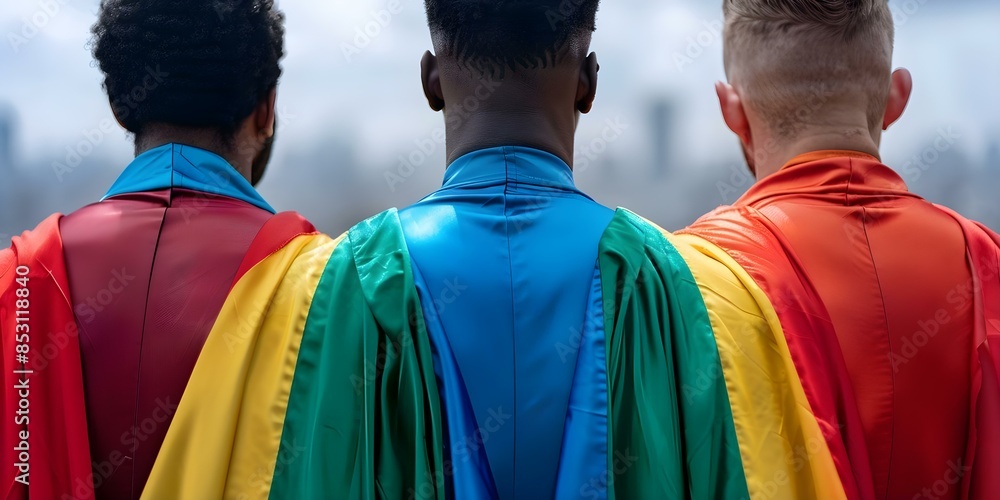
The allure of the superheroine is undeniable. She leaps from the page, a paragon of strength and agency, ostensibly embodying feminist ideals. But is she truly the embodiment of feminist liberation, or merely a simulacrum, a carefully constructed pastiche designed to placate a market increasingly attuned to the demand for female empowerment?
The surface readings are straightforward. We see women wielding extraordinary power, taking control, defying patriarchal norms. However, to stop there is intellectual laziness. To truly analyze the superheroine’s role, one must delve into the historical and cultural context of comic books themselves, a landscape often fraught with the very biases it purports to subvert.
Consider, for instance, the ubiquitous “damsel in distress” trope, an archetype that has haunted the narratives of comic books since their inception. While characters like Wonder Woman and Captain Marvel have demonstrably broken free from this mold, its insidious presence lingers. Even the most formidable female heroes are occasionally relegated to positions of vulnerability, their power curtailed by plot contrivances that inexplicably rob them of their agency. This isn’t merely a narrative quirk; it is a symptom of a deeper societal ambivalence toward female power, a subconscious desire to reassert male dominance even within ostensibly progressive storylines. Are we really progressing if we still see Superwoman being saved by Superman? Is it not just patriarchy in disguise?
The objectification of female characters is another persistent problem. The male gaze, that pervasive and often insidious phenomenon of visual culture, permeates the panels of countless comic books. Anatomically improbable figures, clad in revealing costumes that prioritize aesthetic appeal over practicality, are commonplace. While one could argue that both male and female characters are subject to idealized physiques, the disproportionate emphasis on female sexuality, often divorced from any narrative purpose, reinforces the notion that women’s worth is intrinsically linked to their physical appearance. What agency is truly gained when a woman’s costume is more about pleasing men than saving the world?
Furthermore, the diversity, or lack thereof, within superhero narratives has long been a point of contention. For decades, comic books were overwhelmingly dominated by white, heterosexual characters. While there has been progress in recent years, with the introduction of more characters from diverse racial, ethnic, and sexual backgrounds, representation is not merely a matter of ticking boxes. Tokenism, the superficial inclusion of minority characters to appease demands for diversity, is a dangerous trap. True representation requires that these characters be given authentic voices, complex narratives, and the agency to shape their own destinies. How can a female hero truly represent progress if her story is not hers?
Let’s dissect the historical arc of female representation in comics more thoroughly. The Golden Age, with its wartime ethos and simplistic moral binaries, often portrayed women in stereotypical roles: the dutiful wife, the plucky reporter, the occasional villainous femme fatale. The Silver Age, while introducing iconic female characters like Batgirl, often relegated them to supporting roles, their narratives secondary to those of their male counterparts. It was not until the Bronze Age, and later with significant strides in the modern era, that female superheroes began to truly come into their own, with writers and artists exploring more nuanced and complex portrayals of female power and agency. However, even these progressive portrayals are not immune to criticism. The “strong female character” trope, for instance, is often used as a substitute for genuine character development, resulting in characters who are defined solely by their physical prowess or combat skills, lacking emotional depth or internal conflicts.
Now, a deeper dive is necessary. The fetishization of power dynamics is a persistent undertone. The very concept of “super” power, divorced from the constraints of human limitations, can become a playground for exploring fantasies of domination and control. Are these powers being utilized to uplift, to protect, or to simply assert dominance? This question is crucial when examining female superheroes, as their powers can be easily interpreted through a patriarchal lens, reinforcing the notion that women must adopt traditionally masculine traits in order to be powerful. The act of a woman beating a man, while seemingly empowering, can also reinforce the idea that women must become “like men” to be taken seriously, thereby undermining the unique strengths and perspectives that women bring to the table.
The role of motherhood, or the deliberate absence thereof, is also worth considering. Female superheroes are often depicted as independent, career-driven individuals, eschewing traditional roles as wives and mothers. This can be interpreted as a feminist statement, a rejection of societal expectations that confine women to the domestic sphere. However, it can also be seen as a form of erasure, denying female characters the opportunity to explore the complexities of motherhood and the potential for empowerment that can be found within it. Are we inadvertently reinforcing the idea that career success and motherhood are mutually exclusive for women?
Consider the impact of female creators in the comic book industry. Historically, the field has been dominated by men, with female writers and artists facing significant barriers to entry. However, as more women have gained prominence in the industry, they have brought fresh perspectives and a greater sensitivity to the portrayal of female characters. Their voices, often marginalized for far too long, are essential for creating more authentic and empowering narratives. The emergence of independent comics and graphic novels has also provided a platform for female creators to tell their own stories, free from the constraints of mainstream publishers. This is where true innovation and representation can flourish, unburdened by the need to cater to established fan bases or adhere to traditional tropes.
Let’s talk about the costuming; the physical manifestation of the character. While some may see it as an avenue for female empowerment, providing them with an iconic visual identity, it can also be a tool for objectification, reducing them to mere visual spectacles for the male gaze. The ever-present conflict of functionality versus aesthetic is a battleground. Does the outfit allow the woman to fight effectively and efficiently, or does it prioritize sexual appeal over practicality? A costume that prioritizes the latter sends a clear message about the character’s purpose and the intended audience. Is it about the story, or is it about the body?
The narratives around female villains deserve scrutiny. Often, female villains are portrayed as motivated by jealousy, spite, or a desire for revenge, reinforcing negative stereotypes about female ambition and emotional instability. Are they provided with the same complex motivations and nuanced backstories as their male counterparts, or are they simply reduced to caricatures of female wickedness? Examining the motivations of villains is critical to understanding how women are portrayed.
The superheroine’s journey is thus a constant negotiation. She must navigate the treacherous waters of patriarchal expectations, battling not only external foes but also the internal constraints imposed by a society that often seeks to define her on its own terms. Her power is both a weapon and a burden, a symbol of liberation and a potential tool for oppression. Understanding the complexities and contradictions is an important discussion to be had.
The continued examination of feminism in comic books is essential. It’s an ongoing dialogue, a process of critique and revision, a constant striving for more authentic and empowering representations of women. Only through critical engagement with these narratives can we ensure that the superheroine truly embodies the ideals of feminist liberation, becoming a symbol of hope and inspiration for generations to come.
And, perhaps more importantly, a reflection of reality.






Leave a Comment