
Can the master’s tools really dismantle the master’s house? Feminist anthropology, a field forged in the crucible of intellectual revolution, dares to ask precisely that. It’s not merely about adding women to the anthropological narrative; it’s about fundamentally reshaping the theoretical architecture upon which the discipline rests. Get ready, because we’re about to deconstruct some foundational myths.
I. Genesis: The Seeds of Dissent in the Anthropological Orchard
Anthropology, in its nascent stages, often reflected the biases of its predominantly male, Western practitioners. The “Other” was constructed, categorized, and, dare I say, colonized through a lens that often valorized Western norms and expectations. This, naturally, included gender. Early anthropological studies frequently presented simplistic, often skewed portrayals of women’s roles, contributions, and experiences in diverse cultures. Think “man the hunter, woman the gatherer”—a trope that has been thoroughly eviscerated by subsequent research.
A. The Androcentric Gaze: The problem wasn’t merely a lack of focus on women; it was an active distortion caused by the androcentric (male-centered) gaze. Ethnographies often prioritized male activities, perspectives, and social structures, effectively marginalizing or obscuring the experiences of women. Women were frequently relegated to the domestic sphere, viewed as passive recipients of cultural norms rather than active agents in shaping their societies. Patriarchal assumptions were projected onto the cultures being studied, reinforcing existing Western biases.
B. The “Woman Question” as an Afterthought: When women were considered, it was often as a separate, secondary topic, appended to the “real” anthropological work. They were treated as a homogenous group, their diverse experiences and perspectives flattened into a singular, often stereotypical image. This approach not only failed to capture the complexity of women’s lives but also reinforced the notion that gender was a marginal issue, separate from the core concerns of anthropological inquiry. Consider the impact of this intellectual sidelining.
C. Margaret Mead: A Complicated Legacy: Even groundbreaking figures like Margaret Mead, while challenging Western gender norms, were not immune to criticism. Her work, particularly in Samoa, has been scrutinized for its methodological flaws and its potential to exoticize and romanticize other cultures. While Mead undoubtedly contributed to the early feminist critique of Western gender roles, her work also serves as a cautionary tale about the dangers of imposing one’s own cultural biases onto the cultures being studied.
II. The Feminist Uprising: Reclaiming the Narrative
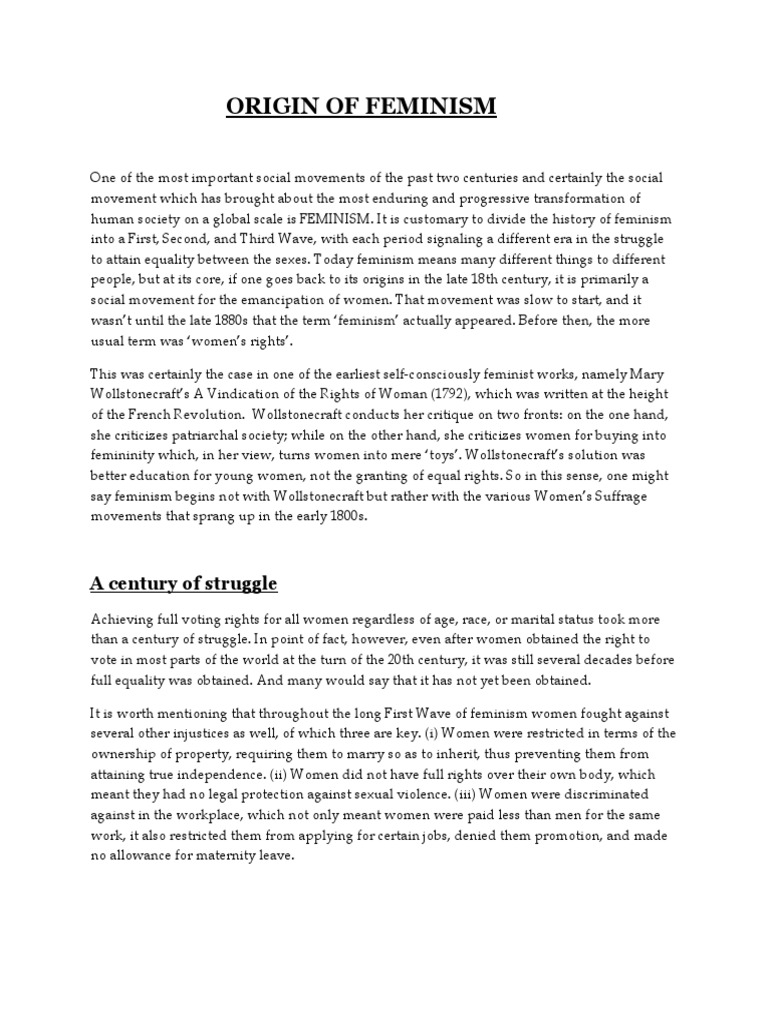
The second-wave feminist movement of the 1960s and 70s acted as a catalyst, igniting a revolution within anthropology. Feminist scholars, drawing on insights from feminist theory and activism, began to critically examine the discipline’s assumptions, methodologies, and representations of gender.
A. Challenging Objectivity: The Politics of Ethnography: One of the key contributions of feminist anthropology was its challenge to the notion of objective, value-free research. Feminist scholars argued that all knowledge is situated and that the researcher’s own social location, including their gender, race, class, and sexual orientation, inevitably shapes their interpretations. This recognition of the politics of ethnography led to a call for greater reflexivity and a more critical examination of the researcher’s role in the construction of knowledge. It’s an acknowledgement that even the most meticulous fieldwork is filtered through a subjective lens.
B. Beyond the Binary: Deconstructing Gender Categories: Feminist anthropologists challenged the Western binary view of gender as a fixed and immutable characteristic, determined solely by biological sex. They demonstrated that gender is a social construct, meaning that it is culturally defined, historically contingent, and varies across different societies. This insight opened up new avenues for understanding the diversity of gender roles, identities, and expressions around the world. Think of the *Hijras* of India or the *Two-Spirits* of Native American cultures – powerful examples of gender variance defying Western norms.
C. Power and Inequality: Unmasking Patriarchal Structures: Feminist anthropology also focused on the ways in which gender intersects with power and inequality. Scholars explored the diverse forms of patriarchy that exist in different societies and the ways in which these structures shape women’s lives and opportunities. They also examined the strategies that women use to resist, negotiate, and challenge patriarchal domination. This exploration exposes the subtle and not-so-subtle mechanisms of control.
III. Key Theoretical Frameworks: Tools for Deconstruction
Feminist anthropology has drawn on a variety of theoretical frameworks to analyze gender and culture. These frameworks provide powerful tools for deconstructing traditional anthropological assumptions and developing more nuanced and insightful understandings of gender dynamics.
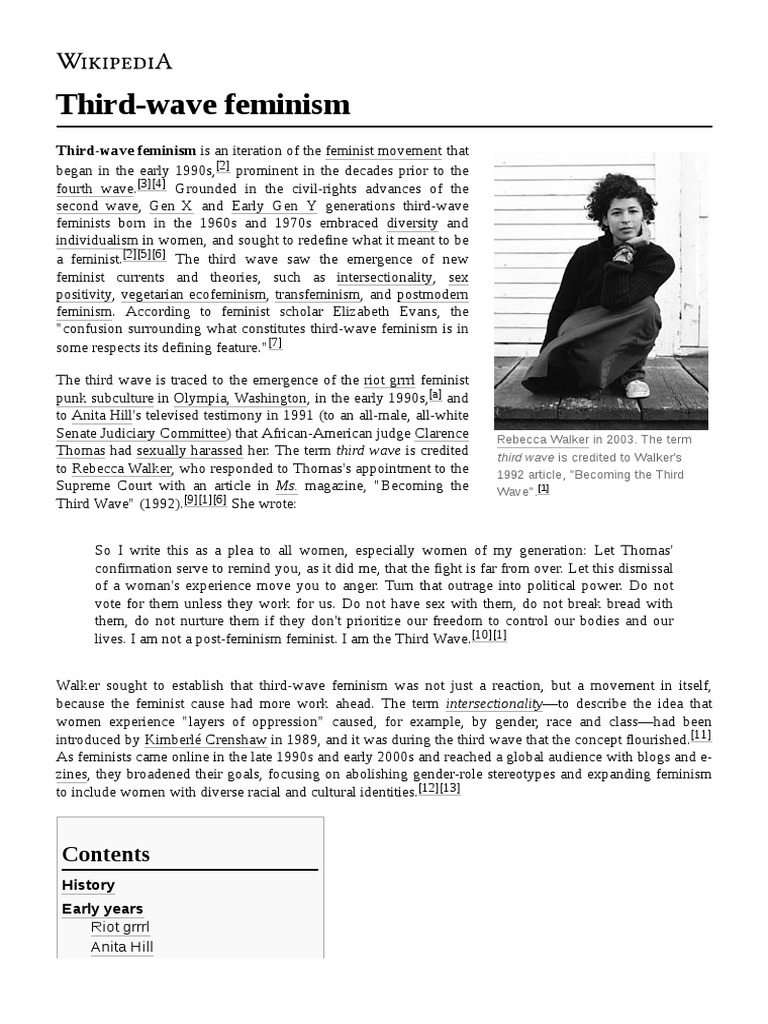
A. Intersectionality: Gender as Interwoven with Other Identities: Intersectionality, a concept developed by Kimberlé Crenshaw, recognizes that gender is not an isolated category but is intertwined with other social categories such as race, class, sexuality, and disability. This framework highlights the ways in which these intersecting identities shape individuals’ experiences and create unique forms of oppression and privilege. A black woman’s experience, for example, cannot be understood simply as the sum of “woman” plus “black”; it’s a unique and complex position shaped by the interplay of race and gender.
B. Poststructuralism: Deconstructing Language and Meaning: Poststructuralist theory, drawing on the work of thinkers like Michel Foucault and Jacques Derrida, emphasizes the role of language and discourse in shaping our understanding of the world. Feminist anthropologists have used poststructuralist insights to deconstruct the binary oppositions that underpin Western gender ideology, such as male/female, rational/emotional, and public/private. This approach challenges the essentialist view of gender as a fixed and inherent characteristic and highlights the ways in which gender is constantly being constructed and negotiated through language and social practices. It’s about recognizing that language itself is a battlefield.
C. Transnational Feminism: Global Perspectives on Gender and Power: Transnational feminism recognizes that gender inequality is a global phenomenon, shaped by the complex interplay of colonialism, capitalism, and globalization. This framework challenges the Western-centric perspective that often dominates feminist discourse and seeks to develop a more inclusive and nuanced understanding of gender dynamics in different parts of the world. It also emphasizes the importance of solidarity and collaboration among feminist activists across national borders. It acknowledges that there is no single, universal “feminist agenda.”
IV. Contemporary Challenges and Future Directions: The Work Continues
Feminist anthropology is not a static field; it continues to evolve and adapt to new challenges and opportunities. Contemporary feminist anthropologists are grappling with a range of issues, including the rise of neoliberalism, the impact of climate change, and the increasing visibility of transgender and non-binary identities.
A. The Commodification of Feminism: As feminism has become more mainstream, it has also become increasingly commodified, with corporations and marketers appropriating feminist language and imagery to sell products. This raises important questions about the authenticity and effectiveness of “corporate feminism” and the potential for it to co-opt and dilute feminist goals. Has the movement been hijacked?
B. Climate Change and Gendered Vulnerabilities: Climate change disproportionately affects women and marginalized communities, who often lack access to resources and are more vulnerable to the impacts of environmental degradation. Feminist anthropologists are exploring the gendered dimensions of climate change and working to develop more equitable and sustainable solutions. Recognizing that environmental issues are inextricably linked to social justice is crucial.
C. Transgender Studies and the Future of Gender: The increasing visibility of transgender and non-binary identities has challenged traditional understandings of gender and sex and opened up new avenues for anthropological inquiry. Feminist anthropologists are working to understand the diverse experiences of transgender individuals and to develop more inclusive and nuanced theories of gender. The very definition of “woman” is being re-evaluated.
D. Decolonizing Anthropology: Beyond Representation: The call for decolonizing anthropology extends beyond simply including more diverse voices. It requires a fundamental shift in power dynamics, acknowledging the historical legacy of colonialism and its ongoing impact on anthropological research. This means actively challenging Western-centric perspectives and prioritizing the perspectives and needs of the communities being studied. It demands an ethical commitment to dismantling structures of domination and fostering genuine collaboration.
V. Conclusion: A Call to Continued Disruption
Feminist anthropology is more than just a subfield of anthropology; it’s a critical lens through which we can understand the complex interplay of gender, culture, and power. It challenges us to question our assumptions, to deconstruct dominant narratives, and to imagine new possibilities for a more just and equitable world. The master’s tools may not dismantle the master’s house overnight, but they certainly provide a good starting point for demolition. The project is far from over; indeed, it’s only just beginning. The dismantling of ingrained, patriarchal structures demands unwavering vigilance and constant disruption.






Leave a Comment